School of Chemistry and Molecular Biology, The University of Queensland, Brisbane, QLD, Australia.
Queensland Alliance for Agriculture and Food Innovation, The University of Queensland, Brisbane, QLD, Australia.
Vet Med Sci. 2020 Nov;6(4):695-710. doi: 10.1002/vms3.278. Epub 2020 May 20.
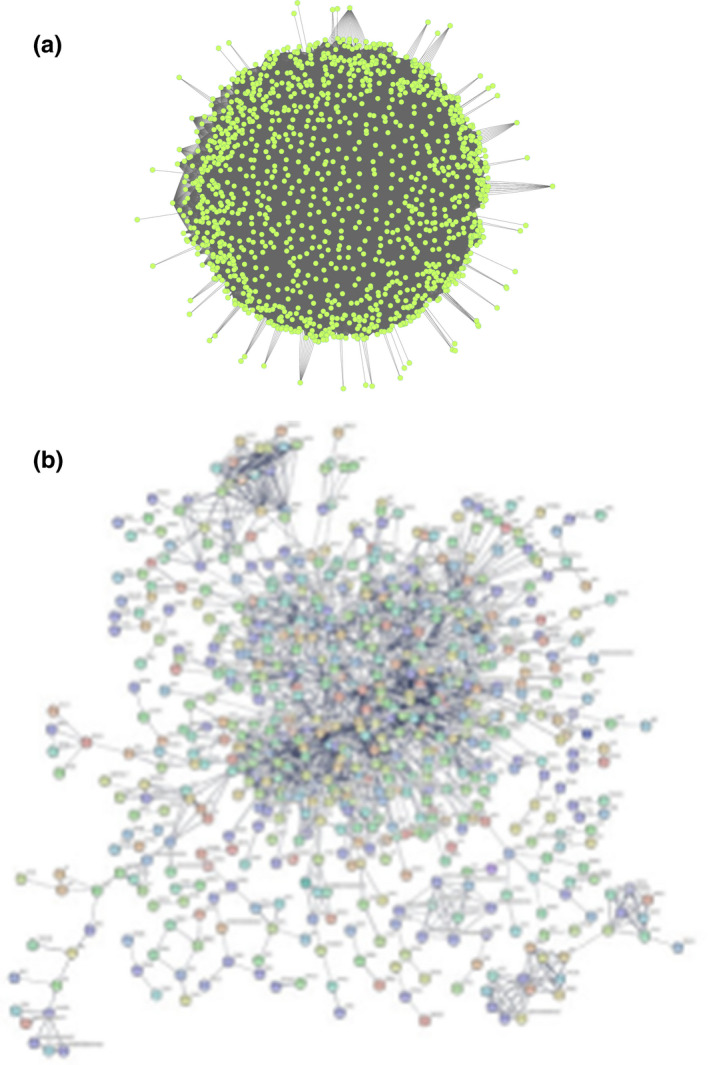
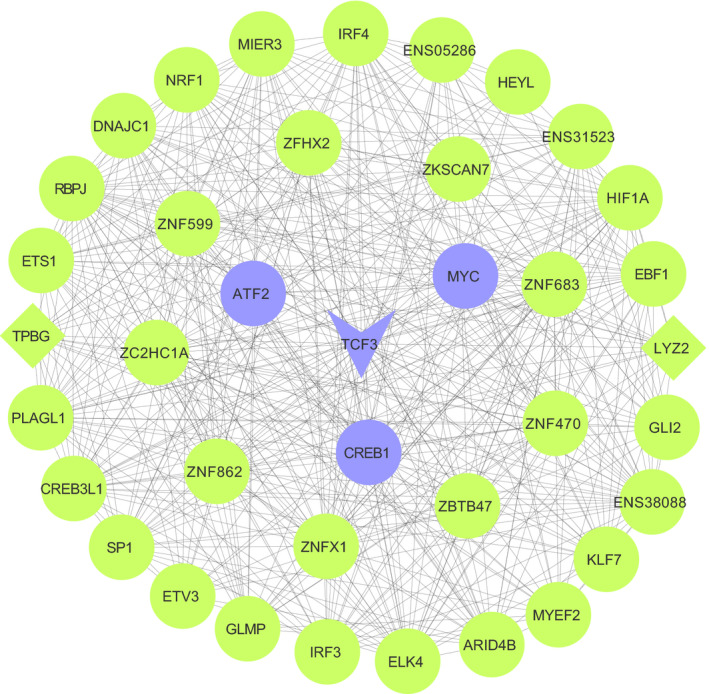
Puberty is a whole-body event, driven by the hypothalamic integration of peripheral signals such as leptin or IGF-1. In the process of puberty, reproductive development is simultaneous to growth, including muscle growth. To enhance our understanding of muscle function related to puberty, we performed transcriptome analyses of muscle samples from six pre- and six post-pubertal Brahman heifers (Bos indicus). Our aims were to perform differential expression analyses and co-expression analyses to derive a regulatory gene network associate with puberty. As a result, we identified 431 differentially expressed (DEx) transcripts (genes and non-coding RNAs) when comparing pre- to post-pubertal average gene expression. The DEx transcripts were compared with all expressed transcripts in our samples (over 14,000 transcripts) for functional enrichment analyses. The DEx transcripts were associated with "extracellular region," "inflammatory response" and "hormone activity" (adjusted p < .05). Inflammatory response for muscle regeneration is a necessary aspect of muscle growth, which is accelerated during puberty. The term "hormone activity" may signal genes that respond to progesterone signalling in the muscle, as the presence of this hormone is an important difference between pre- and post-pubertal heifers in our experimental design. The DEx transcript with the highest average expression difference was a mitochondrial gene, ENSBTAG00000043574 that might be another important link between energy metabolism and puberty. In the derived co-expression gene network, we identified six hub genes: CDC5L, MYC, TCF3, RUNX2, ATF2 and CREB1. In the same network, 48 key regulators of DEx transcripts were identified, using a regulatory impact factor metric. The hub gene TCF3 was also a key regulator. The majority of the key regulators (22 genes) are members of the zinc finger family, which has been implicated in bovine puberty in other tissues. In conclusion, we described how puberty may affect muscle gene expression in cattle.
青春期是一个全身性事件,由下丘脑对瘦素或 IGF-1 等外周信号的整合驱动。在青春期过程中,生殖发育与生长同时进行,包括肌肉生长。为了增强我们对与青春期相关的肌肉功能的理解,我们对来自六头青春期前和六头青春期后的婆罗门小母牛(Bos indicus)的肌肉样本进行了转录组分析。我们的目的是进行差异表达分析和共表达分析,以得出与青春期相关的调控基因网络。结果,我们在比较青春期前和青春期后的平均基因表达时,鉴定出了 431 个差异表达(DEx)转录本(基因和非编码 RNA)。将 DEx 转录本与我们样本中的所有表达转录本(超过 14000 个转录本)进行功能富集分析。DEx 转录本与“细胞外区域”、“炎症反应”和“激素活性”(调整后的 p < 0.05)相关。肌肉再生的炎症反应是肌肉生长的必要方面,在青春期加速。“激素活性”一词可能表示对肌肉中孕激素信号做出反应的基因,因为在我们的实验设计中,孕激素的存在是青春期前和青春期后小母牛的重要区别之一。平均表达差异最大的 DEx 转录本是一个线粒体基因 ENSBTAG00000043574,它可能是能量代谢和青春期之间的另一个重要联系。在推导的共表达基因网络中,我们鉴定出了六个枢纽基因:CDC5L、MYC、TCF3、RUNX2、ATF2 和 CREB1。在同一网络中,使用调节影响因子度量标准,鉴定出了 48 个 DEx 转录本的关键调节剂。枢纽基因 TCF3 也是一个关键调节剂。大多数关键调节剂(22 个基因)是锌指家族的成员,在其他组织中也与牛的青春期有关。总之,我们描述了青春期如何影响牛的肌肉基因表达。