Genetics and Metabolism SectionNIDDK, NIHBethesdaMD.
Mouse Metabolism CoreNIDDK, NIHBethesdaMD.
Hepatology. 2021 Mar;73(3):1176-1193. doi: 10.1002/hep.31328. Epub 2020 Nov 3.
Iron is essential yet also highly chemically reactive and potentially toxic. The mechanisms that allow cells to use iron safely are not clear; defects in iron management are a causative factor in the cell-death pathway known as ferroptosis. Poly rC binding protein 1 (PCBP1) is a multifunctional protein that serves as a cytosolic iron chaperone, binding and transferring iron to recipient proteins in mammalian cells. Although PCBP1 distributes iron in cells, its role in managing iron in mammalian tissues remains open for study. The liver is highly specialized for iron uptake, utilization, storage, and secretion.
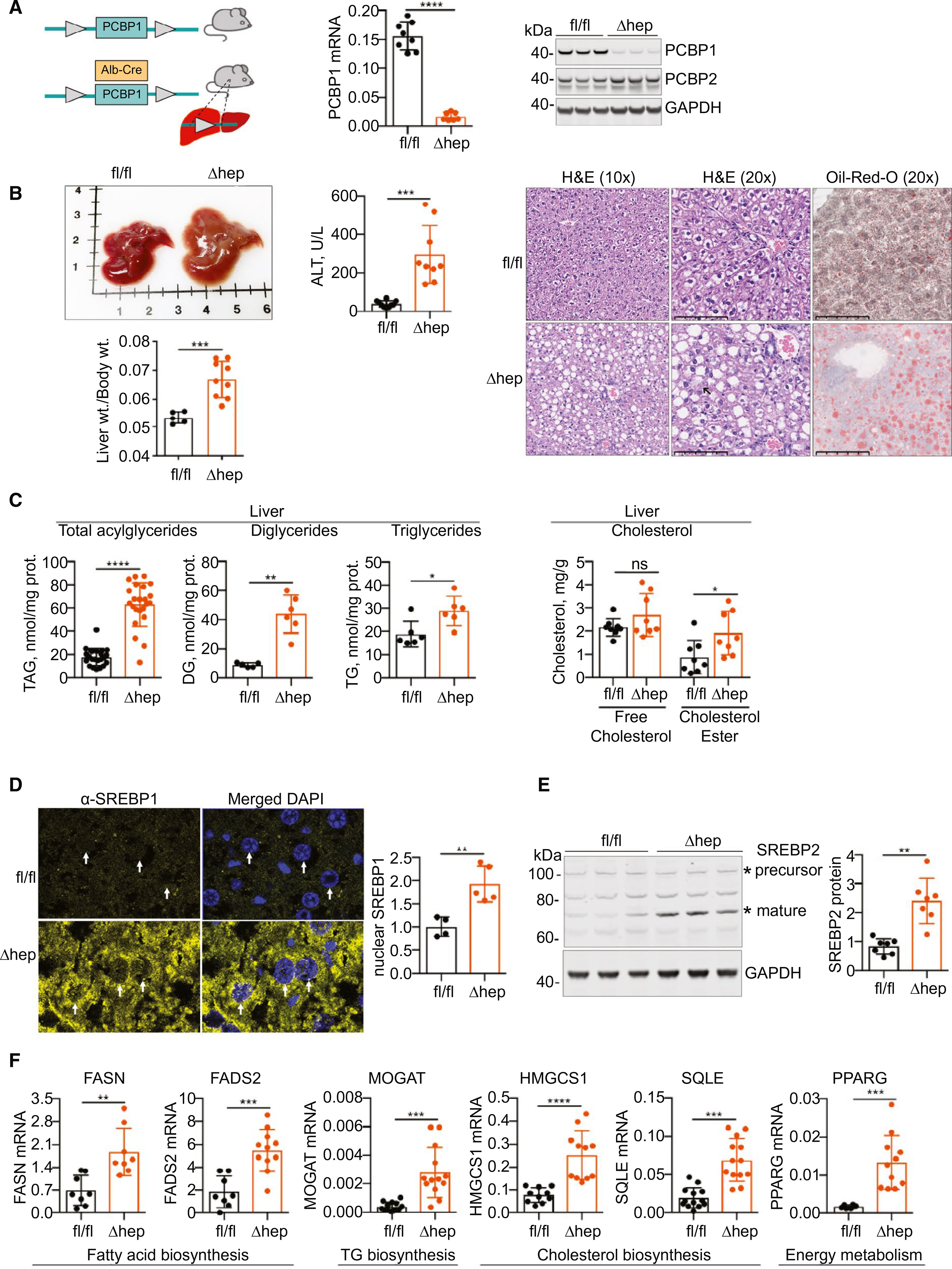
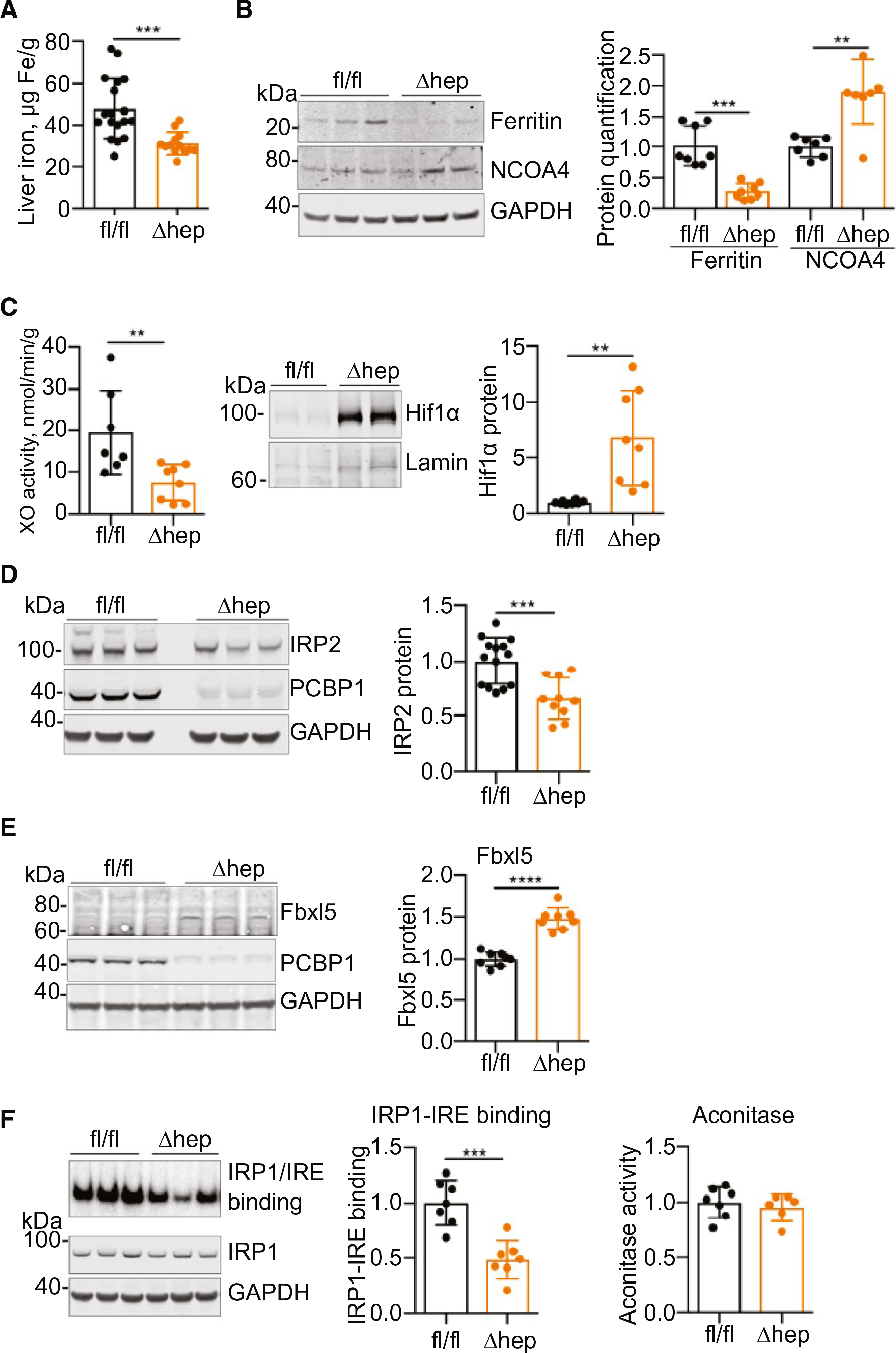
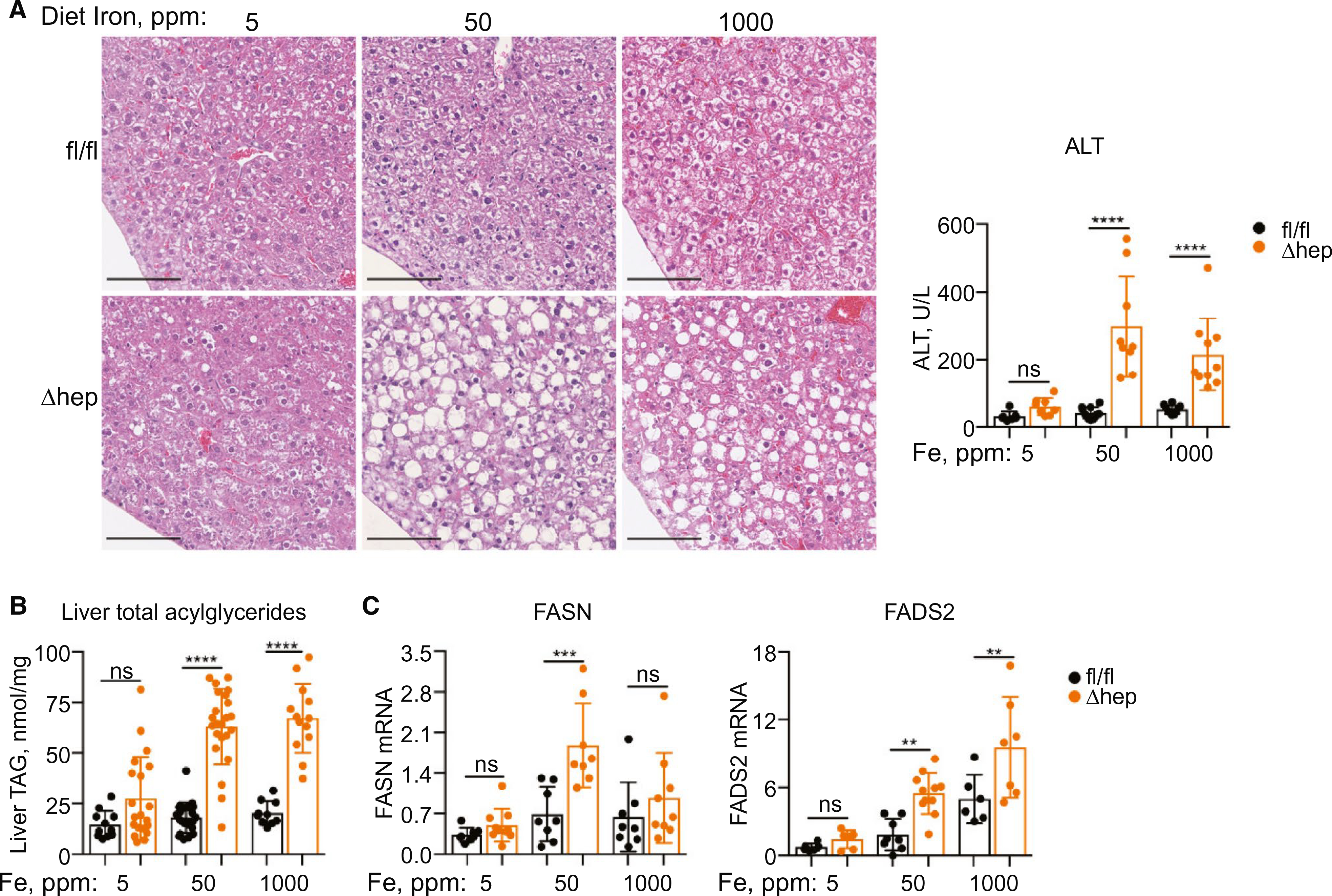
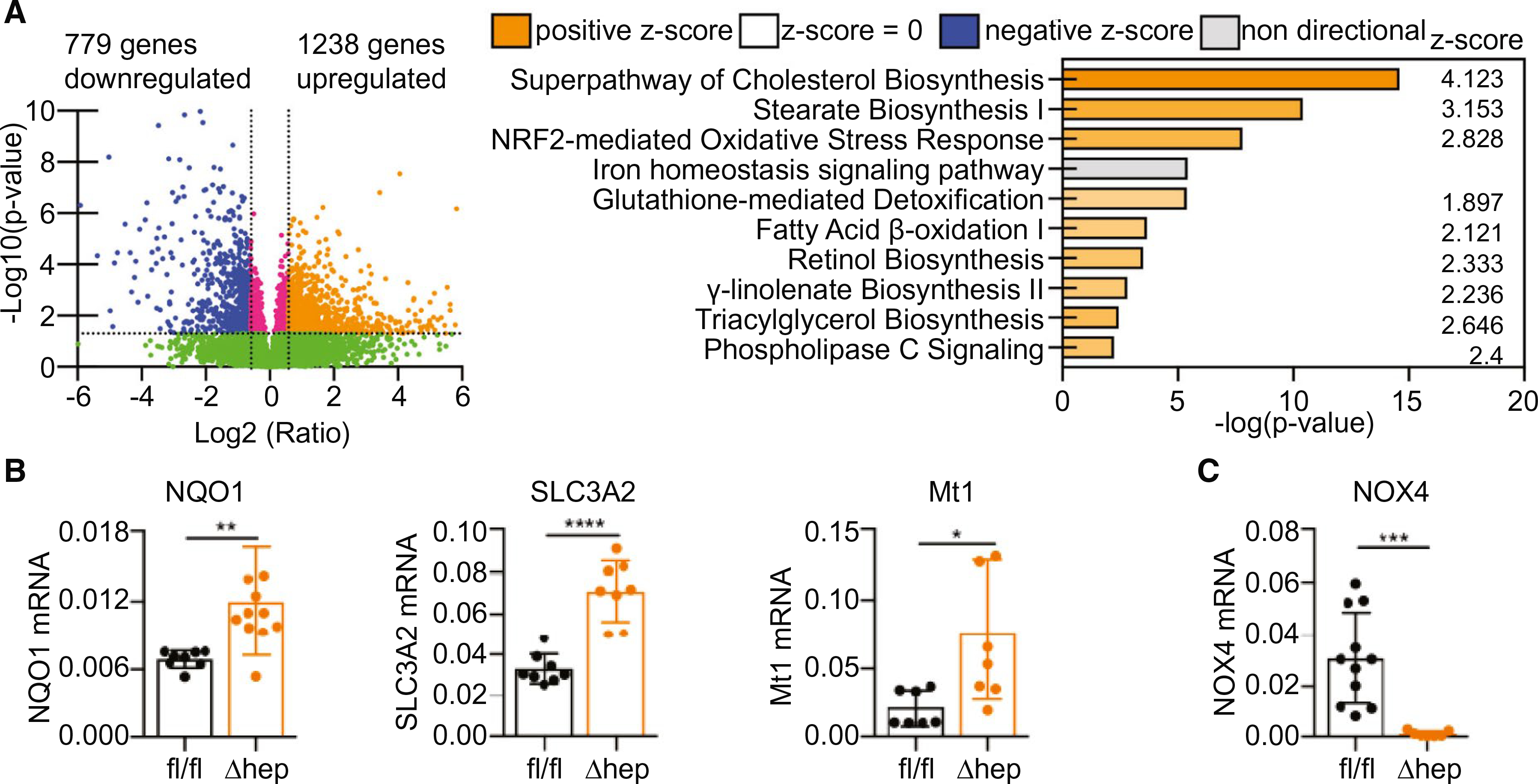
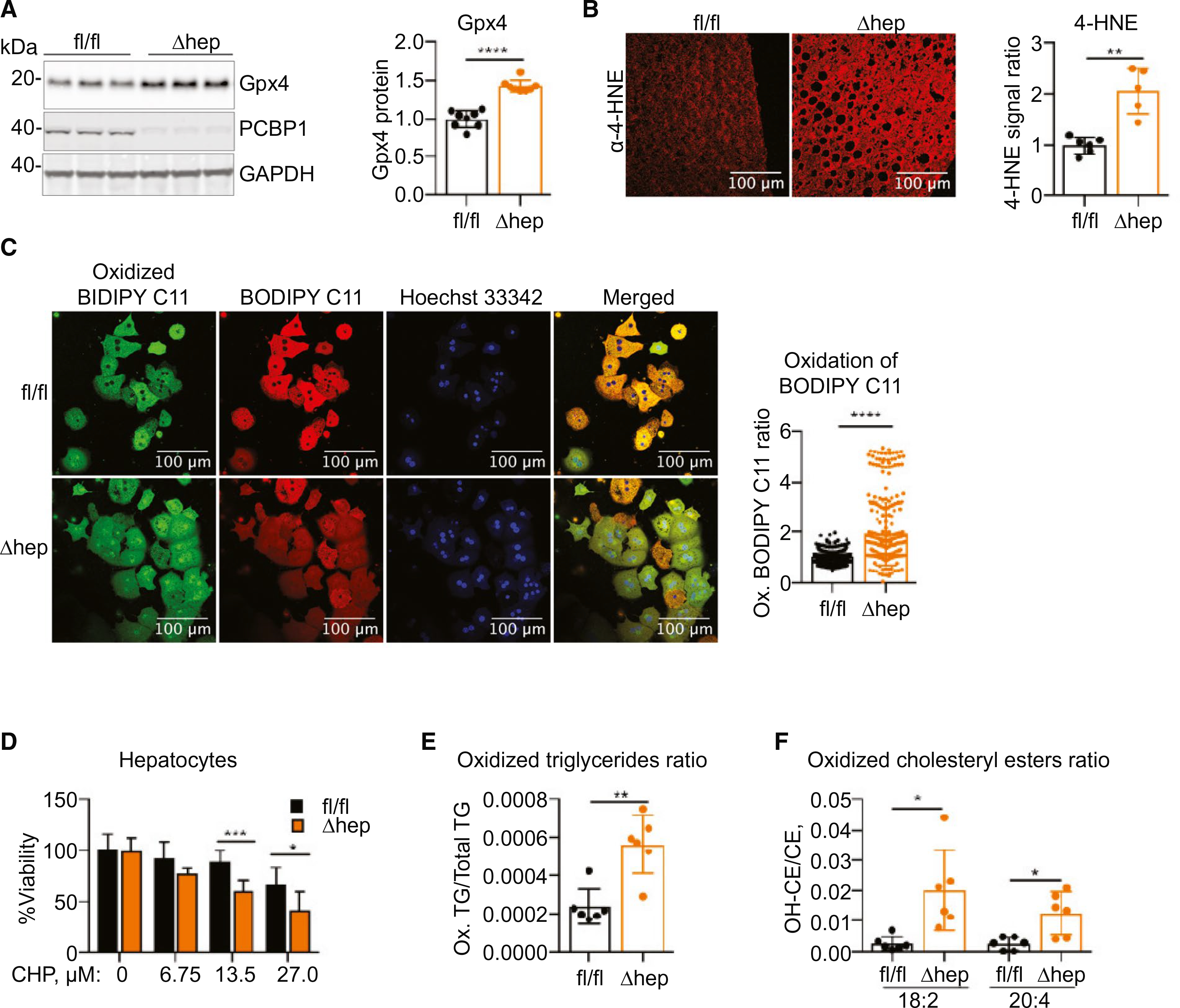
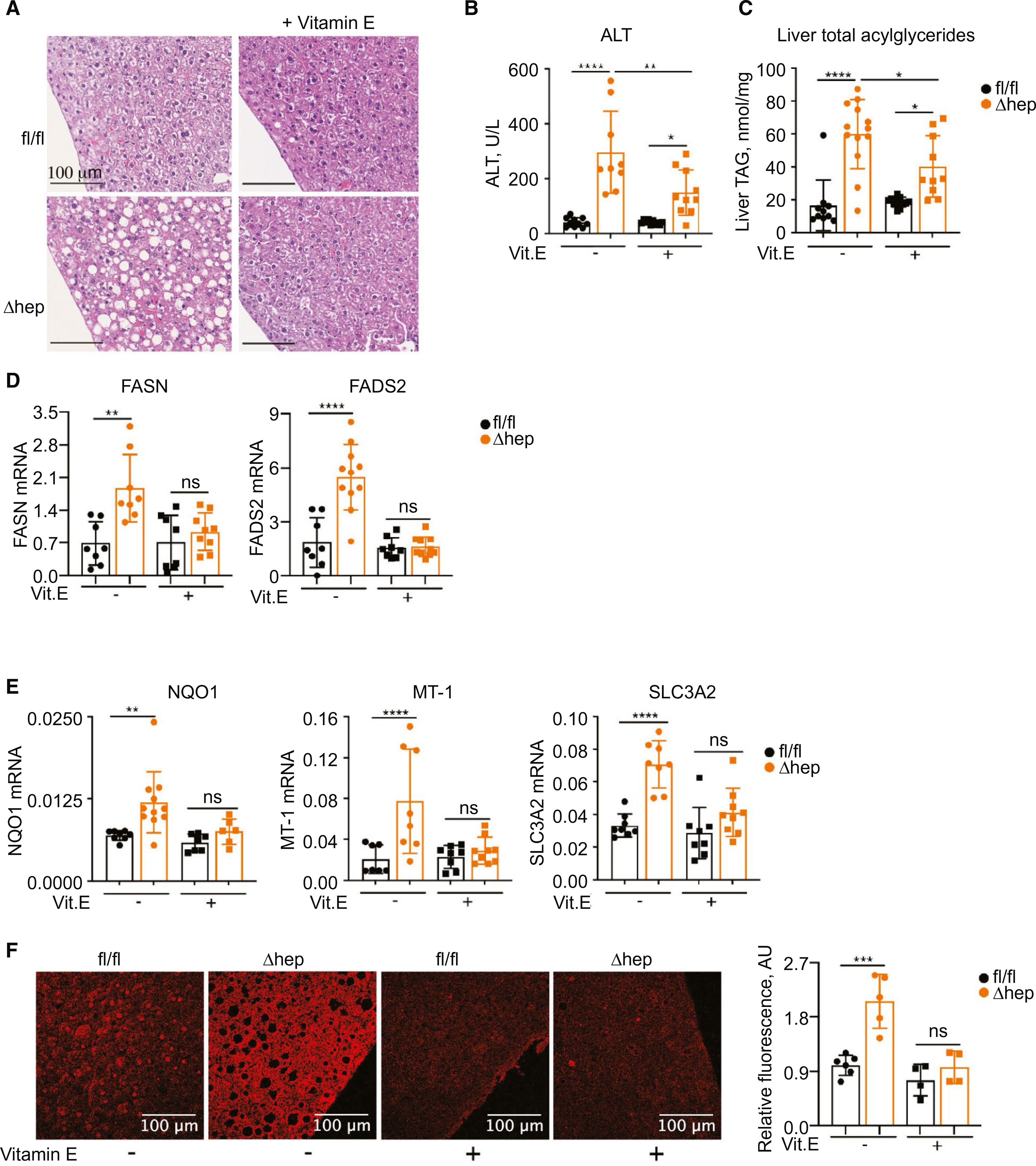
Mice lacking PCBP1 in hepatocytes exhibited defects in liver iron homeostasis with low levels of liver iron, reduced activity of iron enzymes, and misregulation of the cell-autonomous iron regulatory system. These mice spontaneously developed liver disease with hepatic steatosis, inflammation, and degeneration. Transcriptome analysis indicated activation of lipid biosynthetic and oxidative-stress response pathways, including the antiferroptotic mediator, glutathione peroxidase type 4. Although PCBP1-deleted livers were iron deficient, dietary iron supplementation did not prevent steatosis; instead, dietary iron restriction and antioxidant therapy with vitamin E prevented liver disease. PCBP1-deleted hepatocytes exhibited increased labile iron and production of reactive oxygen species (ROS), were hypersensitive to iron and pro-oxidants, and accumulated oxidatively damaged lipids because of the reactivity of unchaperoned iron.
Unchaperoned iron in PCBP1-deleted mouse hepatocytes leads to production of ROS, resulting in lipid peroxidation (LPO) and steatosis in the absence of iron overload. The iron chaperone activity of PCBP1 is therefore critical for limiting the toxicity of cytosolic iron and may be a key factor in preventing the LPO that triggers the ferroptotic cell-death pathway.
铁是生命所必需的,但同时也具有很高的化学反应活性和潜在的毒性。细胞安全利用铁的机制尚不清楚;铁代谢缺陷是细胞死亡途径(即铁死亡)的一个致病因素。多聚 rC 结合蛋白 1(PCBP1)是一种多功能蛋白,作为细胞质铁伴侣蛋白,在哺乳动物细胞中结合并将铁传递给受体蛋白。虽然 PCBP1 在细胞内分配铁,但它在哺乳动物组织中管理铁的作用仍有待研究。肝脏是专门用于铁摄取、利用、储存和分泌的器官。
肝细胞中缺乏 PCBP1 的小鼠表现出肝脏铁稳态缺陷,肝铁含量低,铁酶活性降低,细胞自主铁调节系统失调。这些小鼠自发发生肝脏疾病,伴有肝脂肪变性、炎症和变性。转录组分析表明,脂质生物合成和氧化应激反应途径被激活,包括抗铁死亡介质谷胱甘肽过氧化物酶 4。尽管 PCBP1 缺失的肝脏缺铁,但饮食中铁的补充并不能预防脂肪变性;相反,饮食中铁限制和维生素 E 的抗氧化治疗可以预防肝脏疾病。PCBP1 缺失的肝细胞表现出不稳定铁的增加和活性氧(ROS)的产生,对铁和促氧化剂敏感,并且由于无伴侣铁的反应性而积累氧化损伤的脂质。
PCBP1 缺失的小鼠肝细胞中未被伴侣蛋白结合的铁导致 ROS 的产生,从而导致在没有铁过载的情况下发生脂质过氧化(LPO)和脂肪变性。因此,PCBP1 的铁伴侣活性对于限制细胞质铁的毒性至关重要,并且可能是防止触发铁死亡细胞死亡途径的 LPO 的关键因素。