Genetics and Metabolism Section, NIDDK, NIH, Bethesda, MD, USA.
Dept. of Biochemistry, University of Utah School of Medicine, Salt Lake City, UT, USA.
Free Radic Biol Med. 2021 Nov 1;175:18-27. doi: 10.1016/j.freeradbiomed.2021.08.232. Epub 2021 Aug 26.
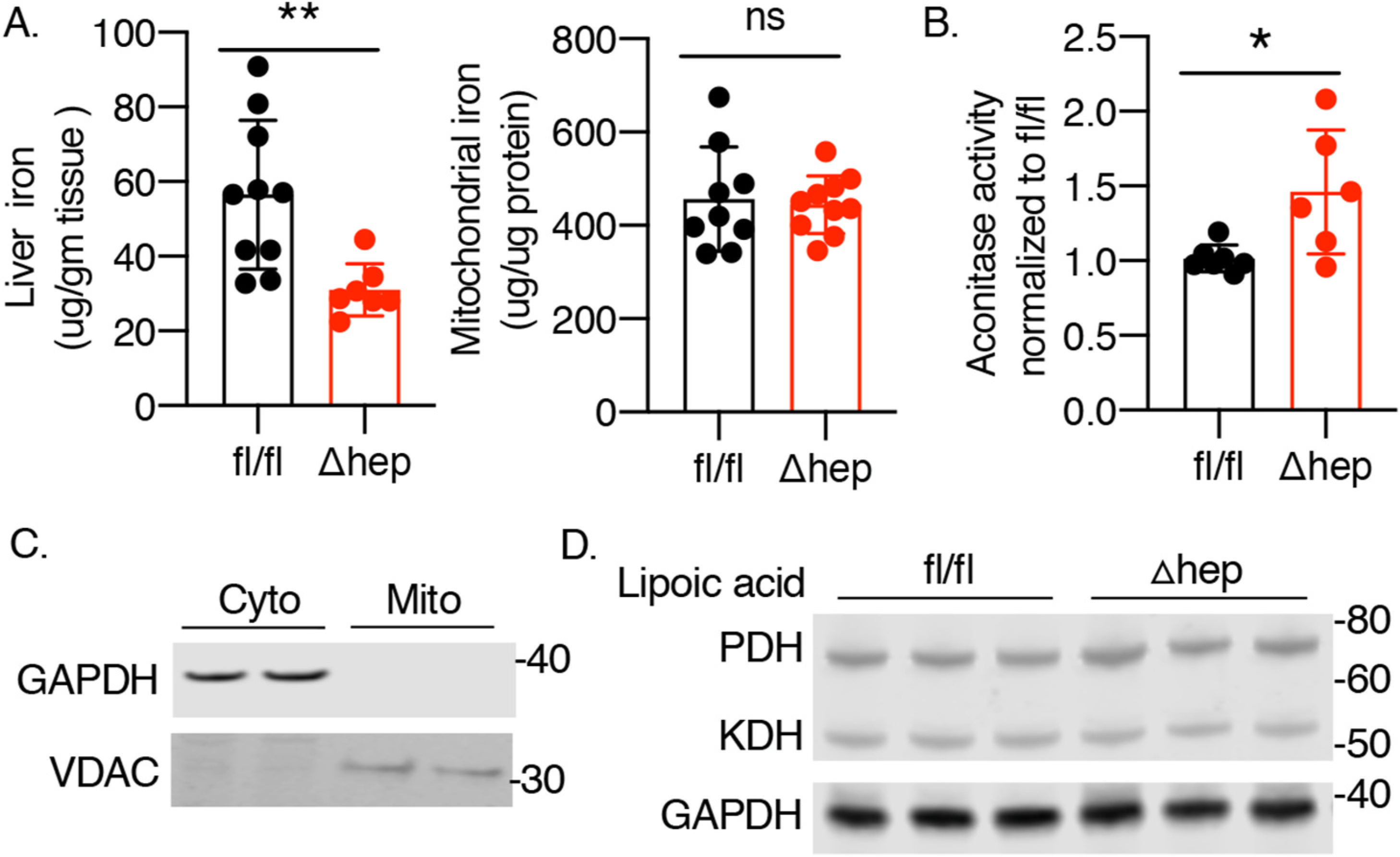
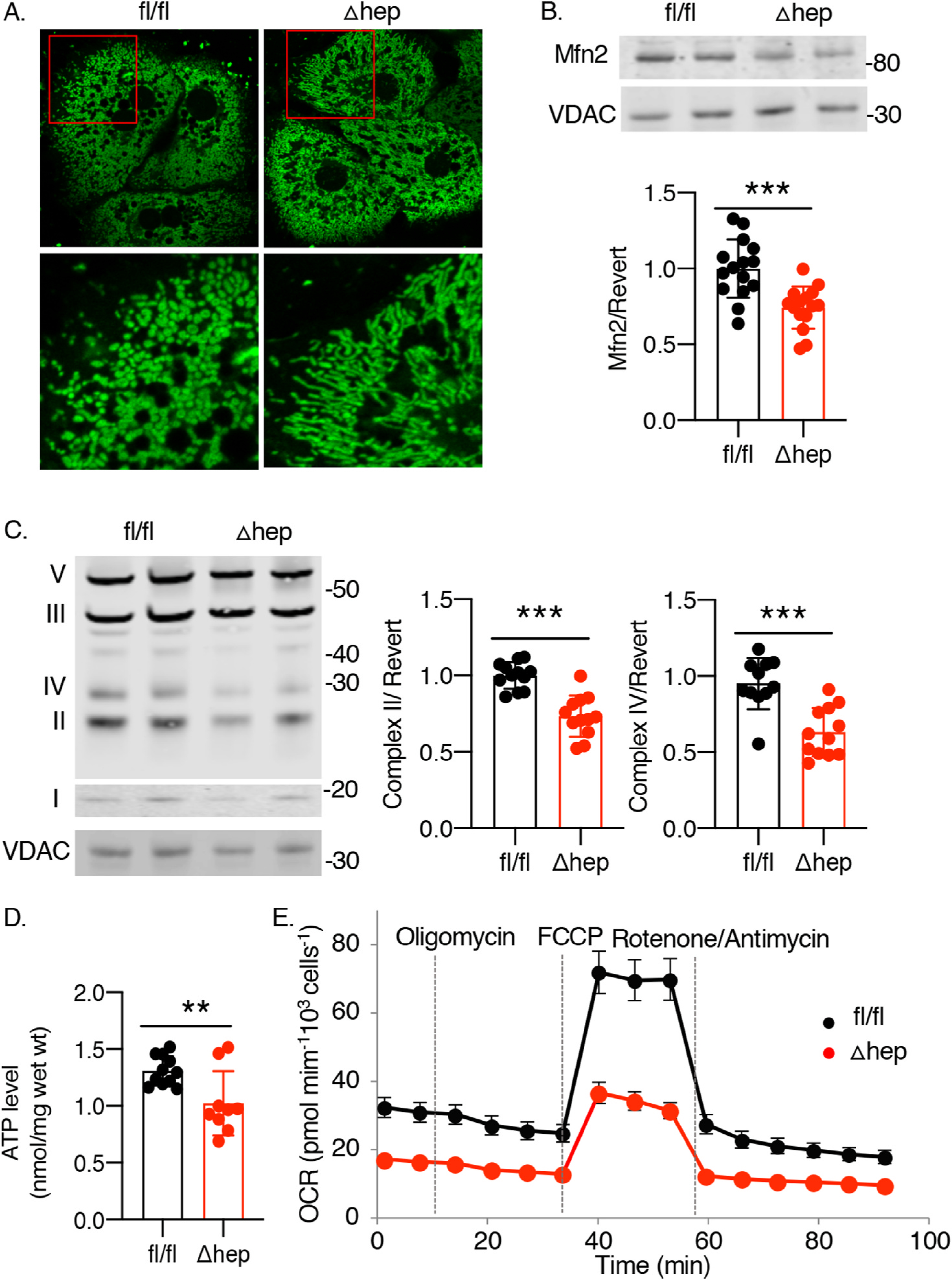
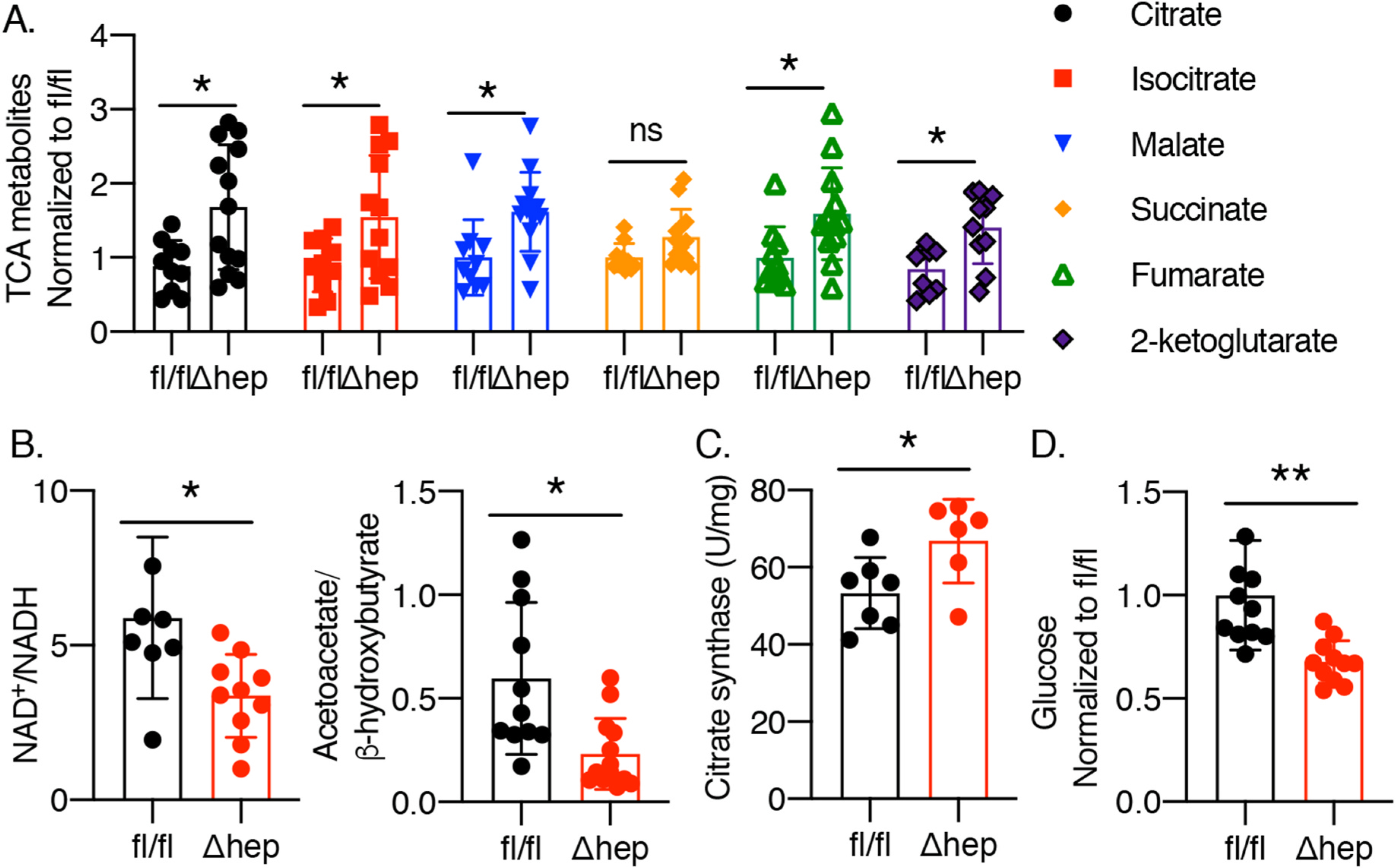
Iron is an essential nutrient that forms cofactors required for the activity of hundreds of cellular proteins. However, iron can be toxic and must be precisely managed. Poly r(C) binding protein 1 (PCBP1) is an essential, multifunctional protein that binds both iron and nucleic acids, regulating the fate of both. As an iron chaperone, PCBP1 binds cytosolic iron and delivers it to iron enzymes for activation and to ferritin for storage. Mice deleted for PCBP1 in the liver exhibit dysregulated iron balance, with lower levels of liver iron stores and iron enzymes, but higher levels of chemically-reactive iron. Unchaperoned iron triggers the formation of reactive oxygen species, leading to lipid peroxidation and ferroptotic cell death. Hepatic PCBP1 deletion produces chronic liver disease in mice, with steatosis, triglyceride accumulation, and elevated plasma ALT levels. Human and mouse models of fatty liver disease are associated with mitochondrial dysfunction. Here we show that, although deletion of PCBP1 does not affect mitochondrial iron balance, it does affect mitochondrial function. PCBP1 deletion affected mitochondrial morphology and reduced levels of respiratory complexes II and IV, oxygen consumption, and ATP production. Depletion of mitochondrial lipids cardiolipin and coenzyme Q, along with reduction of mitochondrial oxygen consumption, were the first manifestations of mitochondrial dysfunction. Although dietary supplementation with vitamin E ameliorated the liver disease in mice with hepatic PCBP1 deletion, supplementation with coenzyme Q was required to fully restore mitochondrial lipids and function. In conclusion, our studies indicate that mitochondrial function can be restored in livers subjected to ongoing oxidative damage from unchaperoned iron by supplementation with coenzyme Q, a mitochondrial lipid essential for respiration that also functions as a lipophilic radical-trapping agent.
铁是一种必需的营养物质,它形成了数百种细胞蛋白活性所需的辅助因子。然而,铁可能有毒,必须精确管理。多聚(C)结合蛋白 1(PCBP1)是一种必需的多功能蛋白,它既能结合铁又能结合核酸,调节两者的命运。作为一种铁伴侣蛋白,PCBP1 结合细胞质铁,并将其递送给铁酶以激活,递送给铁蛋白以储存。肝脏中 PCBP1 缺失的小鼠表现出铁平衡失调,肝铁储存和铁酶水平降低,但化学反应性铁水平升高。未被伴侣蛋白结合的铁会引发活性氧的形成,导致脂质过氧化和铁死亡。肝 PCBP1 缺失会导致小鼠慢性肝病,出现脂肪变性、甘油三酯积累和血浆 ALT 水平升高。人类和小鼠的脂肪性肝病模型与线粒体功能障碍有关。在这里,我们表明,尽管 PCBP1 的缺失不影响线粒体铁平衡,但它确实影响线粒体功能。PCBP1 缺失影响线粒体形态,降低呼吸复合物 II 和 IV、耗氧量和 ATP 产生水平。线粒体脂质心磷脂和辅酶 Q 的耗竭以及线粒体耗氧量的减少是线粒体功能障碍的最初表现。尽管用维生素 E 饮食补充可以改善肝脏中 PCBP1 缺失的小鼠的肝病,但需要补充辅酶 Q 才能完全恢复线粒体脂质和功能。总之,我们的研究表明,通过补充辅酶 Q,可以恢复因未被伴侣蛋白结合的铁引起的持续氧化损伤的肝脏中的线粒体功能,辅酶 Q 是一种必需的呼吸线粒体脂质,它也作为亲脂性自由基捕获剂发挥作用。