Wang Yanping, Luo Peng, Guo Ting, Zou Lin, Shi Jing, Chen Pu
Medicine (Baltimore). 2020 May;99(20):e20192. doi: 10.1097/MD.0000000000020192.
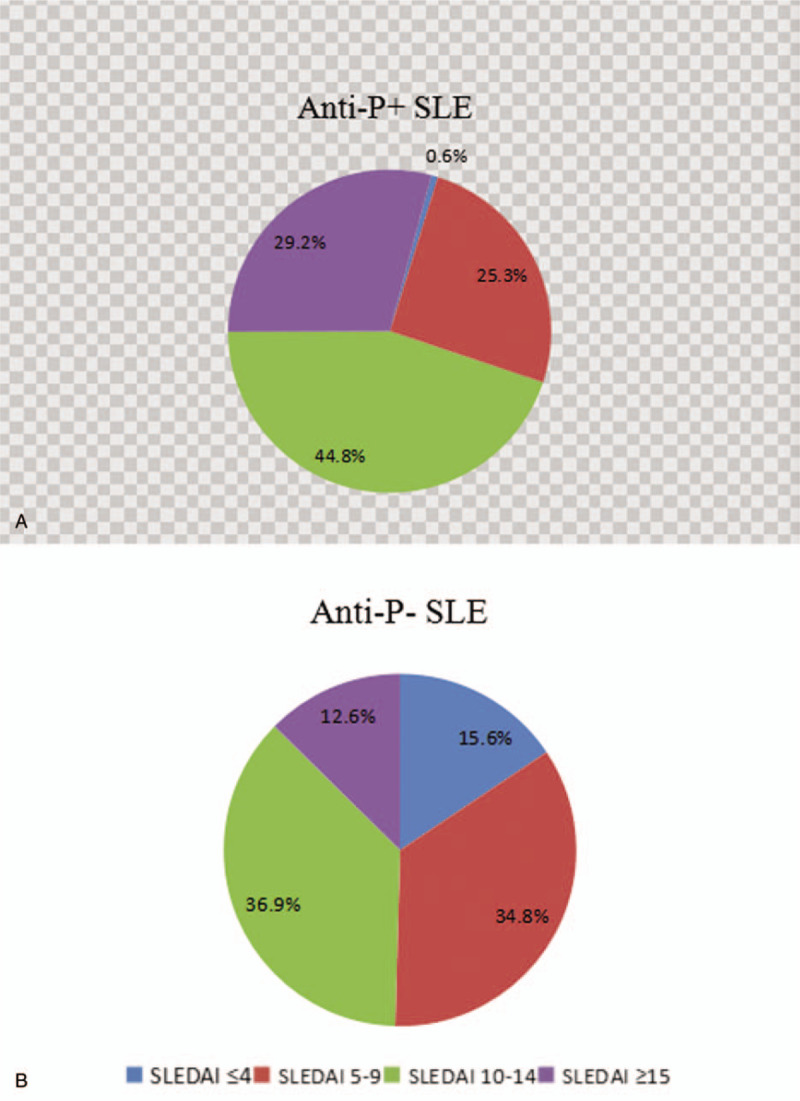
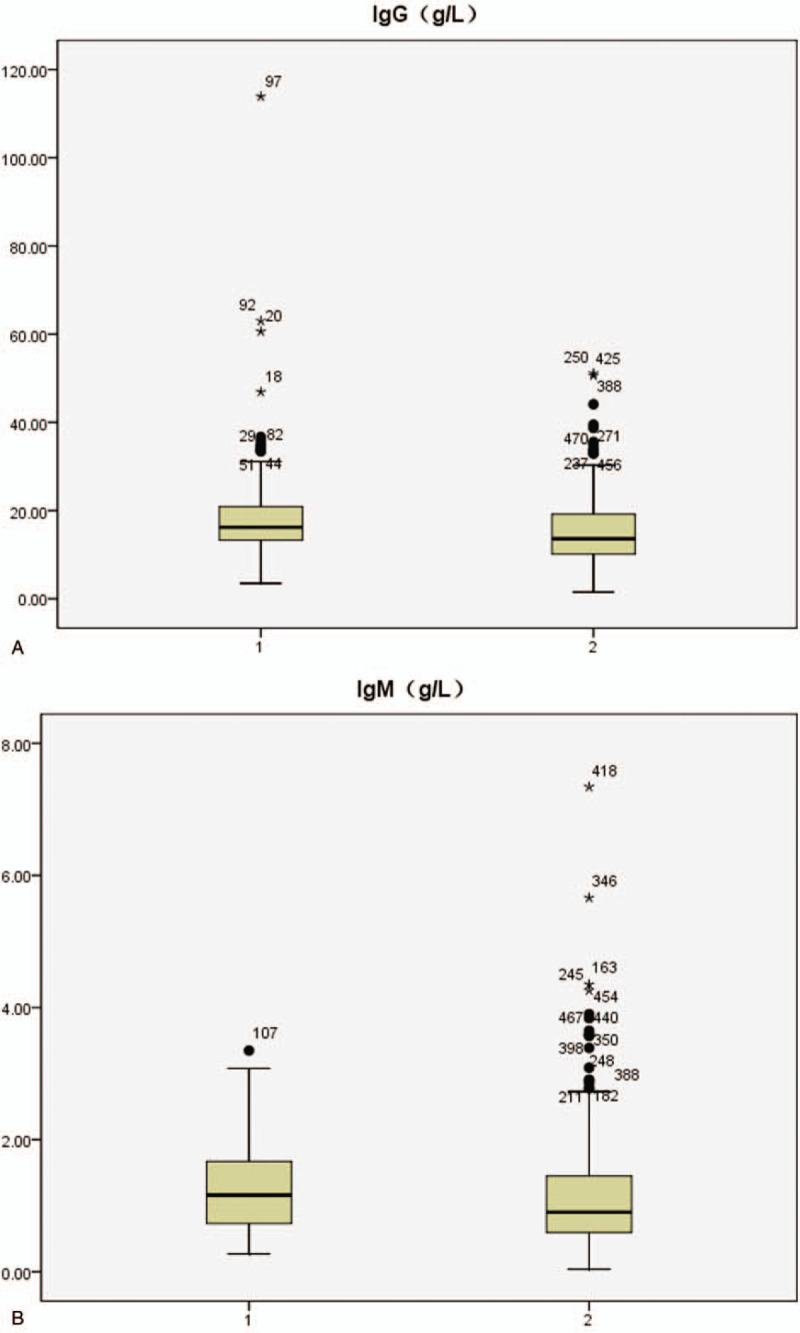
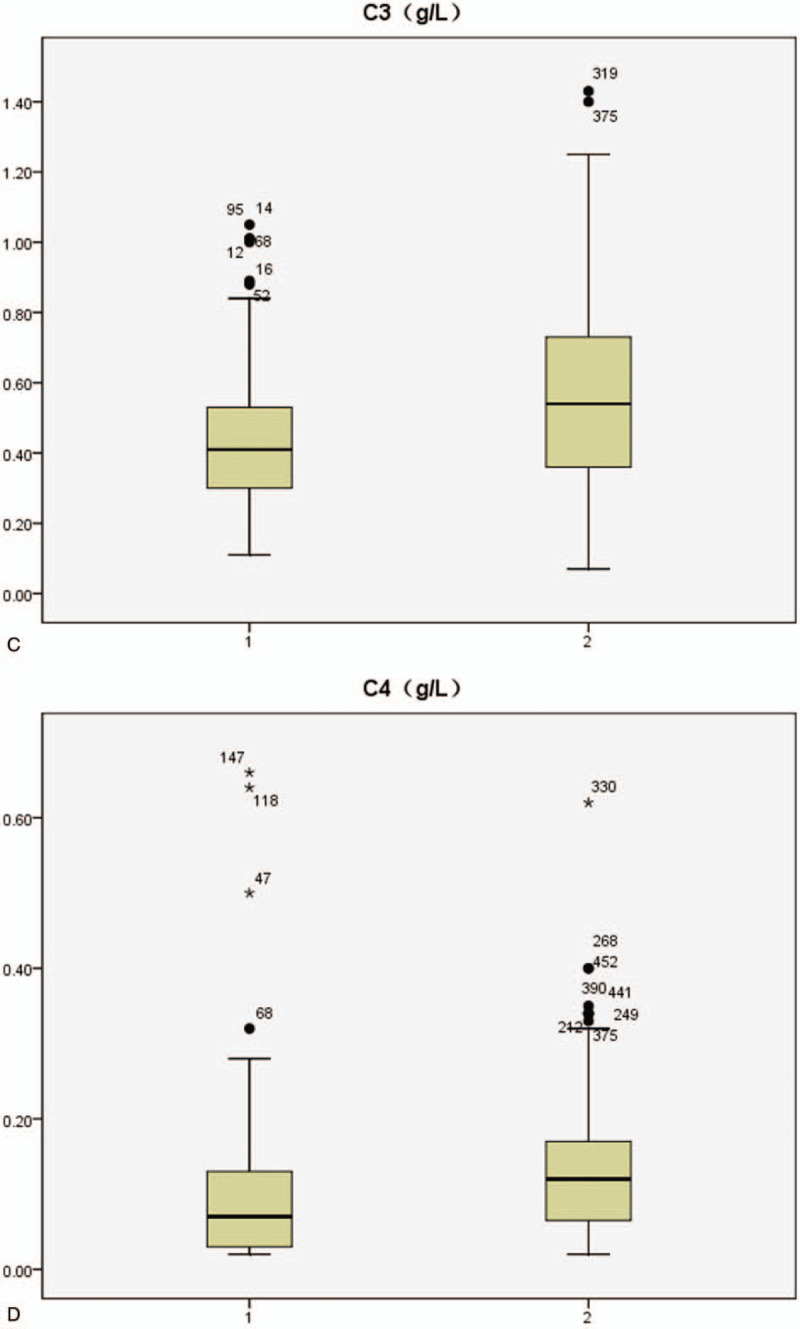
The aims of this study were to compare diagnostic value of anti-ribosomal P protein antibody (anti-P), anti-Smith antibody (anti-Sm), anti-double-stranded DNA antibody (anti-dsDNA), anti-nucleosome antibody (ANuA), and anti-histone antibody (AHA) for systemic lupus erythematosus (SLE) as well as explore the correlation between anti-P and SLE.A retrospective study was performed with 487 SLE patients, 235 non-SLE rheumatic diseases, and 124 healthy subjects from January 2015 to December 2018. Clinical manifestations, laboratory results and Systemic Lupus Erythematosus Disease Activity Index (SLEDAI)-2000 scores were analyzed between anti-P/+/ and anti-P/-/ patients. SPSS19.0 statistical software was used for data analysis.The sensitivities of anti-P, anti-Sm, anti-dsDNA, ANuA, and AHA in SLE were 31.6%, 20.7%, 45.0%, 27.9%, and 14.6%, and the specificities were 99.2%, 99.4%, 98.9%, 98.3%, and 96.7%, respectively. Only 27.9% of SLE had a single positive anti-P while the other 4 antibodies were all negative. There were significant differences in the age of onset, skin erythema, urinary protein, creatinine and serum IgG, IgM, C3, C4 between anti-P/+/ and anti-P/-/ patients (P < .05). When anti-Sjogren syndrome A antibody, anti-P were positive and anti-dsDNA was negative, the incidence of skin erythema was the highest (35.1%). Compared with anti-P/-/ patients, anti-P/+/ patients had higher SLEDAI scores (P < .001).Anti-P, anti-Sm, anti-dsDNA, ANuA, and AHA have high specificity but poor sensitivity in the diagnosis of SLE; combined detection can greatly improve the detection rate. Anti-P is more valuable in the diagnosis of SLE when other specific autoantibodies are negative. SLE patients with positive anti-P have an earlier onset age and are more prone to skin erythema, lupus nephritis as well as higher disease activity.
本研究旨在比较抗核糖体P蛋白抗体(抗P)、抗史密斯抗体(抗Sm)、抗双链DNA抗体(抗dsDNA)、抗核小体抗体(ANuA)和抗组蛋白抗体(AHA)对系统性红斑狼疮(SLE)的诊断价值,并探讨抗P与SLE之间的相关性。对2015年1月至2018年12月期间的487例SLE患者、235例非SLE风湿性疾病患者和124例健康受试者进行了一项回顾性研究。分析了抗P阳性和抗P阴性患者之间的临床表现、实验室检查结果以及系统性红斑狼疮疾病活动指数(SLEDAI)-2000评分。使用SPSS19.0统计软件进行数据分析。抗P、抗Sm、抗dsDNA、ANuA和AHA在SLE中的敏感性分别为31.6%、20.7%、45.0%、27.9%和14.6%,特异性分别为99.2%、99.4%、98.9%、98.3%和96.7%。仅27.9%的SLE患者抗P单项阳性,而其他4种抗体均为阴性。抗P阳性和抗P阴性患者在发病年龄、皮肤红斑、尿蛋白、肌酐以及血清IgG、IgM、C3、C4方面存在显著差异(P<0.05)。当抗干燥综合征A抗体、抗P阳性且抗dsDNA阴性时,皮肤红斑的发生率最高(35.1%)。与抗P阴性患者相比,抗P阳性患者的SLEDAI评分更高(P<0.001)。抗P、抗Sm、抗dsDNA、ANuA和AHA在SLE诊断中具有高特异性但低敏感性;联合检测可大大提高检出率。当其他特异性自身抗体为阴性时,抗P在SLE诊断中更具价值。抗P阳性的SLE患者发病年龄较早,更容易出现皮肤红斑、狼疮性肾炎,且疾病活动度更高。