Sguizzato Maddalena, Mariani Paolo, Ferrara Francesca, Drechsler Markus, Hallan Supandeep Singh, Huang Nicolas, Simelière Fanny, Khunti Nikul, Cortesi Rita, Marchetti Nicola, Valacchi Giuseppe, Esposito Elisabetta
Department of Chemical and Pharmaceutical Sciences, University of Ferrara, I-44121 Ferrara, Italy.
Department of Life and Environmental Sciences, Polytechnic University of Marche, I-60131 Ancona, Italy.
Nanomaterials (Basel). 2020 May 18;10(5):961. doi: 10.3390/nano10050961.
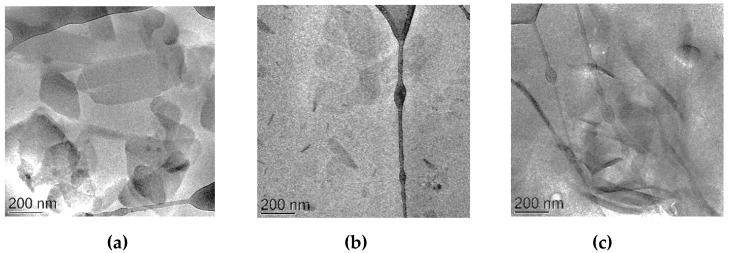
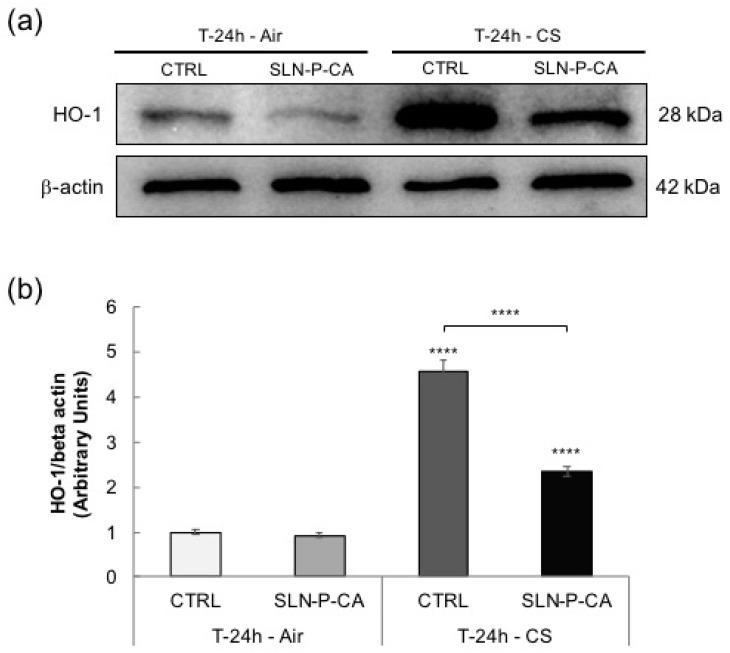
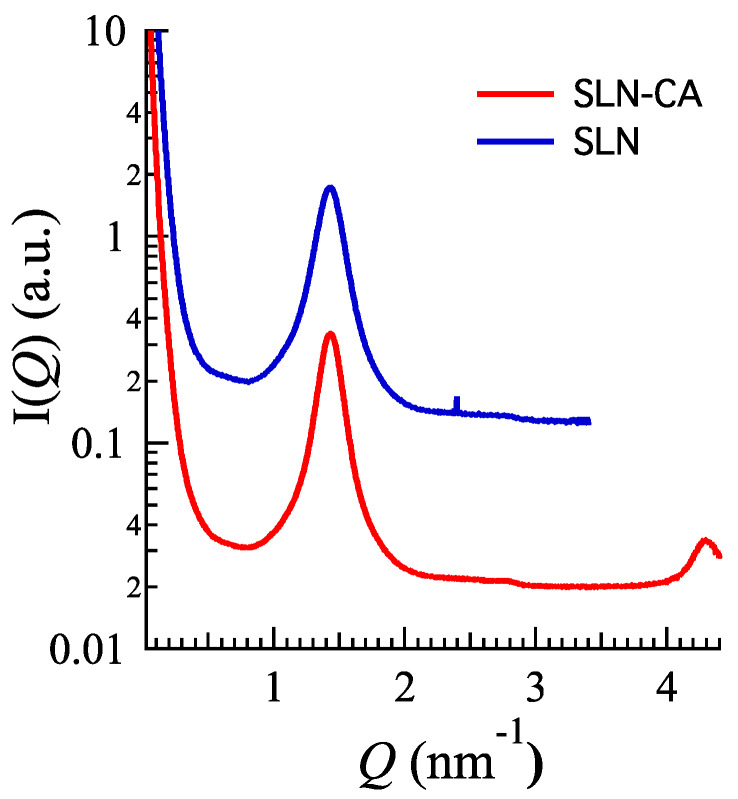
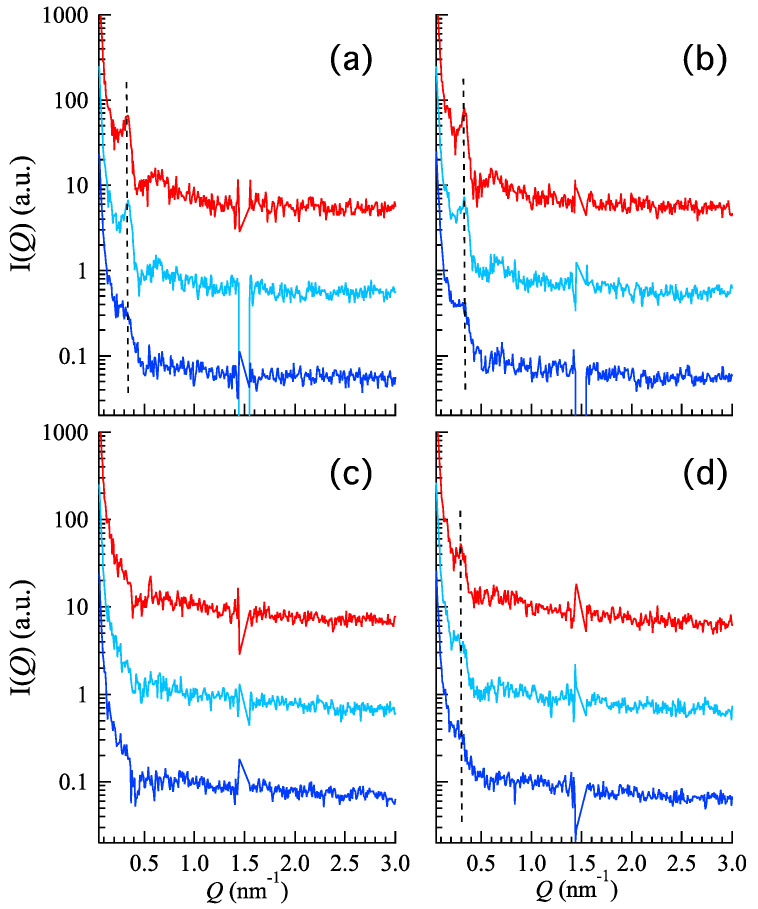
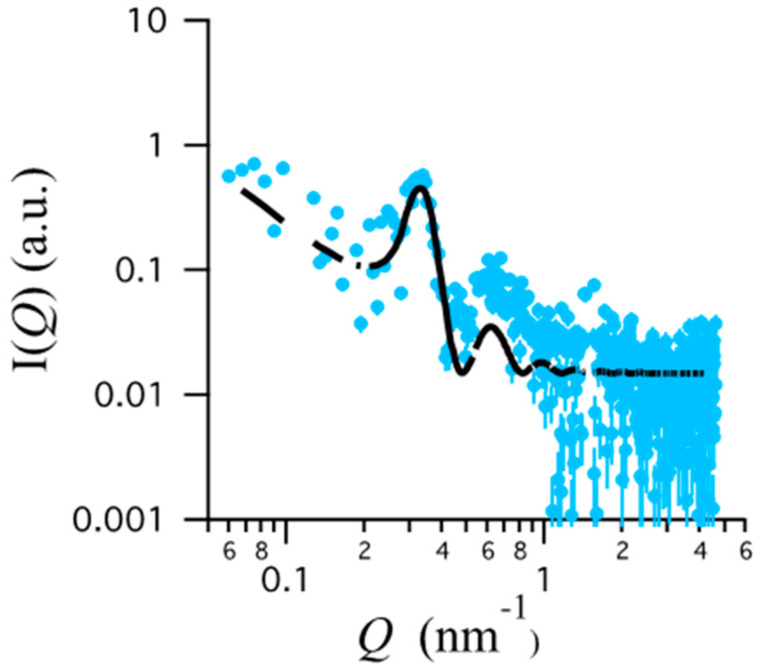
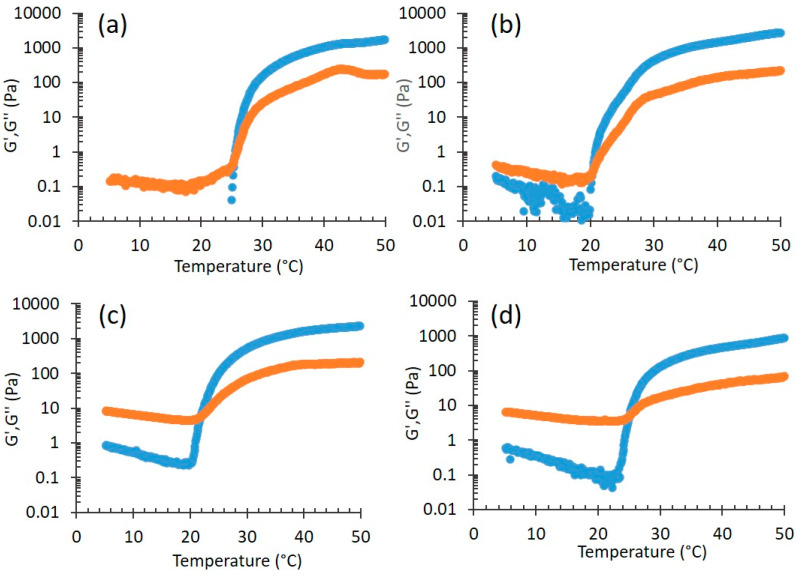
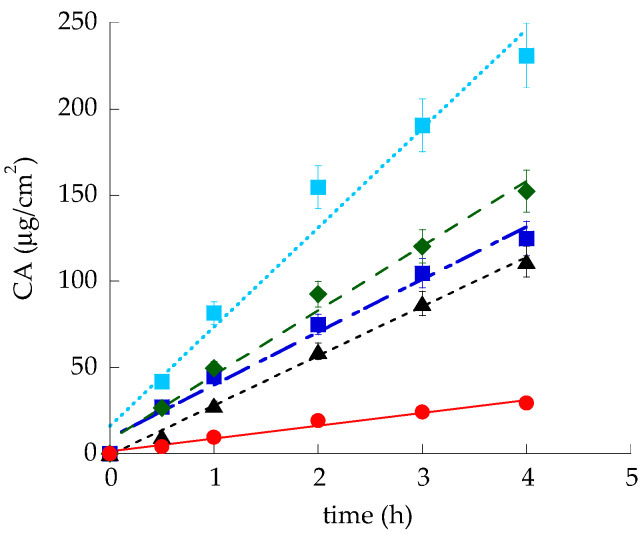
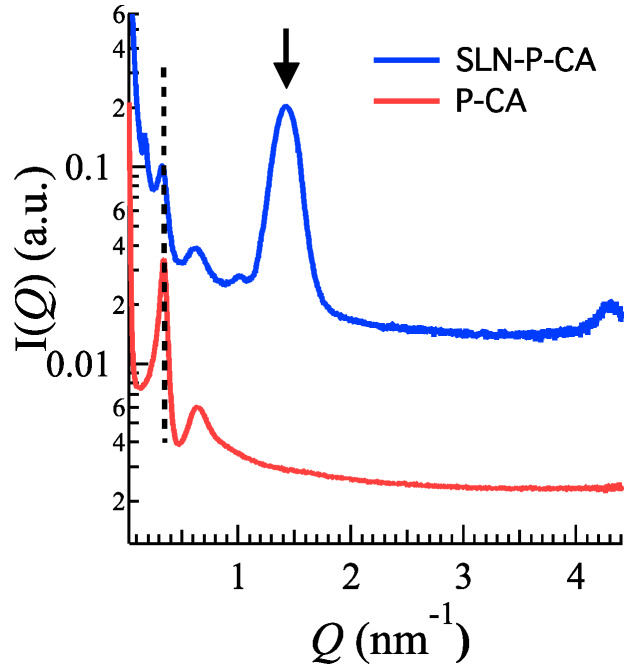
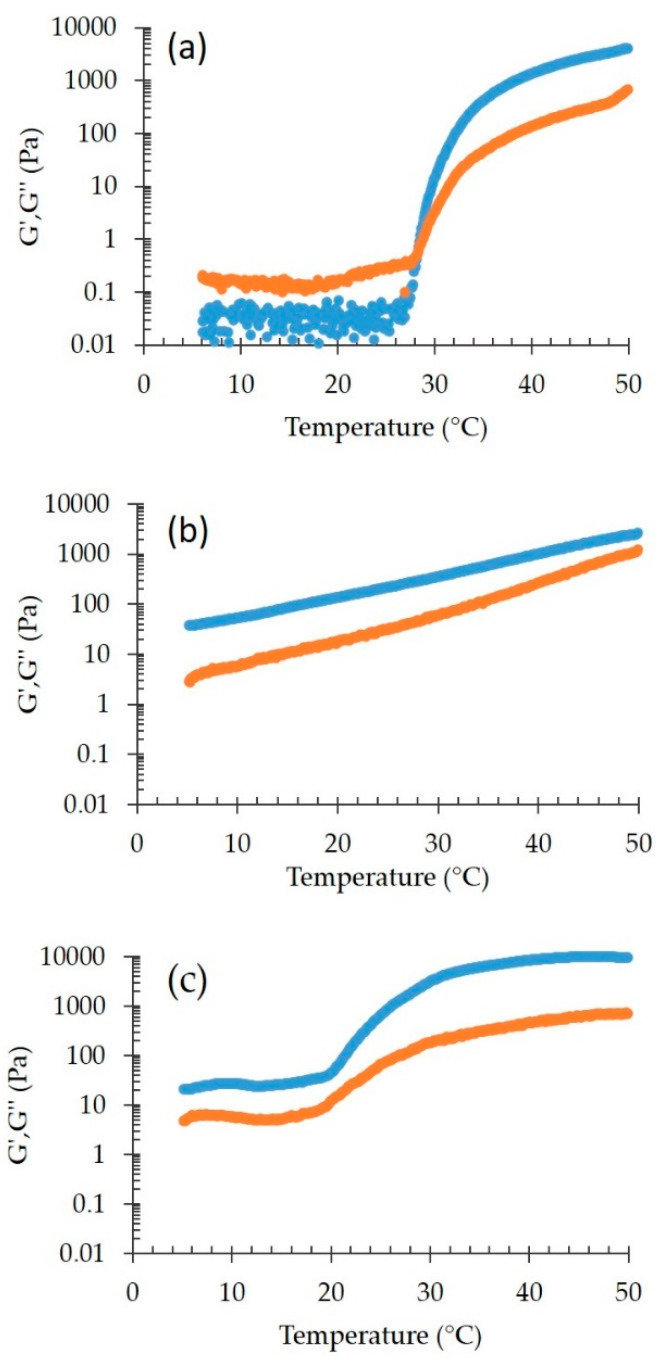
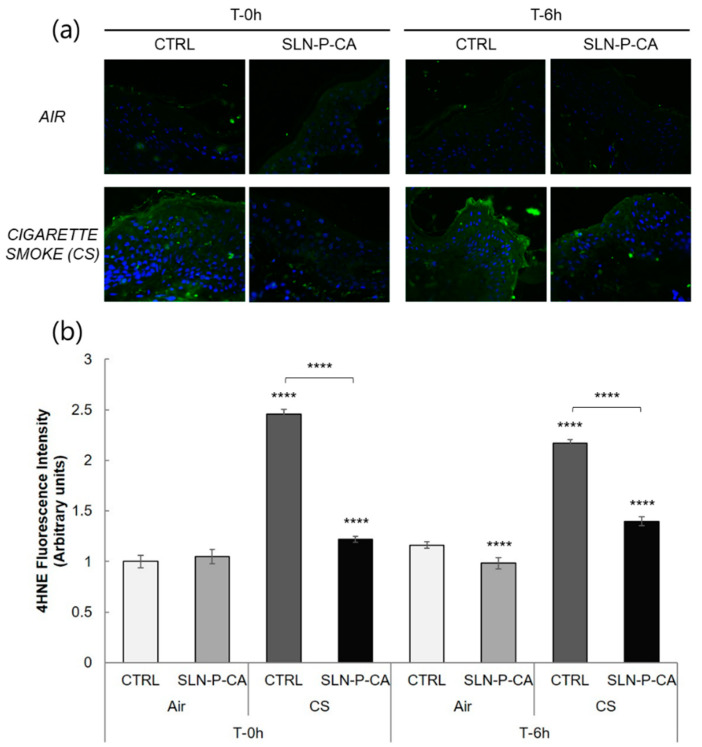
Caffeic acid is a natural antioxidant, largely distributed in plant tissues and food sources, possessing anti-inflammatory, antimicrobial, and anticarcinogenic properties. The object of this investigation was the development of a formulation for caffeic acid cutaneous administration. To this aim, caffeic acid has been loaded in solid lipid nanoparticles by hot homogenization and ultrasonication, obtaining aqueous dispersions with high drug encapsulation efficiency and 200 nm mean dimension, as assessed by photon correlation spectroscopy. With the aim to improve the consistence of the aqueous nanodispersions, different types of polymers have been considered. Particularly, poloxamer 407 and hyaluronic acid gels containing caffeic acid have been produced and characterized by X-ray and rheological analyses. A Franz cell study enabled to select poloxamer 407, being able to better control caffeic acid diffusion. Thus, a nanoparticulate gel has been produced by addition of poloxamer 407 to nanoparticle dispersions. Notably, caffeic acid diffusion from nanoparticulate gel was eight-fold slower with respect to the aqueous solution. In addition, the spreadability of nanoparticulate gel was suitable for cutaneous administration. Finally, the antioxidant effect of caffeic acid loaded in nanoparticulate gel has been demonstrated by ex-vivo evaluation on human skin explants exposed to cigarette smoke, suggesting a protective role exerted by the nanoparticles.
咖啡酸是一种天然抗氧化剂,广泛分布于植物组织和食物来源中,具有抗炎、抗菌和抗癌特性。本研究的目的是开发一种用于咖啡酸皮肤给药的制剂。为此,通过热均质化和超声处理将咖啡酸负载于固体脂质纳米粒中,通过光子相关光谱法评估,得到了具有高药物包封效率且平均粒径为200 nm的水分散体。为了改善水性纳米分散体的稠度,考虑了不同类型的聚合物。特别是,制备了含咖啡酸的泊洛沙姆407和透明质酸凝胶,并通过X射线和流变学分析对其进行了表征。一项Franz扩散池研究使得能够选择泊洛沙姆407,它能够更好地控制咖啡酸的扩散。因此,通过向纳米粒分散体中添加泊洛沙姆407制备了一种纳米颗粒凝胶。值得注意的是,与水溶液相比,纳米颗粒凝胶中咖啡酸的扩散速度慢八倍。此外,纳米颗粒凝胶的铺展性适合皮肤给药。最后,通过对暴露于香烟烟雾的人皮肤外植体进行体外评估,证明了负载于纳米颗粒凝胶中的咖啡酸的抗氧化作用,表明纳米颗粒发挥了保护作用。