Shaheen Sameh, Awwad Omar, Shokry Khalid, Abdel-Hamid Magdy, El-Etriby Adel, Hasan-Ali Hosam, Shawky Islam, Magdy Ahmad, Nasr Gamila, Kabil Hamza, Elhadidy Amr, Zaki Mohamad, Hegab Ahmad
Faculty Of Medicine, Ain Shams University, Cairo, Egypt.
Faculty Of Medicine, Military Academy, Cairo, Egypt.
Egypt Heart J. 2020 May 27;72(1):30. doi: 10.1186/s43044-020-00061-5.
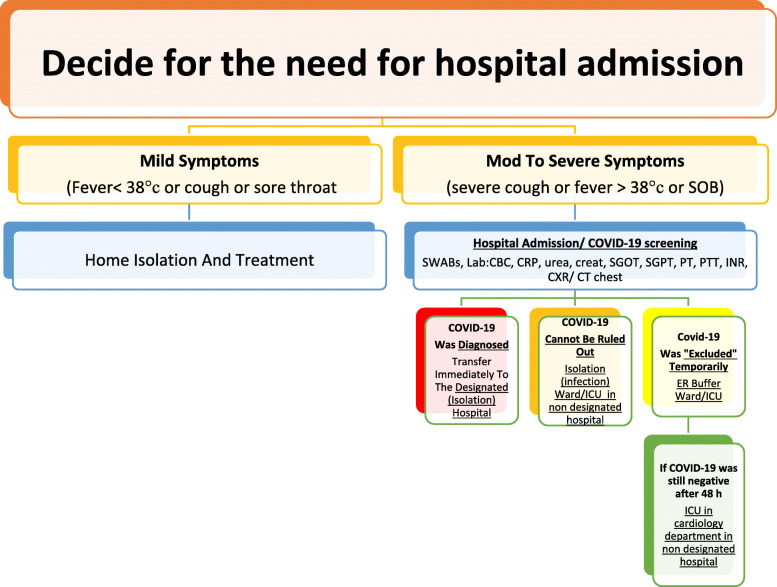
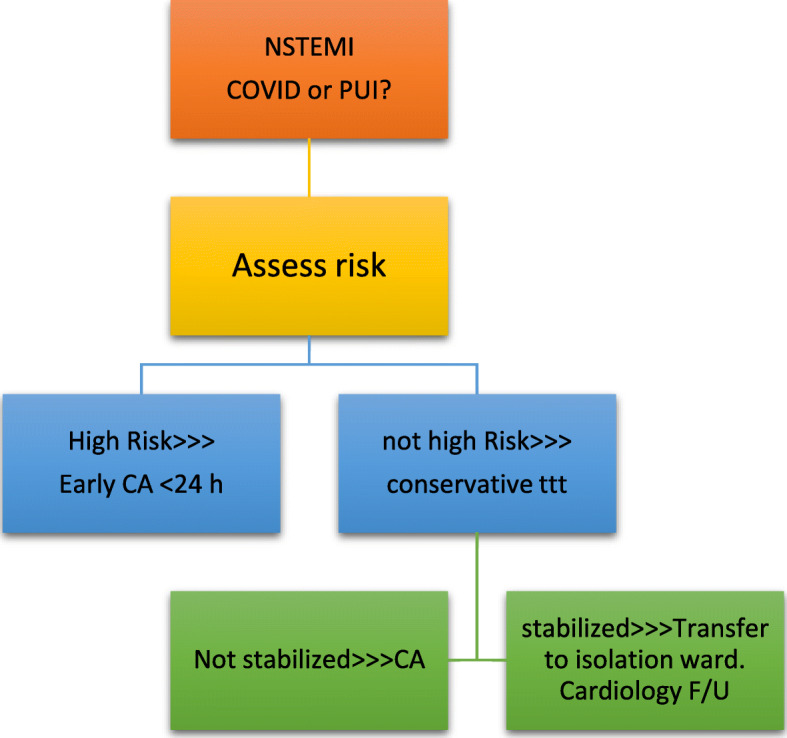
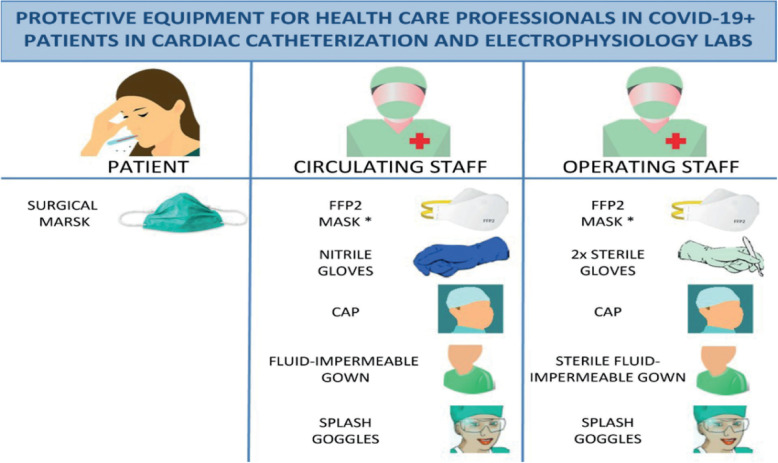
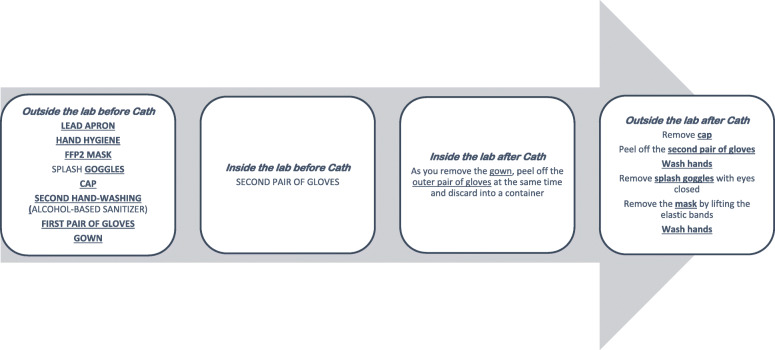
COVID-19 pandemic poses an enormous challenge to healthcare system in Egypt. This document is a position statement from the Egyptian Society of Cardiology. It aims to provide information to cardiovascular healthcare providers in Egypt to guarantee delivery of quality patient care and ensure adequate levels of protection against infection during the COVID-19 pandemic. Older patients and those with cardiovascular disease are at higher risk of mortality. The current situation requires unusual allocation of resources which may negatively impact the care of patients with cardiovascular disease. Cardiologists should be prepared in the COVID-19 pandemic. The challenge is in providing the best quality of care despite limited resources while keeping all medical staff as safe as possible. Consider deferring elective procedures whenever possible. All medical staff should undergo rigorous training on infection control and the use of high-quality personal protection equipment. Cardiologists should promote telemedicine in the outpatient setting, prioritize outpatient contacts, and avoid nosocomial dissemination of the virus to patients and healthcare providers. A much conservative approach for emergent cardiac patients is recommended, and invasive interventions are reserved for high risk hemodynamically unstable patients. During the pandemic, the most important principles of treatment should be controlling the spread of infection as the first priority, prompt assessment of patient risk, recommending conservative medical therapy rather than invasive interventions, and strict infection control measures to limit infection spread within the hospital and to healthcare workers.
新冠疫情给埃及的医疗系统带来了巨大挑战。本文档是埃及心脏病学会的一份立场声明。其目的是向埃及的心血管医疗服务提供者提供信息,以确保在新冠疫情期间提供高质量的患者护理,并确保足够的感染防护水平。老年患者和患有心血管疾病的患者死亡风险更高。当前形势需要对资源进行特殊分配,这可能会对心血管疾病患者的护理产生负面影响。心脏病专家应做好应对新冠疫情的准备。挑战在于在资源有限的情况下提供最高质量的护理,同时尽可能保障所有医护人员的安全。尽可能考虑推迟择期手术。所有医护人员都应接受关于感染控制和使用高质量个人防护装备的严格培训。心脏病专家应在门诊环境中推广远程医疗,优先安排门诊就诊,并避免病毒在医院内传播给患者和医护人员。对于急诊心脏病患者,建议采取更为保守的方法,侵入性干预仅适用于血流动力学不稳定的高危患者。在疫情期间,治疗的最重要原则应是将控制感染传播作为首要任务,迅速评估患者风险,推荐保守药物治疗而非侵入性干预,并采取严格的感染控制措施以限制病毒在医院内传播给医护人员。