Molecular Mycology Laboratory, Molecular Biology and Genetics Unit, Jawaharlal Nehru Centre for Advanced Scientific Research, Bangalore, India.
School of Biological Sciences, Nanyang Technological University, Singapore, Singapore.
Elife. 2020 May 29;9:e58556. doi: 10.7554/eLife.58556.
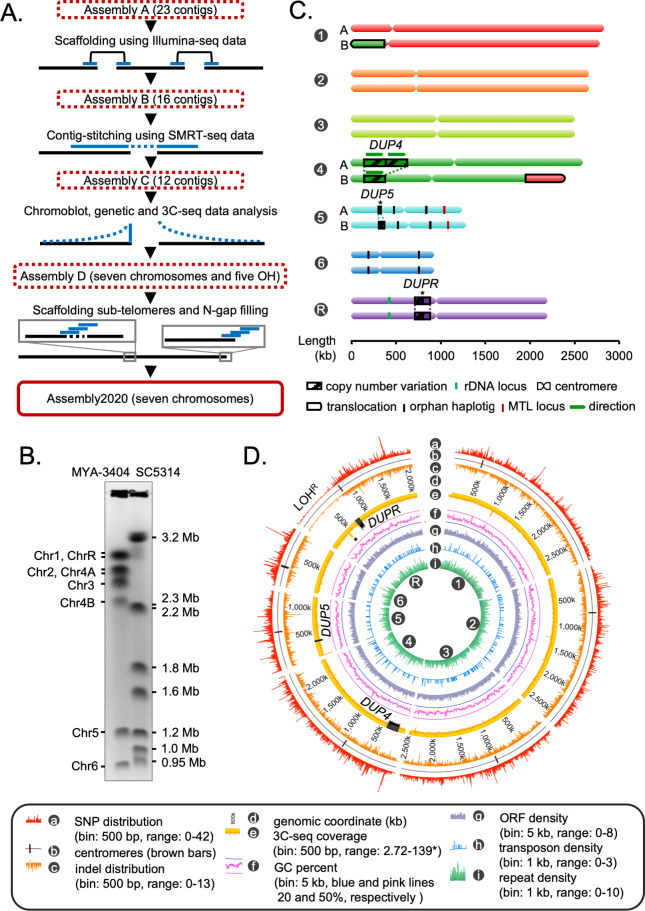
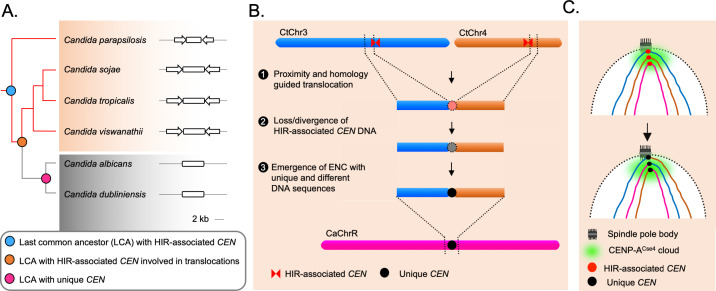
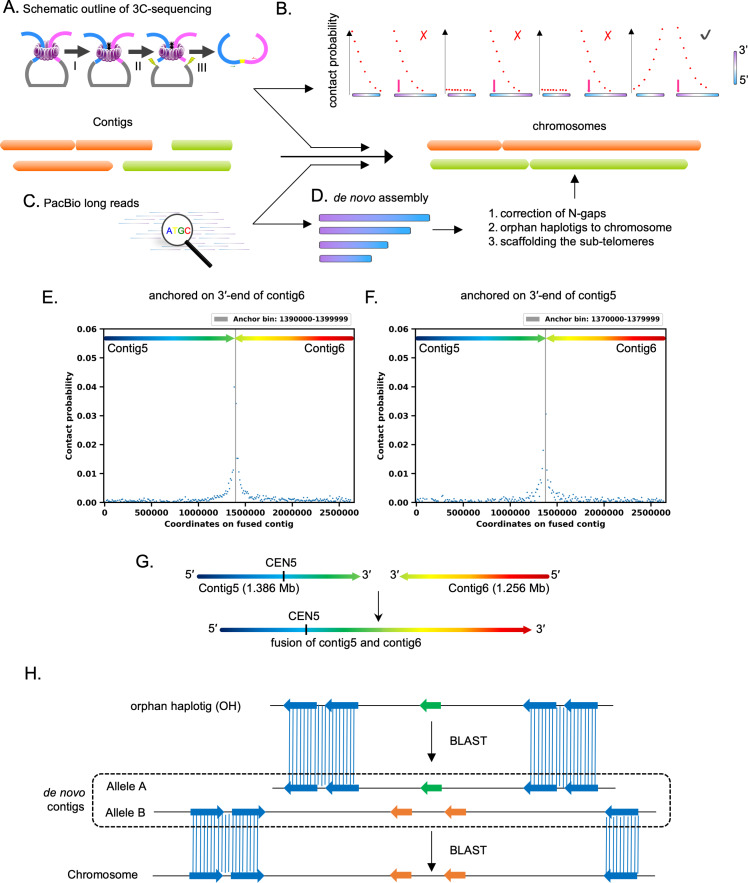
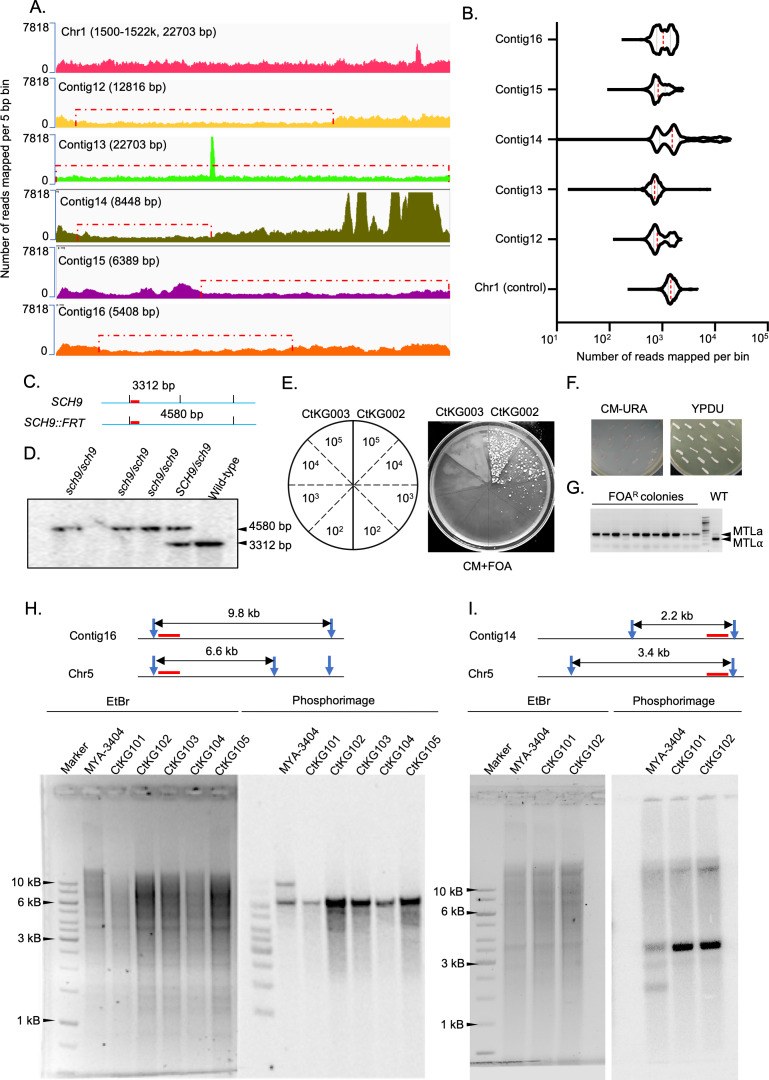
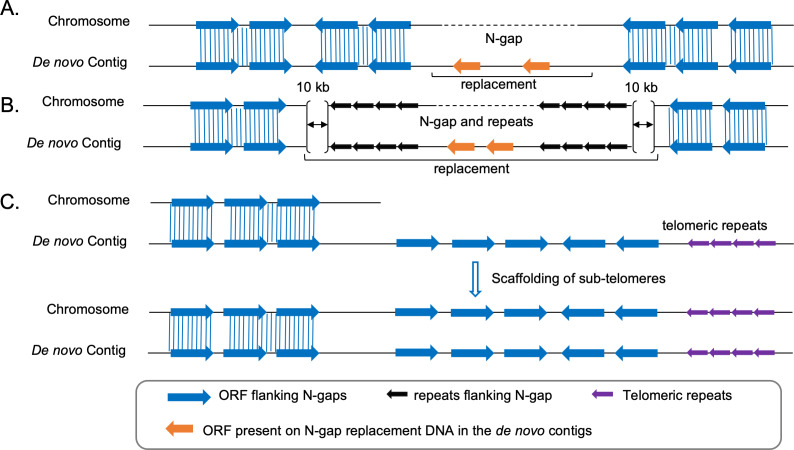
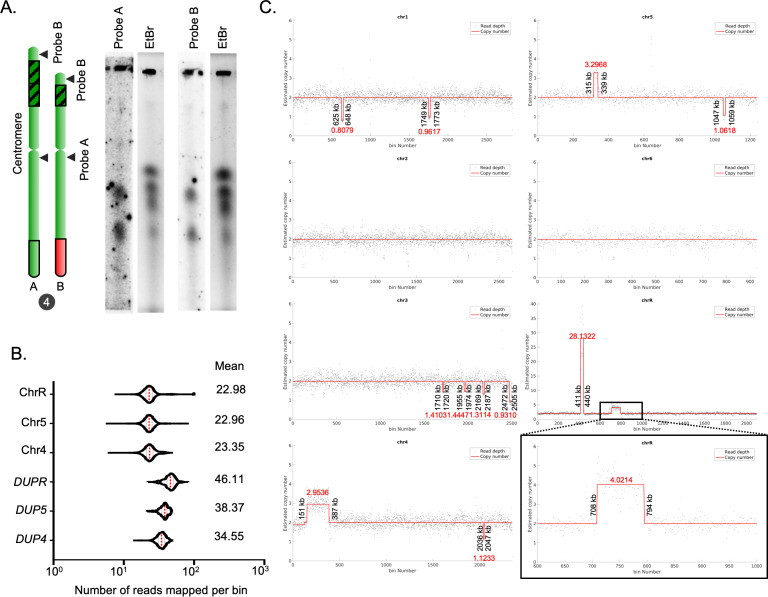
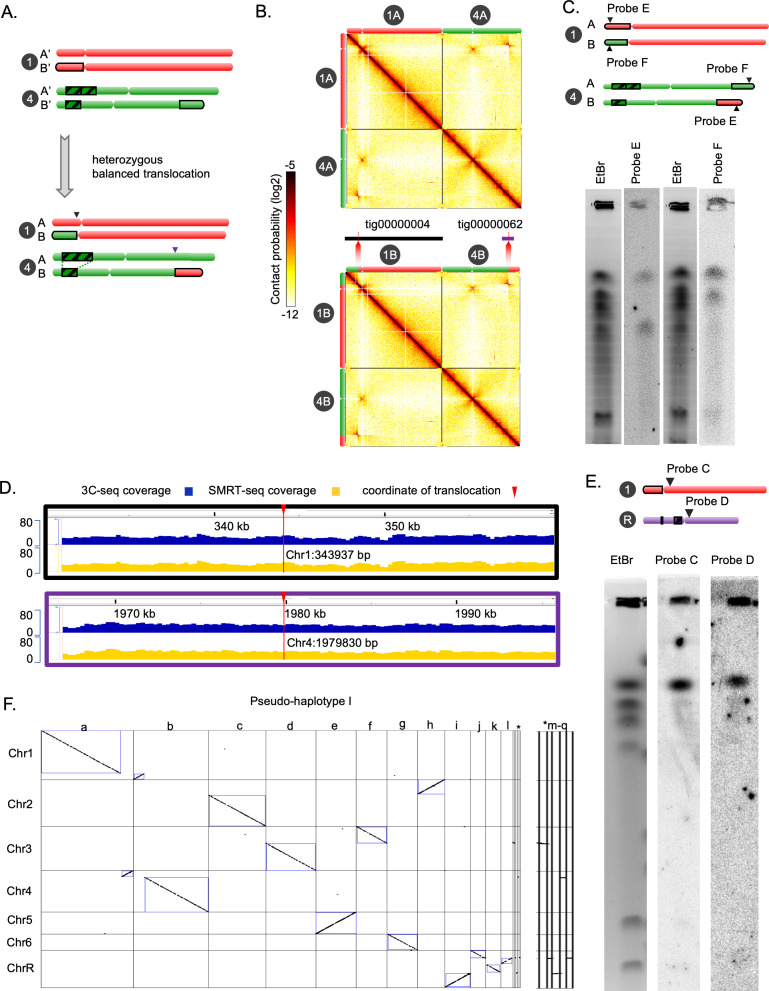
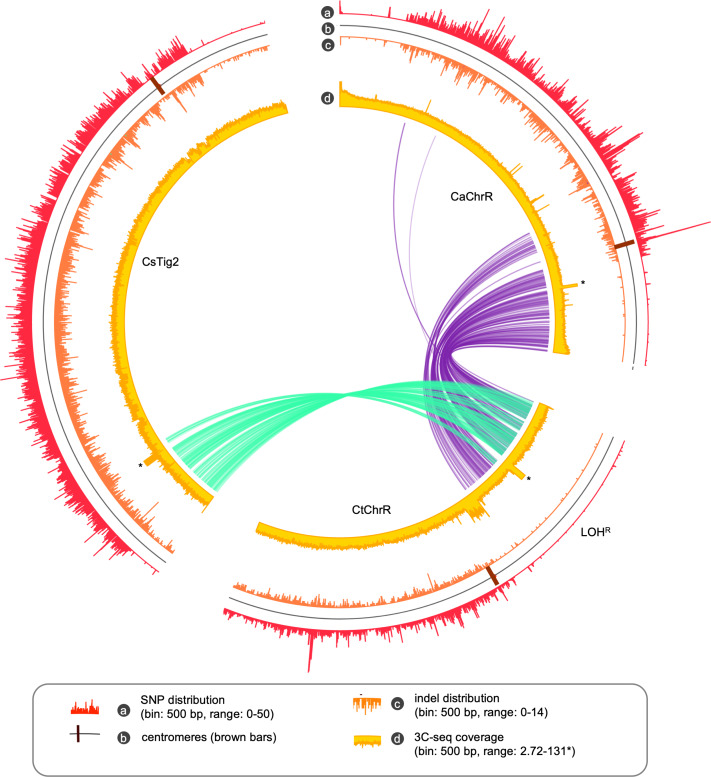
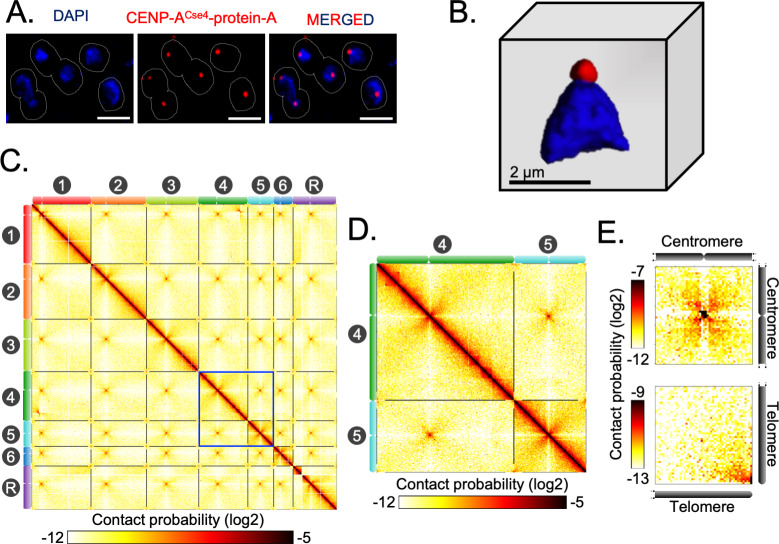
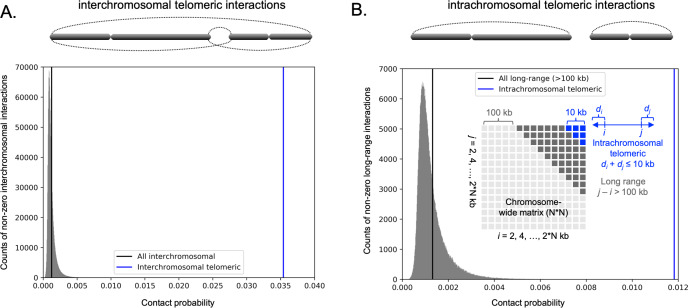
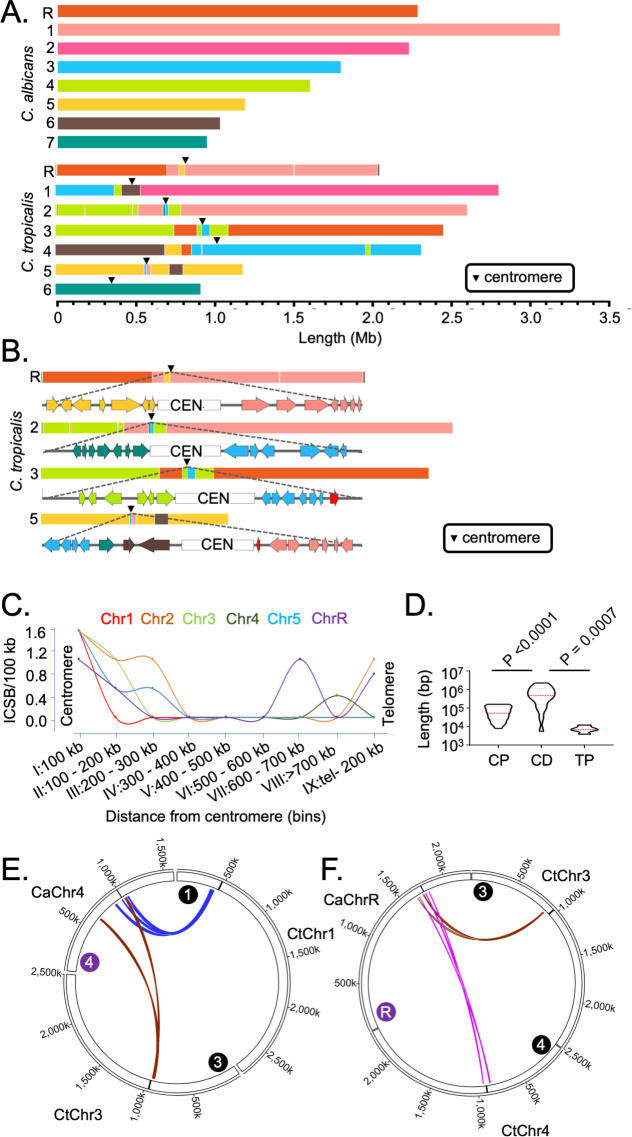
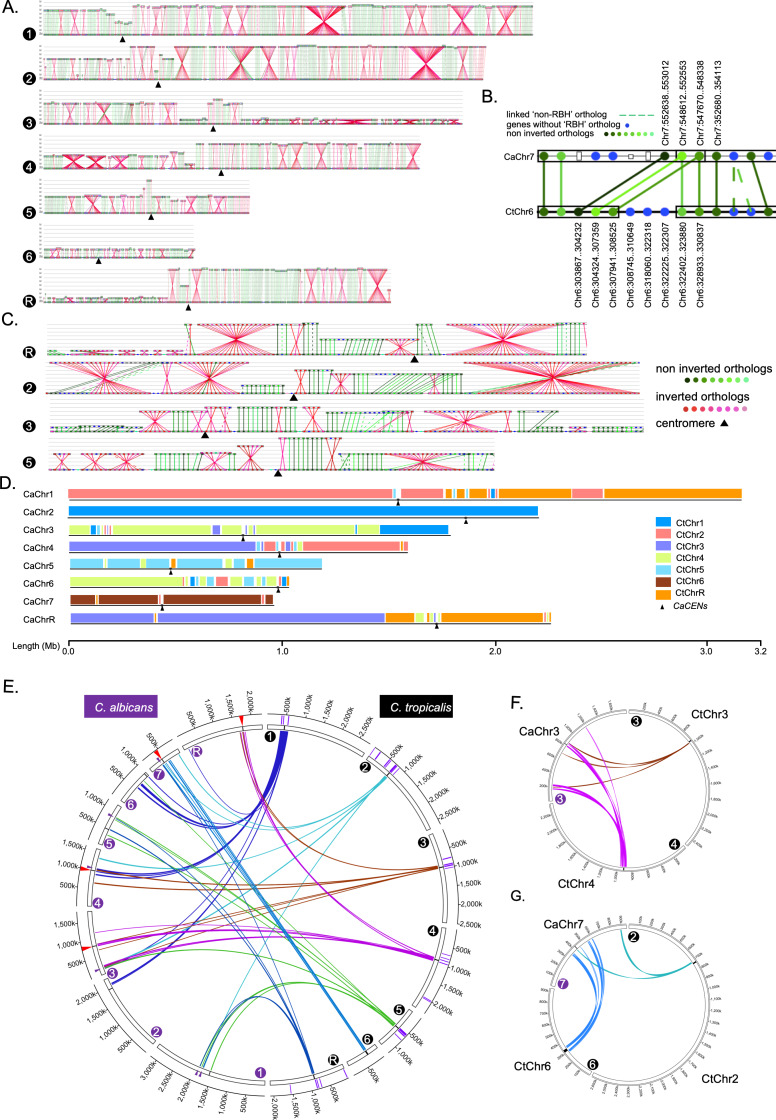
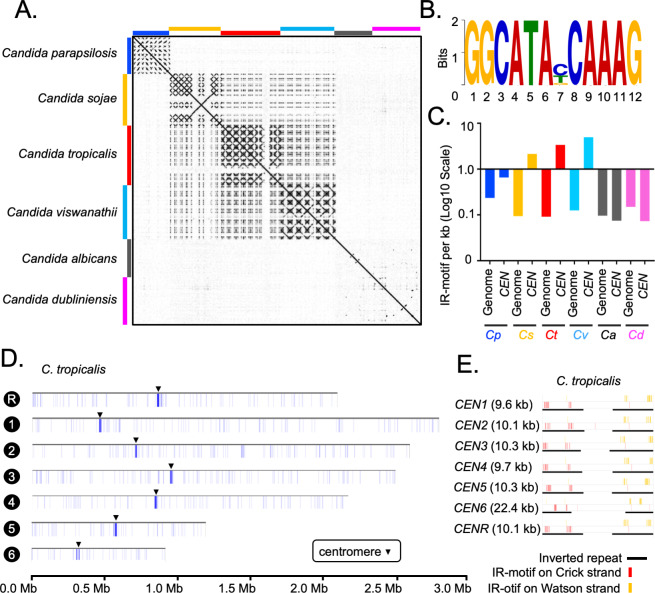
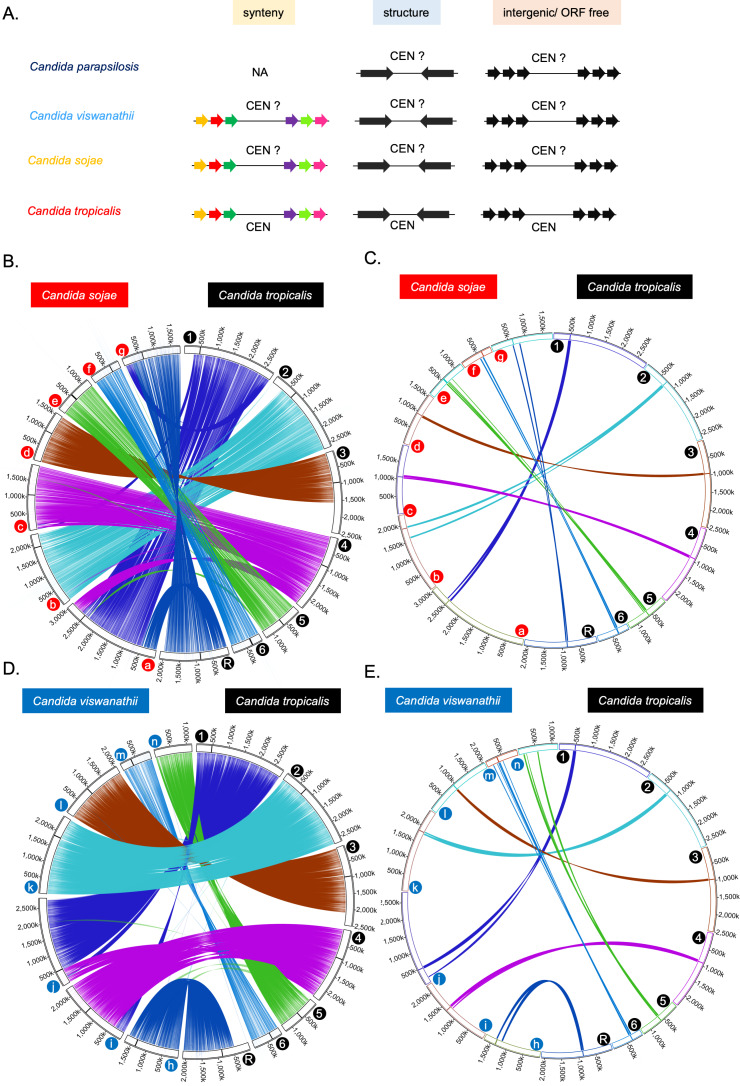
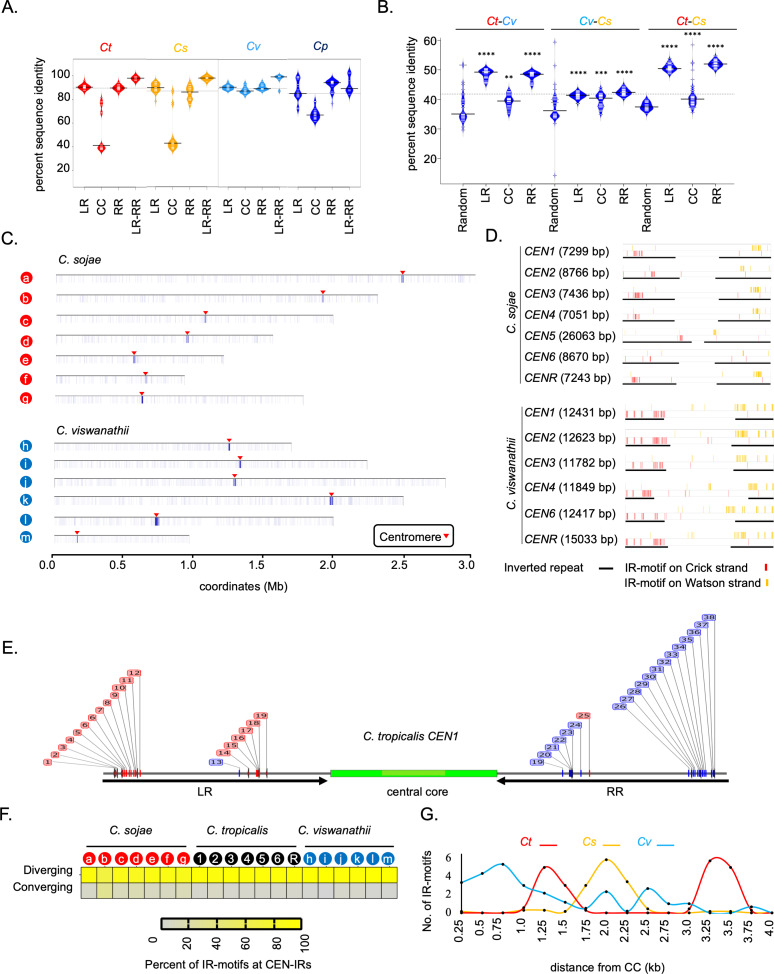
Centromeres of form on unique and different DNA sequences but a closely related species, , possesses homogenized inverted repeat (HIR)-associated centromeres. To investigate the mechanism of centromere type transition, we improved the fragmented genome assembly and constructed a chromosome-level genome assembly of by employing PacBio sequencing, chromosome conformation capture sequencing (3C-seq), chromoblot, and genetic analysis of engineered aneuploid strains. Further, we analyzed the 3D genome organization using 3C-seq data, which revealed spatial proximity among the centromeres as well as telomeres of seven chromosomes in . Intriguingly, we observed evidence of inter-centromeric translocations in the common ancestor of and . Identification of putative centromeres in closely related , and indicates loss of ancestral HIR-associated centromeres and establishment of evolutionary new centromeres (ENCs) in . We propose that spatial proximity of the homologous centromere DNA sequences facilitated karyotype rearrangements and centromere type transitions in human pathogenic yeasts of the CUG-Ser1 clade.
着丝粒形成于独特且不同的 DNA 序列上,但一个密切相关的物种 , 却拥有同质化倒置重复序列(HIR)相关的着丝粒。为了研究着丝粒类型转变的机制,我们改进了碎片化的基因组组装,并通过 PacBio 测序、染色体构象捕获测序(3C-seq)、染色斑和工程化非整倍体菌株的遗传分析,构建了 的染色体水平基因组组装。此外,我们还使用 3C-seq 数据分析了 3D 基因组组织,结果显示七个染色体的着丝粒和端粒在 中空间上接近。有趣的是,我们在 和 的共同祖先中观察到了着丝粒之间易位的证据。在密切相关的 、 和 中假定着丝粒的鉴定表明,在 CUG-Ser1 分支的人类致病性酵母中,祖先的 HIR 相关着丝粒丢失,并且建立了进化性新着丝粒(ENCs)。我们提出,同源着丝粒 DNA 序列的空间接近促进了人类致病性 CUG-Ser1 分支酵母的核型重排和着丝粒类型转变。