Creighton University Medical School, Omaha, United States.
Bowdoin College, Brunswick, United States.
Elife. 2019 Jun 7;8:e45954. doi: 10.7554/eLife.45954.
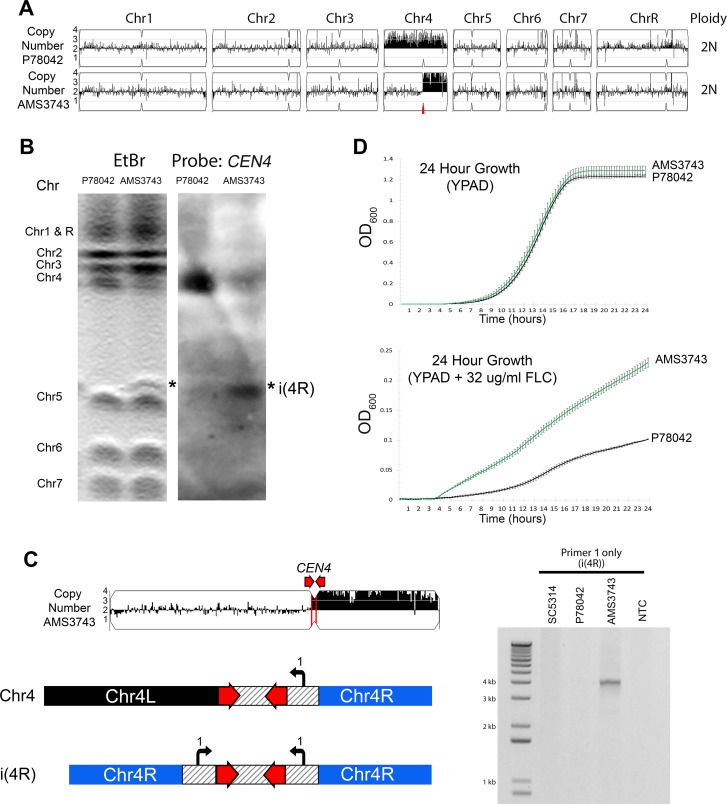
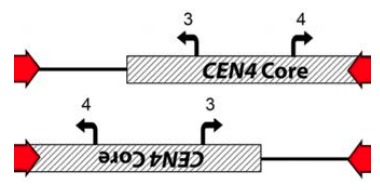
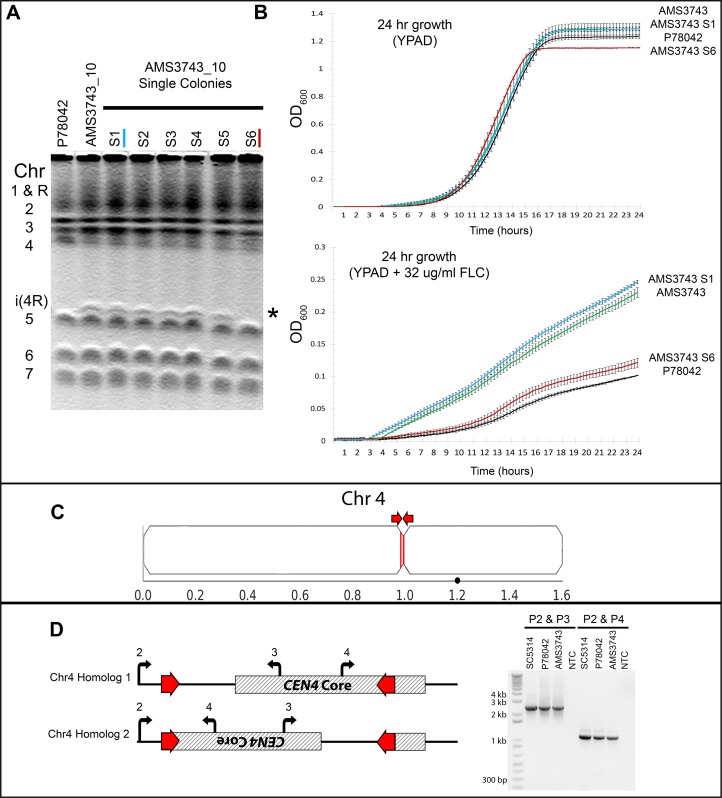
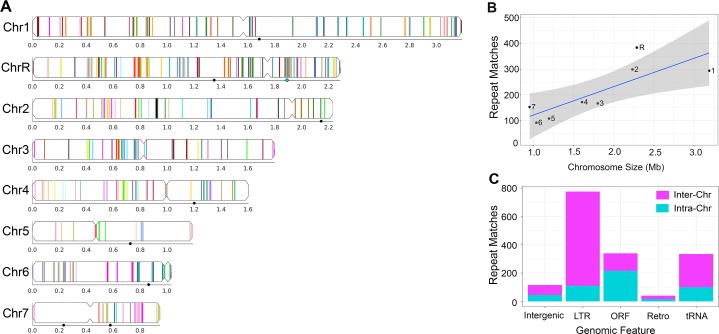
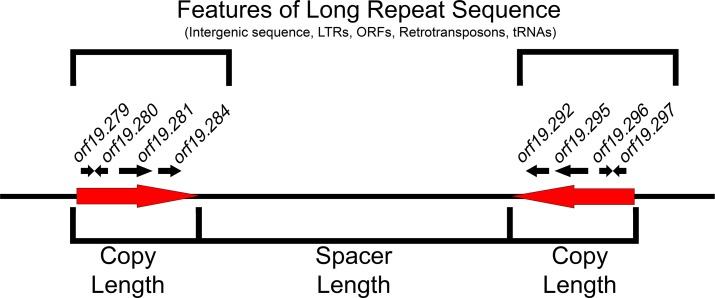
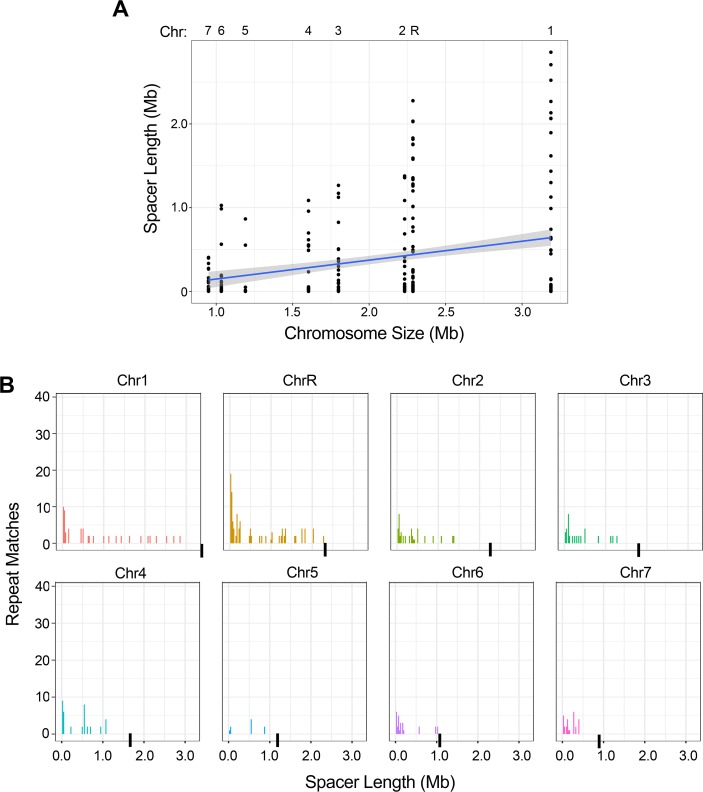
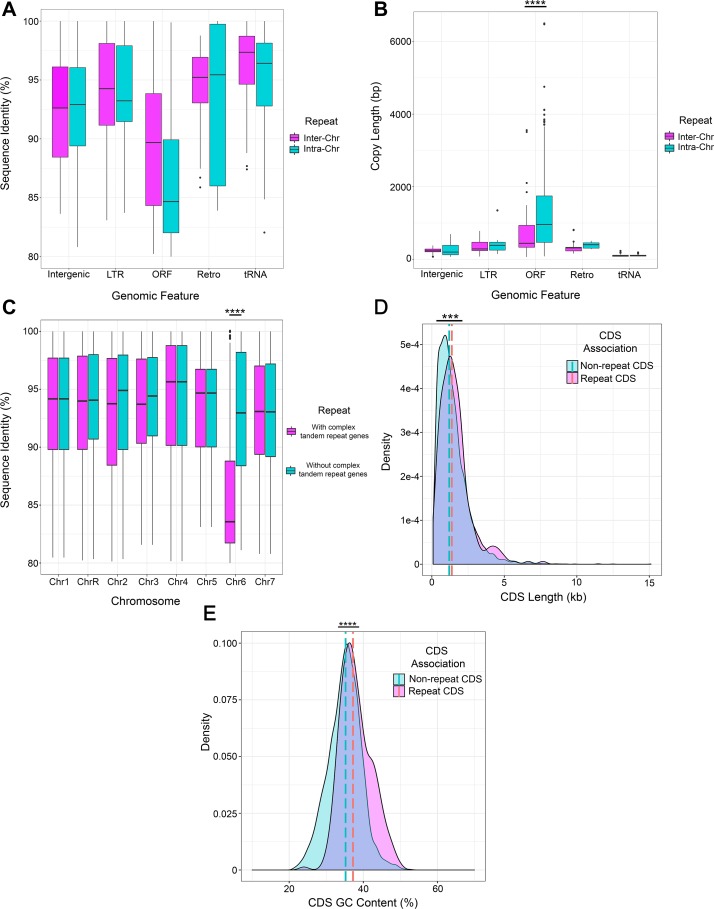
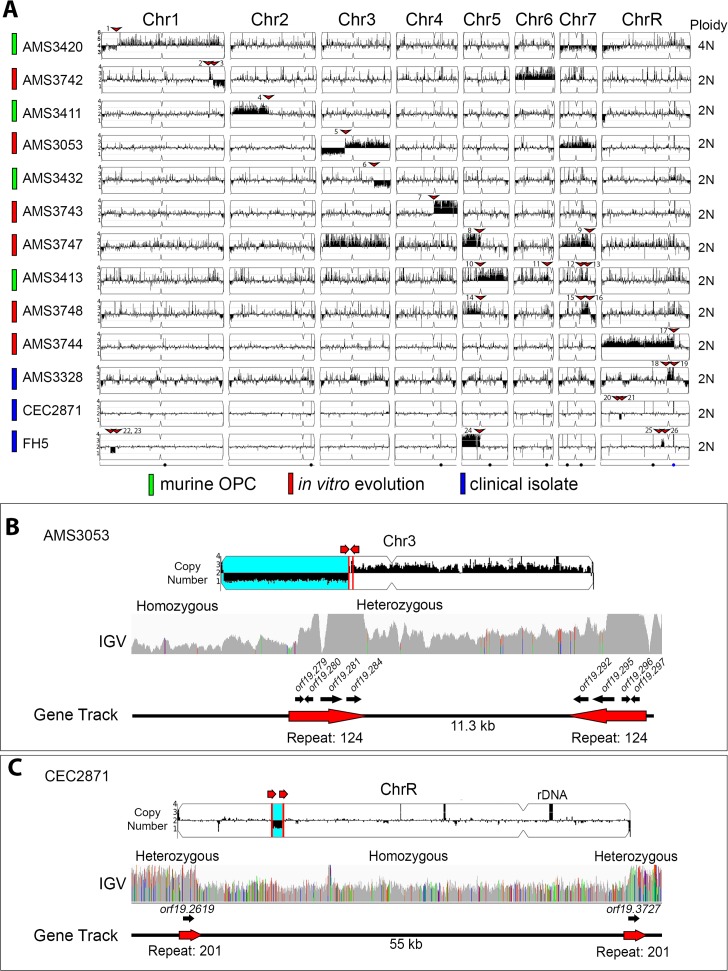
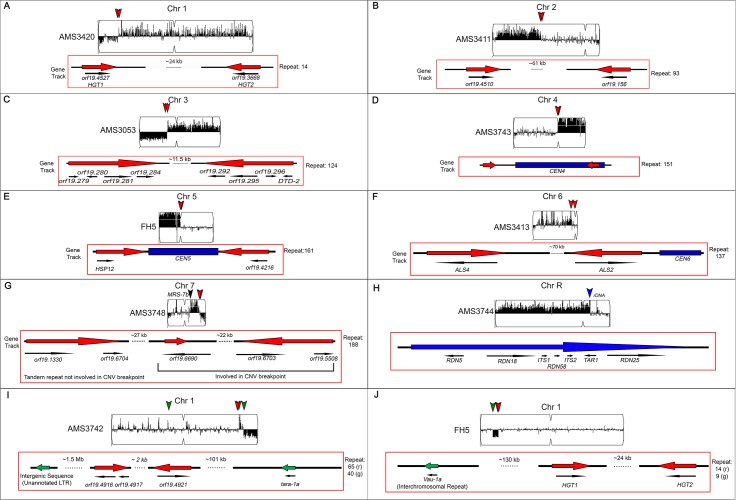
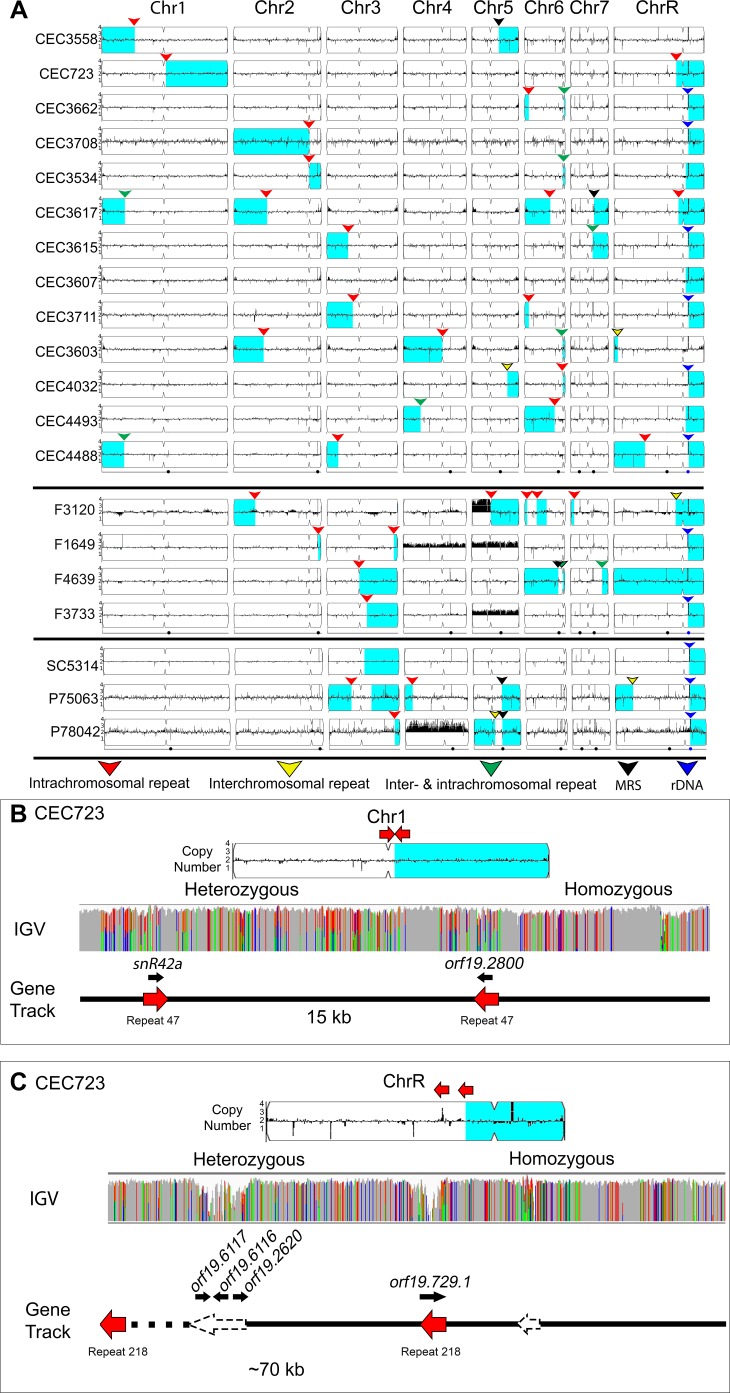
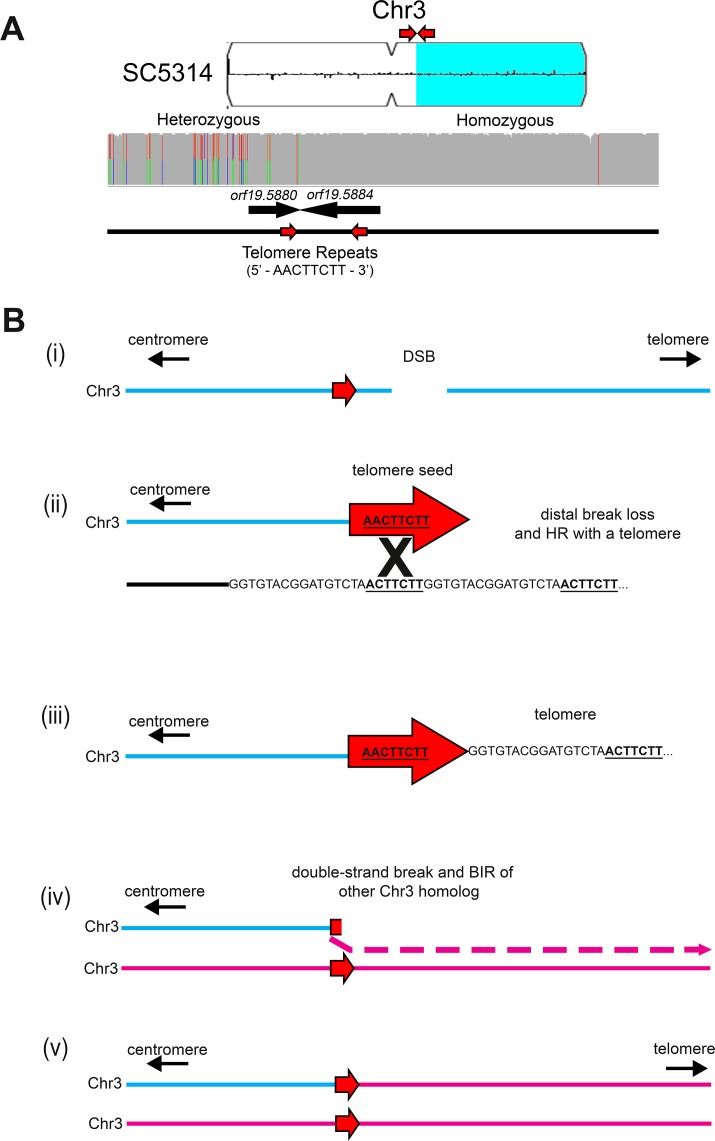
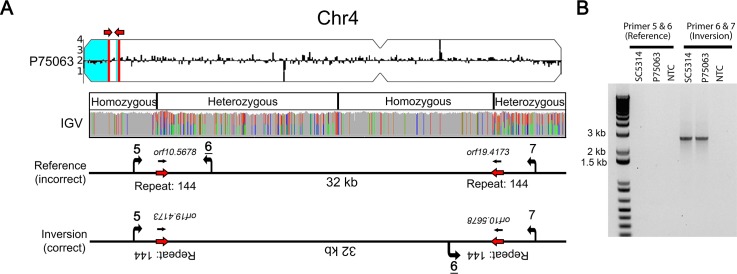
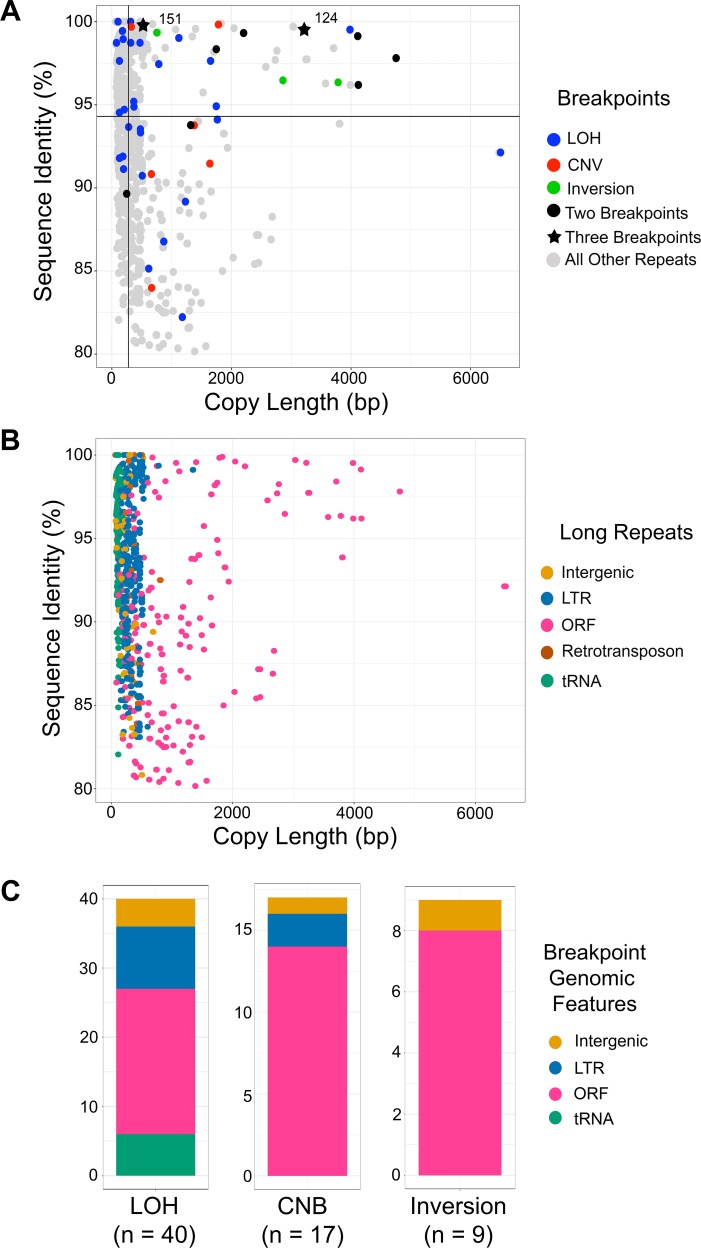
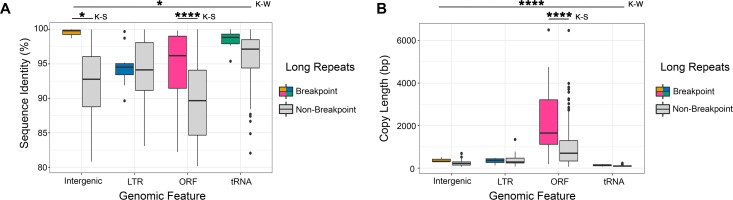
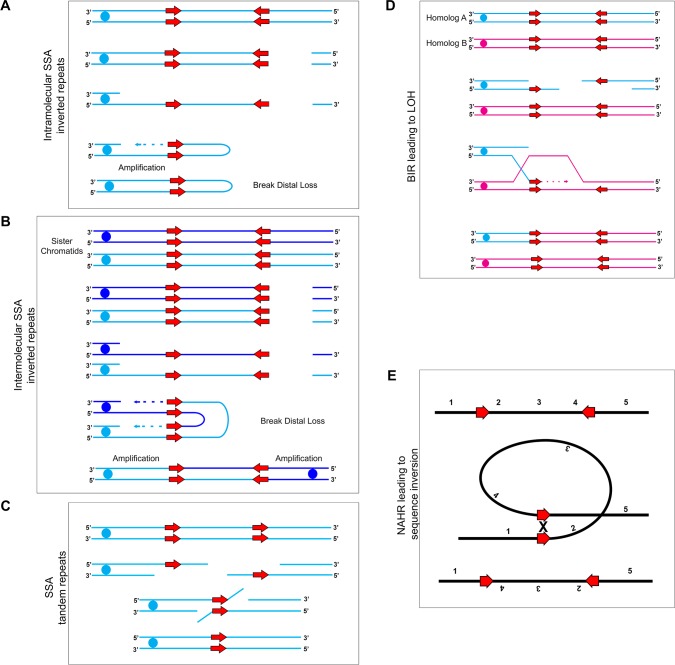
Genome rearrangements resulting in copy number variation (CNV) and loss of heterozygosity (LOH) are frequently observed during the somatic evolution of cancer and promote rapid adaptation of fungi to novel environments. In the human fungal pathogen , CNV and LOH confer increased virulence and antifungal drug resistance, yet the mechanisms driving these rearrangements are not completely understood. Here, we unveil an extensive array of long repeat sequences (65-6499 bp) that are associated with CNV, LOH, and chromosomal inversions. Many of these long repeat sequences are uncharacterized and encompass one or more coding sequences that are actively transcribed. Repeats associated with genome rearrangements are predominantly inverted and separated by up to ~1.6 Mb, an extraordinary distance for homology-based DNA repair/recombination in yeast. These repeat sequences are a significant source of genome plasticity across diverse strain backgrounds including clinical, environmental, and experimentally evolved isolates, and represent previously uncharacterized variation in the reference genome.
基因组重排导致拷贝数变异 (CNV) 和杂合性丢失 (LOH) 在癌症的体细胞进化过程中经常观察到,并促进了真菌对新环境的快速适应。在人类真菌病原体中,CNV 和 LOH 赋予了更高的毒力和抗真菌药物耐药性,但驱动这些重排的机制尚不完全清楚。在这里,我们揭示了一系列广泛的长重复序列(65-6499bp),这些序列与 CNV、LOH 和染色体倒位有关。这些长重复序列中的许多是未知的,包含一个或多个被积极转录的编码序列。与基因组重排相关的重复序列主要是反向的,彼此之间的间隔可达 ~1.6 Mb,这在基于同源性的酵母 DNA 修复/重组中是一个非常远的距离。这些重复序列是跨越不同菌株背景(包括临床、环境和实验进化分离株)的基因组可塑性的重要来源,代表了参考基因组中以前未表征的变异。