Department of Cardiac Surgery, Section of Pediatric Cardiovascular Surgery, University of Michigan, Ann Arbor, Michigan, USA.
Department of General Surgery, Brigham and Women's Hospital, Massachusetts, USA.
Stem Cells Transl Med. 2020 Sep;9(9):1102-1113. doi: 10.1002/sctm.19-0448. Epub 2020 May 29.
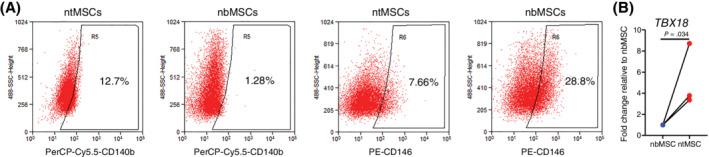
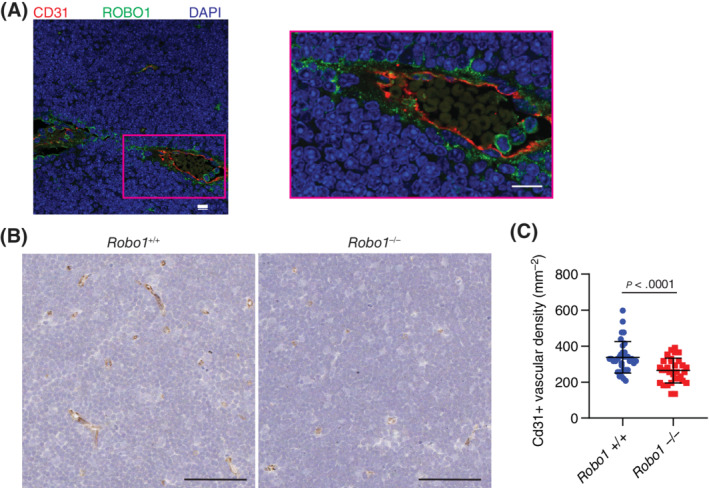
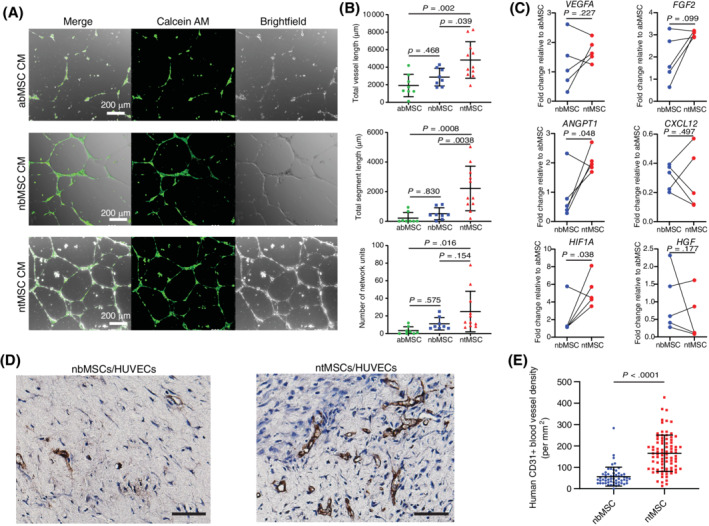
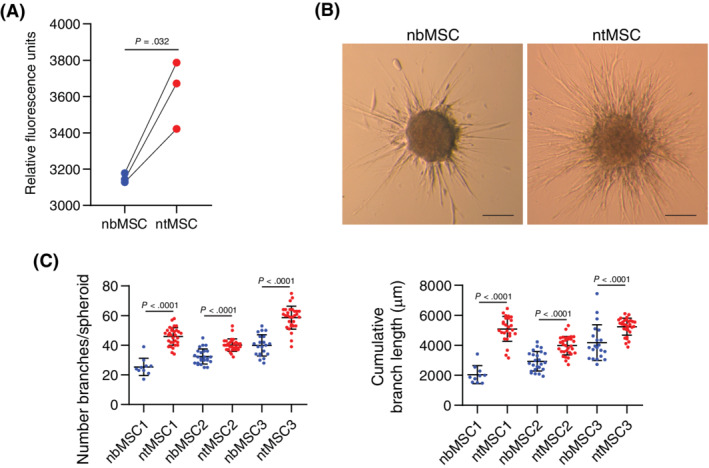
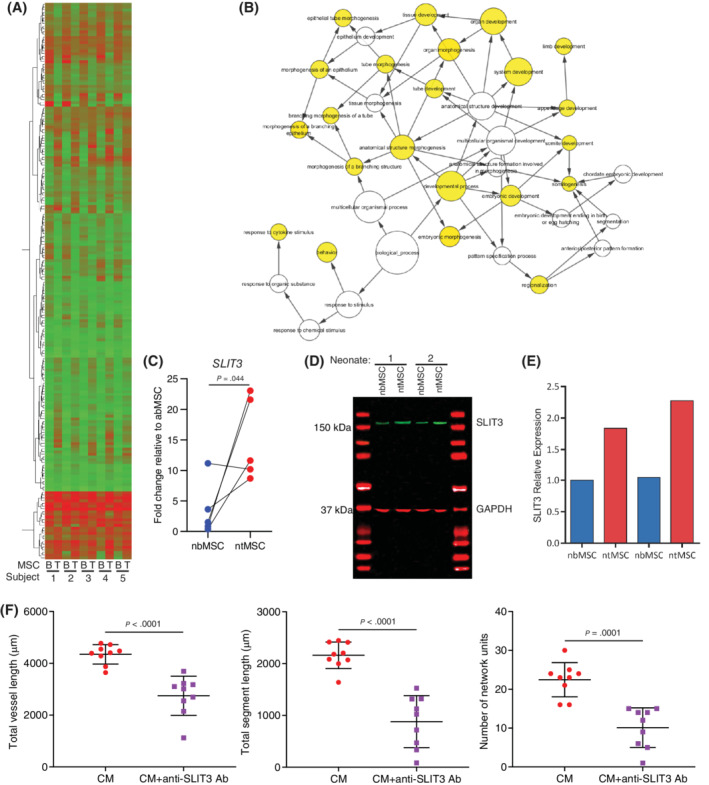
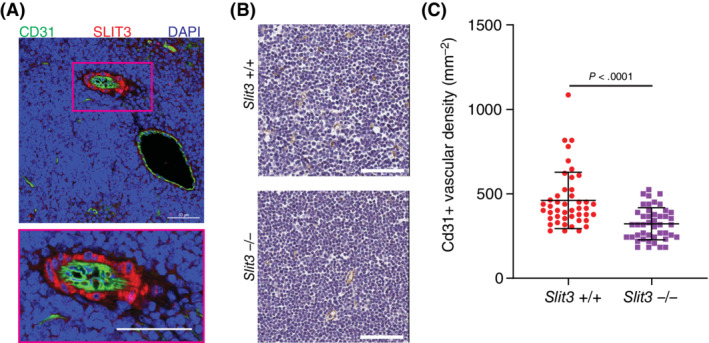
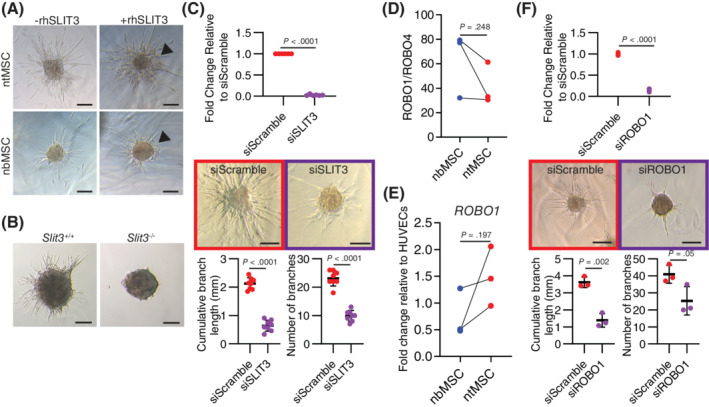
Although mesenchymal stem/stromal cells (MSCs) are being explored in numerous clinical trials as proangiogenic and proregenerative agents, the influence of tissue origin on the therapeutic qualities of these cells is poorly understood. Complicating the functional comparison of different types of MSCs are the confounding effects of donor age, genetic background, and health status of the donor. Leveraging a clinical setting where MSCs can be simultaneously isolated from discarded but healthy bone and thymus tissues from the same neonatal patients, thereby controlling for these confounding factors, we performed an in vitro and in vivo paired comparison of these cells. We found that both neonatal thymus (nt)MSCs and neonatal bone (nb)MSCs expressed different pericytic surface marker profiles. Further, ntMSCs were more potent in promoting angiogenesis in vitro and in vivo and they were also more motile and efficient at invading ECM in vitro. These functional differences were in part mediated by an increased ntMSC expression of SLIT3, a factor known to activate endothelial cells. Further, we discovered that SLIT3 stimulated MSC motility and fibrin gel invasion via ROBO1 in an autocrine fashion. Consistent with our findings in human MSCs, we found that SLIT3 and ROBO1 were expressed in the perivascular cells of the neonatal murine thymus gland and that global SLIT3 or ROBO1 deficiency resulted in decreased neonatal murine thymus gland vascular density. In conclusion, ntMSCs possess increased proangiogenic and invasive behaviors, which are in part mediated by the paracrine and autocrine effects of SLIT3.
虽然间充质干细胞(MSCs)作为促血管生成和促再生剂正在被探索用于许多临床试验中,但组织来源对这些细胞治疗特性的影响尚未被很好地理解。使不同类型的 MSCs 的功能比较复杂化的是供体年龄、遗传背景和供体健康状况的混杂影响。利用一个临床环境,我们可以同时从同一新生儿患者的废弃但健康的骨和胸腺组织中分离出 MSCs,从而控制这些混杂因素,我们对这些细胞进行了体外和体内配对比较。我们发现,新生儿胸腺(nt)MSCs 和新生儿骨(nb)MSCs 表达不同的周细胞表面标志物谱。此外,ntMSCs 在体外和体内促进血管生成的能力更强,并且在体外迁移和穿透 ECM 的能力也更强。这些功能差异部分是由 SLIT3 的表达增加介导的,SLIT3 是一种已知能激活内皮细胞的因子。此外,我们发现 SLIT3 通过 ROBO1 以自分泌的方式刺激 MSC 迁移和纤维蛋白凝胶浸润。与我们在人 MSCs 中的发现一致,我们发现 SLIT3 和 ROBO1 在新生鼠胸腺的血管周细胞中表达,并且全局 SLIT3 或 ROBO1 缺失导致新生鼠胸腺血管密度降低。总之,ntMSCs 具有增强的促血管生成和侵袭行为,这部分是由 SLIT3 的旁分泌和自分泌作用介导的。