Waheed Sodiq O, Ramanan Rajeev, Chaturvedi Shobhit S, Lehnert Nicolai, Schofield Christopher J, Christov Christo Z, Karabencheva-Christova Tatyana G
Department of Chemistry, Michigan Technological University, Houghton, Michigan 49931, United States.
Department of Chemistry, University of Michigan, Ann Arbor, Michigan 48109, United States.
ACS Cent Sci. 2020 May 27;6(5):795-814. doi: 10.1021/acscentsci.0c00312. Epub 2020 May 8.
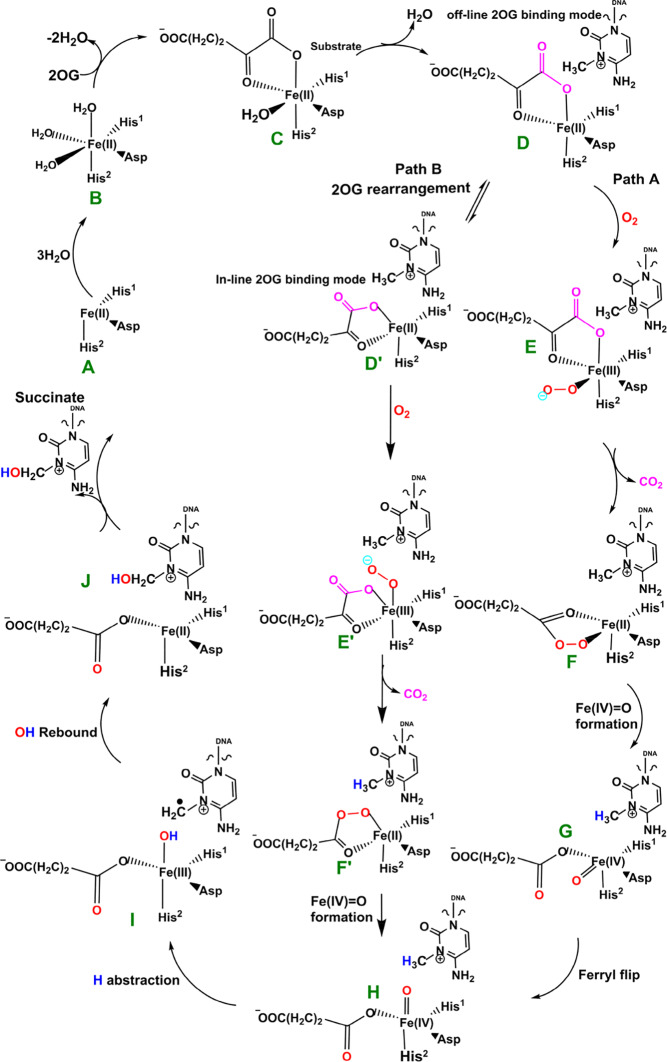
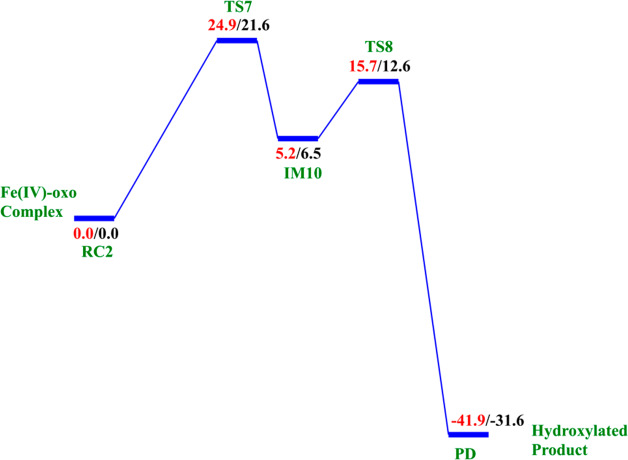
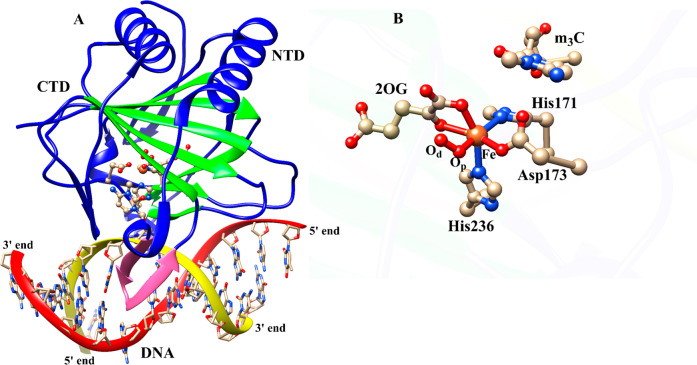
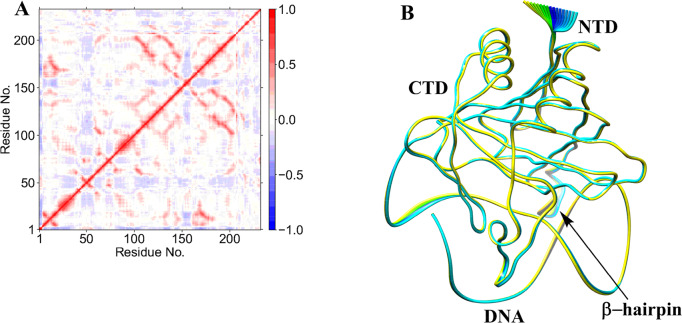
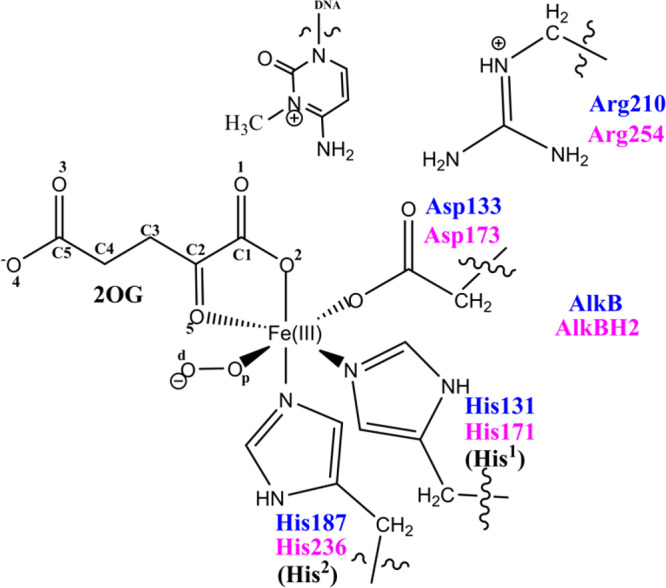
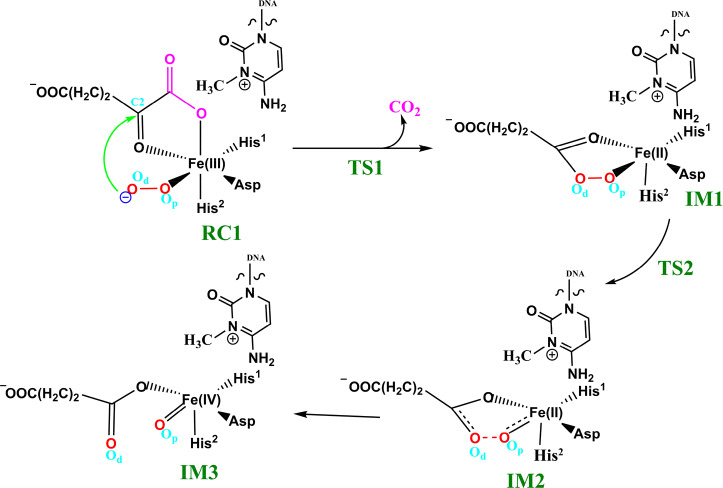
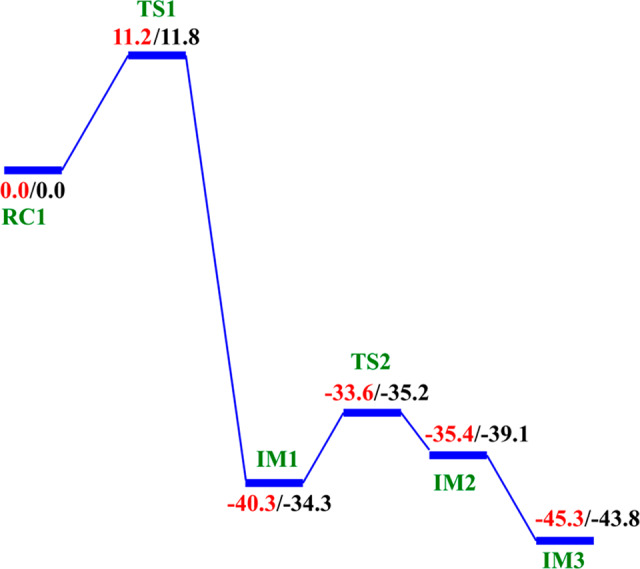
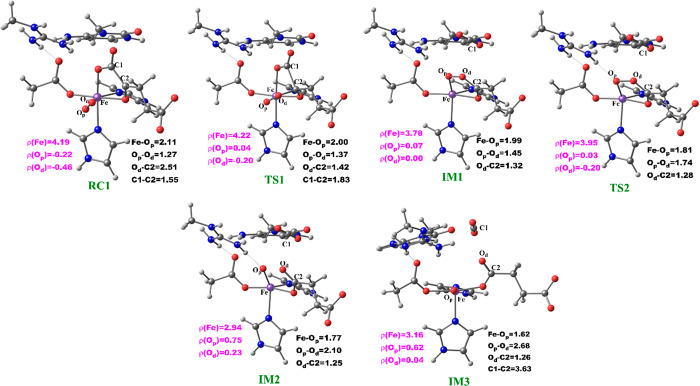
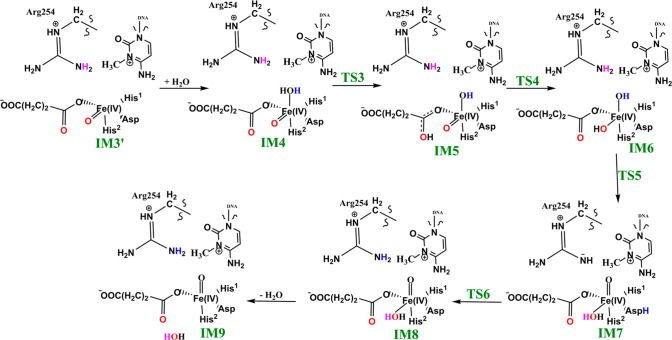
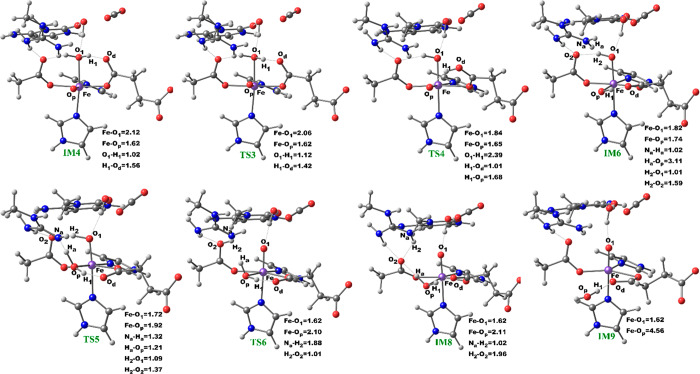
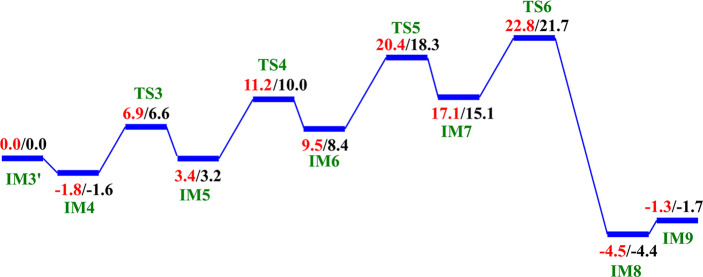
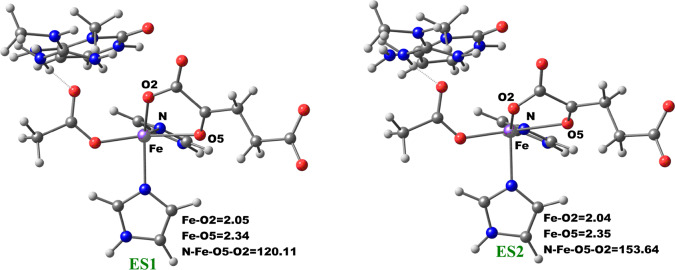
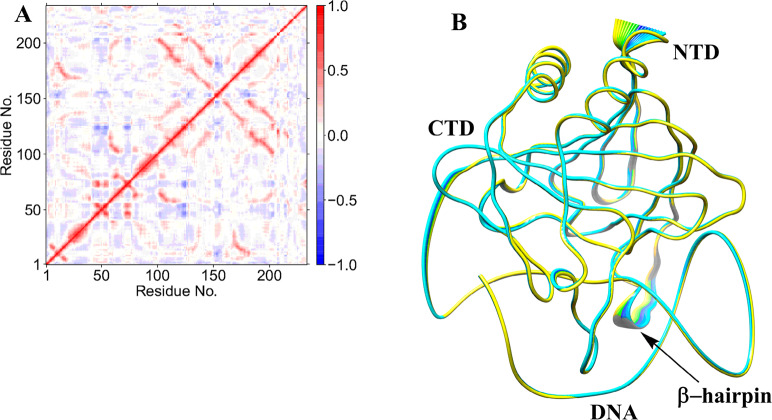
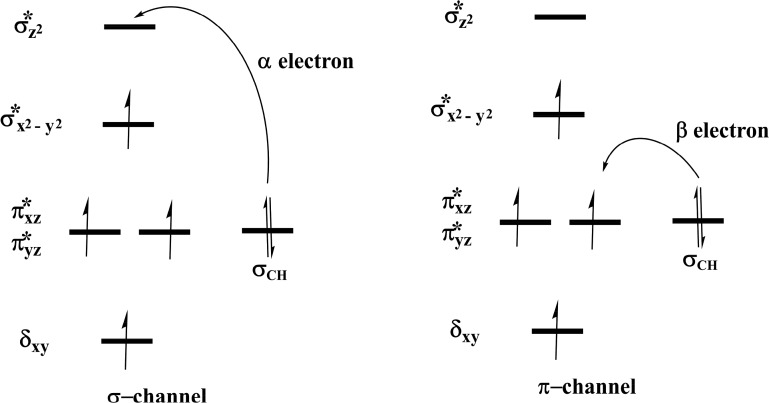
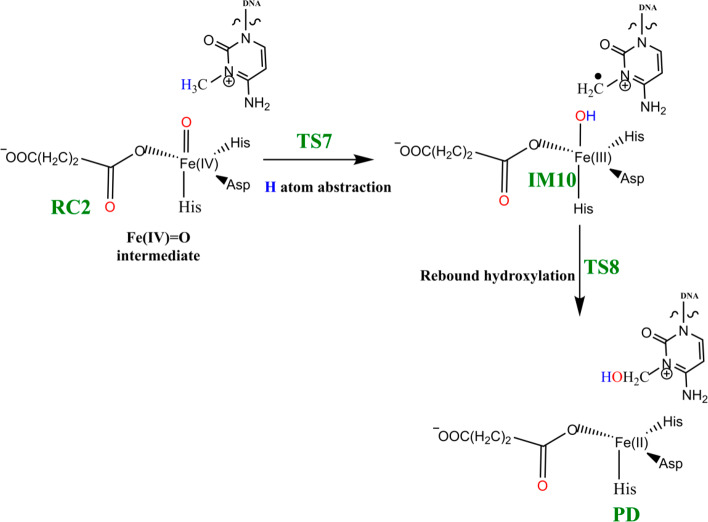
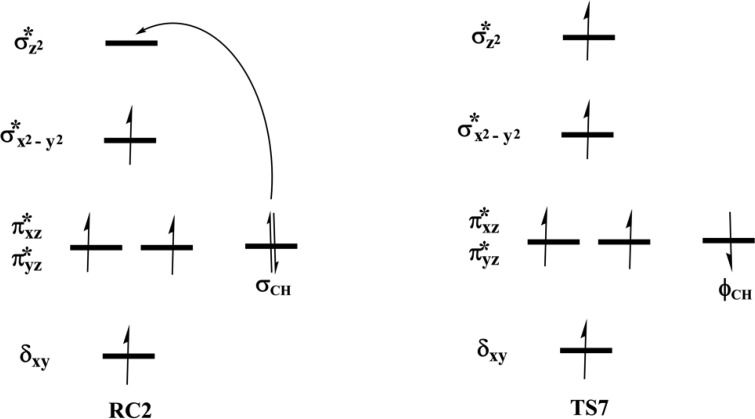
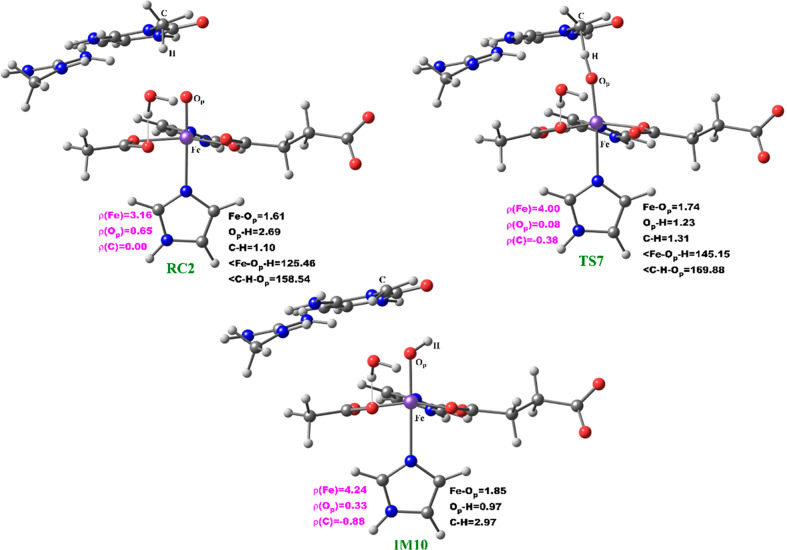
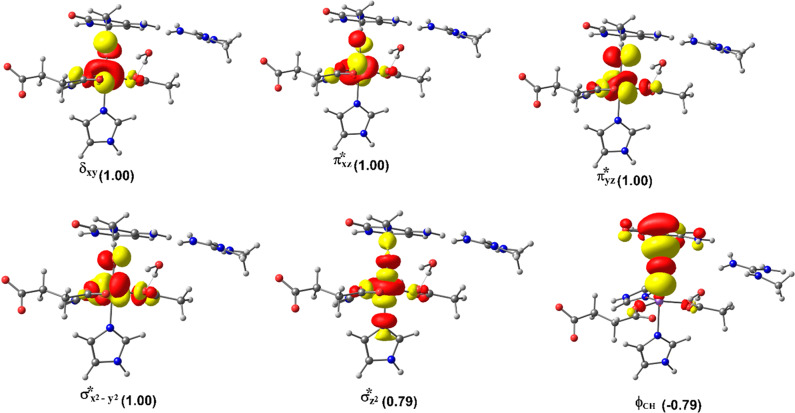
AlkB and its human homologue AlkBH2 are Fe(II)- and 2-oxoglutarate (2OG)-dependent oxygenases that repair alkylated DNA bases occurring as a consequence of reactions with mutagenic agents. We used molecular dynamics (MD) and combined quantum mechanics/molecular mechanics (QM/MM) methods to investigate how structural dynamics influences the selectivity and mechanisms of the AlkB- and AlkBH2-catalyzed demethylation of 3-methylcytosine (mC) in single (ssDNA) and double (dsDNA) stranded DNA. Dynamics studies reveal the importance of the flexibility in both the protein and DNA components in determining the preferences of AlkB for ssDNA and of AlkBH2 for dsDNA. Correlated motions, including of a hydrophobic β-hairpin, are involved in substrate binding in AlkBH2-dsDNA. The calculations reveal that 2OG rearrangement prior to binding of dioxygen to the active site Fe is preferred over a ferryl rearrangement to form a catalytically productive Fe(IV)=O intermediate. Hydrogen atom transfer proceeds via a σ-channel in AlkBH2-dsDNA and AlkB-dsDNA; in AlkB-ssDNA, there is a competition between σ- and π-channels, implying that the nature of the complexed DNA has potential to alter molecular orbital interactions during the substrate oxidation. Our results reveal the importance of the overall protein-DNA complex in determining selectivity and how the nature of the substrate impacts the mechanism.
AlkB及其人类同源物AlkBH2是依赖于Fe(II)和2-氧代戊二酸(2OG)的加氧酶,可修复因与诱变剂反应而产生的烷基化DNA碱基。我们使用分子动力学(MD)和量子力学/分子力学相结合(QM/MM)的方法,来研究结构动力学如何影响AlkB和AlkBH2催化单链(ssDNA)和双链(dsDNA)DNA中3-甲基胞嘧啶(mC)去甲基化的选择性和机制。动力学研究揭示了蛋白质和DNA成分的灵活性在决定AlkB对ssDNA的偏好以及AlkBH2对dsDNA的偏好方面的重要性。包括疏水β-发夹在内的相关运动参与了AlkBH2-dsDNA中的底物结合。计算结果表明,在双原子氧与活性位点Fe结合之前,2OG重排比形成催化活性的Fe(IV)=O中间体的高价铁重排更受青睐。氢原子转移通过AlkBH2-dsDNA和AlkB-dsDNA中的σ通道进行;在AlkB-ssDNA中,σ通道和π通道之间存在竞争,这意味着复合DNA的性质有可能在底物氧化过程中改变分子轨道相互作用。我们的结果揭示了整个蛋白质-DNA复合物在决定选择性方面的重要性,以及底物性质如何影响机制。