Department of Developmental Biology, Washington University School of Medicine, St. Louis, Missouri, USA.
Division of Nephrology, Department of Medicine, Washington University School of Medicine, St. Louis, Missouri, USA.
Dev Dyn. 2020 Oct;249(10):1217-1242. doi: 10.1002/dvdy.211. Epub 2020 Jul 10.
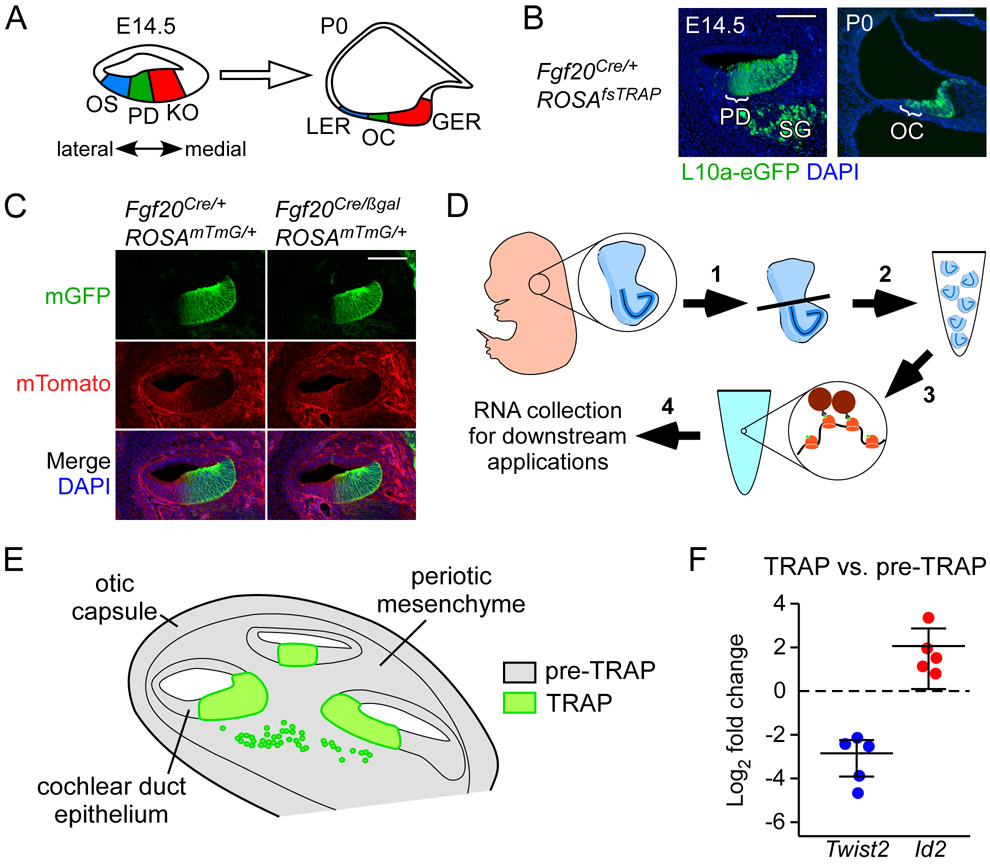
Understanding the mechanisms that regulate hair cell (HC) differentiation in the organ of Corti (OC) is essential to designing genetic therapies for hearing loss due to HC loss or damage. We have previously identified Fibroblast Growth Factor 20 (FGF20) as having a key role in HC and supporting cell differentiation in the mouse OC. To investigate the genetic landscape regulated by FGF20 signaling in OC progenitors, we employ Translating Ribosome Affinity Purification combined with Next Generation RNA Sequencing (TRAPseq) in the Fgf20 lineage.
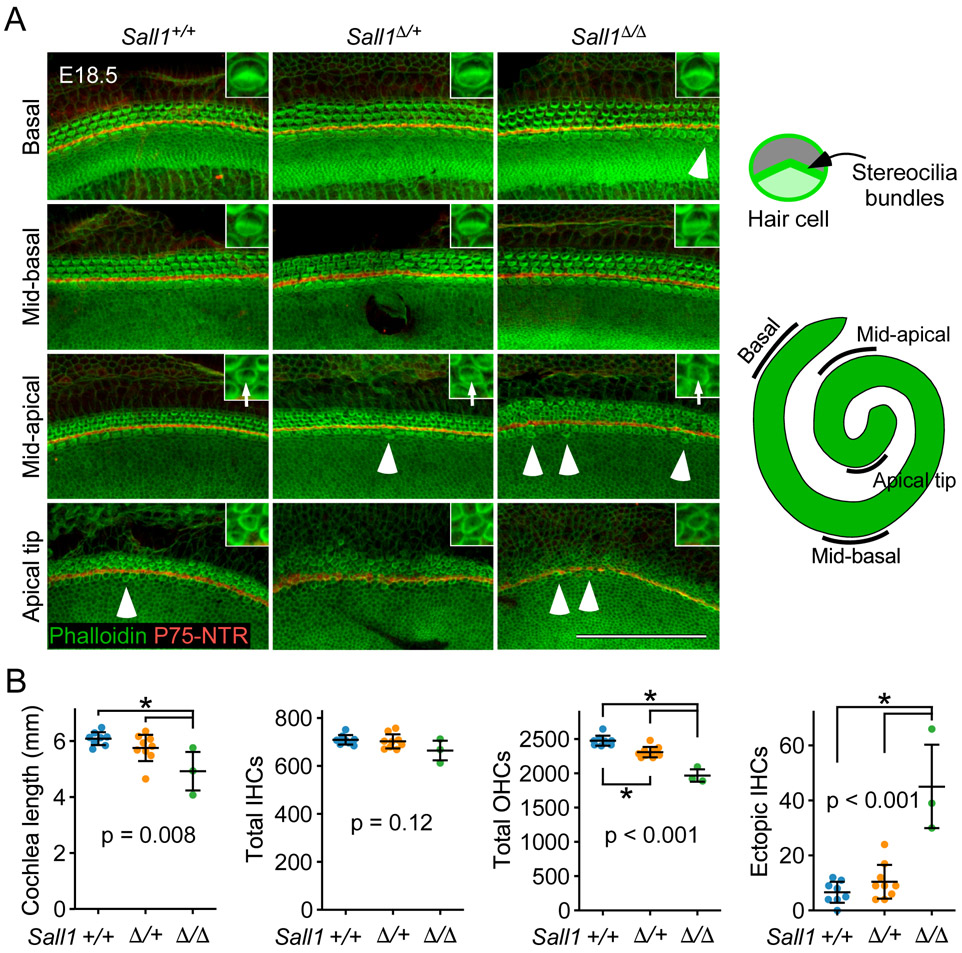
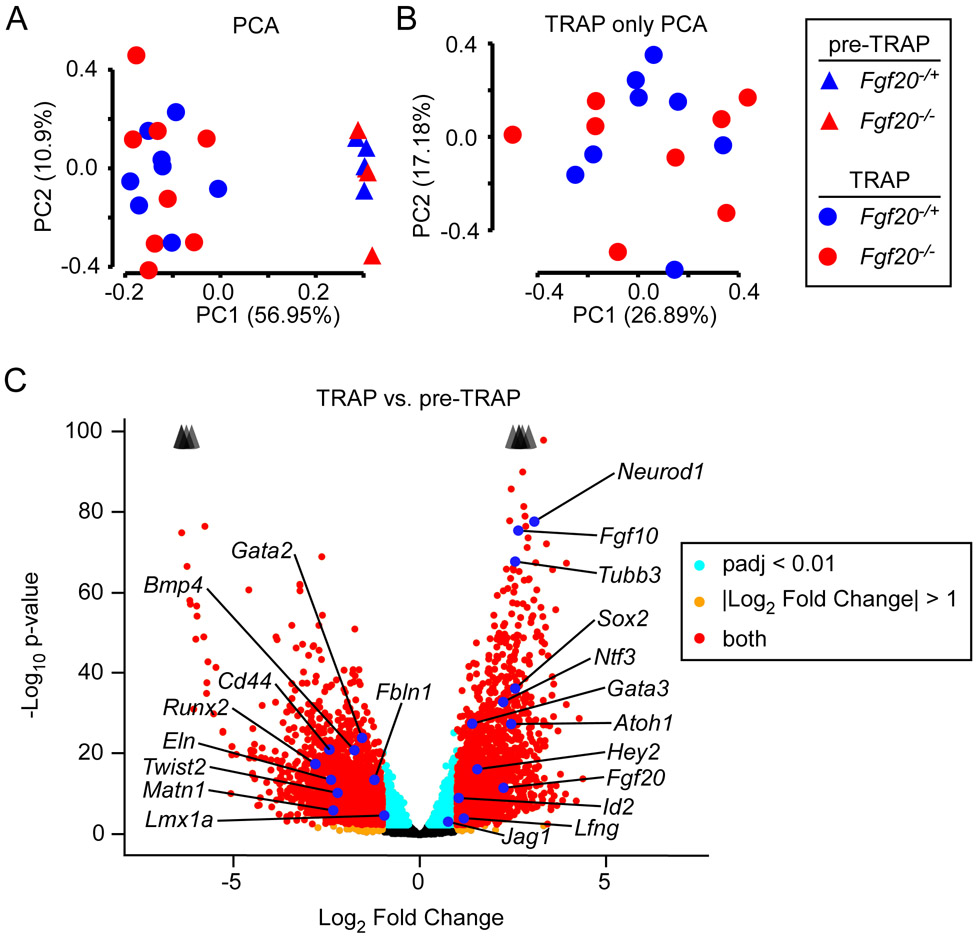
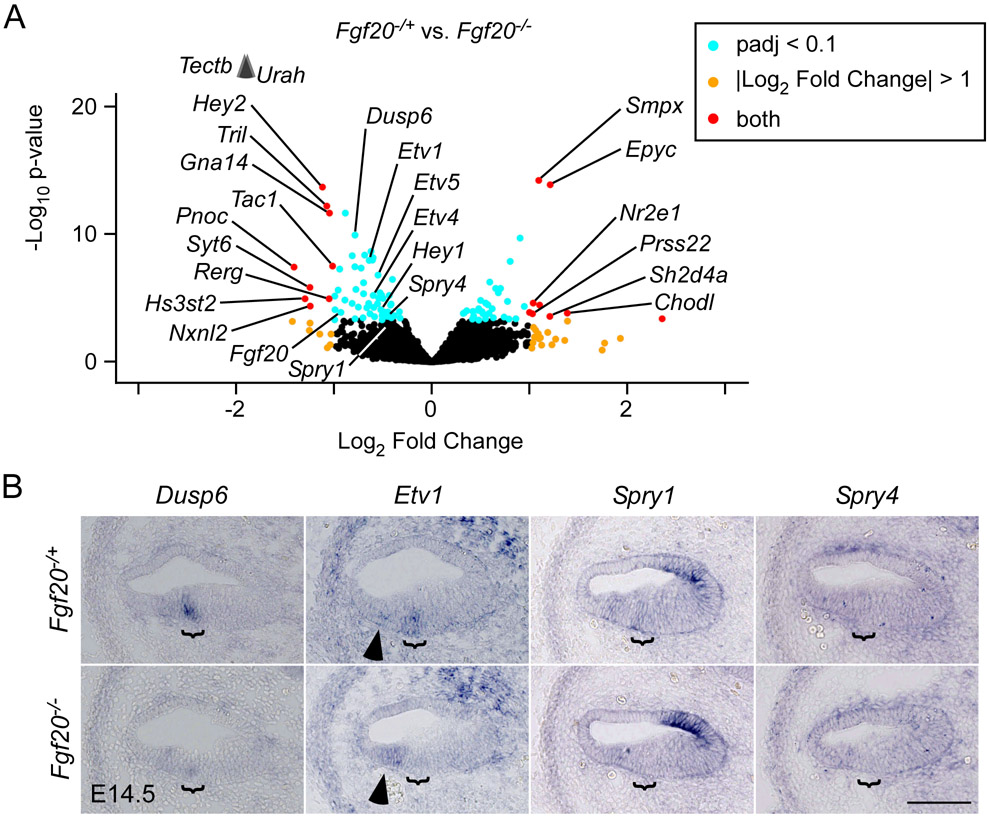
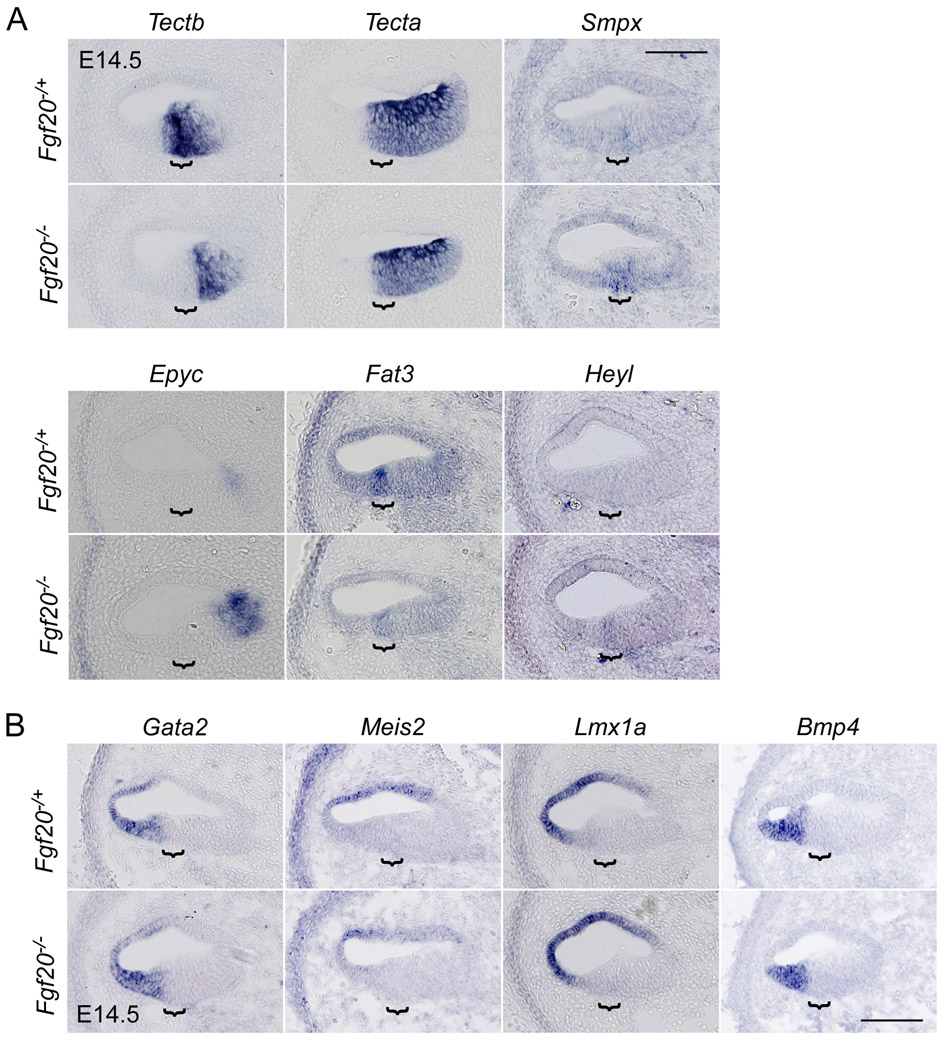
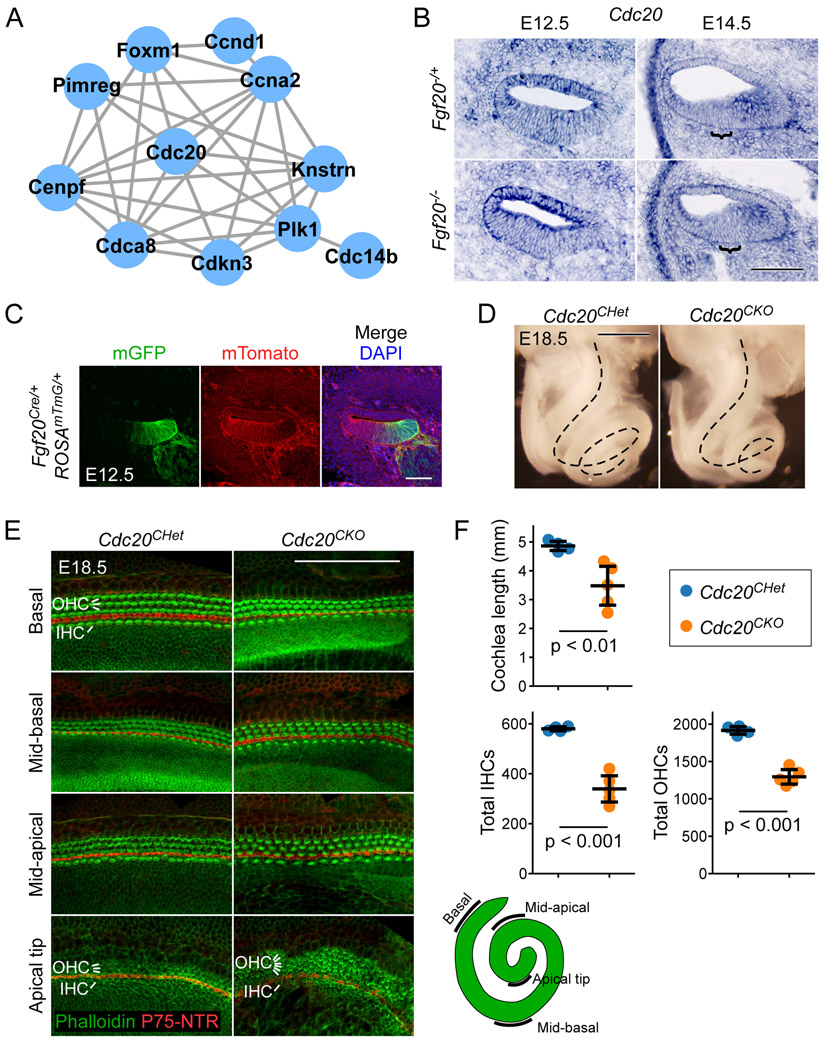
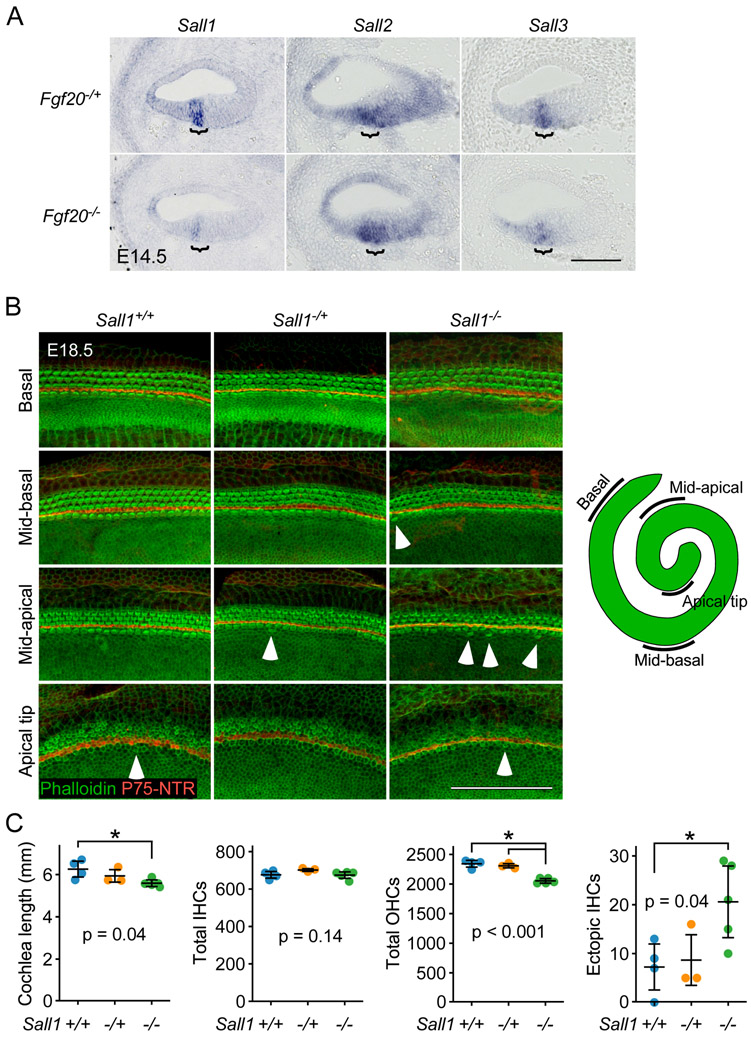
We show that TRAPseq targeting OC progenitors effectively enriched for RNA from this rare cell population. TRAPseq identified differentially expressed genes (DEGs) downstream of FGF20, including Etv4, Etv5, Etv1, Dusp6, Hey1, Hey2, Heyl, Tectb, Fat3, Cpxm2, Sall1, Sall3, and cell cycle regulators such as Cdc20. Analysis of Cdc20 conditional-null mice identified decreased cochlea length, while analysis of Sall1-null and Sall1-ΔZn2-10 mice, which harbor a mutation that causes Townes-Brocks syndrome, identified a decrease in outer hair cell number.
We present two datasets: genes with enriched expression in OC progenitors, and DEGs downstream of FGF20 in the embryonic day 14.5 cochlea. We validate select DEGs via in situ hybridization and in vivo functional studies in mice.
理解调节耳蜗(OC)毛细胞(HC)分化的机制对于设计因 HC 丧失或损伤导致的听力损失的基因治疗至关重要。我们之前已经确定成纤维细胞生长因子 20(FGF20)在 HC 和支持细胞分化中在小鼠 OC 中具有关键作用。为了研究 FGF20 信号在 OC 祖细胞中调节的遗传景观,我们在 Fgf20 谱系中采用了翻译核糖体亲和纯化与下一代 RNA 测序(TRAPseq)相结合的方法。
我们表明,针对 OC 祖细胞的 TRAPseq 有效地富集了来自这种稀有细胞群体的 RNA。TRAPseq 鉴定了 FGF20 下游的差异表达基因(DEGs),包括 Etv4、Etv5、Etv1、Dusp6、Hey1、Hey2、Heyl、Tectb、Fat3、Cpxm2、Sall1、Sall3 和细胞周期调节剂,如 Cdc20。Cdc20 条件性敲除小鼠的分析表明耳蜗长度减少,而 Sall1 敲除和 Sall1-ΔZn2-10 小鼠(携带导致 Townes-Brocks 综合征的突变)的分析表明外毛细胞数量减少。
我们提出了两个数据集:在 OC 祖细胞中富集表达的基因,以及在胚胎第 14.5 天耳蜗中 FGF20 下游的 DEGs。我们通过原位杂交和体内功能研究在小鼠中验证了选定的 DEGs。