Abalaka Samson E, Enem Simon I, Idoko Idoko S, Sani Nuhu A, Tenuche Oremeyi Z, Ejeh Sunday A, Sambo Wonder K
Department of Veterinary Pathology, University of Abuja, Abuja, Nigeria.
Department of Veterinary Public Health and Preventive Medicine, University of Abuja, Abuja, Nigeria.
J Health Pollut. 2020 May 4;10(26):200602. doi: 10.5696/2156-9614-10.26.200602. eCollection 2020 Jun.
Aquatic pollution by heavy metals has become a global problem and is of great concern due to the detrimental effects on aquatic ecosystems and possible human uptake.
The present study aimed to evaluate tissue bioaccumulations of heavy metals and possible human health risks in addition to associated cellular damages in fish for sale in a fish market in Abuja, Nigeria.
Clarias gariepinus sold at the Kado Fish Market in Abuja, Nigeria, in March-April 2017 and March-April 2018 were randomly purchased and sampled. The heavy metal contents of the sampled fish were assayed and used to assess the extent of potential health risks to human consumers. The extent of histopathological changes associated with the bioaccumulations in the sampled fish were also evaluated according to standard procedures.
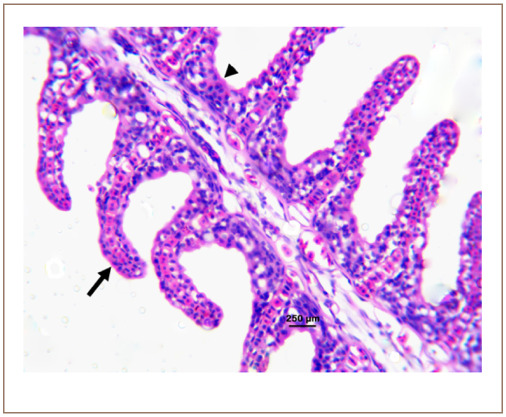
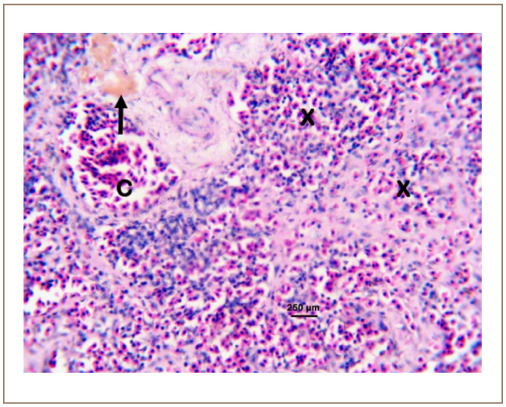
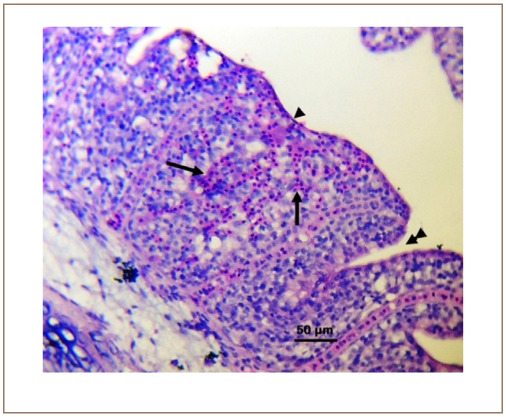
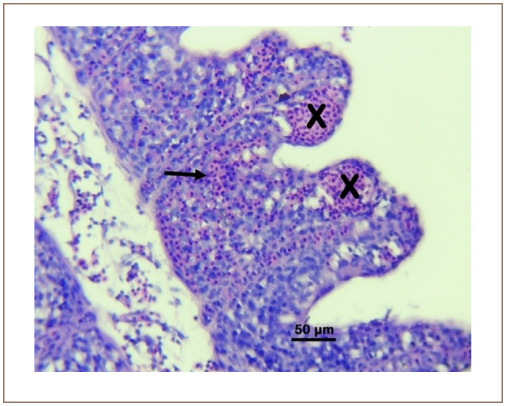
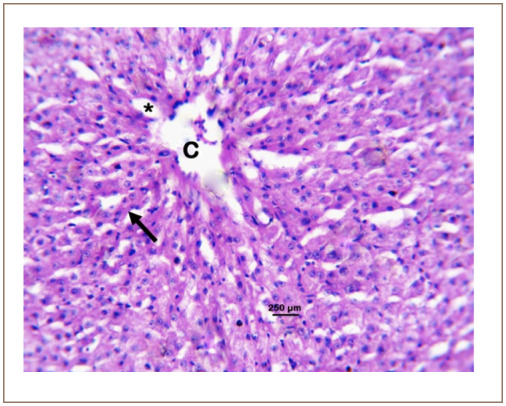
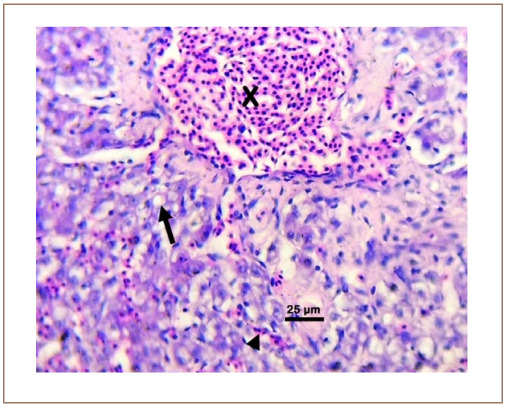
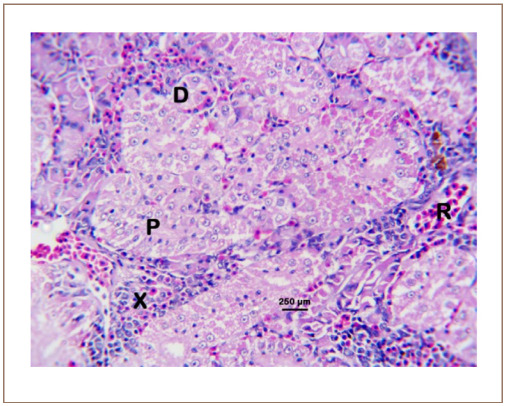
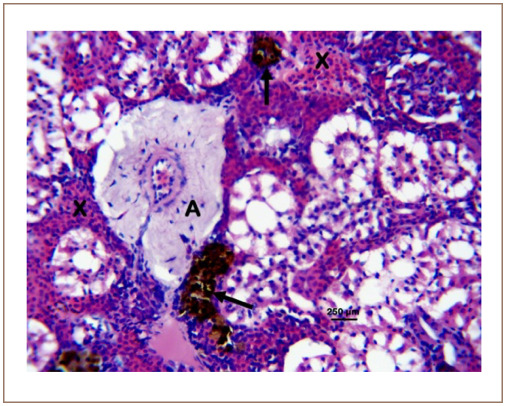
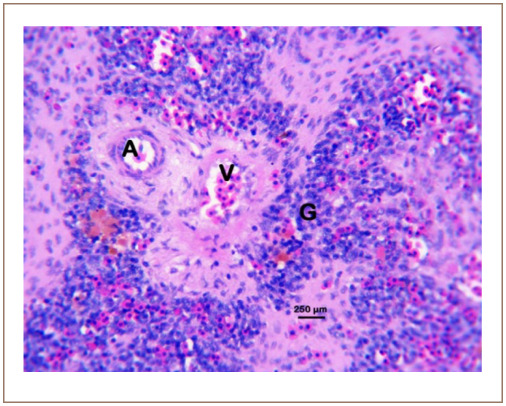
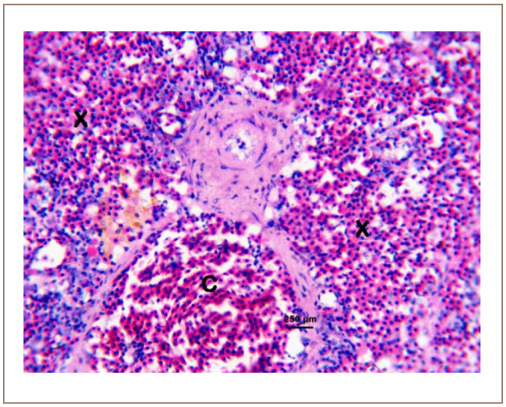
Levels of most heavy metals were above permissible limits, except for lower levels of zinc (Zn) in liver and muscle and higher levels of lead (Pb) in muscle in the sampled fish. Similarly, significant (p<0.05) liver bioaccumulation occurred for Zinc (Zn), chromium (Cr), iron (Fe), and copper (Cu) compared to their levels in muscle. The total hazard index (non-cancer risk across all metals) was 0.0415, which is very low and acceptable. The cancer risks ranged between the acceptable values of 1.98 × 10 - 3.71 × 10. Associated histopathological changes, which occurred in the sampled fish, differed between the various assayed tissues.
Most of the heavy metals were significantly bioaccumulated (p<0.05) and were above the permissible levels, particularly in liver samples. The levels of muscle heavy metal bioaccumulation in the sampled fish posed no apparent cancer or non-cancer health risks to human consumers. However, further efforts are needed to minimize heavy metal aquatic environmental pollution to safeguard the health of aquatic flora and fauna and human consumers because of the tendency of these pollutants to persist and bioaccumulate to toxic levels over time.
The authors declare no competing financial interests.
重金属对水体的污染已成为一个全球性问题,因其对水生生态系统有不利影响并可能被人体吸收,故而备受关注。
本研究旨在评估尼日利亚阿布贾一个鱼市所售鱼类体内重金属的组织生物累积情况、对人类健康可能存在的风险以及相关的细胞损伤。
于2017年3月至4月以及2018年3月至4月在尼日利亚阿布贾的卡多鱼市随机购买并采集了革胡子鲶样本。对所采集鱼类的重金属含量进行测定,并用于评估对人类消费者潜在健康风险的程度。还根据标准程序评估了所采集鱼类中与生物累积相关的组织病理学变化程度。
除所采集鱼类肝脏和肌肉中锌(Zn)含量较低以及肌肉中铅(Pb)含量较高外,大多数重金属含量均高于允许限值。同样,与肌肉中的含量相比,锌(Zn)、铬(Cr)、铁(Fe)和铜(Cu)在肝脏中的生物累积显著(p<0.05)。总危害指数(所有金属的非致癌风险)为0.0415,非常低且可接受。致癌风险在1.98×10至3.71×10的可接受值之间。所采集鱼类中出现的相关组织病理学变化在不同检测组织之间存在差异。
大多数重金属显著生物累积(p<0.05)且高于允许水平,尤其是在肝脏样本中。所采集鱼类肌肉中重金属的生物累积水平对人类消费者未构成明显的致癌或非致癌健康风险。然而,由于这些污染物有随着时间持续存在并生物累积至有毒水平的趋势,需要进一步努力尽量减少重金属对水环境造成的污染,以保障水生生物和人类消费者的健康。
作者声明不存在相互竞争的财务利益。