Yin Shuying, Song Mengqiu, Zhao Ran, Liu Xuejiao, Kang Woo Kyu, Lee Jeong Min, Kim Young Eun, Zhang Chengjuan, Shim Jung-Hyun, Liu Kangdong, Dong Zigang, Lee Mee-Hyun
Department of Pathophysiology, School of Basic Medical Sciences, Zhengzhou University, Zhengzhou, China.
China-US (Henan) Hormel Cancer Institute, Zhengzhou, China.
Front Cell Dev Biol. 2020 May 19;8:366. doi: 10.3389/fcell.2020.00366. eCollection 2020.
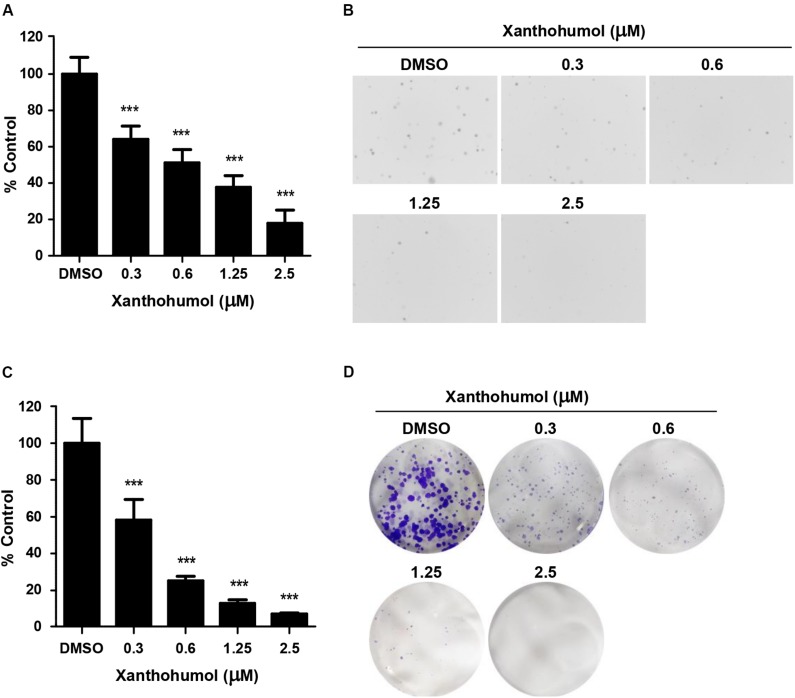
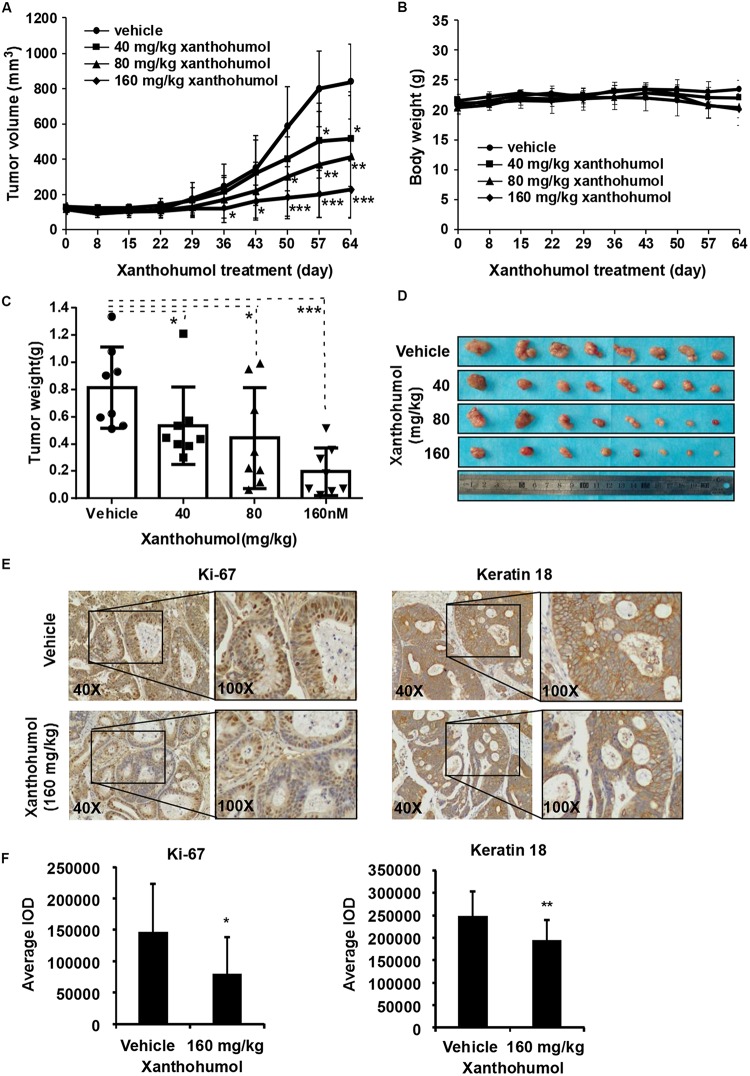
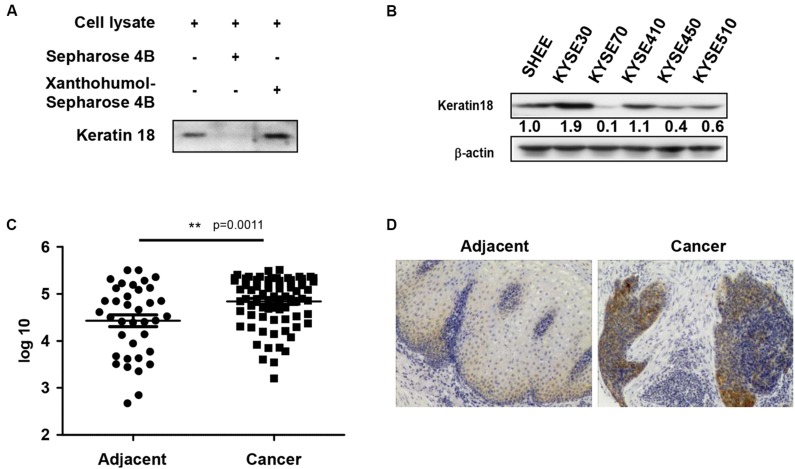
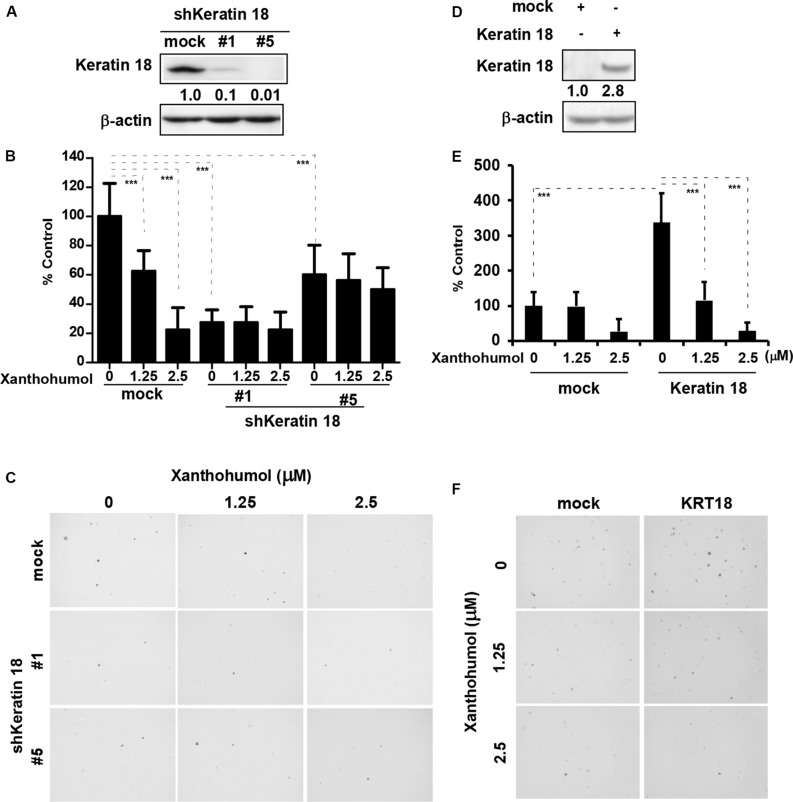
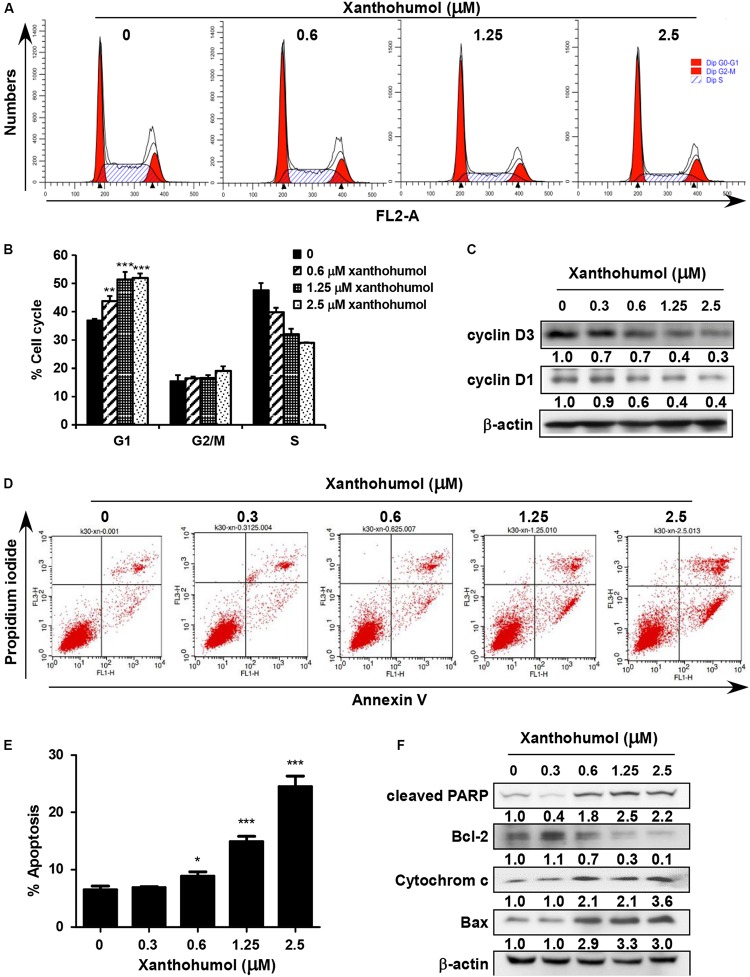
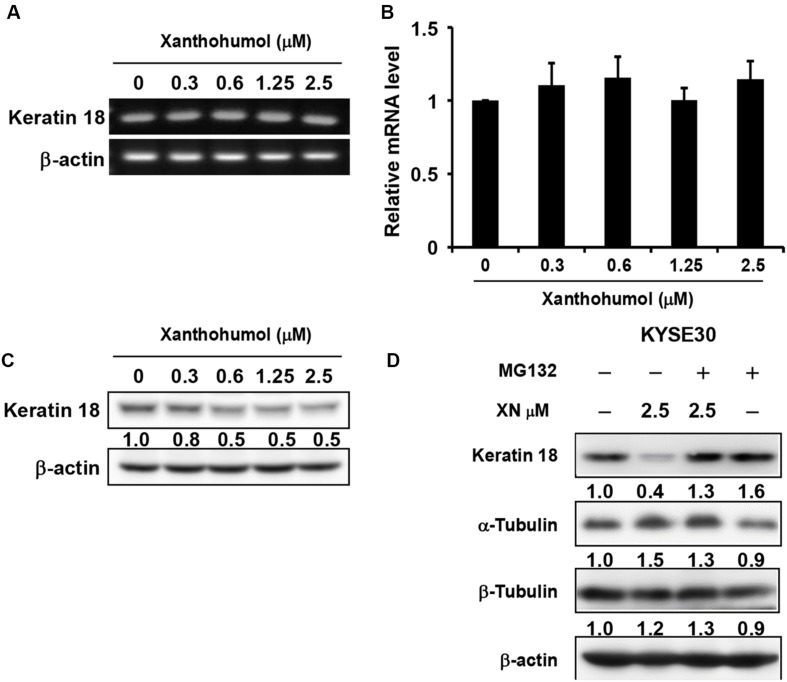
Esophageal squamous cell carcinoma (ESCC) is a leading cause of cancer-related death worldwide. Xanthohumol is a prenylated flavonoid isolated from . Although xanthohumol has been reported to exert anti-obesity, hypoglycemic, anti-hyperlipidemia and anti-cancer activities, the mechanisms underlying its chemotherapeutic activity are yet to be elucidated. In the present study, we found that xanthohumol inhibited ESCC cell proliferation and by targeting keratin (KRT)-18. Xanthohumol suppressed the proliferation, foci formation, and anchorage-independent colony growth of KYSE30 cells. Using xanthohumol-sepharose conjugated bead pull-down and mass/mass analysis, we found that KRT18 is a novel target of xanthohumol in KYSE30 cells. KRT18 protein was highly expressed in patient ESCC tissues compared to adjunct tissues. Anti-proliferative activity of xanthohumol was abrogated or enhanced according to the knockdown or overexpression of KRT18 protein, respectively. Xanthohumol also induced apoptosis and cell cycle arrest at G1 phase which was associated with the modulation of expression of related makers including cyclin D1, cyclin D3, and cleaved-PARP, Bcl-2, cytochrome c and Bax. While xanthohumol attenuated KRT18 protein expression, it failed to cause any change in the KRT18 mRNA level. Furthermore, oral administration of xanthohumol decreased tumor volume and weight in patient-derived xenografts (PDXs) tumors having overexpressed KRT18. Overall these results suggest that xanthohumol acts as a KRT18 regulator to suppress the growth of ESCC.
食管鳞状细胞癌(ESCC)是全球癌症相关死亡的主要原因之一。黄腐酚是一种从……中分离出的异戊烯基黄酮。尽管已有报道称黄腐酚具有抗肥胖、降血糖、抗高血脂和抗癌活性,但其化疗活性的潜在机制尚待阐明。在本研究中,我们发现黄腐酚通过靶向角蛋白(KRT)-18抑制ESCC细胞增殖。黄腐酚抑制了KYSE30细胞的增殖、集落形成和不依赖贴壁的集落生长。通过黄腐酚-琼脂糖偶联磁珠下拉和质谱/质谱分析,我们发现KRT18是黄腐酚在KYSE30细胞中的一个新靶点。与癌旁组织相比,KRT18蛋白在ESCC患者组织中高表达。黄腐酚的抗增殖活性分别根据KRT18蛋白的敲低或过表达而被消除或增强。黄腐酚还诱导细胞凋亡并使细胞周期停滞在G1期,这与细胞周期蛋白D1、细胞周期蛋白D3、裂解的聚(ADP-核糖)聚合酶、Bcl-2、细胞色素c和Bax等相关标志物表达的调节有关。虽然黄腐酚减弱了KRT18蛋白的表达,但它并未导致KRT18 mRNA水平发生任何变化。此外,口服黄腐酚可减小KRT18过表达的患者来源异种移植(PDX)肿瘤的体积和重量。总体而言,这些结果表明黄腐酚作为一种KRT18调节剂来抑制ESCC的生长。