Salguero Francisco J
Public Health England, Porton Down, Salisbury, United Kingdom.
Front Vet Sci. 2020 May 19;7:282. doi: 10.3389/fvets.2020.00282. eCollection 2020.
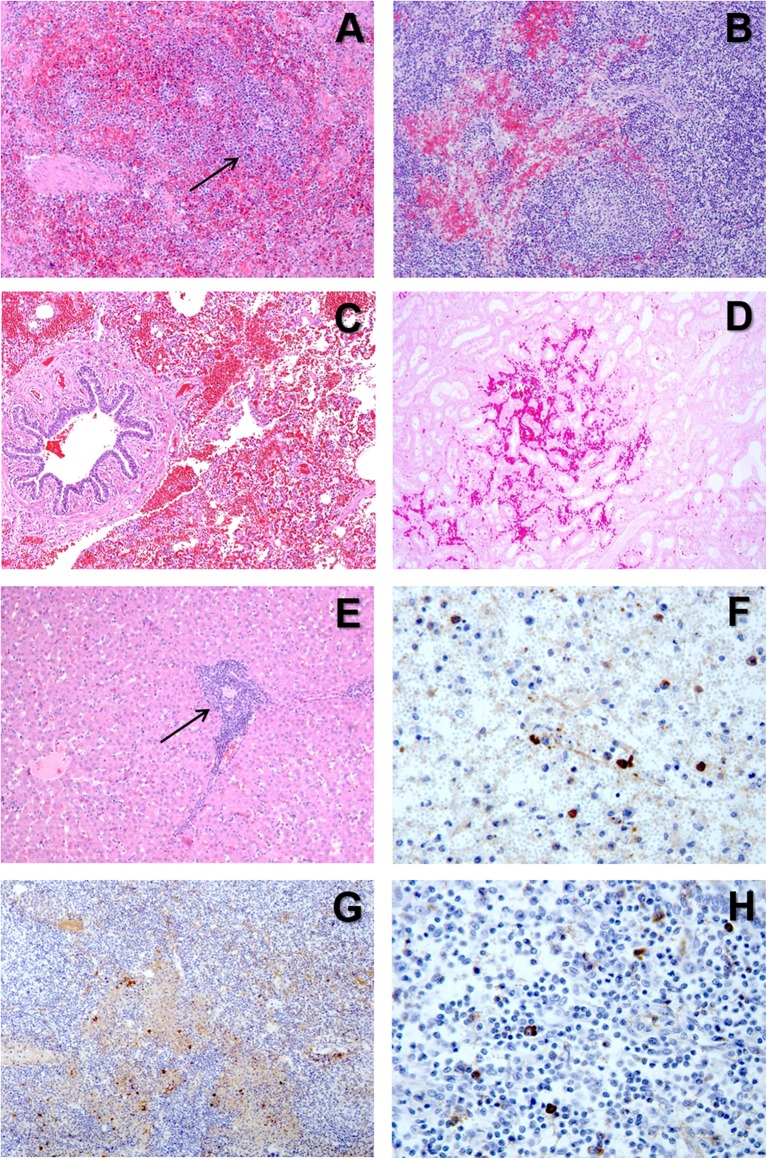
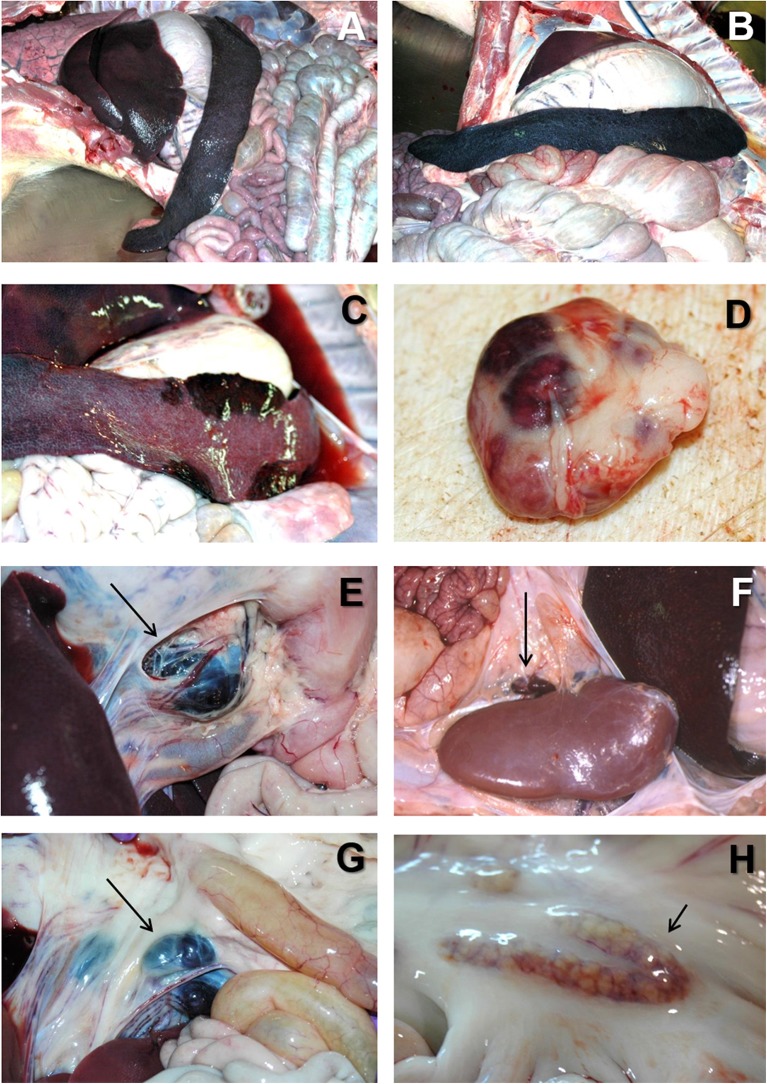
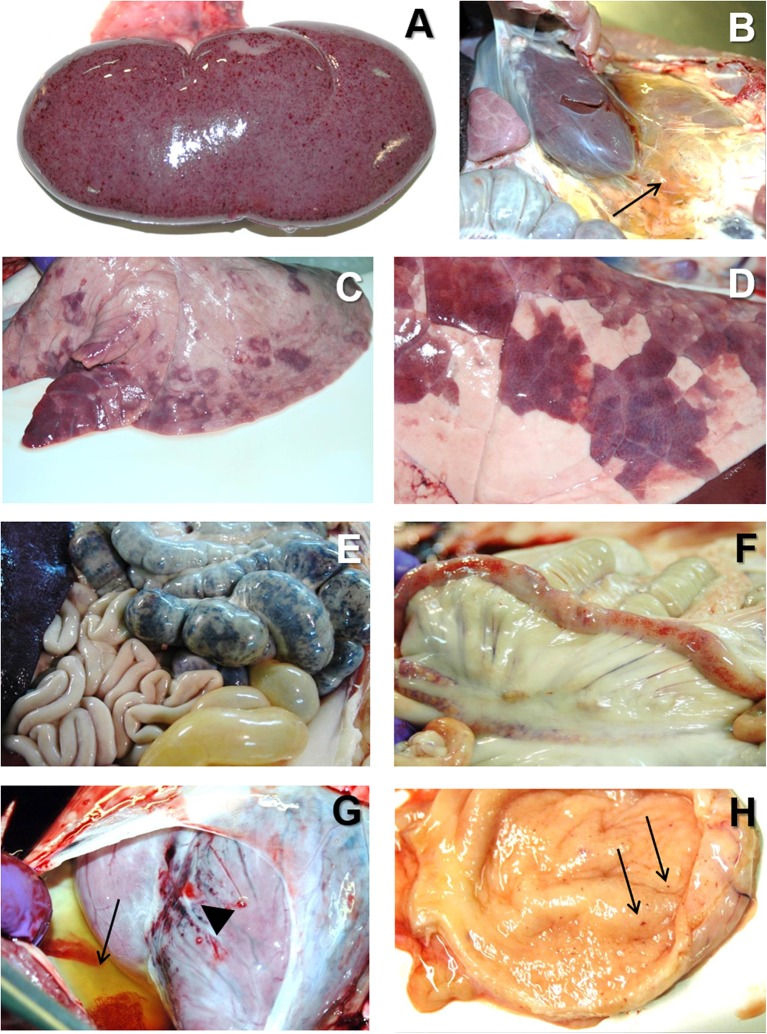
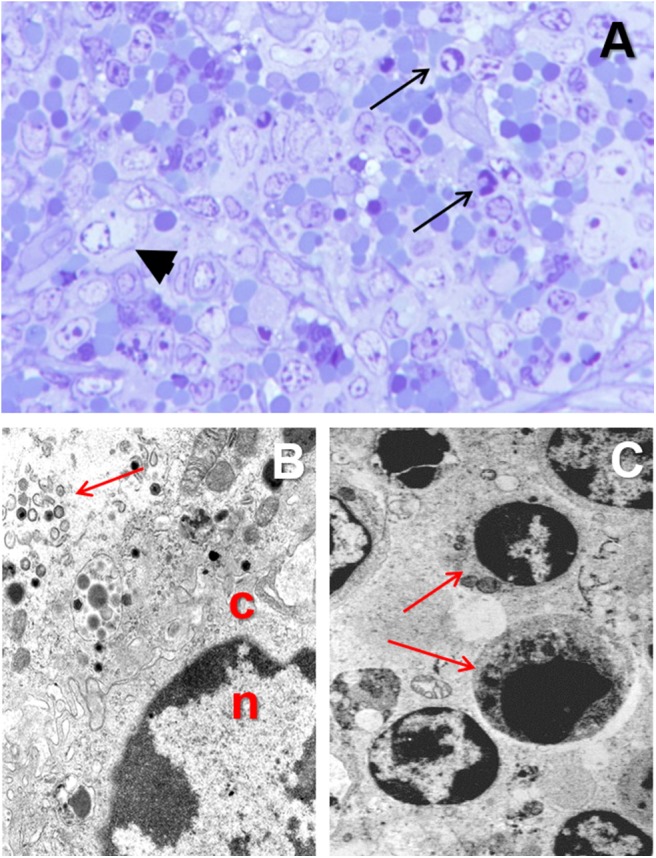
African Swine Fever (ASF) is a viral disease that affects animals of the family, and soft ticks from the genus can also be infected by the ASF virus (ASFV). The disease was first described in Africa at the beginning of the twentieth century as an acute disease characterized by high mortality and fatal hemorrhages. ASF has caused outbreaks in numerous countries and it continues to be devastating nowadays for the porcine sector in those countries affected, and a massive threat for those free of the disease. ASF can follow clinical courses from peracute to chronic in domestic pigs () depending on a variety of factors, including the immune status of the animals and the virulence of the ASFV strain. The key features of the pathogenesis of the disease in domestic swine are a) a severe lymphoid depletion including lymphopenia and a state of immunodeficiency, and b) hemorrhages. However, African wild swine like bushpigs (), red river hogs (), and warthogs () can be infected by ASFV showing no clinical signs of disease and acting as natural reservoir hosts. In this article we review the key features of the gross and microscopic pathology together with a description of the pathogenesis of ASFV infection in domestic pigs following the different clinical courses. The pathogenesis of ASF in wild and domestic swine is also described, what can provide important information for the design of control strategies, such as vaccines.
非洲猪瘟(ASF)是一种影响猪科动物的病毒性疾病,璃眼蜱属的软蜱也可被非洲猪瘟病毒(ASFV)感染。该疾病于20世纪初在非洲首次被描述为一种以高死亡率和致命性出血为特征的急性疾病。ASF已在许多国家引发疫情,如今对那些受影响国家的养猪业仍然具有毁灭性,对无病国家构成巨大威胁。在家猪中,ASF可呈现从超急性到慢性的临床病程(),这取决于多种因素,包括动物的免疫状态和ASFV毒株的毒力。家猪疾病发病机制的关键特征是:a)严重的淋巴细胞耗竭,包括淋巴细胞减少和免疫缺陷状态;b)出血。然而,非洲野猪,如大林猪()、红河猪()和疣猪(),可被ASFV感染但不表现出疾病的临床症状,并作为天然宿主。在本文中,我们回顾了大体和微观病理学的关键特征,并描述了ASFV在家猪中不同临床病程后的感染发病机制。还描述了ASF在野生和家猪中的发病机制,这可为疫苗等控制策略的设计提供重要信息。