School of Gerontology, Binzhou Medical University, Yantai, Shandong 264003, China; Key Laboratory of Tissue Microenvironment and Tumor, Shanghai Institute of Nutrition and Health, Shanghai Institutes for Biological Sciences, University of Chinese Academy of Sciences, Chinese Academy of Sciences, Shanghai 200031, China.
Department of Surgery and Cancer, Imperial College London, London, W12 0NN, UK.
Trends Biochem Sci. 2020 Jul;45(7):578-592. doi: 10.1016/j.tibs.2020.03.008. Epub 2020 Apr 6.
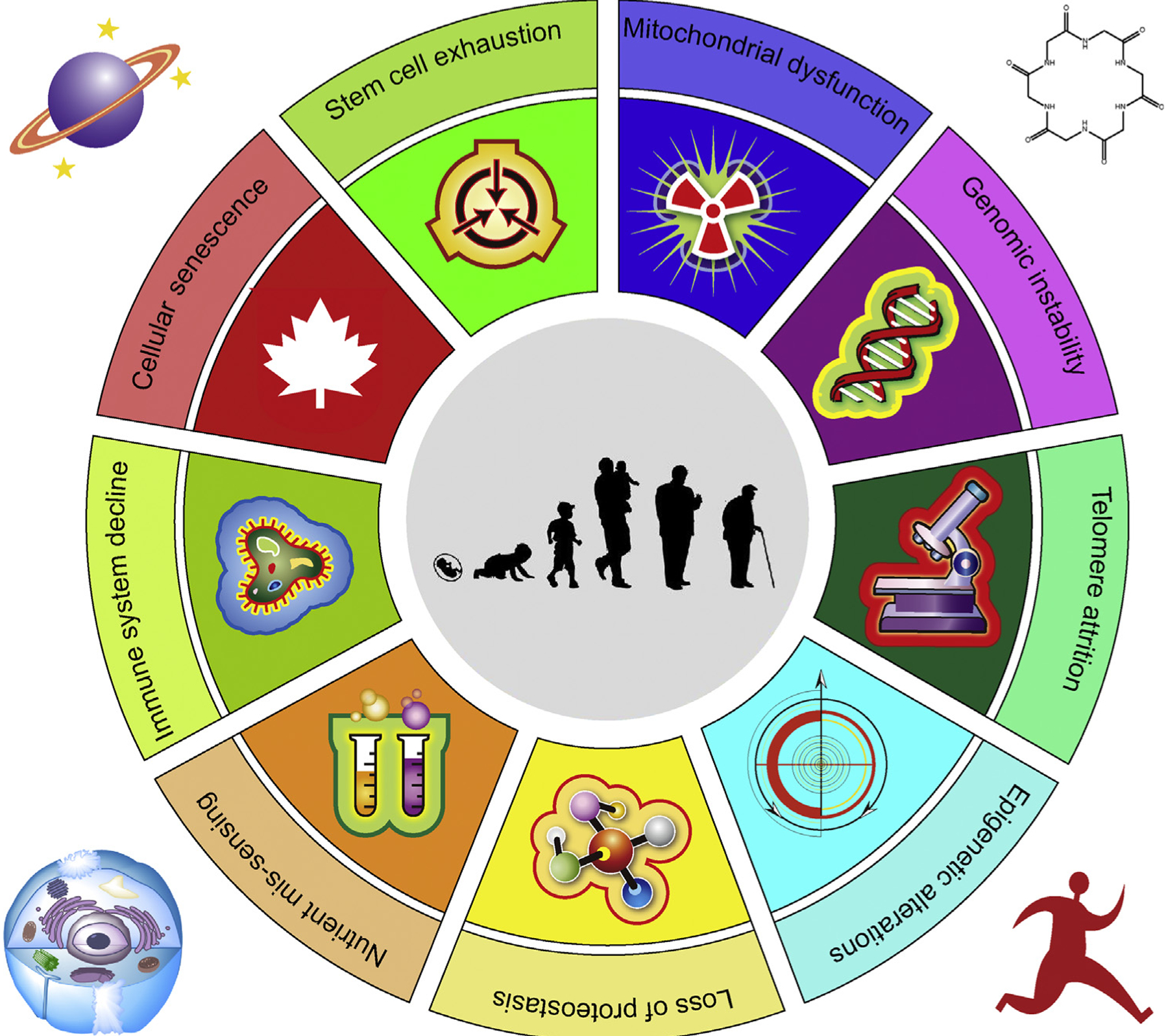
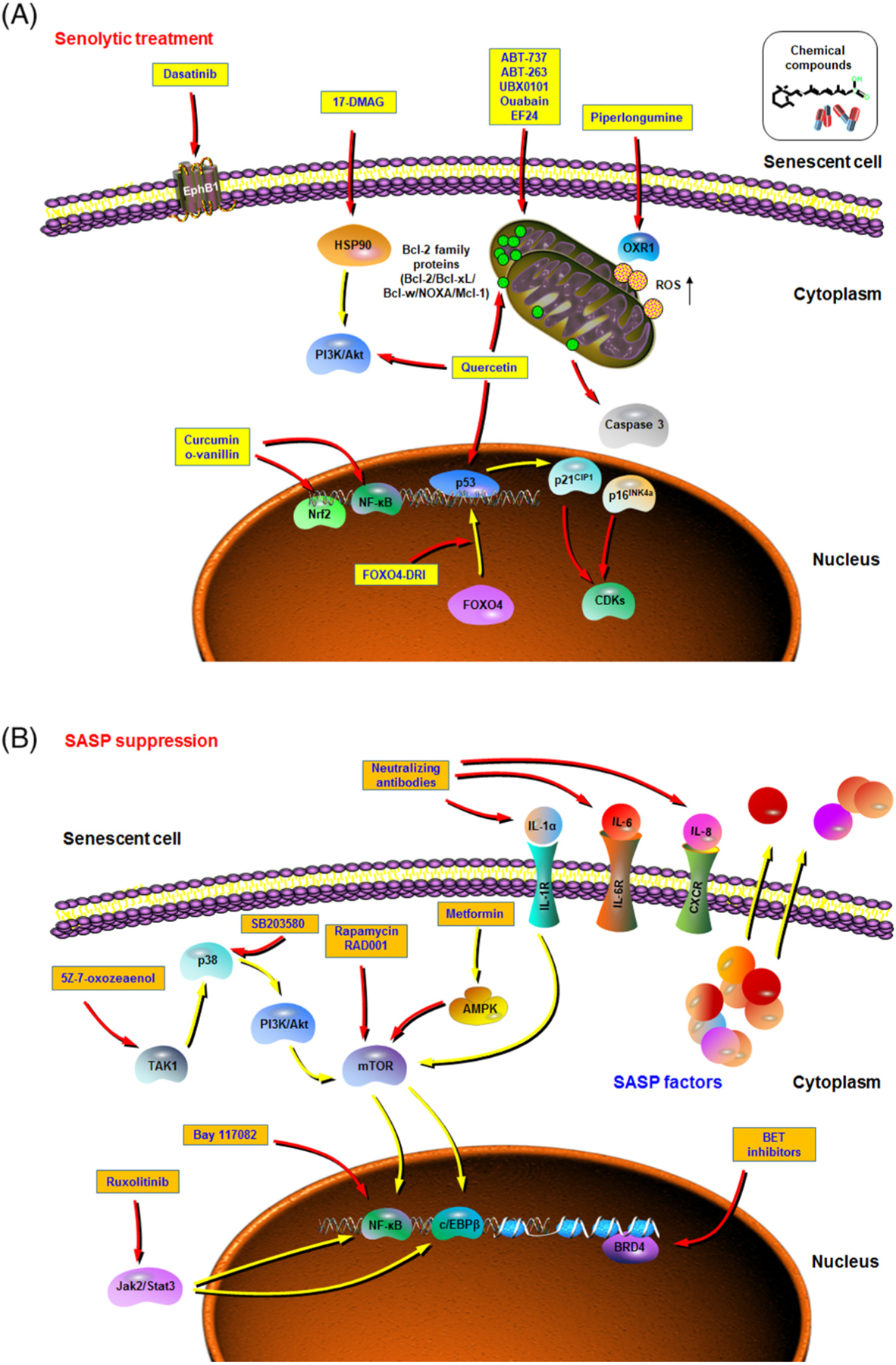
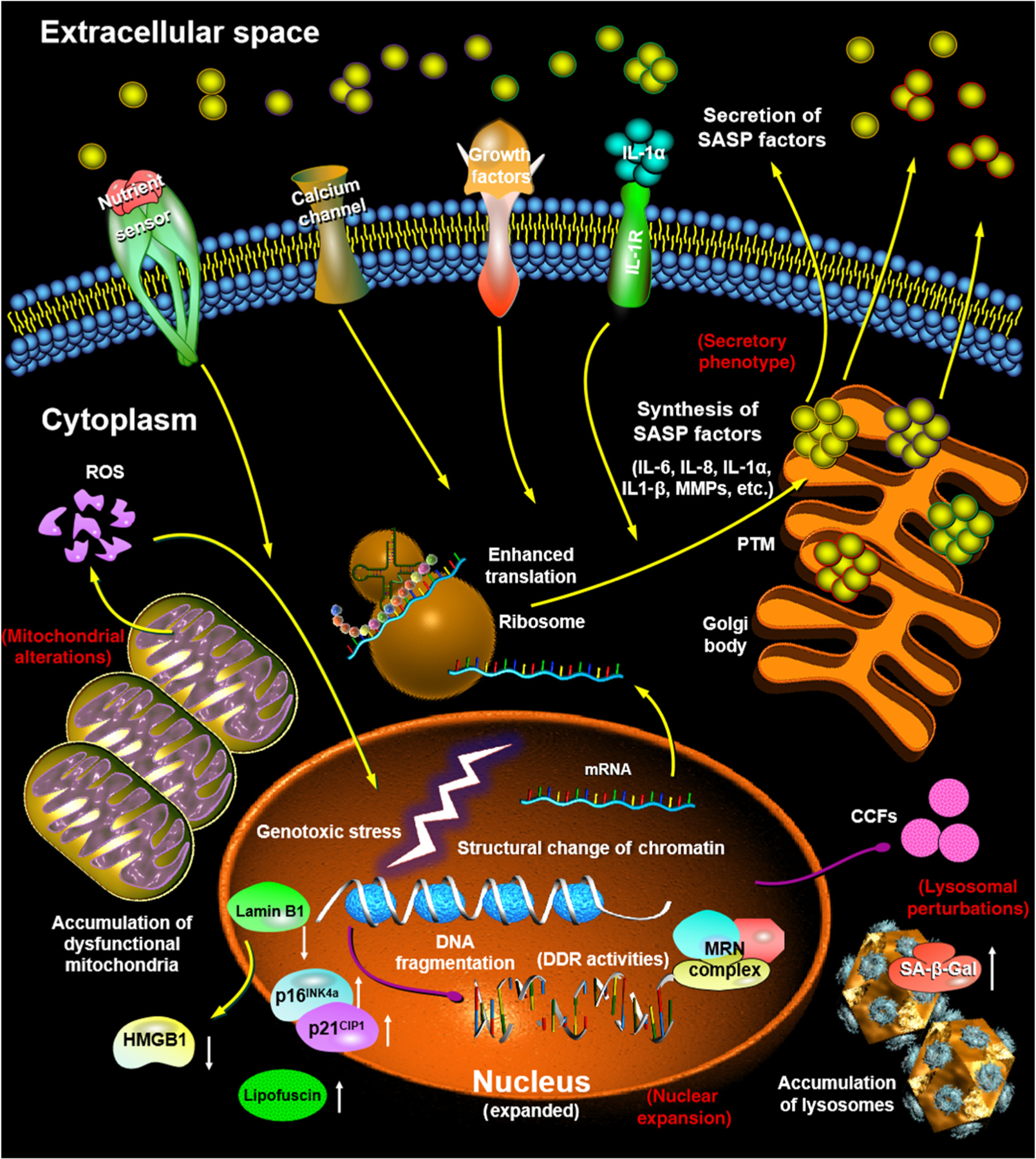
Aging is a major risk factor for numerous human pathologies, including cardiovascular, metabolic, musculoskeletal, and neurodegenerative conditions and various malignancies. While our understanding of aging is far from complete, recent advances suggest that targeting fundamental aging processes can delay, prevent, or alleviate age-related disorders. Cellular senescence is physiologically beneficial in several contexts, but it has causal roles in multiple chronic diseases. New studies have illustrated the promising feasibility and safety to selectively ablate senescent cells from tissues, a therapeutic modality that holds potential for treating multiple chronic pathologies and extending human healthspan. Here, we review molecular links between cellular senescence and age-associated complications and highlight novel therapeutic avenues that may be exploited to target senescent cells in future geriatric medicine.
衰老是许多人类病理的主要风险因素,包括心血管、代谢、肌肉骨骼和神经退行性疾病以及各种恶性肿瘤。尽管我们对衰老的了解还远远不够,但最近的进展表明,针对基本的衰老过程可以延缓、预防或减轻与年龄相关的疾病。细胞衰老在几种情况下具有生理益处,但它在多种慢性疾病中具有因果作用。新的研究表明,选择性地从组织中清除衰老细胞具有有希望的可行性和安全性,这一治疗方式可能对治疗多种慢性疾病和延长人类健康寿命具有潜在作用。在这里,我们回顾了细胞衰老与年龄相关并发症之间的分子联系,并强调了可能被利用来靶向老年医学中衰老细胞的新的治疗途径。