Wang Jinghan, Xu Chang, Cheng Qingbao, Zhao Jiangman, Wu Shouxin, Li Wushuang, Ma Wencong, Liu Chen, Jiang Xiaoqing
Department of Biliary Tract Surgery I, Third Affiliated Hospital of Second Military Medical University, Shanghai, China.
Shanghai Biotecan Pharmaceuticals Co., Ltd., Shanghai, China.
Front Oncol. 2020 May 29;10:823. doi: 10.3389/fonc.2020.00823. eCollection 2020.
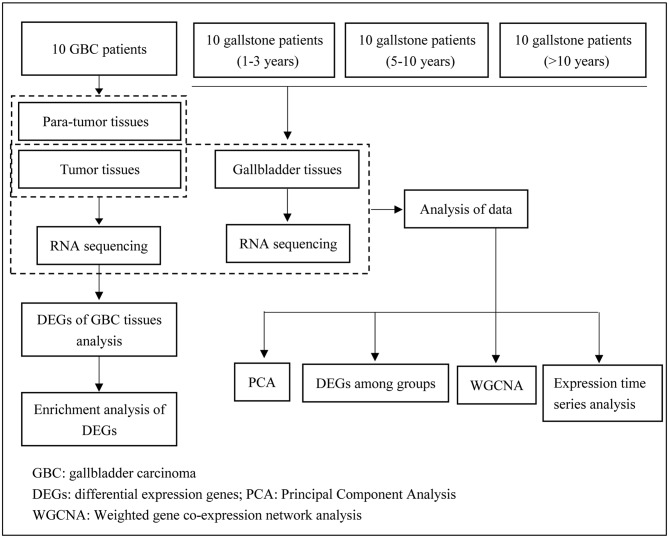
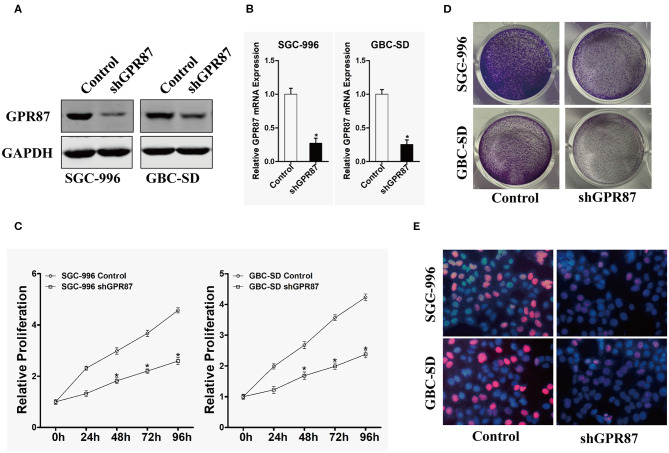
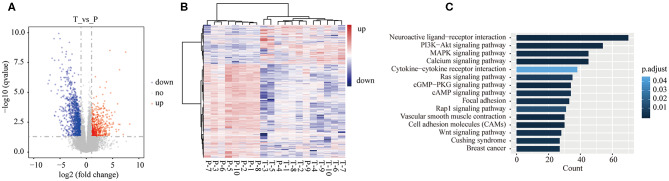
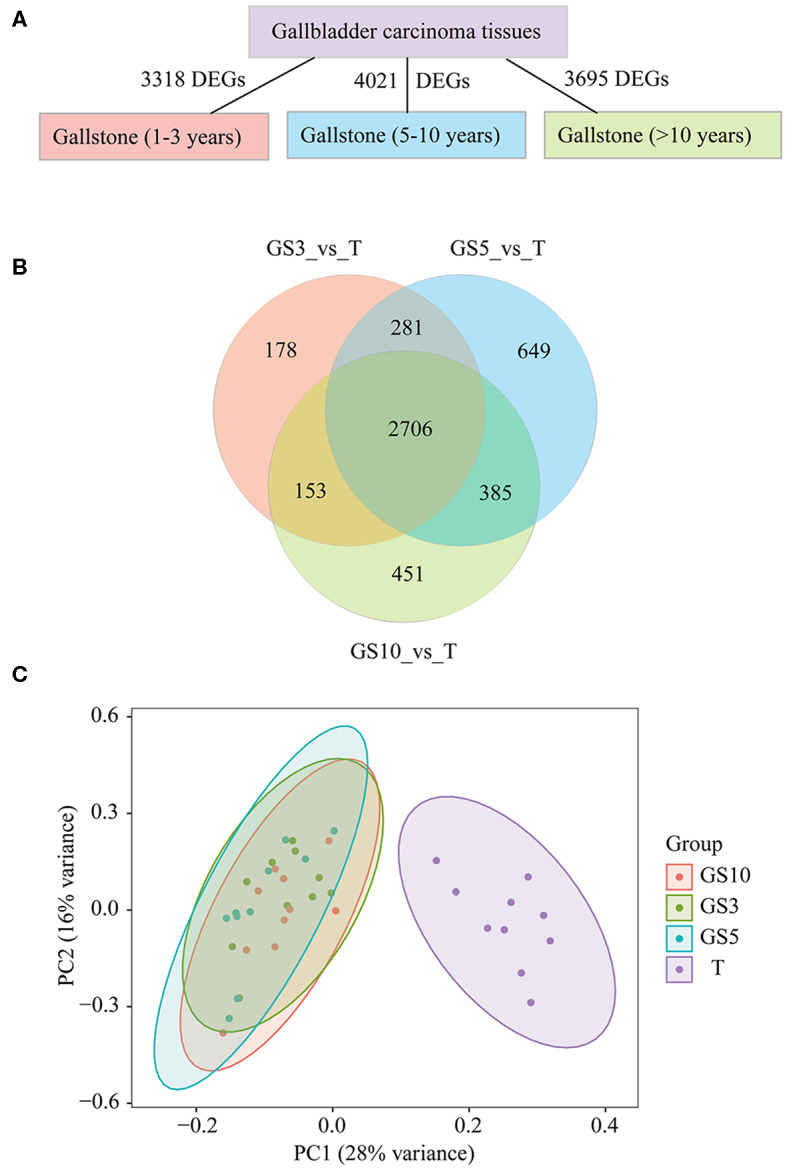
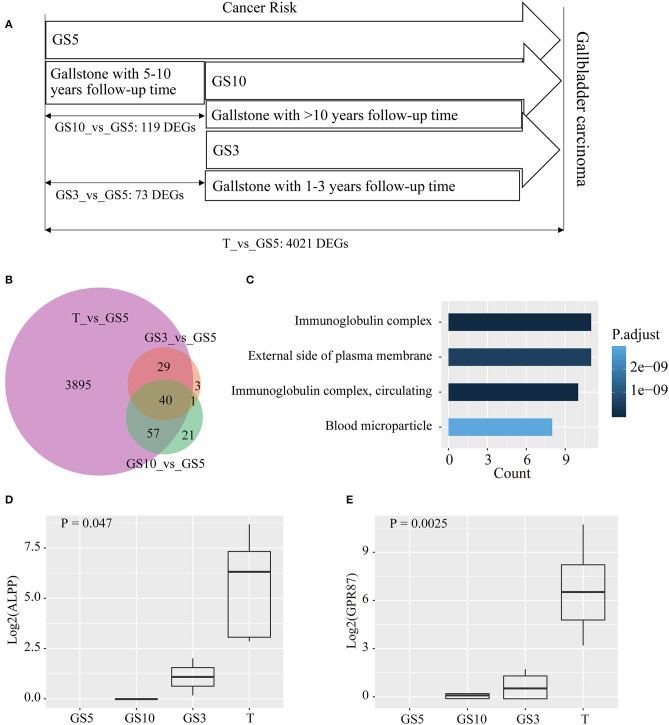
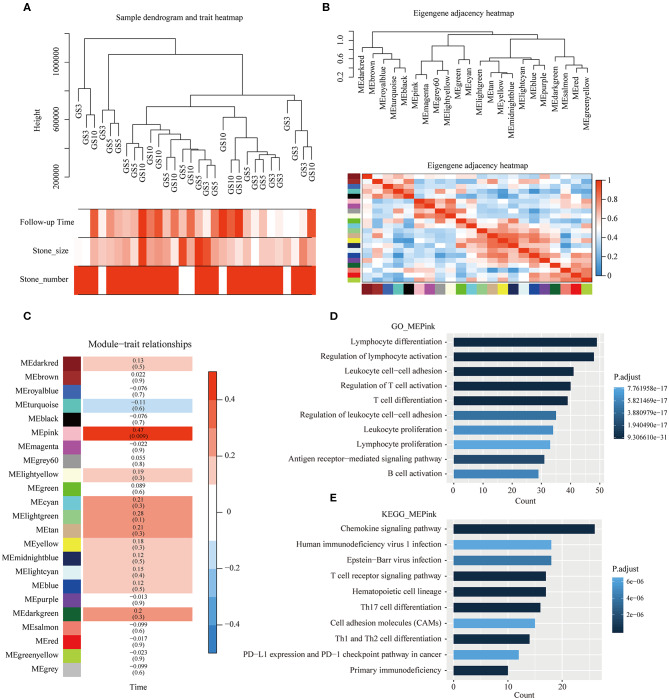
Gallbladder stone is a major risk factor for gallbladder carcinoma (GBC), while there is still a controversy whether period of follow-up since newly diagnoses of asymptomatic gallstones increases the risk of GBC. In this study, 10 GBC patients and 30 patients with gallstones were admitted to our hospital. Patients with gallstones were divided into 3 groups according to the follow-up time, involving 10 patients with follow-up period of 1-3 years (GS3 group), 10 patients with follow-up period of 5-10 years (GS5 group), and 10 patients with follow-up period of more than 10 years (GS10 group). Tumor and para-tumor tissues of GBC patients, and gallbladder tissues of gallstone patients were collected. RNA sequencing was performed on the 50 samples. Besides, 1,704 differentially expressed genes (DEGs) were identified in tumors compared with para-tumor tissues of 10 GBC patients, which were enriched into some well-known cancer-related pathways, such as PI3K-Akt, mitogen-activated protein kinase (MAPK), Ras, and Wnt signaling pathways, and the most significant pathway was neuroactive ligand-receptor interaction. Patients with gallstones with periods of follow-up equal to 1-3 and > 10 years showed to have higher cancer risk than those with 5-10 years. and are potential biomarkers for predicting cancer risk in patients with gallstones. The results revealed that GPR-87 can promote the proliferation, migration, and invasion of GBC cells. Herein, we explored the relationship between GBC patients and patients with gallstones with different periods of follow-up in transcriptome level.
胆囊结石是胆囊癌(GBC)的主要危险因素,然而自新诊断出无症状胆结石后的随访时间是否会增加GBC风险仍存在争议。在本研究中,10例GBC患者和30例胆结石患者入住我院。胆结石患者根据随访时间分为3组,包括10例随访期为1 - 3年的患者(GS3组)、10例随访期为5 - 10年的患者(GS5组)和10例随访期超过10年的患者(GS10组)。收集GBC患者的肿瘤及瘤旁组织,以及胆结石患者的胆囊组织。对这50个样本进行RNA测序。此外,在10例GBC患者的肿瘤与瘤旁组织中鉴定出1704个差异表达基因(DEG),这些基因富集到一些著名的癌症相关通路,如PI3K - Akt、丝裂原活化蛋白激酶(MAPK)、Ras和Wnt信号通路,最显著的通路是神经活性配体 - 受体相互作用。随访期为1 - 3年和>10年的胆结石患者显示出比5 - 10年的患者更高的癌症风险。 和 是预测胆结石患者癌症风险的潜在生物标志物。 结果显示GPR - 87可促进GBC细胞的增殖、迁移和侵袭。在此,我们在转录组水平上探讨了GBC患者与不同随访期胆结石患者之间的关系。