Dontsov Yury V, Panin Sergey V, Buslovich Dmitry G, Berto Filippo
Laboratory of Mechanics of Polymer Composite Materials, Institute of Strength Physics and Materials Science SB RAS, 634055 Tomsk, Russia.
Department of Materials Science, Engineering School of Advanced Manufacturing Technologies, National Research Tomsk Polytechnic University, 634030 Tomsk, Russia.
Materials (Basel). 2020 Jun 15;13(12):2718. doi: 10.3390/ma13122718.
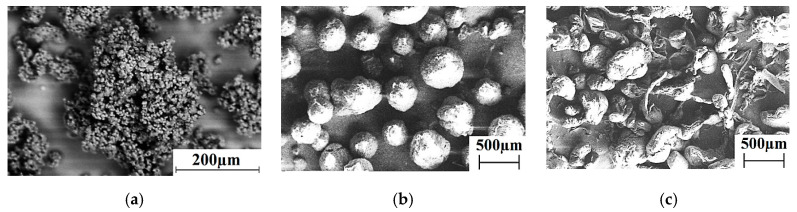
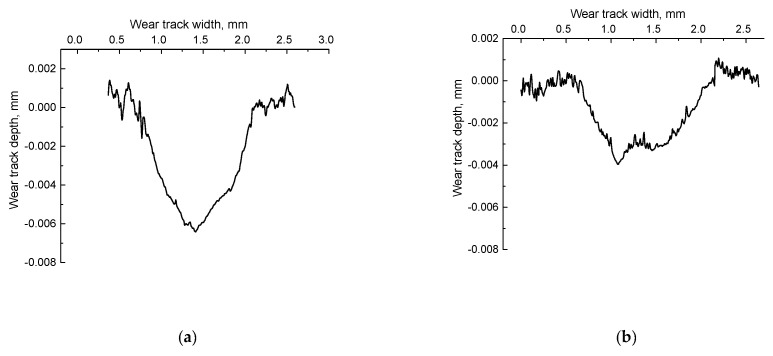
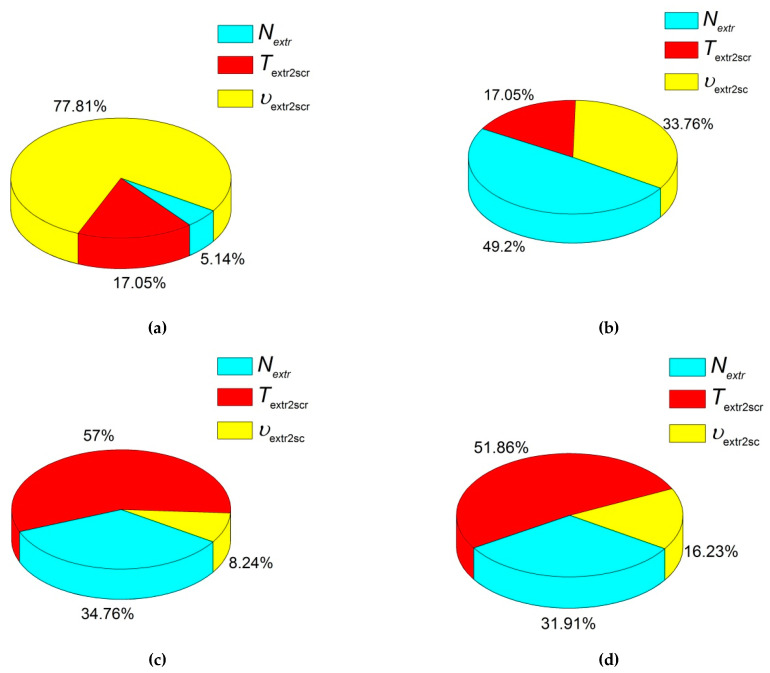
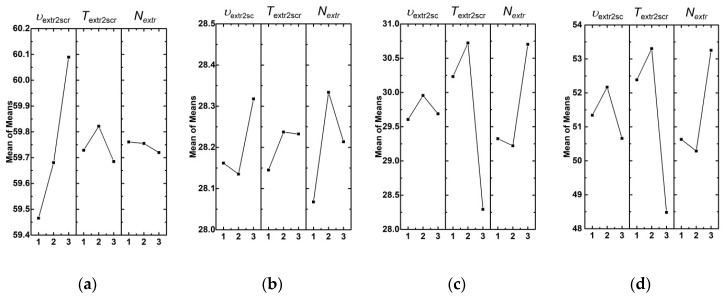
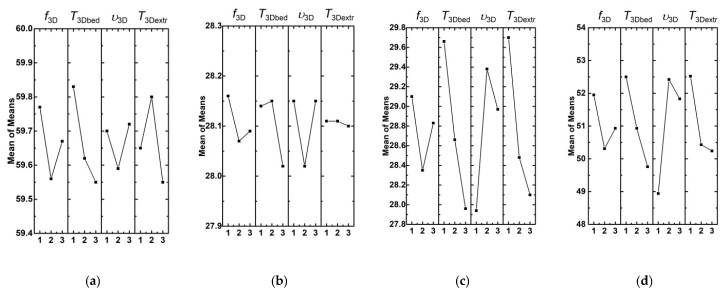
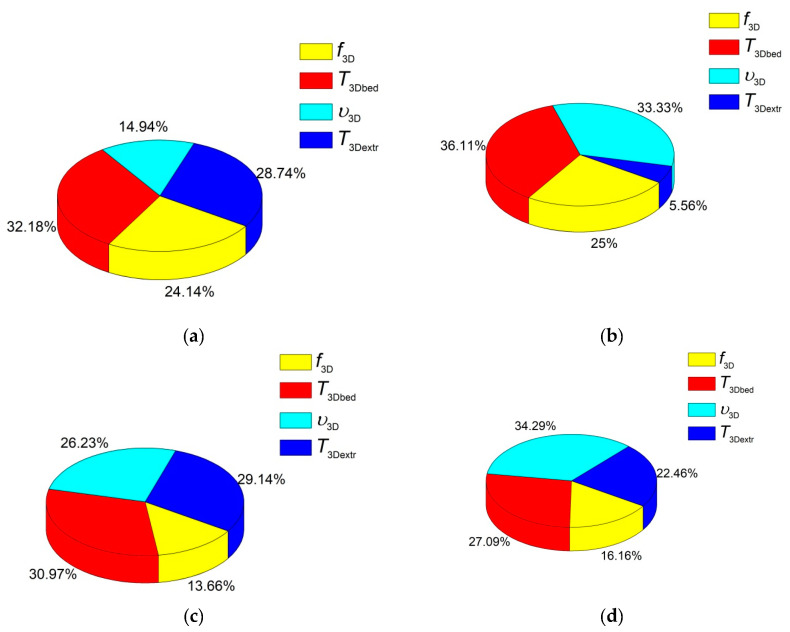
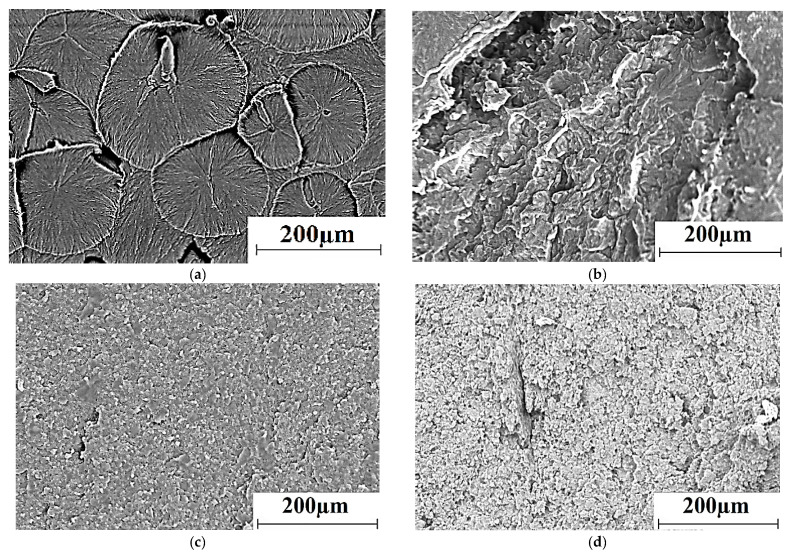
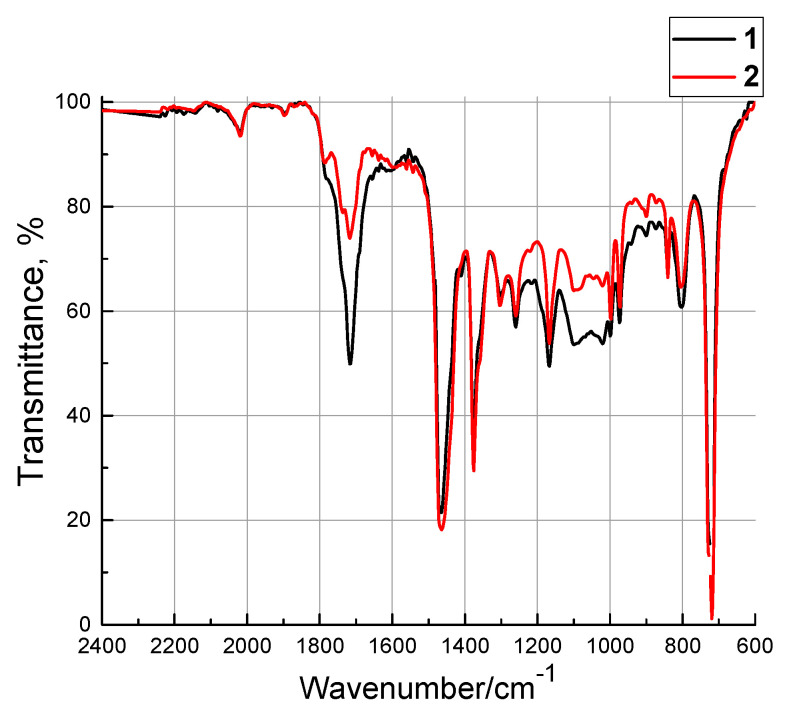
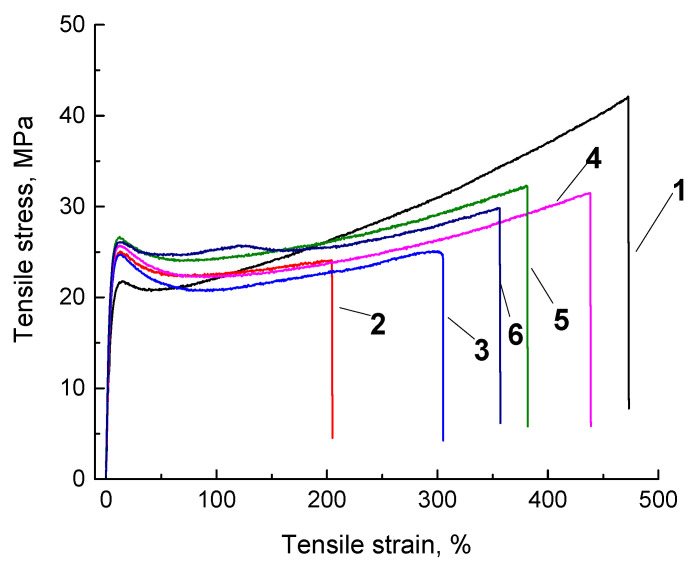
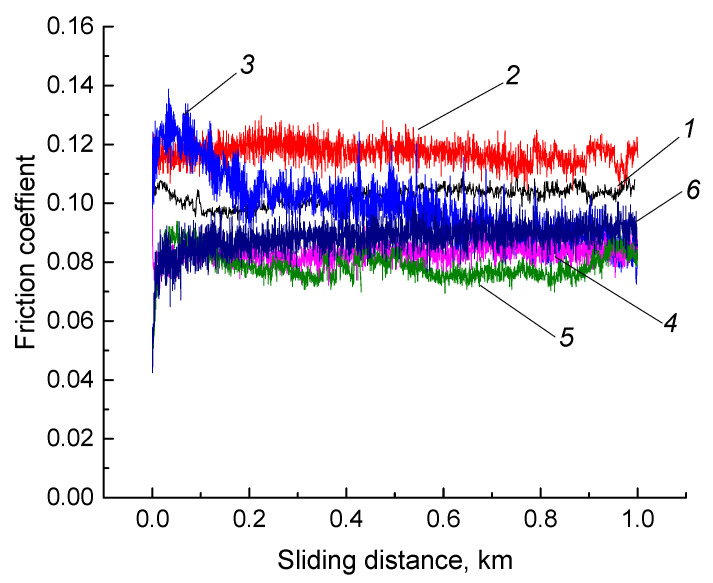
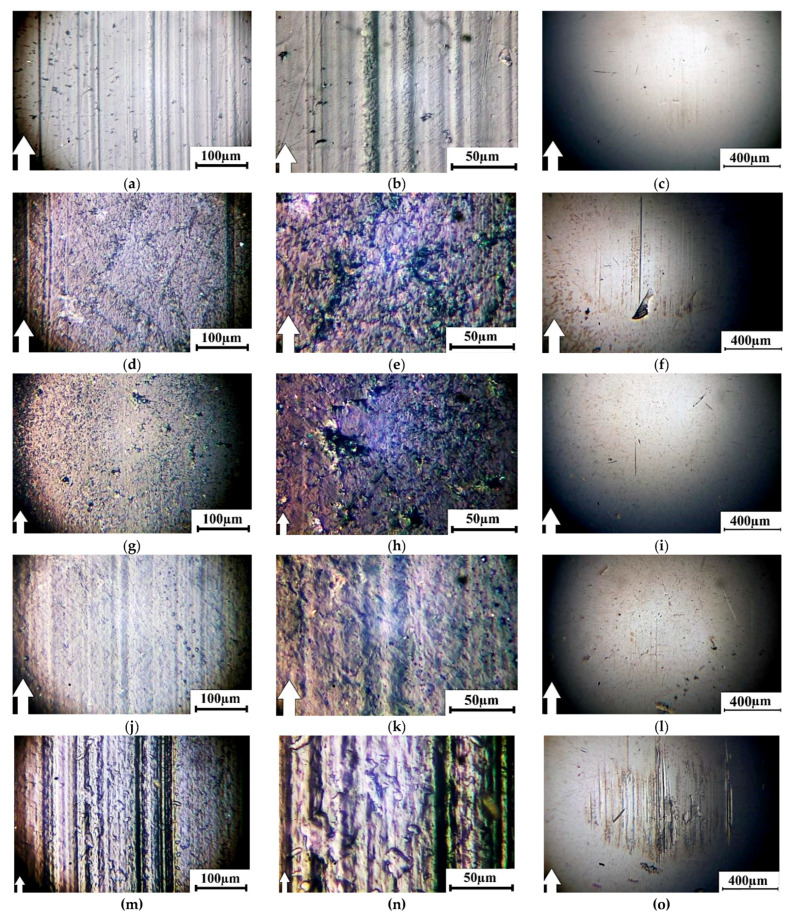
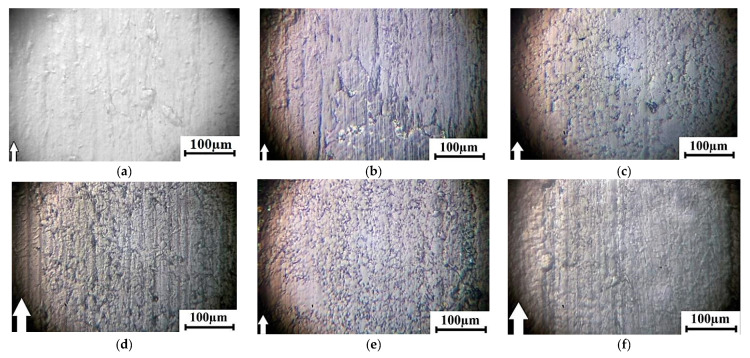
It is believed that the structure and properties of parts fabricated by additive (i.e., non-stationary) manufacturing are slightly worse compared to hot pressing. To further proceed with improving the quality of Fused Deposition Modeling 3D-printed parts, the 'UHMWPE + 17 wt.% HDPE-g-SMA + 12 wt.% PP' composite feedstock fabrication parameters, by the twin-screw extruder compounding and 3D printing (the Fused Deposition Modeling (FDM) process), were optimized using the Taguchi method. The optimization was carried out over the results of mechanical tests. The obtained results were interpreted in terms of (1) the uniformity of mixing of the polymer components upon compounding and (2) the homogeneity of the structure formed by the 3D printing. The values of the main factors (the processing parameters) were determined using the Taguchi method. Their application made it possible to improve the physical, mechanical, and tribological properties of the samples manufactured by the FDM method at the level of neat UHMWPE as well as the UHMWPE-based composites fabricated by compression sintering. A comparative analysis of the structure, as well as the mechanical and tribological properties of the composite obtained by the FDM method, and the hot pressing from 'optimized' feedstock was performed. The 'UHMWPE + 17 wt.% HDPE-g-SMA + 12 wt.% PP' composites fabricated by the optimal compounding and 3D printing parameters can be implemented for the additive manufacturing of complex shape products (including medical implants, transport, mining, and processing industries; in particular, in the Far North).
据信,与热压相比,通过增材(即非固定)制造方法制造的部件的结构和性能略差。为了进一步提高熔融沉积建模3D打印部件的质量,采用田口方法对“超高分子量聚乙烯+17重量%高密度聚乙烯接枝马来酸酐+12重量%聚丙烯”复合原料的制造参数进行了优化,该复合原料通过双螺杆挤出机共混和3D打印(熔融沉积建模(FDM)工艺)制备。优化是基于机械测试结果进行的。所得结果从以下两个方面进行了解释:(1)共混时聚合物组分的混合均匀性;(2)3D打印形成的结构的均匀性。主要因素(加工参数)的值采用田口方法确定。这些参数的应用使得通过FDM方法制造的样品的物理、机械和摩擦学性能在纯超高分子量聚乙烯以及通过压缩烧结制备的超高分子量聚乙烯基复合材料的水平上得到了改善。对通过FDM方法获得的复合材料以及由“优化”原料热压得到的复合材料的结构、机械和摩擦学性能进行了对比分析。通过最佳共混和3D打印参数制备的“超高分子量聚乙烯+17重量%高密度聚乙烯接枝马来酸酐+12重量%聚丙烯”复合材料可用于复杂形状产品的增材制造(包括医疗植入物、运输、采矿和加工行业;特别是在极北地区)。