Ismail Khairul Izwan, Yap Tze Chuen, Ahmed Rehan
School of Engineering and Physical Sciences, Heriot-Watt University Malaysia, No. 1, Jalan Venna P5/2, Precinct 5, Putrajaya 62200, Malaysia.
School of Engineering and Physical Sciences, Heriot-Watt University, Edinburgh EH14 4AS, UK.
Polymers (Basel). 2022 Nov 1;14(21):4659. doi: 10.3390/polym14214659.
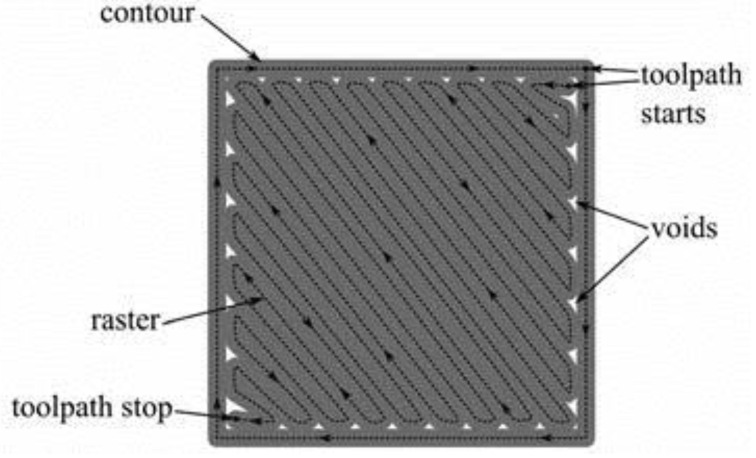
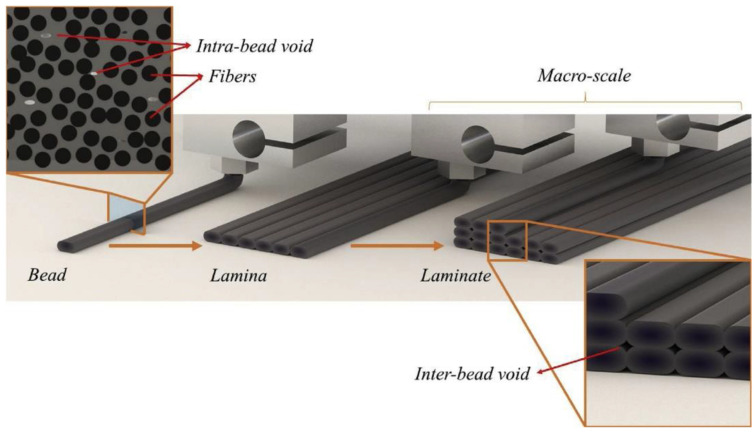
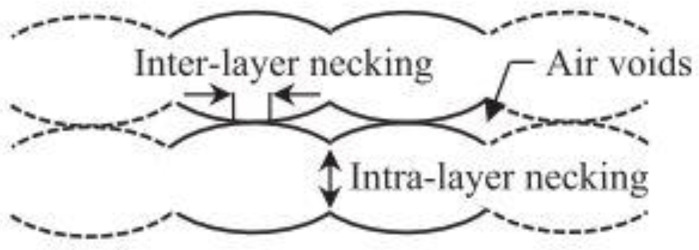
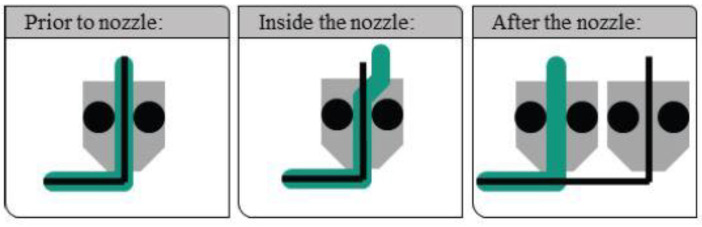
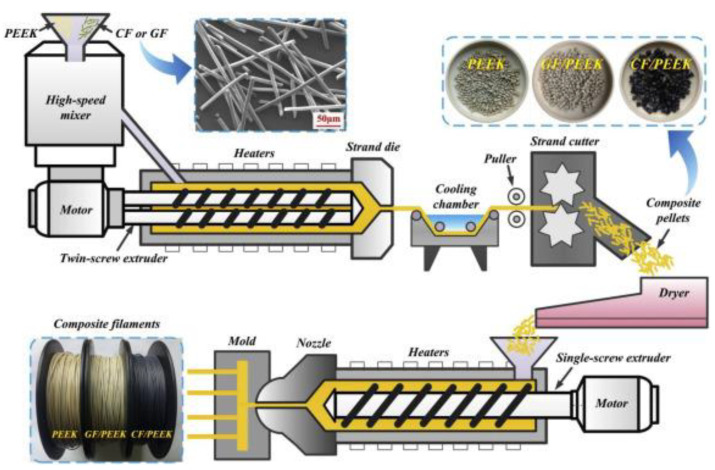
Fused Deposition Modelling (FDM) is an actively growing additive manufacturing (AM) technology due to its ability to produce complex shapes in a short time. AM, also known as 3-dimensional printing (3DP), creates the desired shape by adding material, preferably by layering contoured layers on top of each other. The need for low cost, design flexibility and automated manufacturing processes in industry has triggered the development of FDM. However, the mechanical properties of FDM printed parts are still weaker compared to conventionally manufactured products. Numerous studies and research have already been carried out to improve the mechanical properties of FDM printed parts. Reinforce polymer matrix with fiber is one of the possible solutions. Furthermore, reinforcement can enhance the thermal and electrical properties of FDM printed parts. Various types of fibers and manufacturing methods can be adopted to reinforce the polymer matrix for different desired outcomes. This review emphasizes the fiber types and fiber insertion techniques of FDM 3D printed fiber reinforcement polymer composites. A brief overview of fused deposition modelling, polymer sintering and voids formation during FDM printing is provided, followed by the basis of fiber reinforced polymer composites, type of fibers (synthetic fibers vs. natural fibers, continuous vs. discontinuous fiber) and the composites' performance. In addition, three different manufacturing methods of fiber reinforced thermoplastics based on the timing and location of embedding the fibers, namely 'embedding before the printing process (M1)', 'embedding in the nozzle (M2)', and 'embedding on the component (M3)', are also briefly reviewed. The performance of the composites produced by three different methods were then discussed.
熔融沉积建模(FDM)是一种正在积极发展的增材制造(AM)技术,因为它能够在短时间内制造出复杂形状。增材制造,也称为三维打印(3DP),是通过添加材料来创建所需形状的,最好是通过将轮廓层逐层叠加。工业界对低成本、设计灵活性和自动化制造工艺的需求推动了FDM的发展。然而,与传统制造的产品相比,FDM打印部件的机械性能仍然较弱。已经进行了大量的研究来改善FDM打印部件的机械性能。用纤维增强聚合物基体是一种可能的解决方案。此外,增强还可以提高FDM打印部件的热性能和电性能。可以采用各种类型的纤维和制造方法来增强聚合物基体以获得不同的预期效果。本综述重点介绍了FDM 3D打印纤维增强聚合物复合材料的纤维类型和纤维插入技术。简要概述了熔融沉积建模、聚合物烧结以及FDM打印过程中的孔隙形成,随后介绍了纤维增强聚合物复合材料的基础、纤维类型(合成纤维与天然纤维、连续纤维与不连续纤维)以及复合材料的性能。此外,还简要回顾了基于纤维嵌入的时间和位置的三种不同的纤维增强热塑性塑料制造方法,即“在打印过程之前嵌入(M1)”、“在喷嘴中嵌入(M2)”和“在部件上嵌入(M3)”。然后讨论了三种不同方法生产的复合材料的性能。