Division of Thoracic Surgery, City of Hope National Medical Center, Duarte, CA, 91010, USA.
Department of System Biology, Beckman Research Institute, City of Hope National Medical Centre, Duarte, CA, USA.
Clin Epigenetics. 2020 Jun 17;12(1):88. doi: 10.1186/s13148-020-00879-5.
Eukaryotic histone methyltransferases 2 (EHMT2 or G9A) has been regarded as a potential target for non-small cell lung cancer (NSCLC) therapy. This study investigated the regulatory roles of G9A in tumorigenesis and stemness in NSCLC. We isolated and enriched tumor-initiating cells (TIC) from surgically resected NSCLC tissues by FACS and sphere formation assays. We then knocked down G9A using shRNA and carried out genome-wide 850K methylation array and RNA sequencing analyses. We carried out in vivo tumorigenecity asssay using mice xenografts and examined G9A interactions with its novel target using chromatin Immunoprecipitation (ChIP).
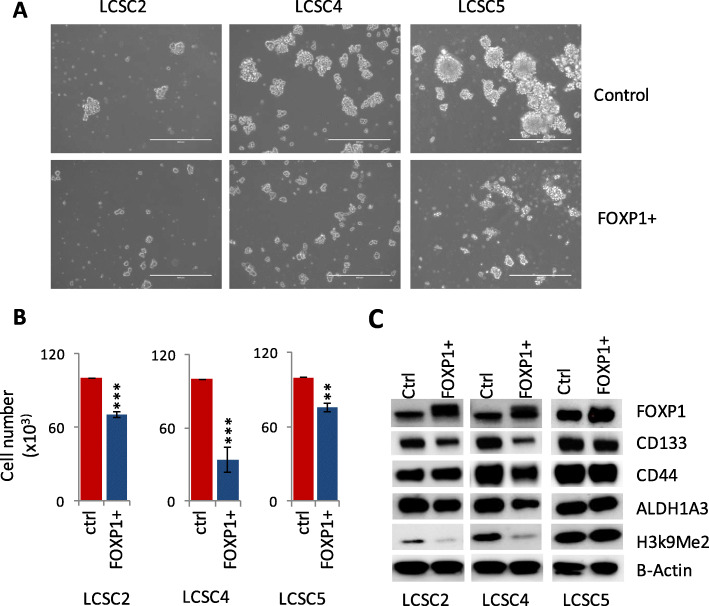
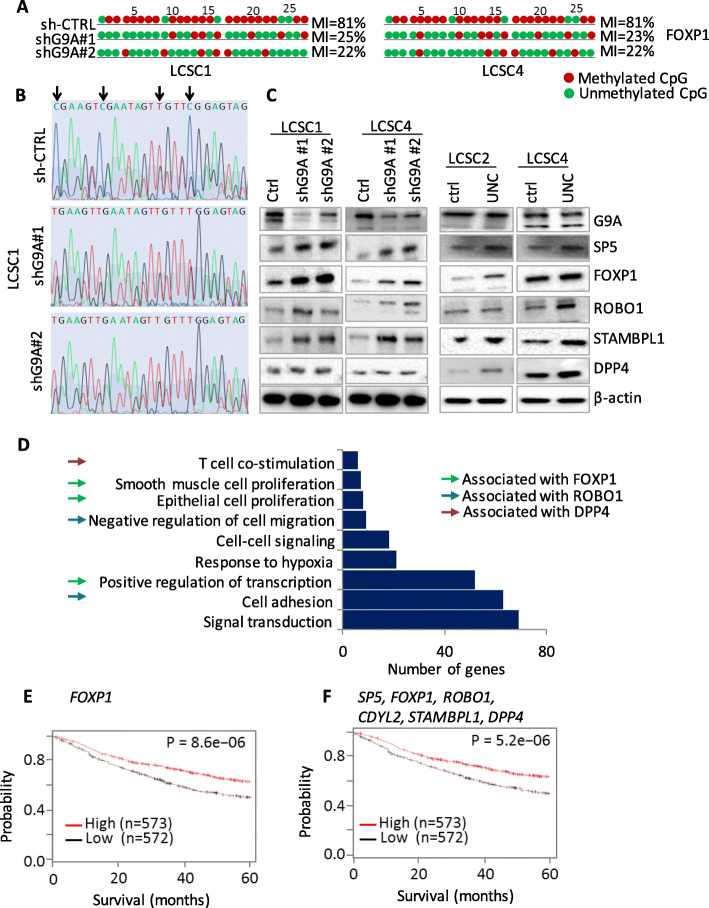
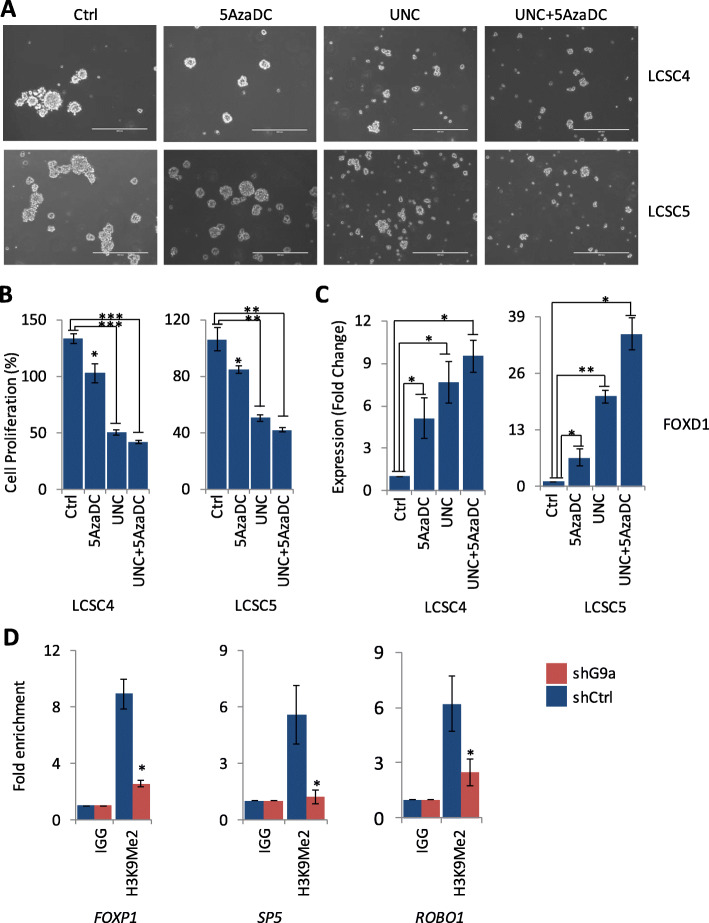
We identified 67 genes hypomethylated and 143 genes upregulated following G9A knockdown of which 43 genes were both hypomethylated and upregulated. We selected six genes (CDYL2, DPP4, SP5, FOXP1, STAMBPL1, and ROBO1) for validation. In addition, G9A expression was higher in TICs and targeting G9a by shRNA knockdown or by selective inhibitor UNC0642 significantly inhibited the expression of cancer stem cell markers and sphere forming capacity, in vitro proliferation, and in vivo growth. Further, transient overexpression of FOXP1, a protein may promote normal stem cell differentiation, in TICs resulted in downregulation of stem cell markers and sphere forming capacity and cell proliferation in vitro indicating that the genes we identified are directly regulated by G9A through aberrant DNA methylation and subsequent expression. Similarly, ChIP assay has shown that G9a interacts with its target genes through H3K9me2 and downregulation of H3K9me2 following G9a knockdown disrupts its interaction with its target genes.
These data suggest that G9A is involved in lung cancer stemness through epigenetic mechanisms of maintaining DNA methylation of multiple lung cancer stem cell genes and their expression. Further, targeting G9A or its downstream genes could be a novel therapeutic approach in treating NSCLC patients.
真核组蛋白甲基转移酶 2(EHMT2 或 G9A)已被视为非小细胞肺癌(NSCLC)治疗的潜在靶点。本研究探讨了 G9A 在 NSCLC 肿瘤发生和干性中的调节作用。我们通过 FACS 和球体形成测定从手术切除的 NSCLC 组织中分离和富集肿瘤起始细胞(TIC)。然后,我们使用 shRNA 敲低 G9A,并进行全基因组 850K 甲基化阵列和 RNA 测序分析。我们使用小鼠异种移植进行体内致瘤性测定,并使用染色质免疫沉淀(ChIP)检查 G9A 与其新型靶标的相互作用。
我们鉴定出 67 个基因低甲基化和 143 个基因上调,其中 43 个基因既低甲基化又上调。我们选择了六个基因(CDYL2、DPP4、SP5、FOXP1、STAMBPL1 和 ROBO1)进行验证。此外,G9A 在 TIC 中的表达更高,通过 shRNA 敲低或选择性抑制剂 UNC0642 靶向 G9a 显著抑制了癌症干细胞标志物的表达和球体形成能力、体外增殖和体内生长。此外,FOXP1(一种可能促进正常干细胞分化的蛋白质)的瞬时过表达在 TIC 中导致干细胞标志物和球体形成能力以及体外细胞增殖的下调,表明我们鉴定的基因直接受 G9A 通过异常 DNA 甲基化和随后的表达调节。同样,ChIP 测定表明,G9a 通过 H3K9me2 与其靶基因相互作用,并且 G9a 敲低后 H3K9me2 的下调破坏了其与靶基因的相互作用。
这些数据表明,G9A 通过维持多个肺癌干细胞基因的 DNA 甲基化及其表达的表观遗传机制参与肺癌干性。此外,靶向 G9A 或其下游基因可能是治疗 NSCLC 患者的一种新的治疗方法。