Radiation Oncology Branch and Radiation Biology Branch, Center for Cancer Research, National Cancer Institute, Bethesda, Maryland.
Department of Radiation Oncology, Stanford University School of Medicine, Stanford, California.
Clin Cancer Res. 2020 Nov 15;26(22):5781-5790. doi: 10.1158/1078-0432.CCR-20-0572. Epub 2020 Jun 17.
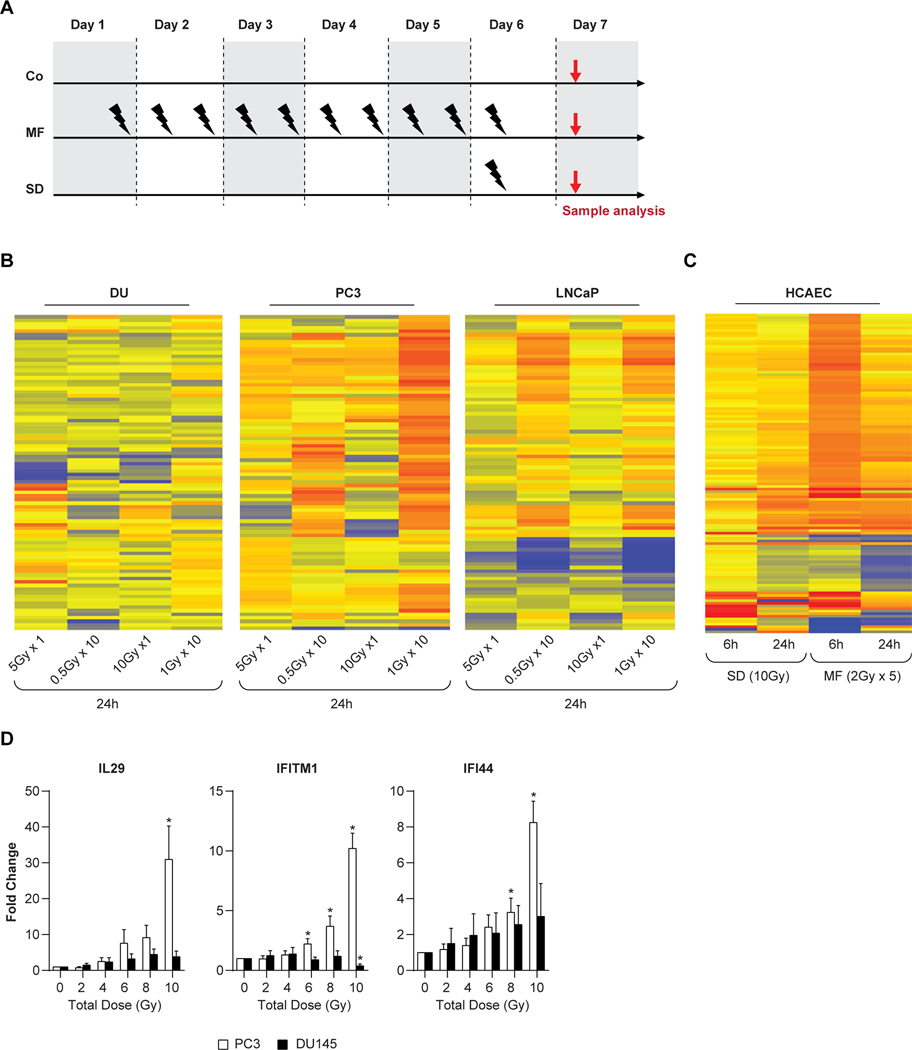
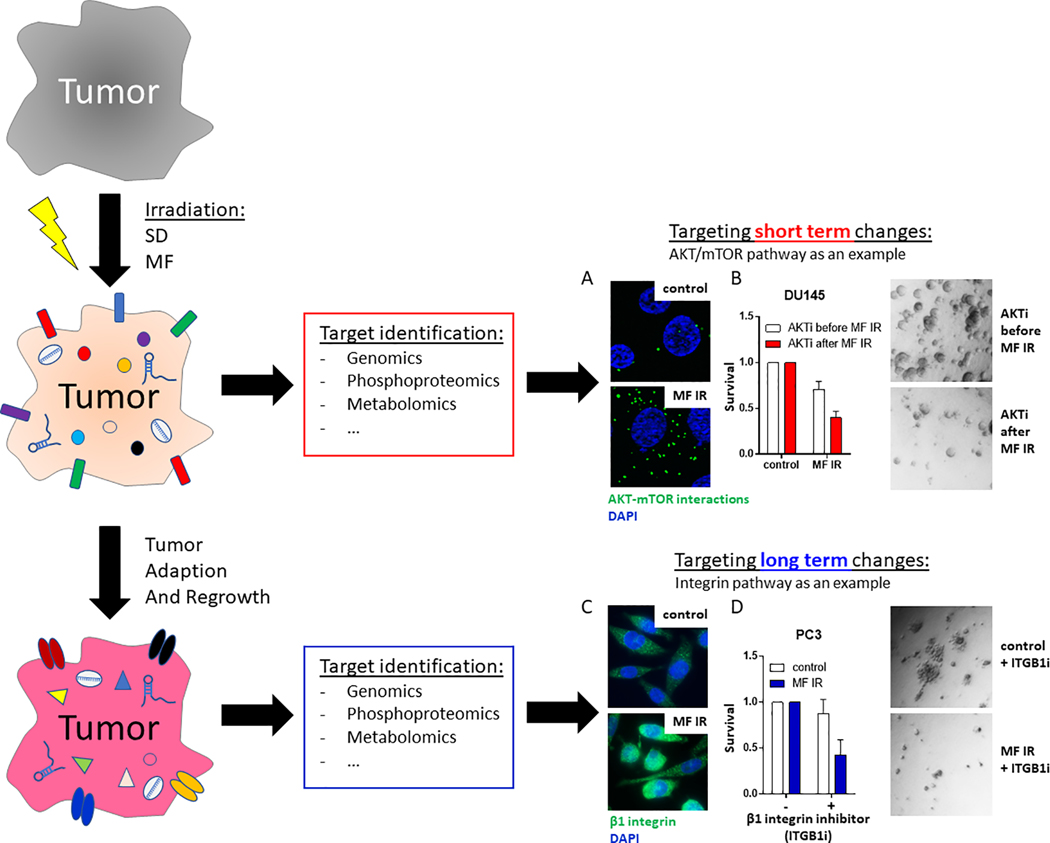
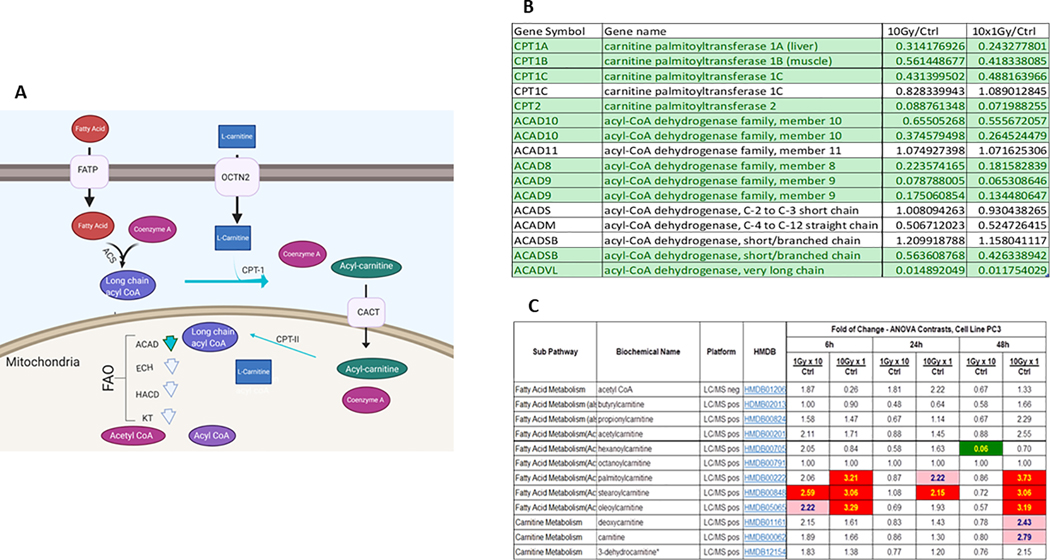
Radiotherapy is highly effective due to its ability to physically focus the treatment to target the tumor while sparing normal tissue and its ability to be combined with systemic therapy. This systemic therapy can be utilized before radiotherapy as an adjuvant or induction treatment, during radiotherapy as a radiation "sensitizer," or following radiotherapy as a part of combined modality therapy. As part of a unique concept of using radiation as "focused biology," we investigated how tumors and normal tissues adapt to clinically relevant multifraction (MF) and single-dose (SD) radiation to observe whether the adaptations can induce susceptibility to cell killing by available drugs or by immune enhancement. We identified an adaptation occurring after MF (3 × 2 Gy) that induced cell killing when AKT-mTOR inhibitors were delivered following cessation of radiotherapy. In addition, we identified inducible changes in integrin expression 2 months following cessation of radiotherapy that differ between MF (1 Gy × 10) and SD (10 Gy) that remain targetable compared with preradiotherapy. Adaptation is reflected across different "omics" studies, and thus the range of possible molecular targets is not only broad but also time, dose, and schedule dependent. While much remains to be studied about the radiation adaptive response, radiation should be characterized by its molecular perturbations in addition to physical dose. Consideration of the adaptive effects should result in the design of a tailored radiotherapy treatment plan that accounts for specific molecular changes to be targeted as part of precision multimodality cancer treatment.
放疗具有高度的有效性,这是因为它能够将治疗精确聚焦在肿瘤部位,同时保护正常组织,并且能够与全身治疗相结合。这种全身治疗可以在放疗前作为辅助或诱导治疗,在放疗期间作为放射增敏剂,或者在放疗后作为联合治疗模式的一部分。作为利用辐射作为“聚焦生物学”的独特概念的一部分,我们研究了肿瘤和正常组织如何适应临床相关的多分数(MF)和单次剂量(SD)辐射,以观察这些适应是否可以诱导对现有药物或免疫增强的细胞杀伤敏感性。我们发现,在接受 MF(3×2 Gy)照射后会发生一种适应性反应,当在放疗停止后给予 AKT-mTOR 抑制剂时,会诱导细胞杀伤。此外,我们还发现,在放疗停止后 2 个月,整合素表达会发生可诱导的变化,这种变化在 MF(1 Gy×10)和 SD(10 Gy)之间存在差异,与放疗前相比仍然具有靶向性。适应性反应在不同的“组学”研究中都有体现,因此潜在的分子靶点不仅广泛,而且还与时间、剂量和方案有关。虽然关于辐射适应性反应还有很多需要研究的地方,但辐射除了物理剂量外,还应该以其分子扰动为特征。考虑到适应性效应,应该设计出一种量身定制的放疗治疗计划,该计划将考虑到特定的分子变化,作为精准多模式癌症治疗的一部分进行靶向治疗。