Laar Amos, Barnes Amy, Aryeetey Richmond, Tandoh Akua, Bash Kristin, Mensah Kobby, Zotor Francis, Vandevijvere Stefanie, Holdsworth Michelle
Department of Population, Family and Reproductive Health, School of Public Health, University of Ghana, Accra, Ghana.
Public Health Section, School of Health and Related Research, University of Sheffield, Sheffield, UK.
Food Policy. 2020 May;93:101907. doi: 10.1016/j.foodpol.2020.101907.
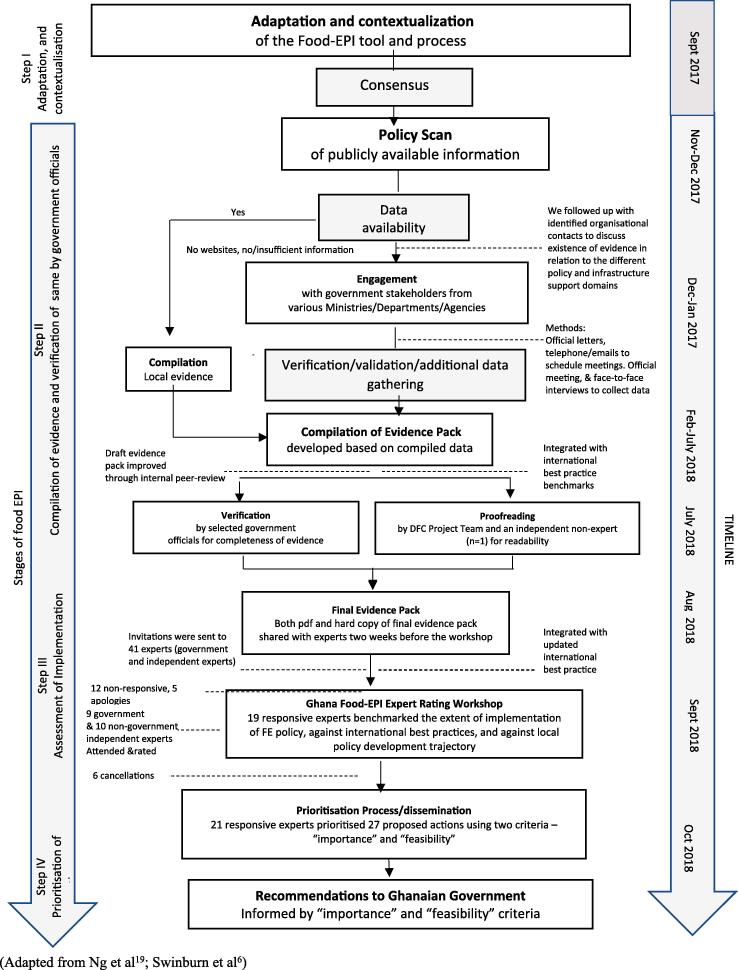
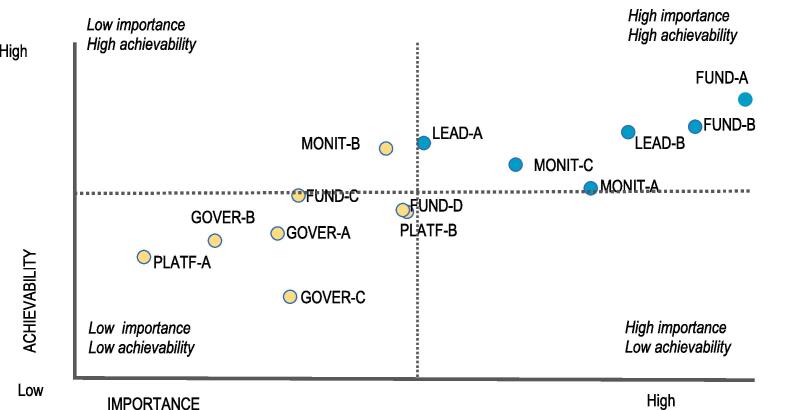
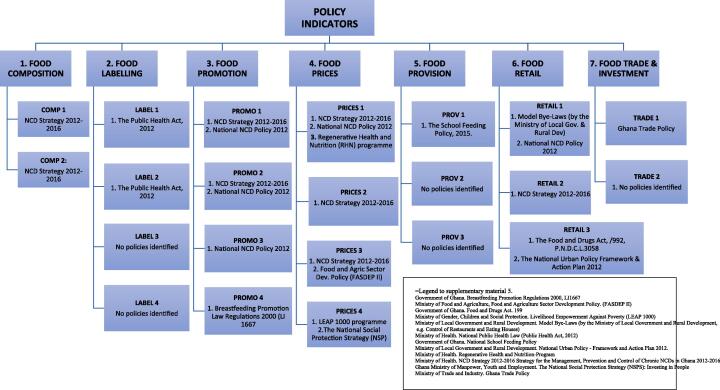
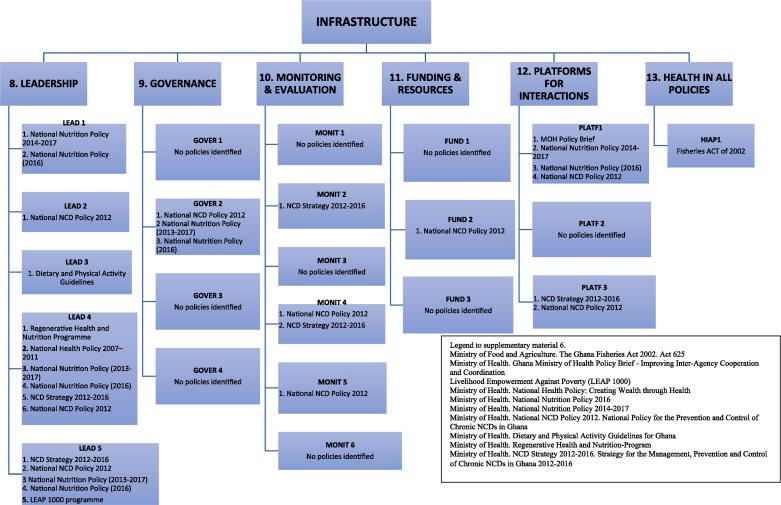
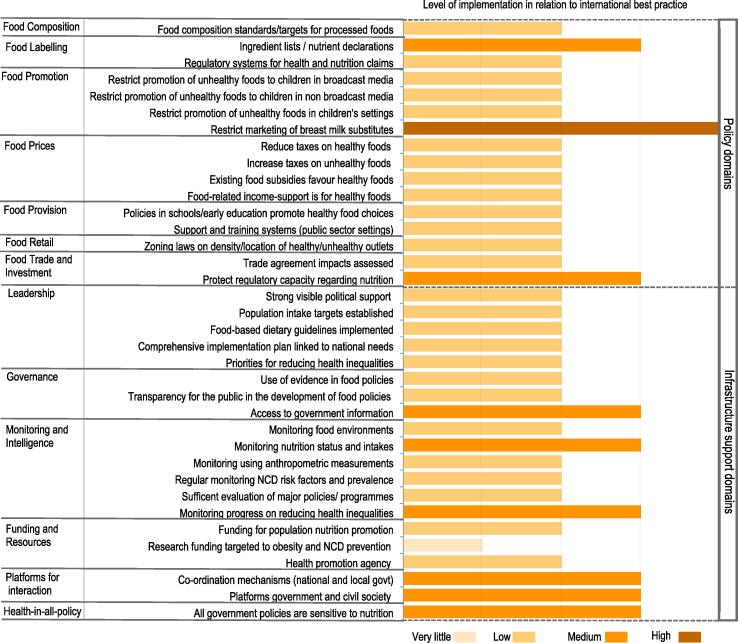
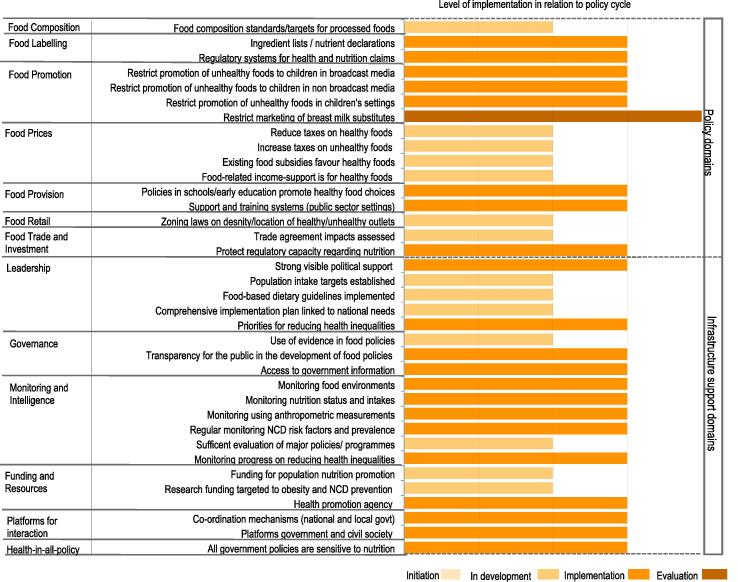
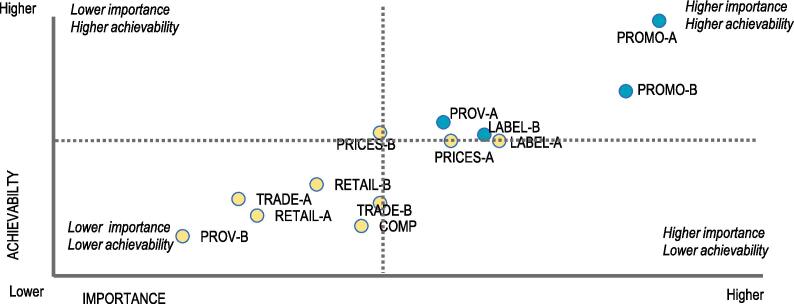
Nutrition-related non-communicable diseases (NR-NCDs) are a global health problem, increasingly recognised as driven by unhealthy food environments. Yet little is known about government action to implement food environment-relevant policies, particularly in low-and lower-middle income countries. This study assessed government action, implementation gaps, and priorities to improve the food environment in Ghana. Using the Healthy Food-Environment Policy Index (Food-EPI), a panel comprising government and independent experts (n = 19) rated government action to improve the healthiness of food environment in Ghana against international best practices and according to steps within a policy cycle. Forty-three good practice indicators of food environment policy and infrastructure support were used, with ratings informed by systematically collected evidence of action validated by government officials. Following the rating exercise, the expert panel proposed and prioritized actions for government implementation. Three-quarters of all good practice indicators were rated at 'low'/'very little' implementation. Restricting the marketing of breast milk substitutes was the only indicator rated "very high". Of ten policy actions prioritized for implementation, restricting unhealthy food marketing in children's settings and in the media were ranked the highest priority. Providing sufficient funds for nationally-relevant research on nutrition and NCDs was the highest priority infrastructure-support action. Other priority infrastructure-support actions related to leadership, monitoring and evaluation. This study identified gaps in Ghana's implementation of internationally-recommended policies to promote healthy food environments. National stakeholders recommended actions, which will require legislation and leadership. The findings provide a baseline for measuring government progress towards implementing effective policies to prevent NR-NCDs.
营养相关非传染性疾病(NR-NCDs)是一个全球性的健康问题,越来越被认为是由不健康的食品环境所驱动。然而,对于政府实施与食品环境相关政策的行动,尤其是在低收入和中低收入国家,人们了解甚少。本研究评估了加纳政府在改善食品环境方面的行动、实施差距和优先事项。使用健康食品环境政策指数(Food-EPI),一个由政府和独立专家组成的小组(n = 19)根据国际最佳实践并按照政策周期内的步骤,对加纳政府改善食品环境健康程度的行动进行了评级。使用了43项食品环境政策和基础设施支持的良好实践指标,并根据政府官员系统收集并验证的行动证据进行评级。在评级活动之后,专家小组提出了政府实施的行动并确定了优先顺序。所有良好实践指标中有四分之三被评为“低”/“极少”实施。限制母乳代用品的营销是唯一被评为“非常高”的指标。在优先实施的十项政策行动中,限制在儿童场所和媒体中进行不健康食品营销被列为最高优先事项。为与国家相关的营养和非传染性疾病研究提供充足资金是最高优先的基础设施支持行动。其他优先的基础设施支持行动涉及领导力、监测和评估。本研究确定了加纳在实施国际推荐的促进健康食品环境政策方面的差距。国家利益相关者提出了行动建议,这将需要立法和领导力。这些发现为衡量政府在实施预防营养相关非传染性疾病有效政策方面的进展提供了一个基线。