Division of Infectious Diseases, David Geffen School of Medicine, University of California Los Angeles, 10833 Le Conte Ave, Los Angeles, CA, 90095, USA.
Department of Medicine, Division of Allergy and Infectious Diseases, and Department of Global Health, University of Washington, Seattle, WA, USA.
BMC Infect Dis. 2020 Jun 23;20(1):444. doi: 10.1186/s12879-020-05141-0.
The syphilis epidemic continues to cause substantial morbidity and mortality worldwide, particularly in low- and middle-income countries, despite several recent disease control initiatives. Though our understanding of the pathogenesis of this disease and the biology of the syphilis agent, Treponema pallidum subsp. pallidum has improved over the last two decades, further research is necessary to improve clinical diagnosis and disease management protocols. Additionally, such research efforts could contribute to the identification of possible targets for the development of an effective vaccine to stem syphilis spread.
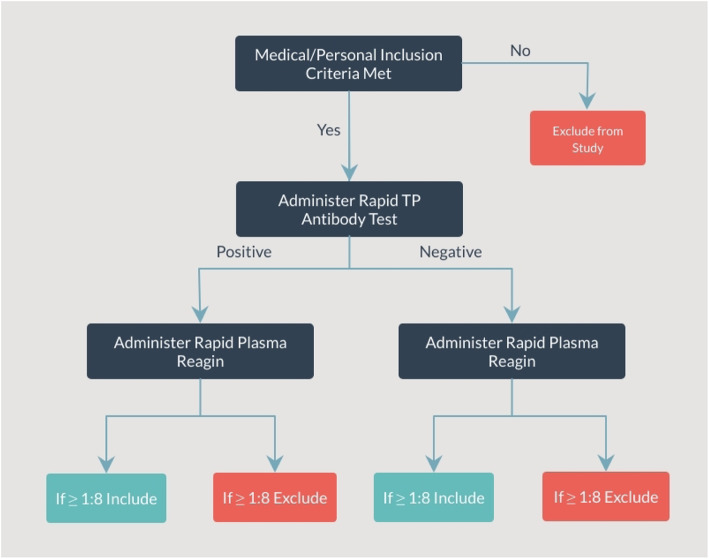
This study will recruit two cohorts of participants with active syphilis infection, one with de novo infection, one with repeat infection. Whole blood specimens will be collected from each study participant at baseline, 4, 12, 24, 36, and 48 weeks, to track specific markers of their immunological response, as well as to compare humoral reactivity to Treponema pallidum antigens between the two groups. Additionally, we will use serum specimens to look for unique cytokine patterns in participants with early syphilis. Oral and blood samples, as well as samples from any syphilitic lesions present, will also be collected to sequence any Treponema pallidum DNA found.
By furthering our understanding of syphilis pathogenesis and human host immune response to Treponema pallidum, we will provide important data that will help in development of new point-of-care tests that could better identify active infection, leading to improved syphilis diagnosis and management. Findings could also contribute to vaccine development efforts.
尽管最近采取了几项疾病控制措施,梅毒流行仍在继续在全球范围内造成大量发病率和死亡率,尤其是在中低收入国家。尽管我们对这种疾病的发病机制和梅毒病原体苍白密螺旋体亚种的生物学有了更多的了解,但为了改善临床诊断和疾病管理方案,仍有必要进行进一步的研究。此外,此类研究工作还有助于确定可能的目标,以开发有效的疫苗来阻止梅毒传播。
本研究将招募两组活动性梅毒感染参与者,一组为初次感染,一组为重复感染。将从每位研究参与者的基线、4、12、24、36 和 48 周采集全血标本,以跟踪其免疫反应的特定标志物,并比较两组之间对苍白密螺旋体抗原的体液反应性。此外,我们将使用血清标本在早期梅毒患者中寻找独特的细胞因子模式。还将收集口腔和血液样本,以及任何出现的梅毒病变样本,以对发现的任何苍白密螺旋体 DNA 进行测序。
通过进一步了解梅毒的发病机制和人类宿主对苍白密螺旋体的免疫反应,我们将提供重要数据,有助于开发新的即时检测方法,以更好地识别活动性感染,从而改善梅毒的诊断和管理。研究结果还有助于疫苗开发工作。