Department of Veterinary Medicine, Faculty of Animal Sciences and Food Engineering, University of São Paulo, Pirassununga, Brazil.
Postgraduate Program in Anatomy of Domestic and Wild Animals, School of Veterinary Medicine and Animal Science, University of São Paulo, São Paulo, Brazil.
Stem Cell Res Ther. 2020 Jun 25;11(1):247. doi: 10.1186/s13287-020-01716-5.
Induced pluripotent stem cells (iPSCs) have enormous potential in developmental biology studies and in cellular therapies. Although extensively studied and characterized in human and murine models, iPSCs from animals other than mice lack reproducible results.
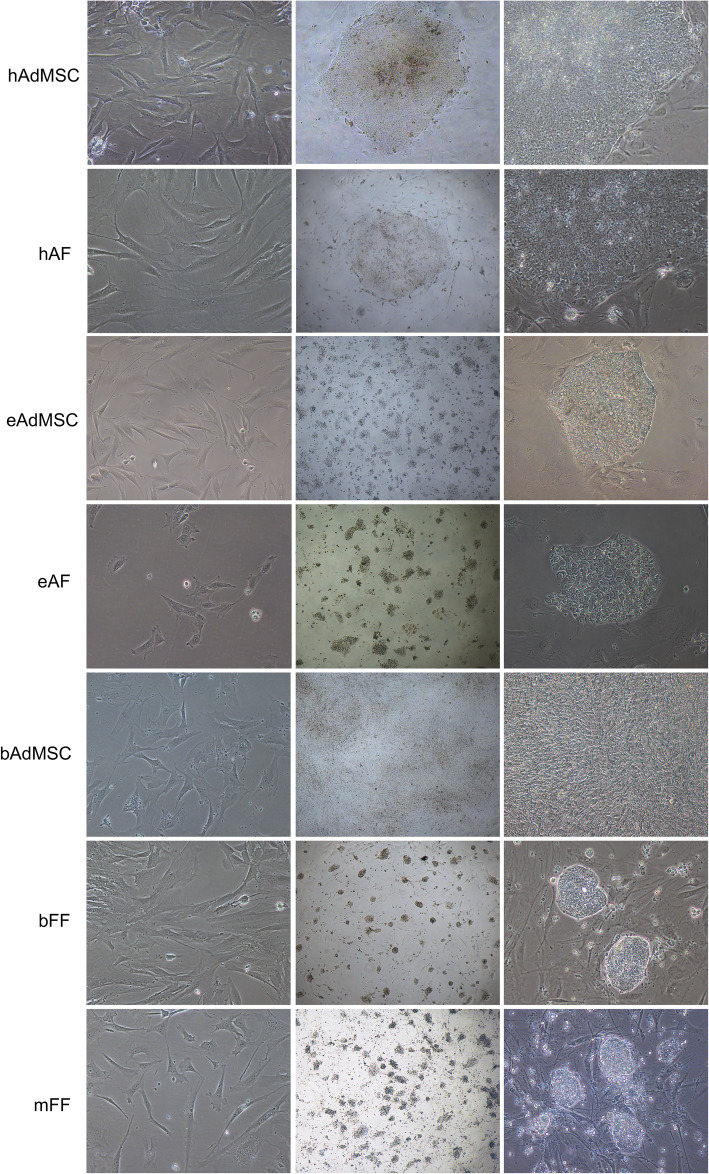
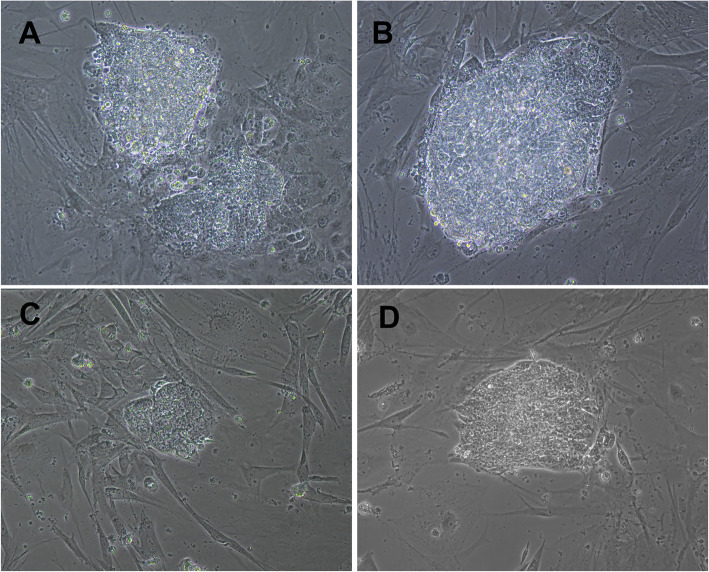
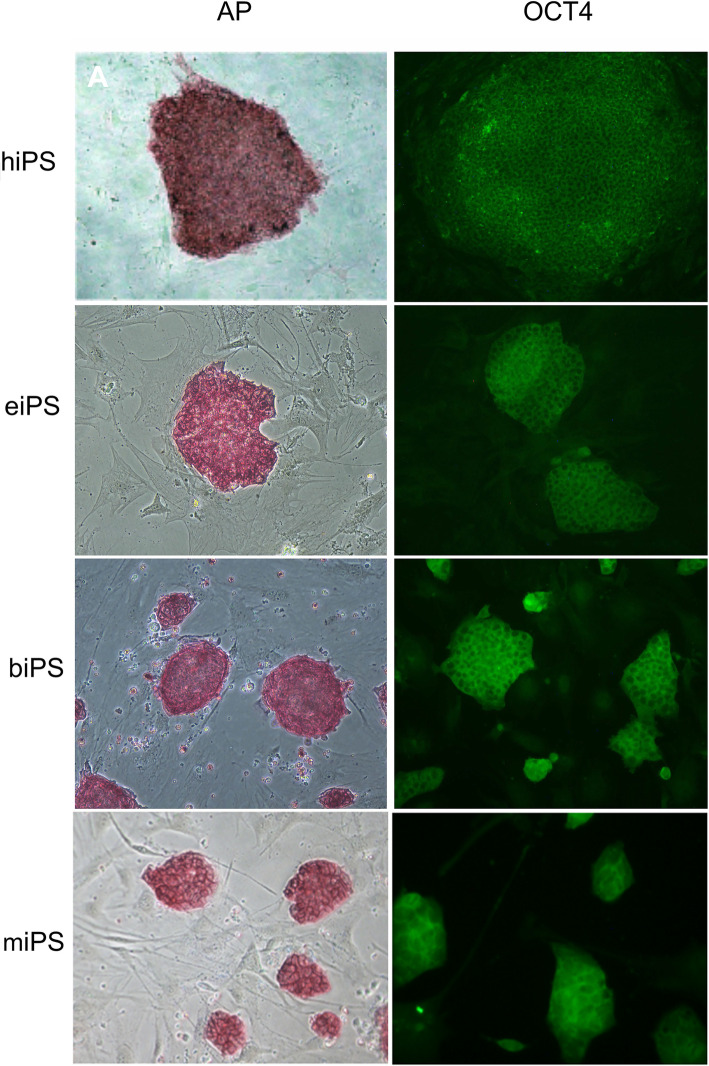
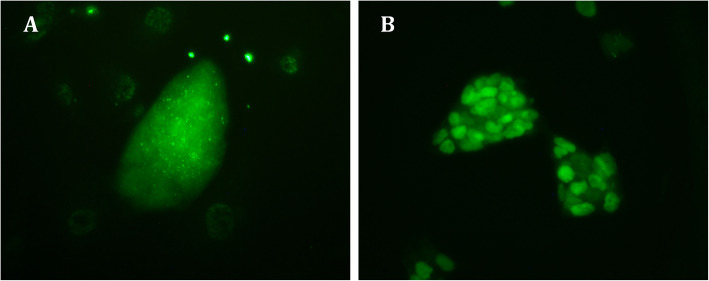
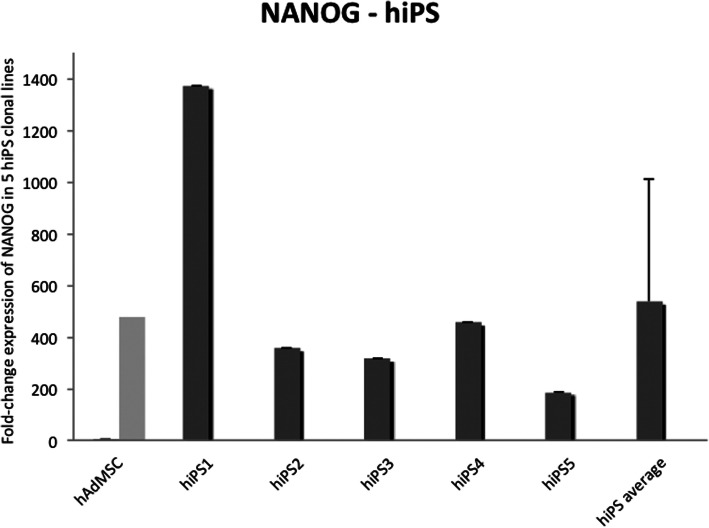
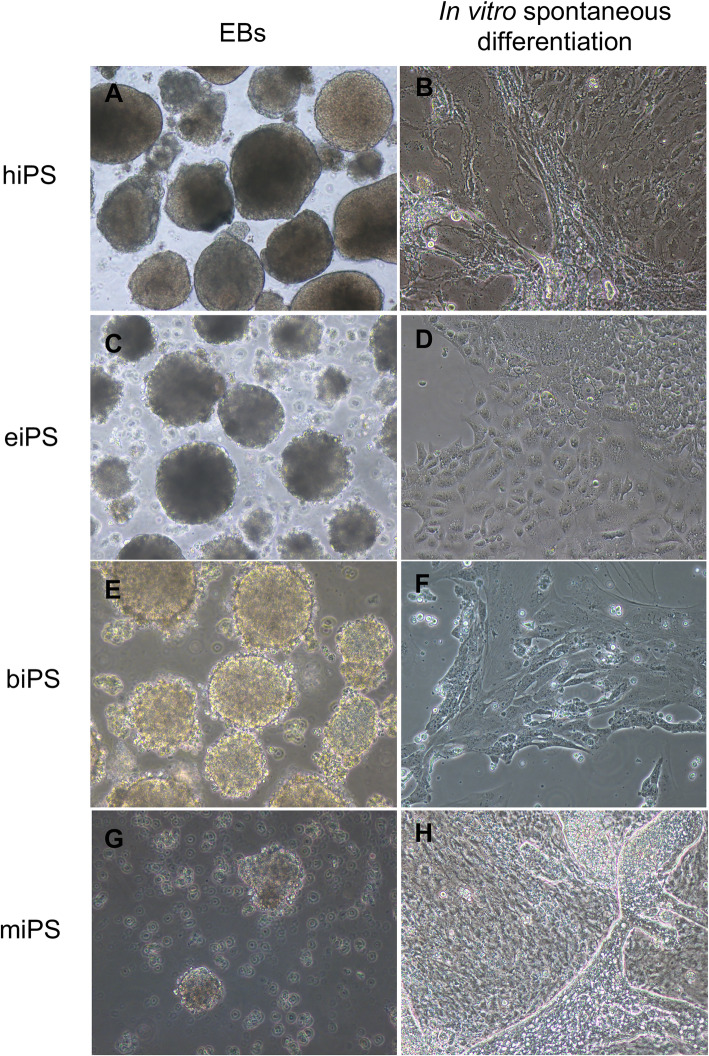
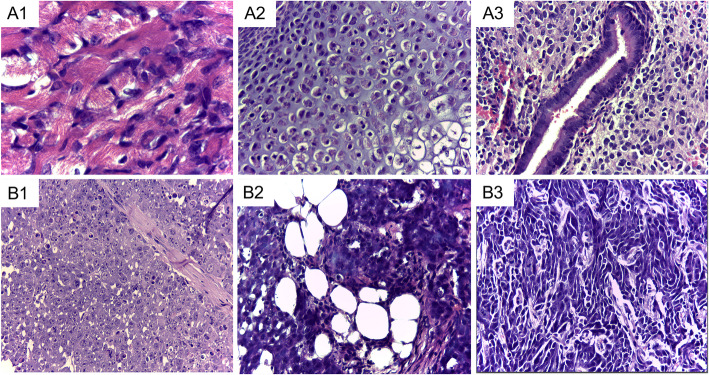
Herein, we describe the generation of robust iPSCs from equine and bovine cells through lentiviral transduction of murine or human transcription factors Oct4, Sox2, Klf4, and c-Myc and from human and murine cells using similar protocols, even when different supplementations were used. The iPSCs were analyzed regarding morphology, gene and protein expression of pluripotency factors, alkaline phosphatase detection, and spontaneous and induced differentiation.
Although embryonic-derived stem cells are yet not well characterized in domestic animals, generation of iPS cells from these species is possible through similar protocols used for mouse or human cells, enabling the use of pluripotent cells from large animals for basic or applied purposes. Herein, we also infer that bovine iPS (biPSCs) exhibit similarity to mouse iPSCs (miPSCs), whereas equine iPSs (eiPSCs) to human (hiPSCs).
The generation of reproducible protocols in different animal species will provide an informative tool for producing in vitro autologous pluripotent cells from domestic animals. These cells will create new opportunities in animal breeding through transgenic technology and will support a new era of translational medicine with large animal models.
诱导多能干细胞(iPSCs)在发育生物学研究和细胞治疗中具有巨大的潜力。尽管在人类和鼠模型中进行了广泛的研究和表征,但来自除鼠以外的动物的 iPSCs 缺乏可重复的结果。
本文描述了通过慢病毒转导小鼠或人类转录因子 Oct4、Sox2、Klf4 和 c-Myc 从马和牛细胞中生成稳健的 iPSCs,以及使用类似的方案从人类和鼠细胞中生成 iPSCs,即使使用了不同的补充物。分析了 iPSCs 的形态、多能性因子的基因和蛋白表达、碱性磷酸酶检测以及自发和诱导分化。
尽管胚胎来源的干细胞在家畜中尚未得到很好的表征,但通过类似的方案从这些物种中生成 iPS 细胞是可能的,这使得可以使用大型动物的多能细胞进行基础或应用目的。在这里,我们还推断牛 iPS(biPSCs)与鼠 iPS(miPSCs)相似,而马 iPS(eiPSCs)与人 iPS(hiPSCs)相似。
在不同动物物种中生成可重复的方案将为从家畜中产生体外自体多能细胞提供一个信息丰富的工具。这些细胞将通过转基因技术为动物育种创造新的机会,并通过大型动物模型支持转化医学的新时代。