State Key Laboratory of Military Stomatology, National Clinical Research Center for Oral Diseases and Shaanxi Engineering Research Center for Dental Materials and Advanced Manufacture, Department of Periodontology, School of Stomatology, Fourth Military Medical University, Xi'an, People's Republic of China.
Shaanxi Key Laboratory of Free Radical Biology and Medicine, The Ministry of Education Key Laboratory of Hazard Assessment and Control in Special Operational Environments, Fourth Military Medical University, Xi'an, People's Republic of China.
Stem Cells Transl Med. 2020 Nov;9(11):1414-1430. doi: 10.1002/sctm.19-0418. Epub 2020 Jun 29.
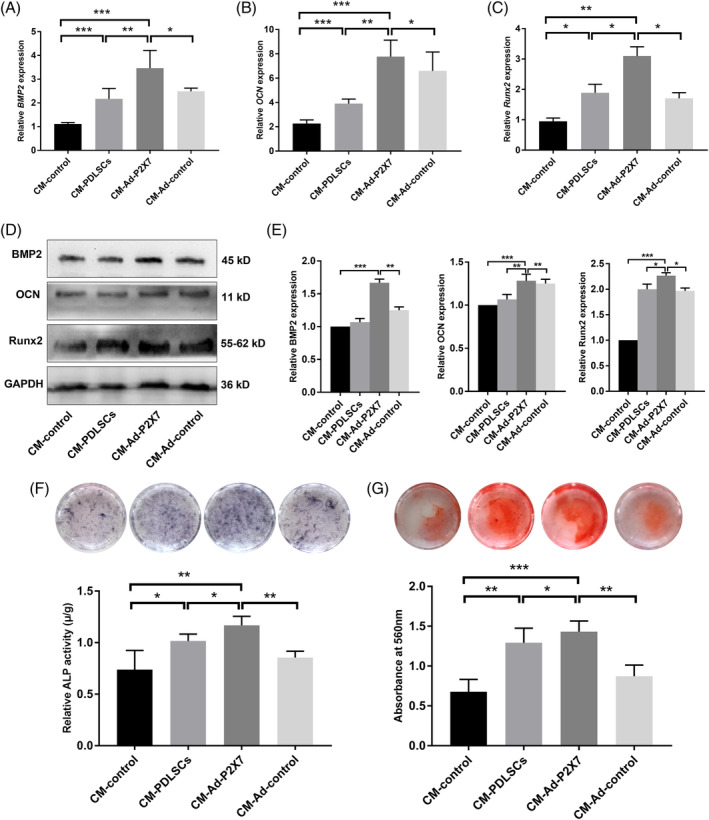
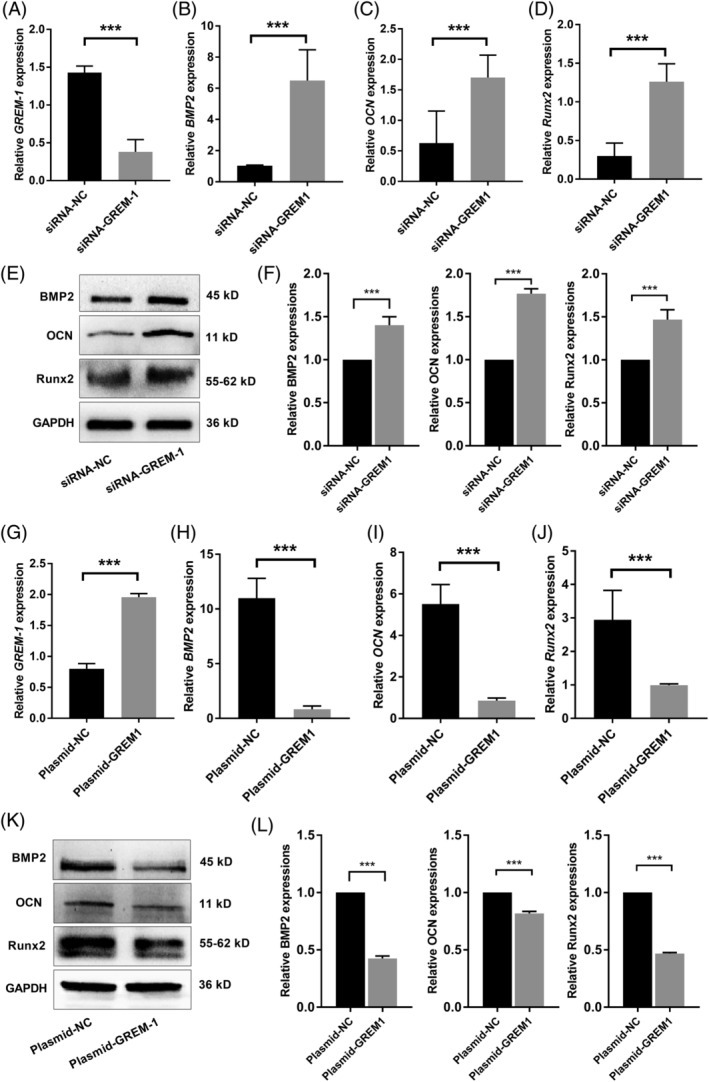
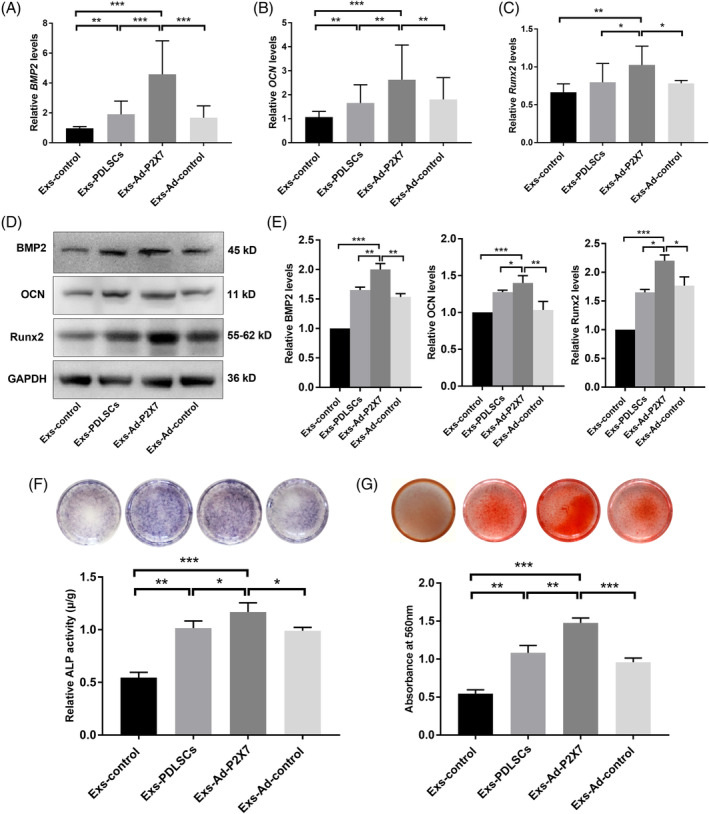
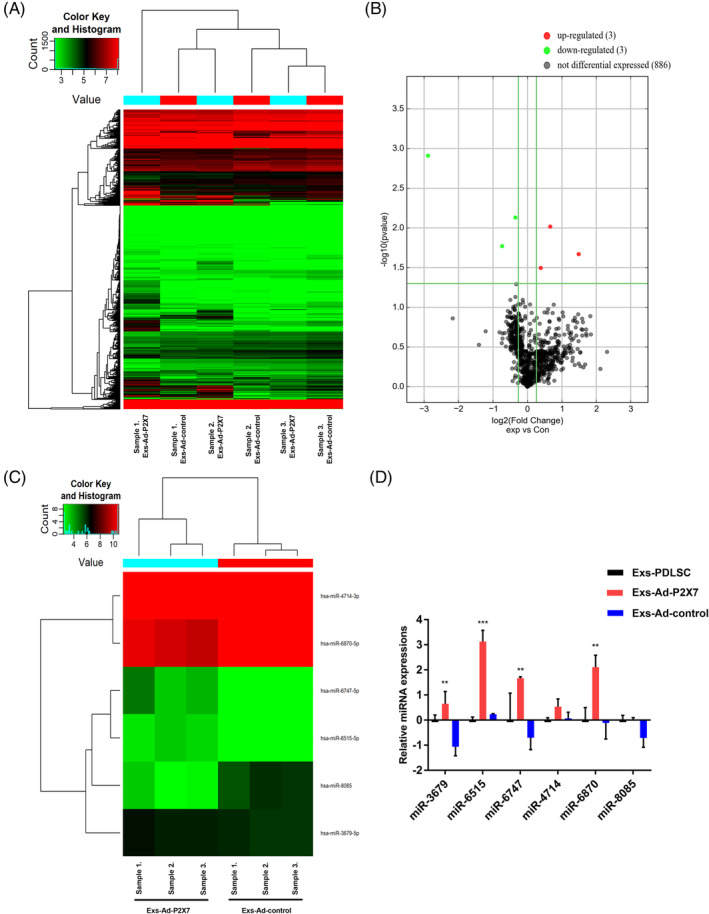
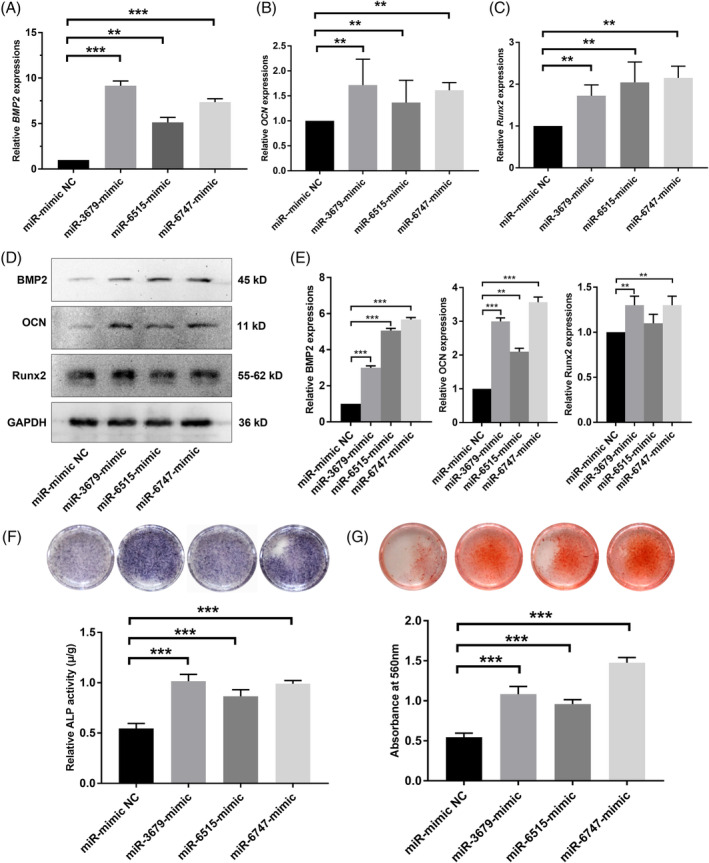
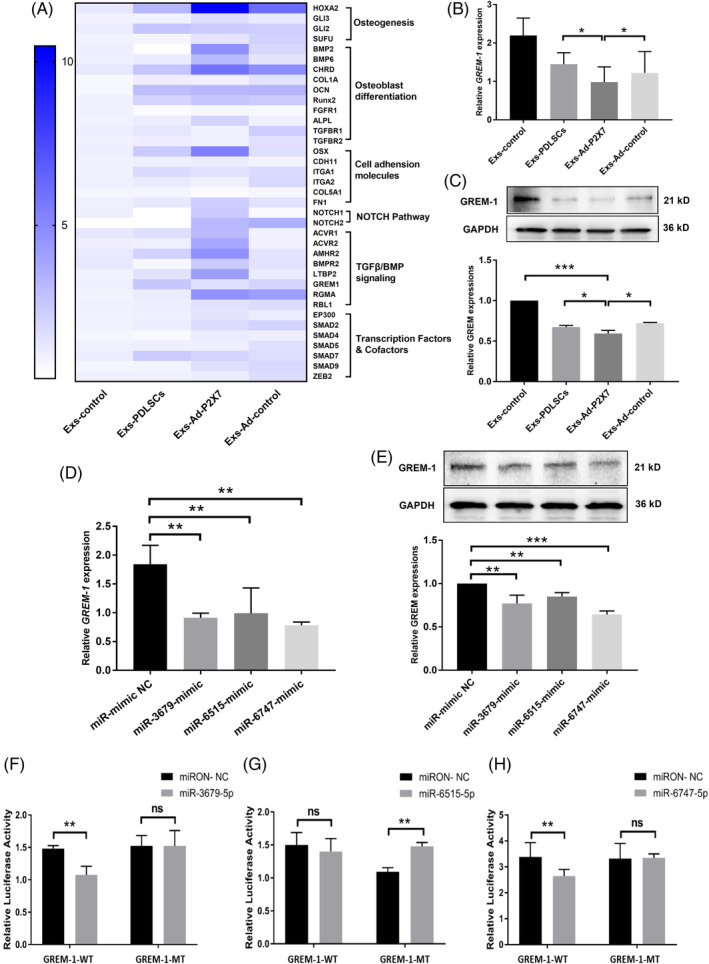
Although cellular therapy has been proposed for inflammation-related disorders such as periodontitis for decades, clinical application has been unsuccessful. One explanation for these disappointing results is that the functions of stem cells are substantially compromised when they are transplanted into an inflammatory in vivo milieu. Considering the previous finding that P2X7 receptor (P2X7R) gene modification is able to reverse inflammation-mediated impairment of periodontal ligament stem cells (PDLSCs), we further hypothesized that cells subjected to P2X7R gene transduction also exert influences on other cells within an in vivo milieu via an exosome-mediated paracrine mechanism. To define the paracrine ability of P2X7R gene-modified cells, P2X7R gene-modified stem cell-derived conditional medium (CM-Ad-P2X7) and exosomes (Exs-Ad-P2X7) were used to incubate PDLSCs. In an inflammatory osteogenic microenvironment, inflammation-mediated changes in PDLSCs were substantially reduced, as shown by quantitative real-time PCR (qRT-PCR) analysis, Western blot analysis, alkaline phosphatase (ALP) staining/activity assays, and Alizarin red staining. In addition, the Agilent miRNA microarray system combined with qRT-PCR analysis revealed that miR-3679-5p, miR-6515-5p, and miR-6747-5p were highly expressed in Exs-Ad-P2X7. Further functional tests and luciferase reporter assays revealed that miR-3679-5p and miR-6747-5p bound directly to the GREM-1 protein, while miR-6515-5p bound to the GREM-1 protein indirectly; these effects combined to rescue inflammation-compromised PDLSCs from dysfunction. Thus, in addition to maintaining their robust functionality under inflammatory conditions, P2X7R gene-modified stem cells may exert positive influences on their neighbors via a paracrine mechanism, pointing to a novel strategy for modifying the harsh local microenvironment to accommodate stem cells and promote improved tissue regeneration.
尽管细胞疗法几十年来一直被提议用于治疗与炎症相关的疾病,如牙周炎,但临床应用一直不成功。这些令人失望的结果的一个解释是,当干细胞被移植到炎症的体内环境中时,其功能会受到严重损害。考虑到先前的发现,即 P2X7 受体 (P2X7R) 基因修饰能够逆转炎症介导的牙周韧带干细胞 (PDLSCs) 的损伤,我们进一步假设,通过外泌体介导的旁分泌机制,经过 P2X7R 基因转导的细胞也会对体内环境中的其他细胞产生影响。为了确定 P2X7R 基因修饰细胞的旁分泌能力,使用 P2X7R 基因修饰的干细胞衍生条件培养基 (CM-Ad-P2X7) 和外泌体 (Exs-Ad-P2X7) 孵育 PDLSCs。在炎症性成骨微环境中,通过定量实时 PCR (qRT-PCR) 分析、Western blot 分析、碱性磷酸酶 (ALP) 染色/活性测定和茜素红染色,炎症介导的 PDLSCs 变化明显减少。此外,Agilent miRNA 微阵列系统与 qRT-PCR 分析相结合,揭示了 Exs-Ad-P2X7 中高表达 miR-3679-5p、miR-6515-5p 和 miR-6747-5p。进一步的功能测试和荧光素酶报告基因测定显示,miR-3679-5p 和 miR-6747-5p 直接结合 GREM-1 蛋白,而 miR-6515-5p 间接结合 GREM-1 蛋白;这些效应结合起来,使炎症受损的 PDLSCs 从功能障碍中恢复。因此,除了在炎症条件下保持其强大的功能外,P2X7R 基因修饰的干细胞还可以通过旁分泌机制对其邻近细胞产生积极影响,这为修饰恶劣的局部微环境以容纳干细胞并促进组织再生提供了一种新策略。