Pediatrics and Rare Diseases Group, Sanford Research, 2301 E. 60th N, Sioux Falls, SD, 57104, USA.
Department of Pediatrics, Sanford School of Medicine, University of South Dakota, Sioux Falls, SD, USA.
Sci Rep. 2020 Jun 29;10(1):10591. doi: 10.1038/s41598-020-67478-5.
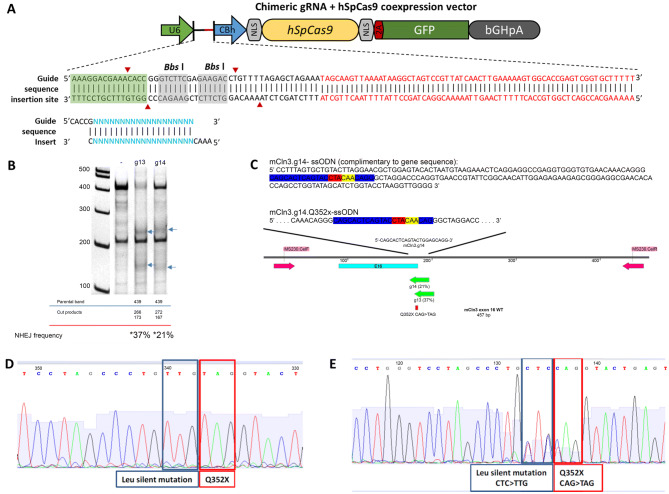
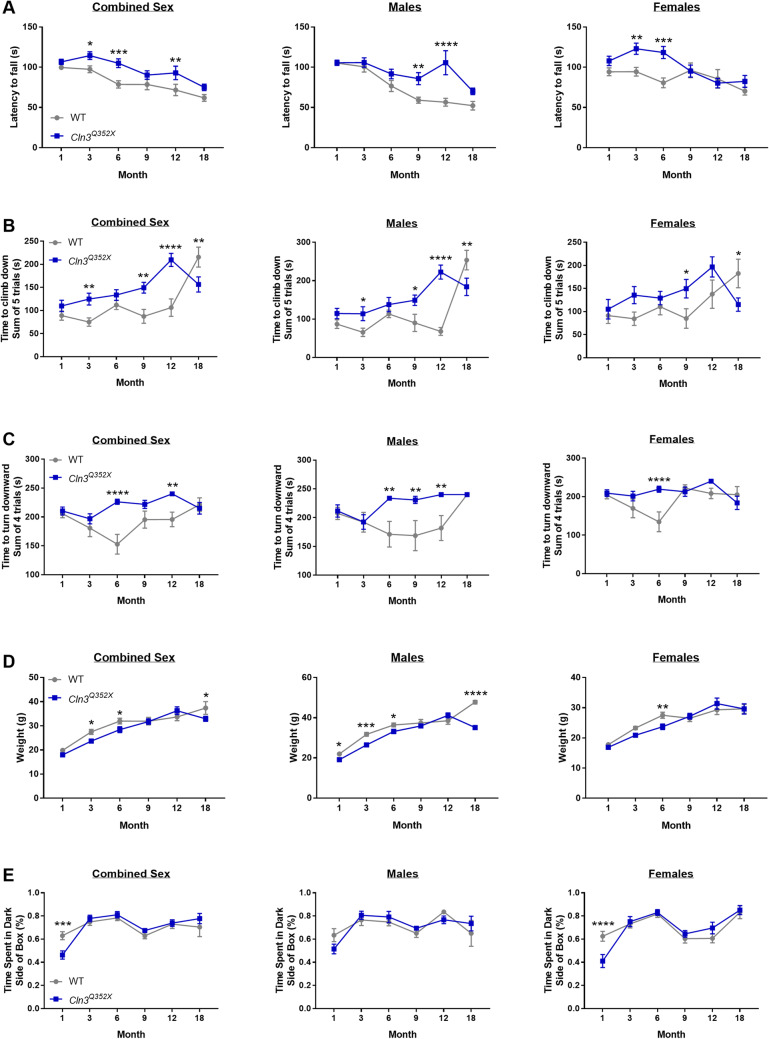
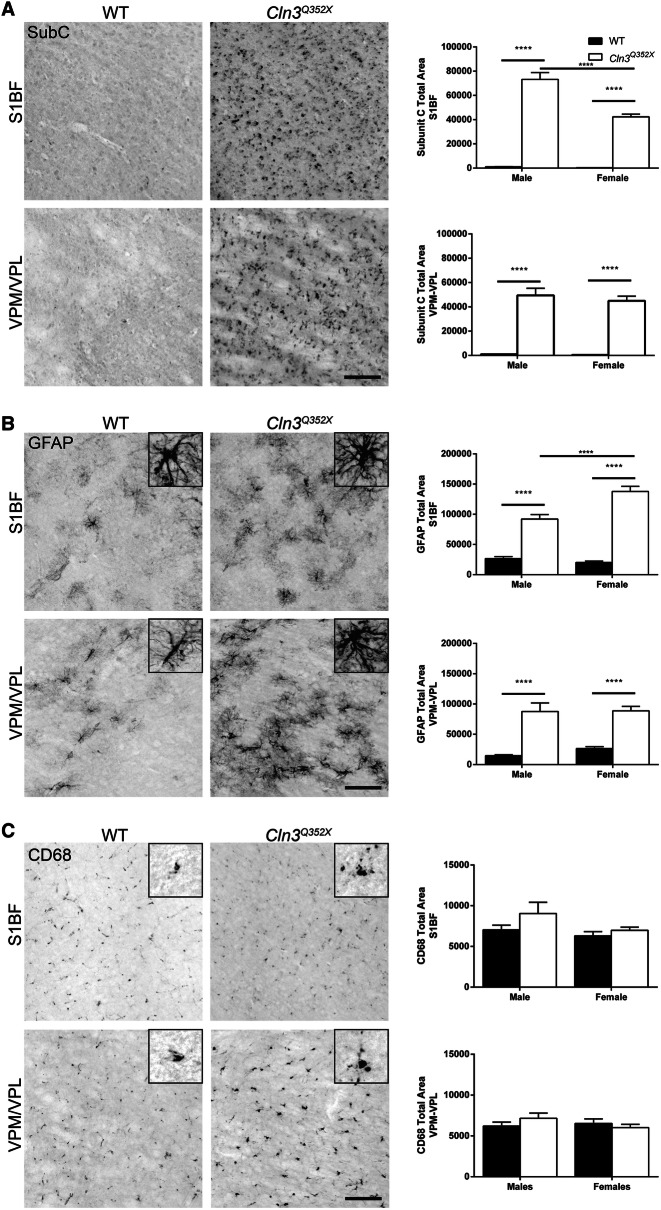
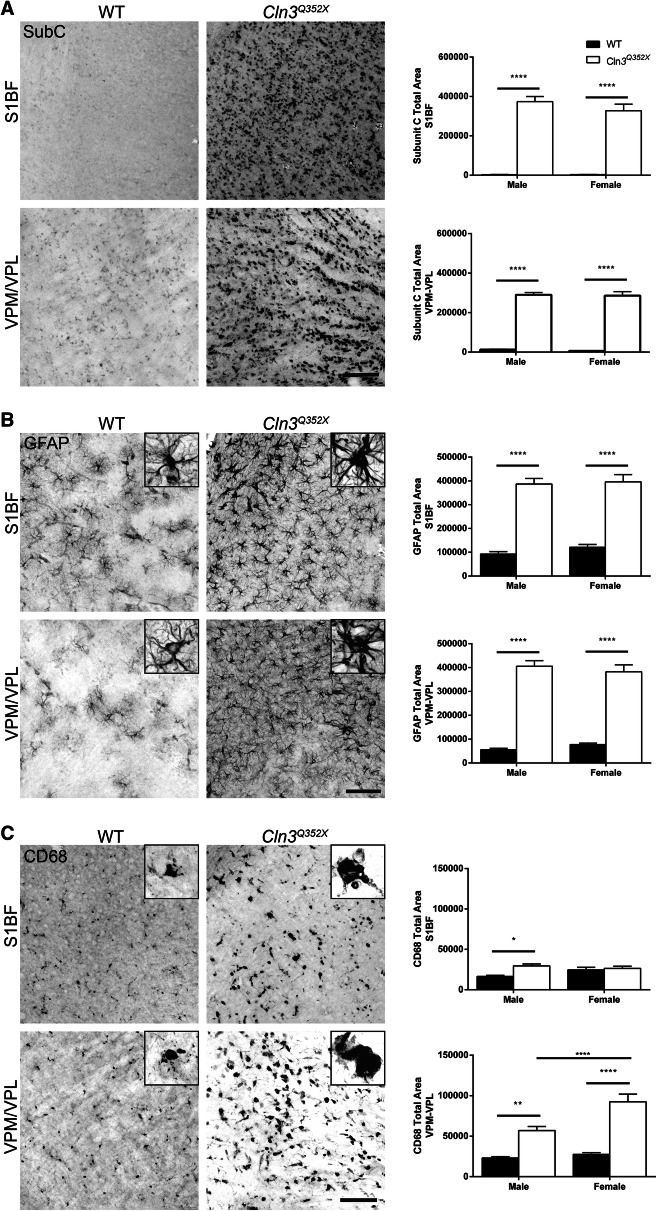
CLN3 Batten disease (CLN3 disease) is a pediatric lysosomal storage disorder that presents with progressive blindness, motor and cognitive decline, seizures, and premature death. CLN3 disease results from mutations in CLN3 with the most prevalent mutation, a 966 bp deletion spanning exons 7-8, affecting ~ 75% of patients. Mouse models with complete Cln3 deletion or Cln3 mutation have been invaluable for learning about both the basic biology of CLN3 and the underlying pathological changes associated with CLN3 disease. These models, however, vary in their disease presentation and are limited in their utility for studying the role of nonsense mediated decay, and as a consequence, in testing nonsense suppression therapies and read-through compounds. In order to develop a model containing a disease-causing nonsense point mutation, here we describe a first-of-its-kind Cln3 mouse model containing a c.1054C > T (p.Gln352Ter) point mutation. Similar to previously characterized Cln3 mutant mouse lines, this novel model shows pathological deficits throughout the CNS including accumulation of lysosomal storage material and glial activation, and has limited perturbation in behavioral measures. Thus, at the molecular and cellular level, this mouse line provides a valuable tool for testing nonsense suppression therapies or read through compounds in CLN3 disease in the future.
CLN3 神经蜡样脂褐质沉积症(CLN3 病)是一种儿科溶酶体贮积症,其特征为进行性失明、运动和认知能力下降、癫痫发作和过早死亡。CLN3 病是由 CLN3 基因突变引起的,最常见的突变为 7-8 号外显子跨越的 966bp 缺失,影响约 75%的患者。完全缺失 Cln3 或 Cln3 突变的小鼠模型对于了解 CLN3 的基础生物学和与 CLN3 病相关的潜在病理变化非常有价值。然而,这些模型在疾病表现上存在差异,并且在研究无义介导的衰变作用以及因此测试无义抑制疗法和通读化合物方面的应用受到限制。为了开发一种包含致病无义点突变的模型,我们在这里描述了一种首例含有 c.1054C>T (p.Gln352Ter) 点突变的 Cln3 小鼠模型。与以前表征的 Cln3 突变小鼠系相似,这种新型模型在整个中枢神经系统中显示出病理缺陷,包括溶酶体贮积物质的积累和神经胶质细胞激活,并在行为测量方面受到有限的干扰。因此,在分子和细胞水平上,这条小鼠线为未来在 CLN3 病中测试无义抑制疗法或通读化合物提供了一个有价值的工具。