College of Veterinary Medicine and Research Institute for Veterinary Science, Seoul National University, Seoul 08826, Korea.
R&D Center, PSM Inc. Jungwon-gu, Seongnam-si, Gyeonggi-do 13207, Korea.
Int J Mol Sci. 2020 Jun 26;21(12):4556. doi: 10.3390/ijms21124556.
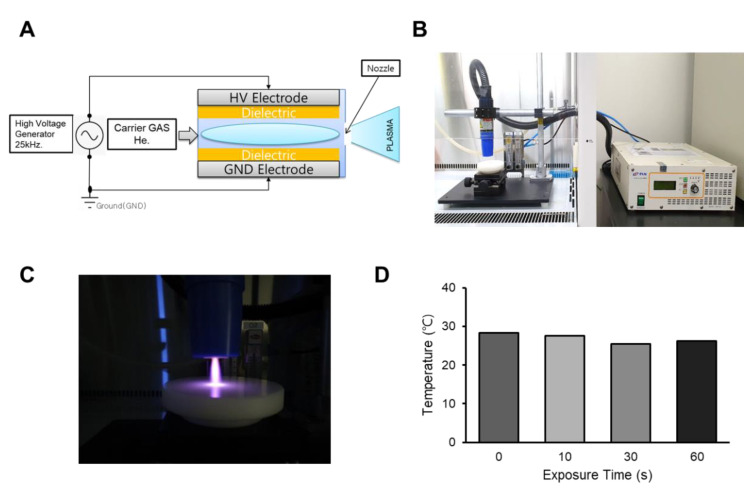
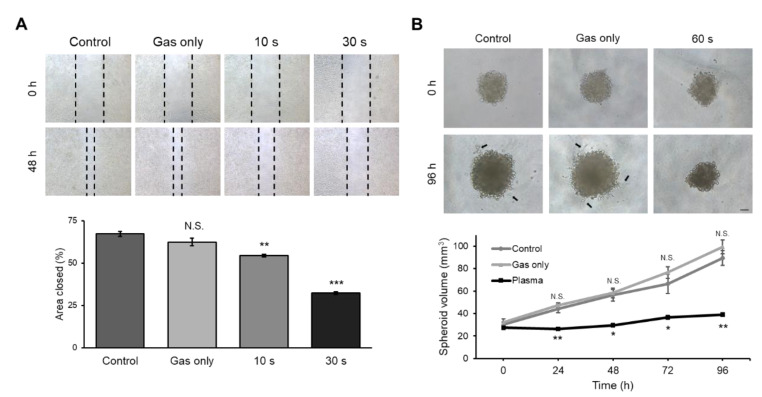
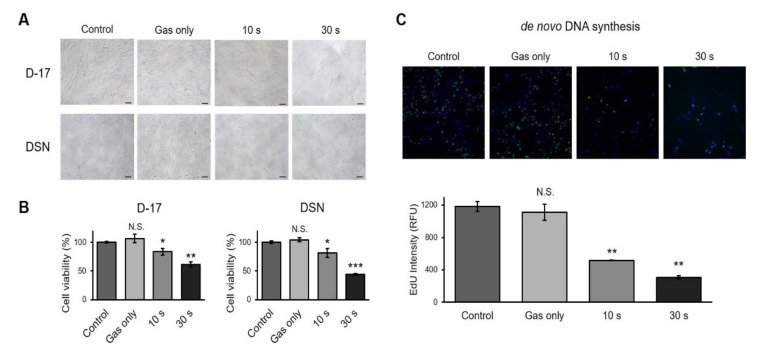
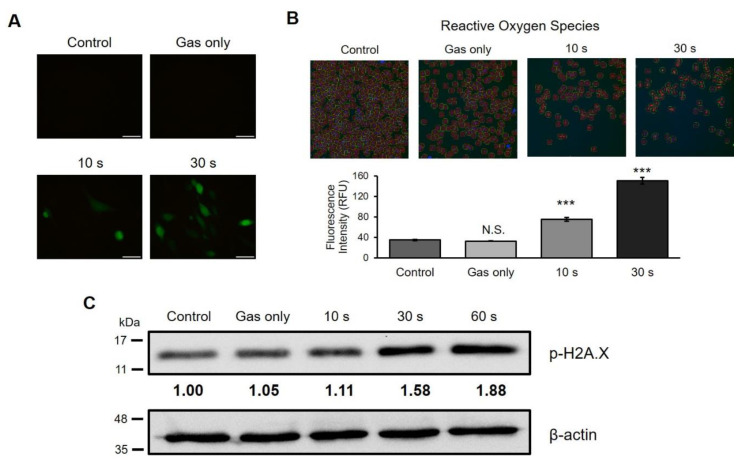
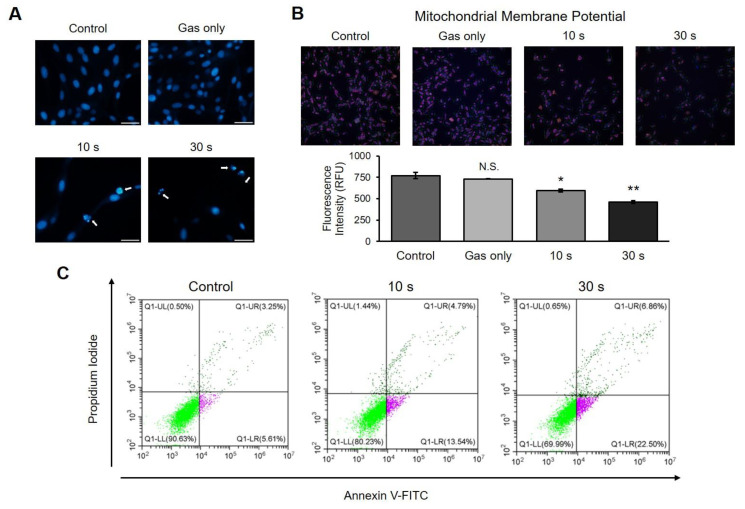
Osteosarcoma is known to be one of the frequently occurring cancers in dogs. Its prognosis is usually very poor, with a high incidence of lung metastasis. Although radiation therapy has become a major therapeutic choice for canine osteosarcoma, the high costs and unexpected side effects prevent some patients from considering this treatment. Cold atmospheric plasma (CAP) is an ionized gas with high energy at low temperatures, and it produces reactive oxygen species that mediate many signaling pathways. Although many researchers have used CAP as an anticancer therapeutic approach in humans, its importance has been neglected in veterinary medicine. In this study, D-17 and DSN canine osteosarcoma cell lines were treated with CAP to observe its anticancer activity. By high-content screening and flow cytometry, CAP-treated cells showed growth arrest and apoptosis induction. Moreover, the osteosarcoma cells exhibited reduced migration and invasion activity when treated with CAP. Overall, CAP exerted an anticancer effect on canine osteosarcoma cell lines. CAP may have the potential to be used as a novel modality for treating cancer in veterinary medicine.
骨肉瘤是犬类中常见的癌症之一。其预后通常很差,肺转移发生率很高。尽管放射治疗已成为治疗犬骨肉瘤的主要选择,但高昂的费用和意外的副作用使得一些患者无法考虑这种治疗方法。冷等离体(CAP)是一种低温下具有高能量的电离气体,它产生的活性氧物质介导许多信号通路。尽管许多研究人员已经在人类中使用 CAP 作为一种抗癌治疗方法,但在兽医医学中,它的重要性被忽视了。在这项研究中,D-17 和 DSN 犬骨肉瘤细胞系用 CAP 处理,以观察其抗癌活性。通过高内涵筛选和流式细胞术,CAP 处理的细胞显示出生长停滞和凋亡诱导。此外,CAP 处理后的骨肉瘤细胞迁移和侵袭活性降低。总体而言,CAP 对犬骨肉瘤细胞系发挥了抗癌作用。CAP 可能有潜力成为兽医癌症治疗的一种新方法。