Tzounis Lazaros, Petousis Markos, Grammatikos Sotirios, Vidakis Nectarios
Composite and Smart Materials Laboratory (CSML), Department of Materials Science & Engineering, University of Ioannina, GR-45110 Ioannina, Greece.
Mechanical Engineering Department, Hellenic Mediterranean University, Estavromenos, 71004 Heraklion, Crete, Greece.
Materials (Basel). 2020 Jun 26;13(12):2879. doi: 10.3390/ma13122879.
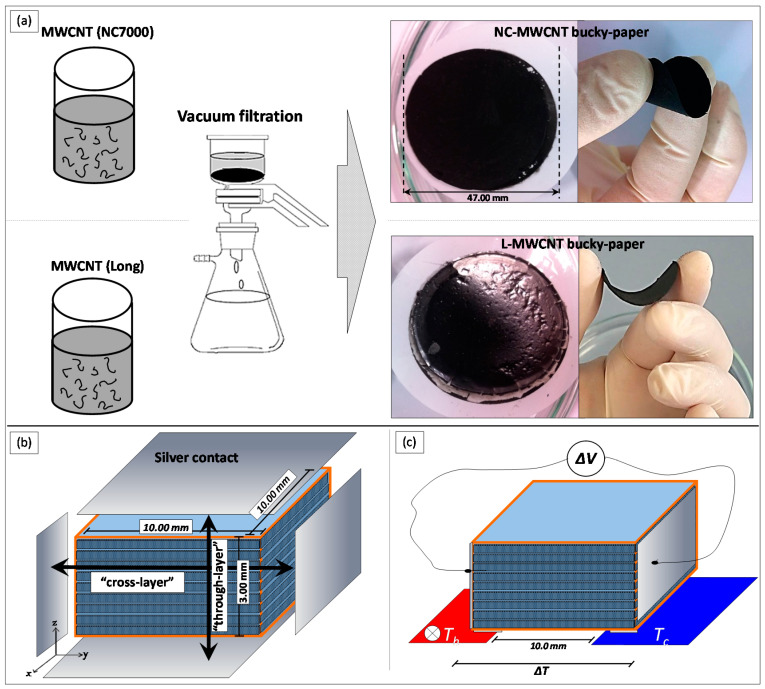
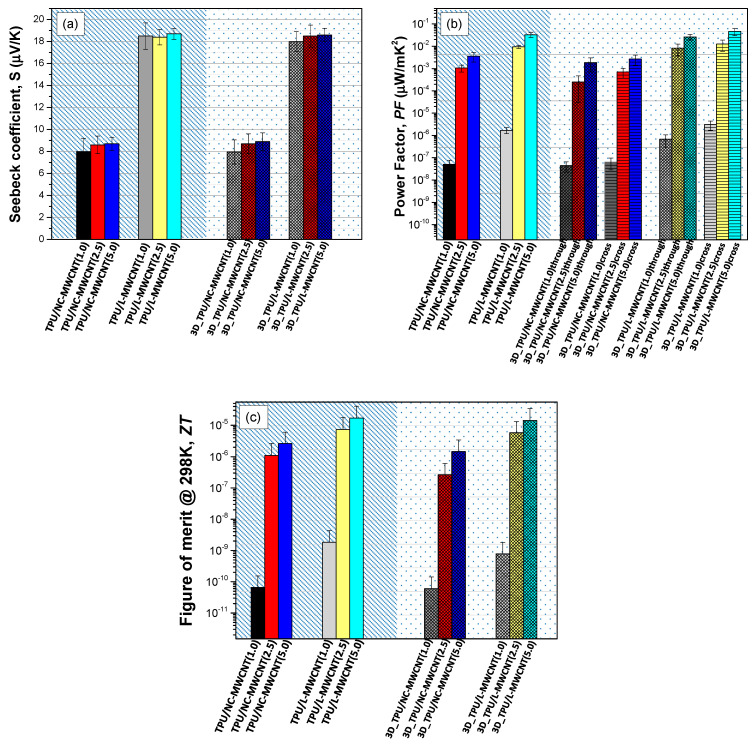
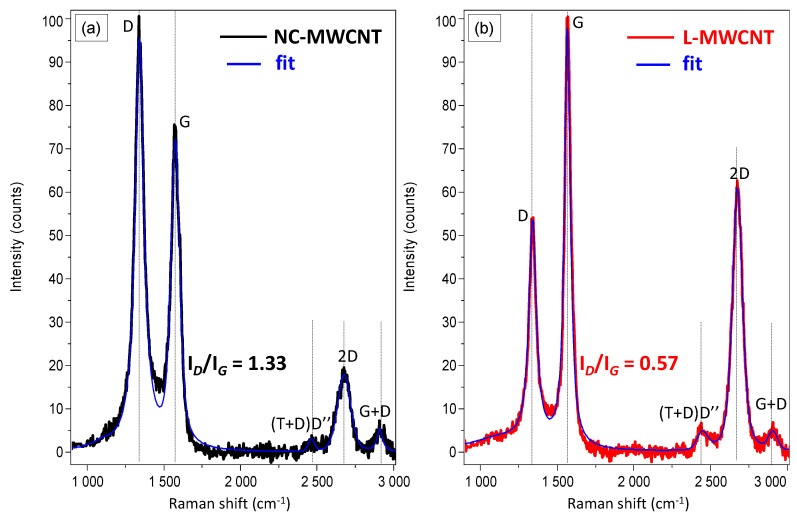
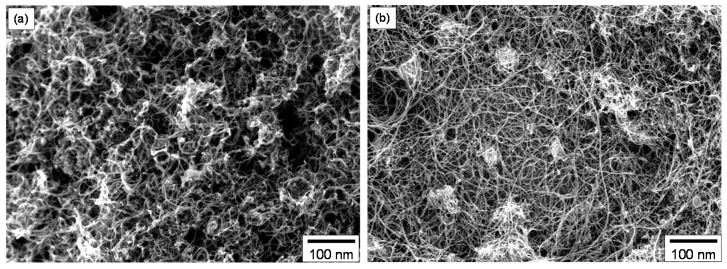
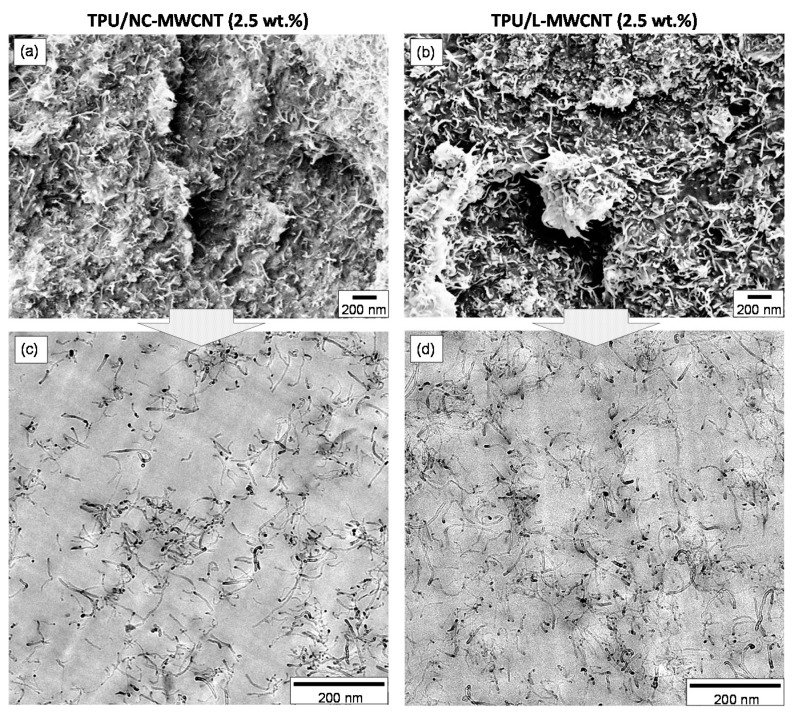
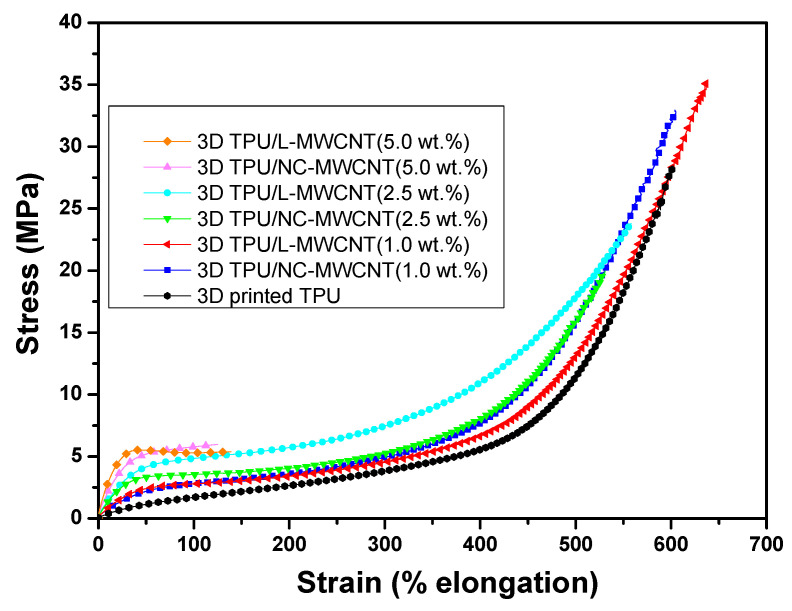
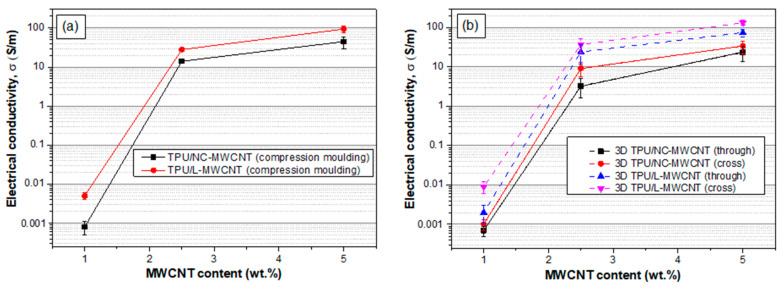
Three-dimensional (3D) printing of thermoelectric polymer nanocomposites is reported for the first time employing flexible, stretchable and electrically conductive 3D printable thermoplastic polyurethane (TPU)/multiwalled carbon nanotube (MWCNT) filaments. TPU/MWCNT conductive polymer composites (CPC) have been initially developed employing melt-mixing and extrusion processes. TPU pellets and two different types of MWCNTs, namely the NC-7000 MWCNTs (NC-MWCNT) and Long MWCNTs (L-MWCNT) were used to manufacture TPU/MWCNT nanocomposite filaments with 1.0, 2.5 and 5.0 wt.%. 3D printed thermoelectric TPU/MWCNT nanocomposites were fabricated through a fused deposition modelling (FDM) process. Raman and scanning electron microscopy (SEM) revealed the graphitic nature and morphological characteristics of CNTs. SEM and transmission electron microscopy (TEM) exhibited an excellent CNT nanodispersion in the TPU matrix. Tensile tests showed no significant deterioration of the moduli and strengths for the 3D printed samples compared to the nanocomposites prepared by compression moulding, indicating an excellent interlayer adhesion and mechanical performance of the 3D printed nanocomposites. Electrical and thermoelectric investigations showed that L-MWCNT exhibits 19.8 ± 0.2 µV/K Seebeck coefficient () and 8.4 × 10 S/m electrical conductivity (), while TPU/L-MWCNT CPCs at 5.0 wt.% exhibited the highest thermoelectric performance ( = 133.1 S/m, = 19.8 ± 0.2 µV/K and = 0.04 μW/mK) among TPU/CNT CPCs in the literature. All 3D printed samples exhibited an anisotropic electrical conductivity and the same Seebeck coefficient in the through- and cross-layer printing directions. TPU/MWCNT could act as excellent organic thermoelectric material towards 3D printed thermoelectric generators (TEGs) for potential large-scale energy harvesting applications.
首次报道了采用柔性、可拉伸且导电的3D可打印热塑性聚氨酯(TPU)/多壁碳纳米管(MWCNT)长丝对热电聚合物纳米复合材料进行三维(3D)打印。TPU/MWCNT导电聚合物复合材料(CPC)最初是采用熔融混合和挤出工艺开发的。使用TPU颗粒和两种不同类型的MWCNT,即NC - 7000 MWCNT(NC - MWCNT)和长MWCNT(L - MWCNT)来制造含1.0、2.5和5.0 wt.%的TPU/MWCNT纳米复合长丝。通过熔融沉积建模(FDM)工艺制造3D打印的热电TPU/MWCNT纳米复合材料。拉曼光谱和扫描电子显微镜(SEM)揭示了碳纳米管的石墨性质和形态特征。SEM和透射电子显微镜(TEM)显示碳纳米管在TPU基体中具有优异的纳米分散性。拉伸试验表明,与通过压缩模塑制备的纳米复合材料相比,3D打印样品的模量和强度没有显著降低,这表明3D打印纳米复合材料具有优异的层间附着力和机械性能。电学和热电研究表明,L - MWCNT的塞贝克系数()为19.8±0.2 μV/K,电导率()为8.4×10 S/m,而5.0 wt.%的TPU/L - MWCNT CPC在文献报道的TPU/CNT CPC中表现出最高的热电性能(= 133.1 S/m,= 19.8±0.2 μV/K,= 0.04 μW/mK)。所有3D打印样品在贯穿层和交叉层打印方向上均表现出各向异性的电导率和相同的塞贝克系数。TPU/MWCNT可作为用于潜在大规模能量收集应用的3D打印热电发电机(TEG)的优异有机热电材料。