Department of Pharmacology and Biochemistry, Faculty of Pharmacy, Delta University for Science & Technology, Gamasa City, Dakhliya, Egypt.
Department of Chemistry, College of Sciences, Princess Nourah bint Abdulrahman University, Riyadh, KSA, 11671, Saudi Arabia.
Drug Des Devel Ther. 2020 Jun 11;14:2335-2353. doi: 10.2147/DDDT.S249093. eCollection 2020.
Drug-induced liver injury (DILI) is the most common cause of acute liver failure. The aim of this study was to investigate the molecular mechanisms by which mushroom (GLM) may ameliorate cisplatin (CP)-induced hepatotoxicity theoretically and experimentally.
Thirty-six male Sprague-Dawley (SD) rats were divided into six groups, two of them are normal and control groups. Liver injury was induced by a single dose of CP (12 mg/kg i.p) in four groups, one of them is CP control group. Besides cisplatin injection in day 1, rats in groups (4-6) were subjected to GLM (500 mg/kg/day) either every other day or daily oral dose or via i.p injection for 10 consecutive days.
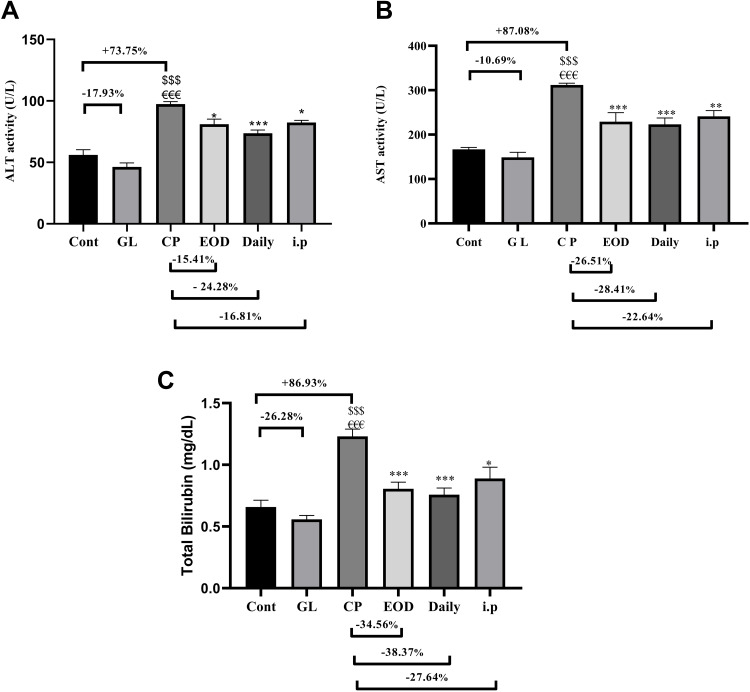
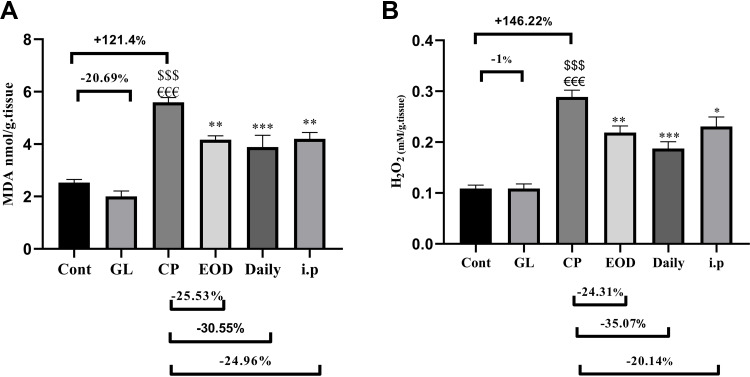
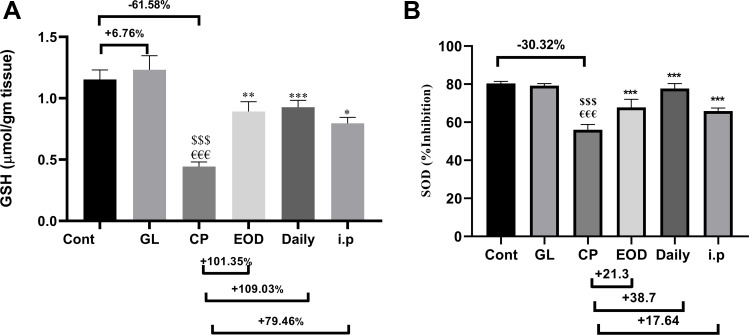
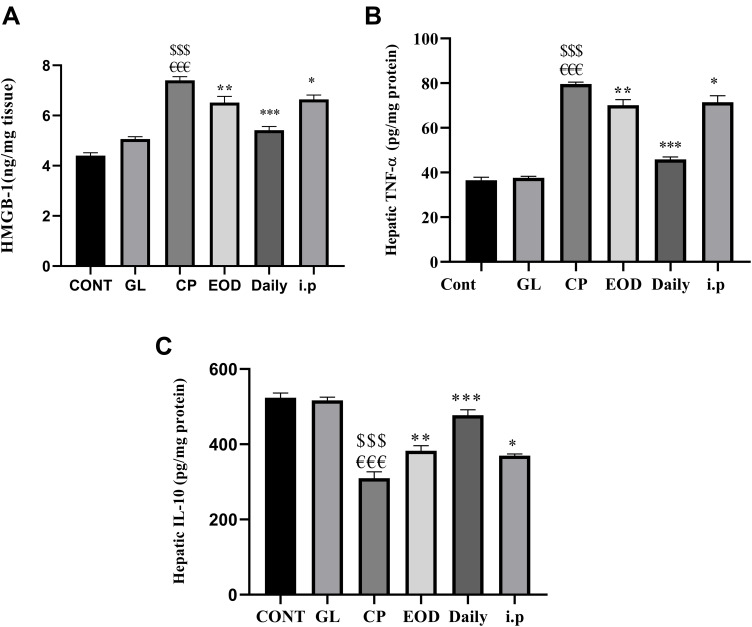
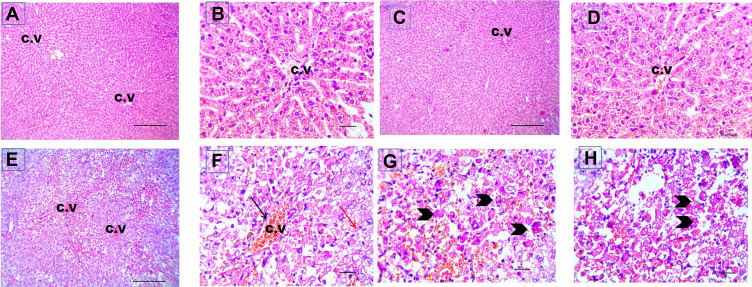
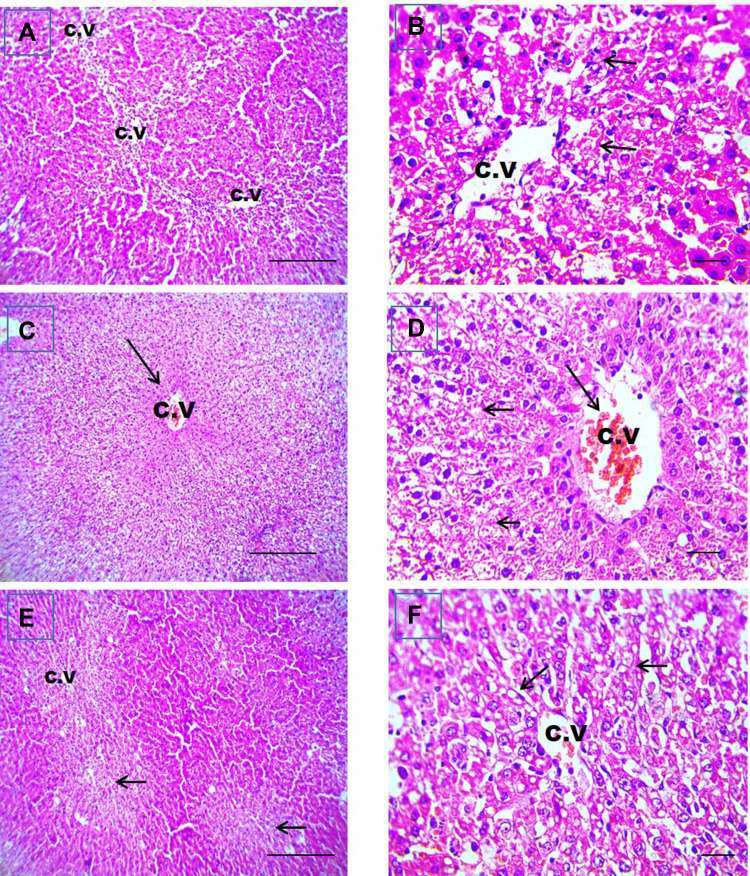
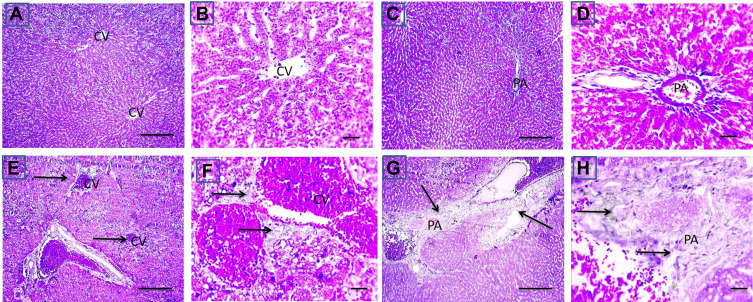
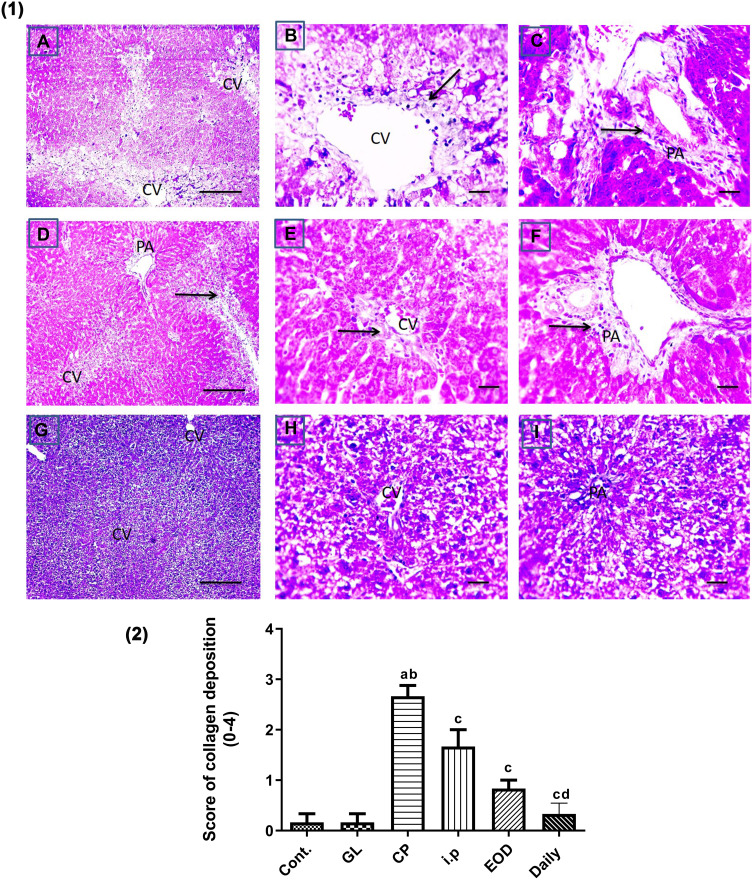
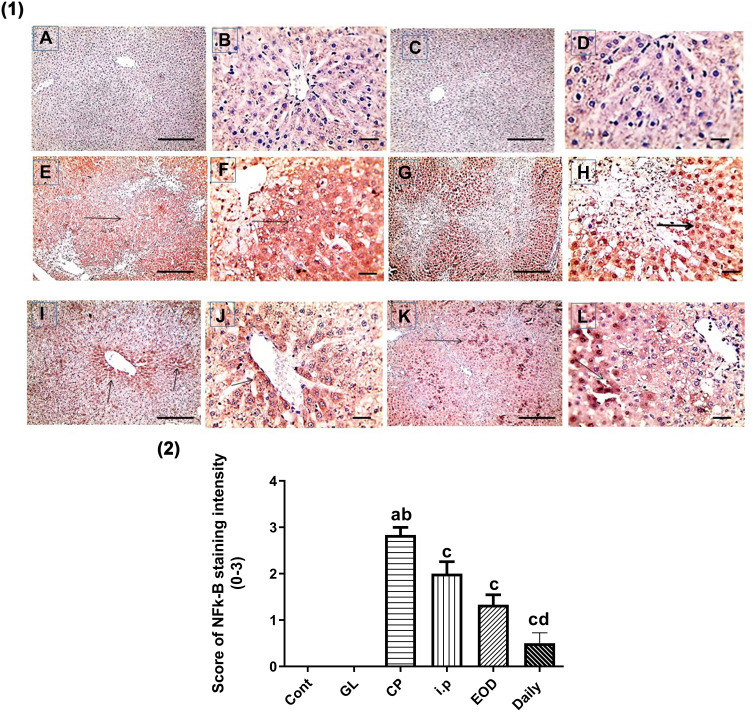
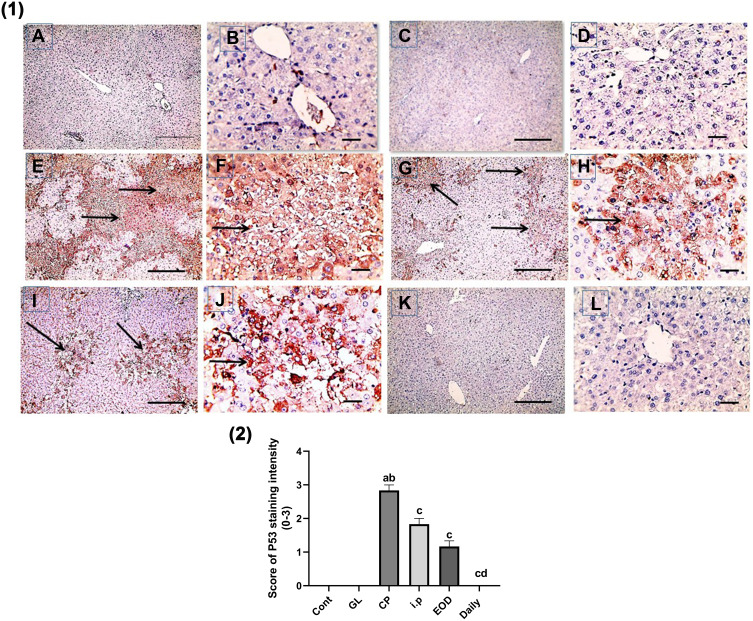
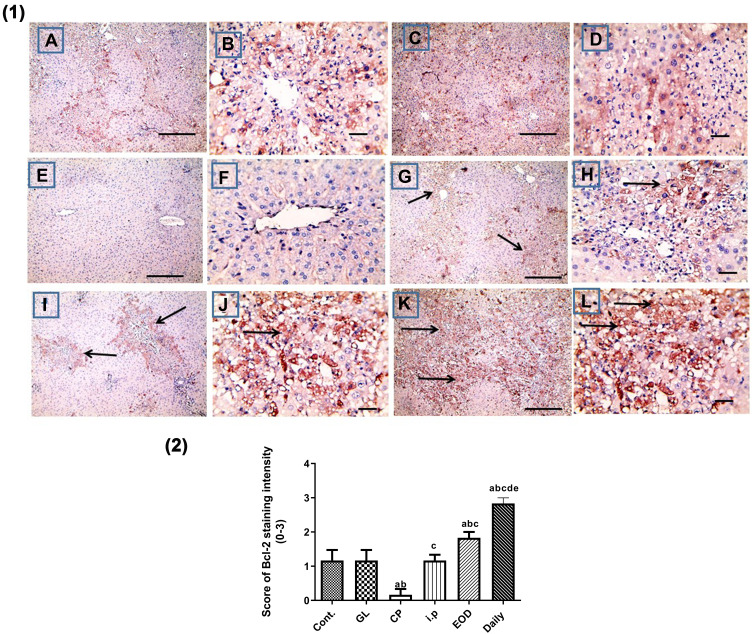
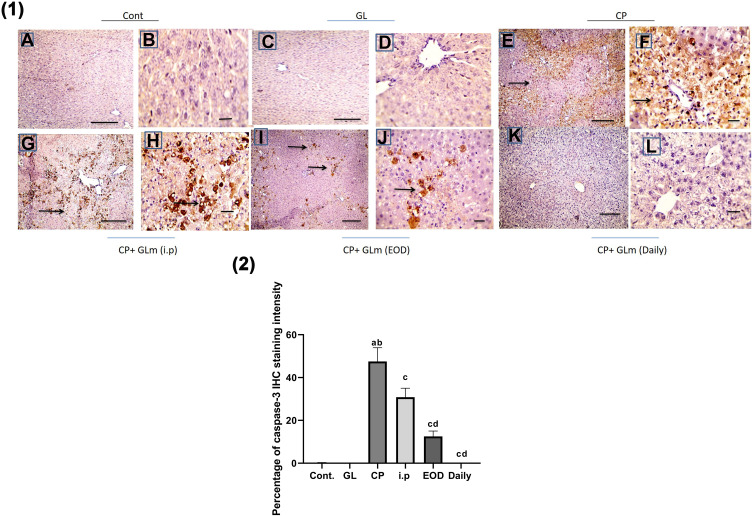
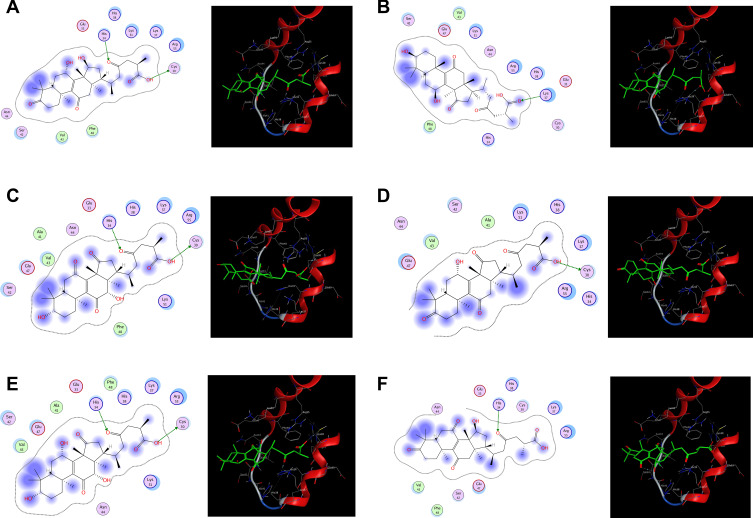
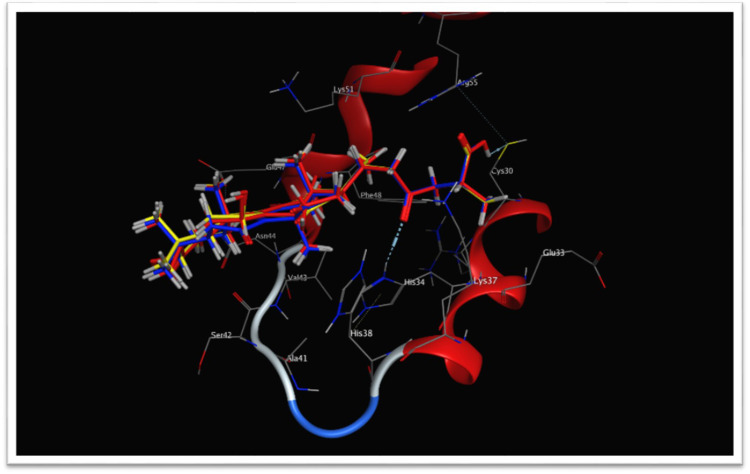
In this study, GLM supplementation caused significant reduction of elevated high-mobility group box-1 (HMGB-1) with a concurrent decline in TNF-α and upregulation of IL-10 compared to the CP group (P<0.05). The histopathological and fibrosis evaluation significantly confirmed the improvement upon simultaneous treatment with GLM. Moreover, immunohistochemical examination also confirmed the recovery following GLM treatment indicated by downregulation of NF-κB, p53 and caspase-3 along with upsurge of B-cell lymphoma 2 (Bcl-2) expression (P<0.05). GLM treatment significantly decreased serum levels of hepatic injury markers; ALT, AST, T. bilirubin as well as oxidative stress markers; MDA and HO with a concomitant increase in hepatic GSH and SOD. Also, the performed docking simulation of ganoderic acid exhibited good fitting and binding with HMGB-1 through hydrogen bond formation with conservative amino acids which gives a strong evidence for its hepatoprotective effect and may interpret the effect of .
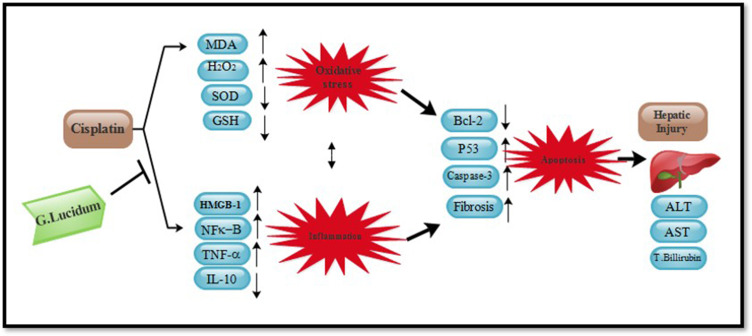
GLM attenuated hepatic injury through downregulation of HMGB-1/NF-kB and caspase-3 resulted in modulation of the induced oxidative stress and the subsequent cross-talk between the inflammatory and apoptotic cascade indicating its promising role in DILI.
药物性肝损伤(DILI)是急性肝衰竭最常见的原因。本研究旨在从理论和实验两方面探讨灵芝(GLM)改善顺铂(CP)诱导的肝毒性的分子机制。
36 只雄性 Sprague-Dawley(SD)大鼠分为 6 组,其中 2 组为正常对照组。4 组大鼠单次腹腔注射 CP(12mg/kg)诱导肝损伤,其中 1 组为 CP 对照组。除第 1 天注射顺铂外,第 4-6 组大鼠连续 10 天每天或隔天或腹腔注射 GLM(500mg/kg/天)。
本研究中,与 CP 组相比,GLM 补充剂可显著降低高迁移率族蛋白 B1(HMGB-1)的升高,并同时降低 TNF-α和上调 IL-10(P<0.05)。同时给予 GLM 治疗可显著改善组织病理学和纤维化评估。此外,免疫组化检查也证实了 GLM 治疗后的恢复,表现为 NF-κB、p53 和 caspase-3 的下调以及 B 细胞淋巴瘤 2(Bcl-2)的上调(P<0.05)。GLM 治疗可显著降低血清肝损伤标志物 ALT、AST、总胆红素和氧化应激标志物 MDA 和 HO 的水平,同时增加肝 GSH 和 SOD 的水平。此外,对灵芝酸的对接模拟表明,它通过与保守氨基酸形成氢键与 HMGB-1 良好结合并发挥作用,这为其保肝作用提供了有力证据,并可能解释其在 DILI 中的作用。
GLM 通过下调 HMGB-1/NF-κB 和 caspase-3 减轻肝损伤,从而调节诱导的氧化应激以及随后的炎症和凋亡级联之间的相互作用,表明其在 DILI 中具有良好的应用前景。