Kim Noori, Chan Wei Xuan, Ng Sum Huan, Yoon Yong-Jin, Allen Jont B
Department of Electrical and Electronic Engineering, Newcastle University in Singapore, 172A Ang Mo Kio Avenue 8, ♯05-01 SIT@NYP Building, Singapore 567739, Singapore.
Department of Biomedical Engineering, National University of Singapore, 21 Lower Kent Ridge Rd, Singapore 119077, Singapore.
Micromachines (Basel). 2020 Jun 29;11(7):636. doi: 10.3390/mi11070636.
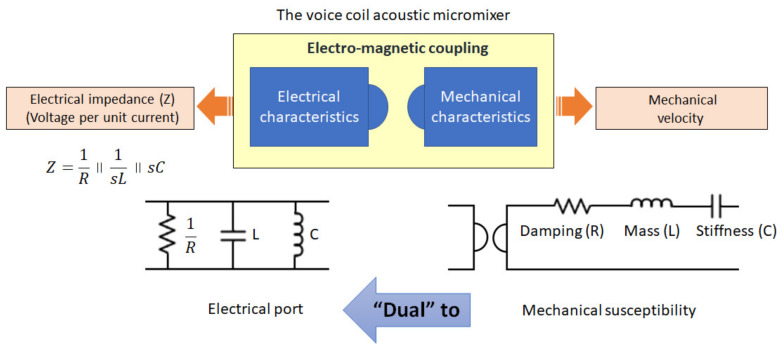
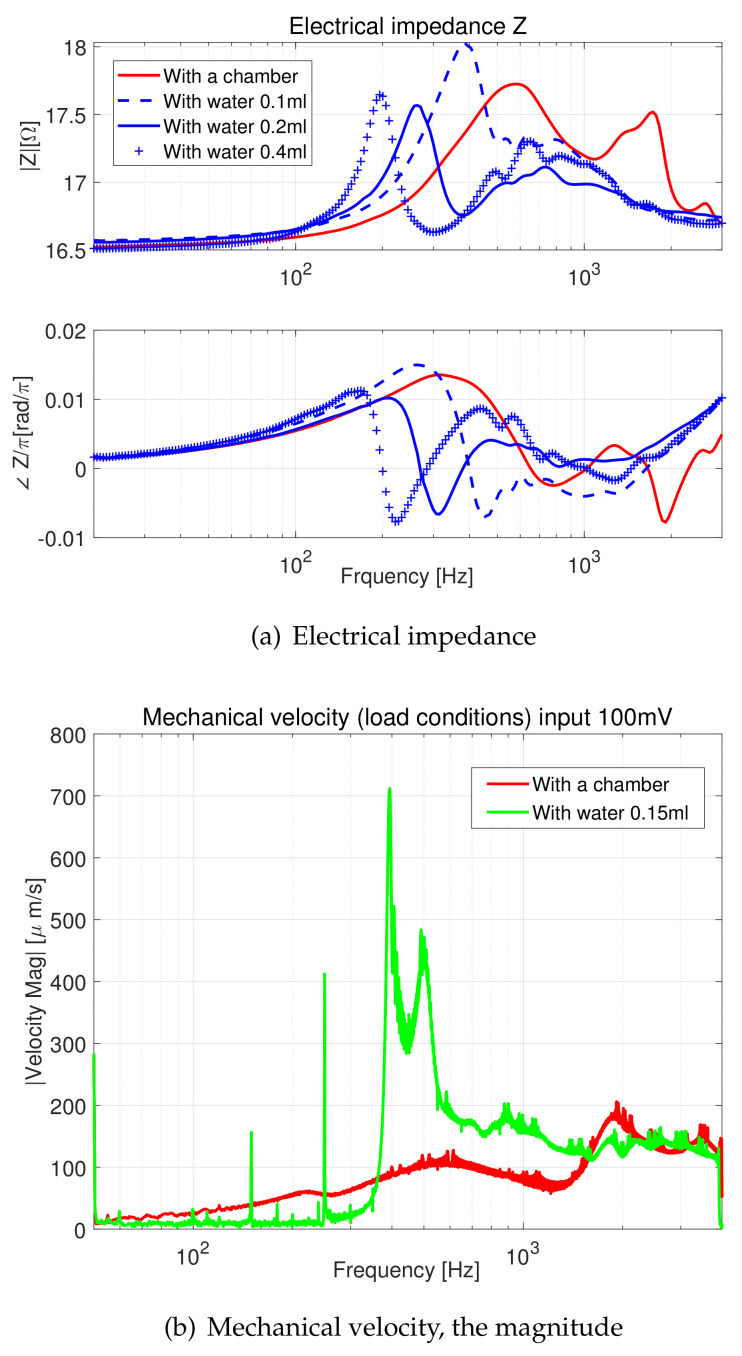
Micromixers are critical components in the lab-on-a-chip or micro total analysis systems technology found in micro-electro-mechanical systems. In general, the mixing performance of the micromixers is determined by characterising the mixing time of a system, for example the time or number of circulations and vibrations guided by tracers (i.e., fluorescent dyes). Our previous study showed that the mixing performance could be detected solely from the electrical measurement. In this paper, we employ electromagnetic micromixers to investigate the correlation between electrical and mechanical behaviours in the mixer system. This work contemplates the "anti-reciprocity" concept by providing a theoretical insight into the measurement of the mixer system; the work explains the data interdependence between the electrical point impedance (voltage per unit current) and the mechanical velocity. This study puts the electromagnetic micromixer theory on a firm theoretical and empirical basis.
微混合器是微机电系统中芯片实验室或微全分析系统技术的关键组件。一般来说,微混合器的混合性能是通过表征系统的混合时间来确定的,例如由示踪剂(即荧光染料)引导的循环和振动的时间或次数。我们之前的研究表明,仅通过电学测量就可以检测混合性能。在本文中,我们采用电磁微混合器来研究混合器系统中电学行为与力学行为之间的相关性。这项工作通过对混合器系统的测量提供理论见解来思考“反互易性”概念;该工作解释了电学点阻抗(单位电流的电压)与力学速度之间的数据相互依存关系。本研究将电磁微混合器理论建立在坚实的理论和实证基础之上。