Department of Computer Science, Laboratory of Bioinformatics and Systems, Universidade Federal de Minas Gerais, Belo Horizonte, 31270-901, Brazil.
Departament of Computing, CEFET-MG, Belo Horizonte, 30510-000, Brazil.
BMC Bioinformatics. 2020 Jul 1;21(1):275. doi: 10.1186/s12859-020-03575-6.
Protein engineering has many applications for industry, such as the development of new drugs, vaccines, treatment therapies, food, and biofuel production. A common way to engineer a protein is to perform mutations in functionally essential residues to optimize their function. However, the discovery of beneficial mutations for proteins is a complex task, with a time-consuming and high cost for experimental validation. Hence, computational approaches have been used to propose new insights for experiments narrowing the search space and reducing the costs.
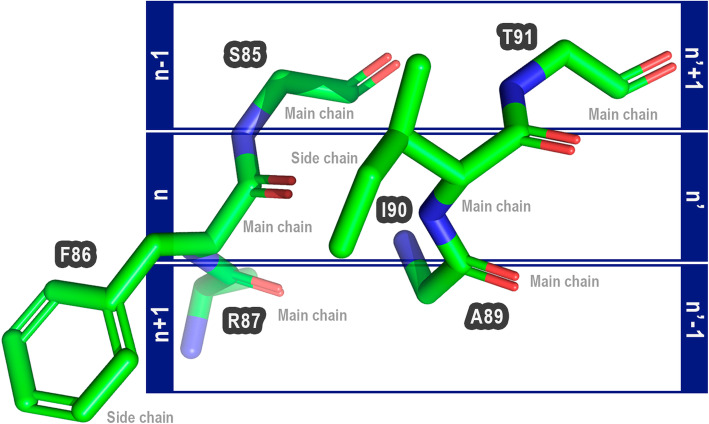
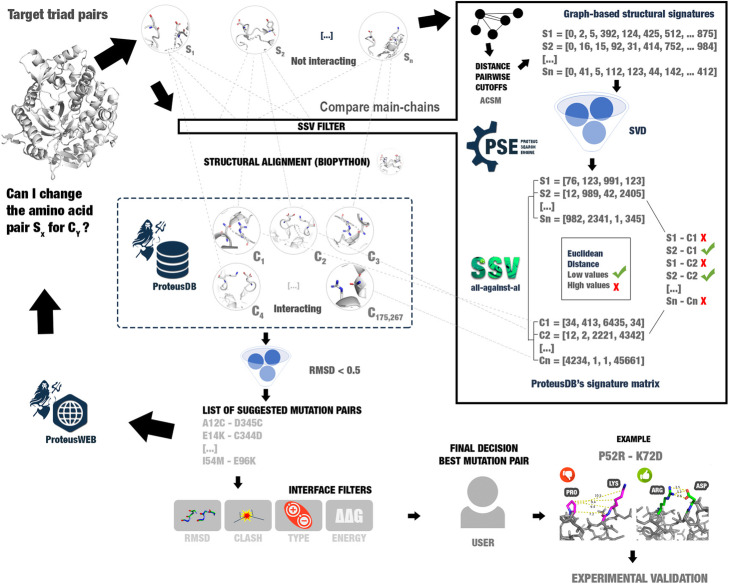
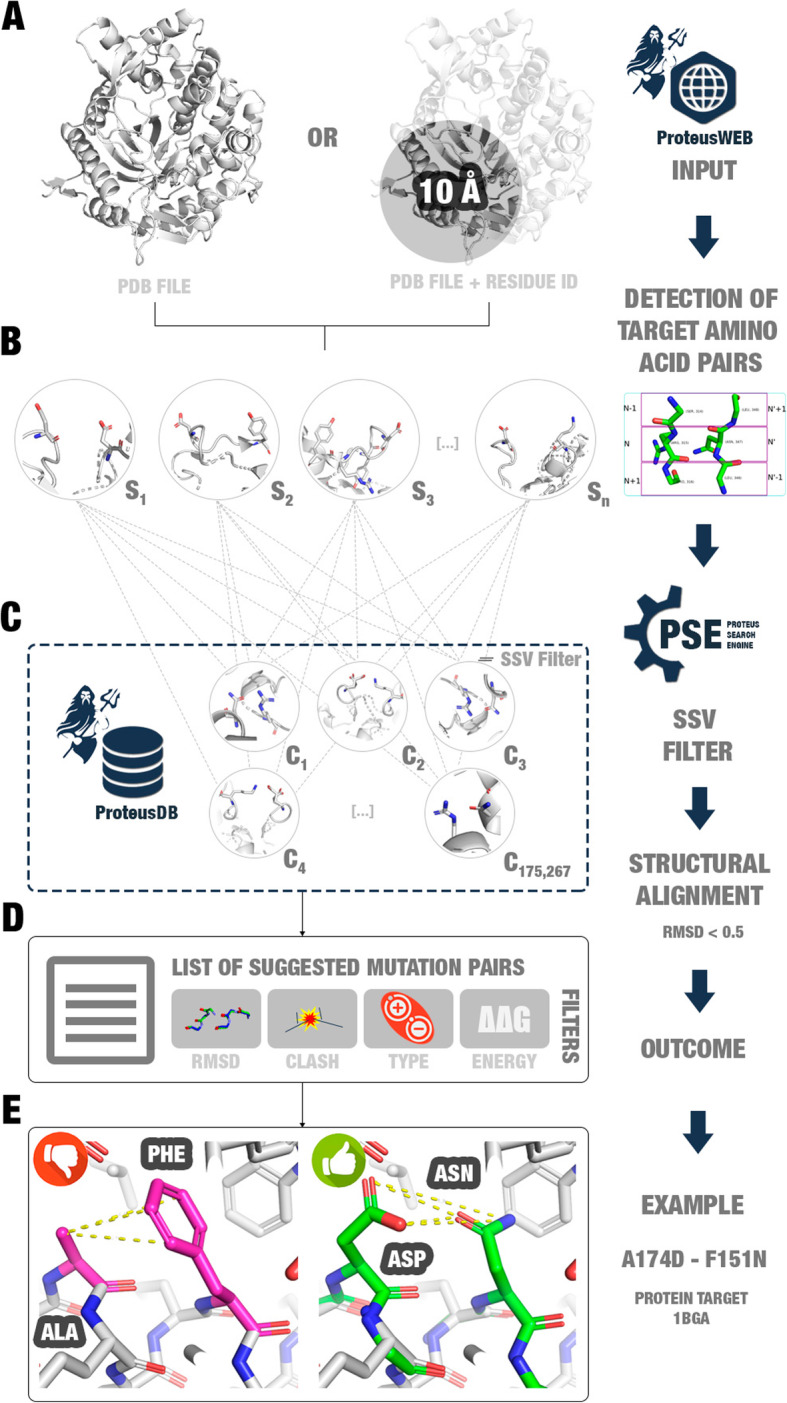
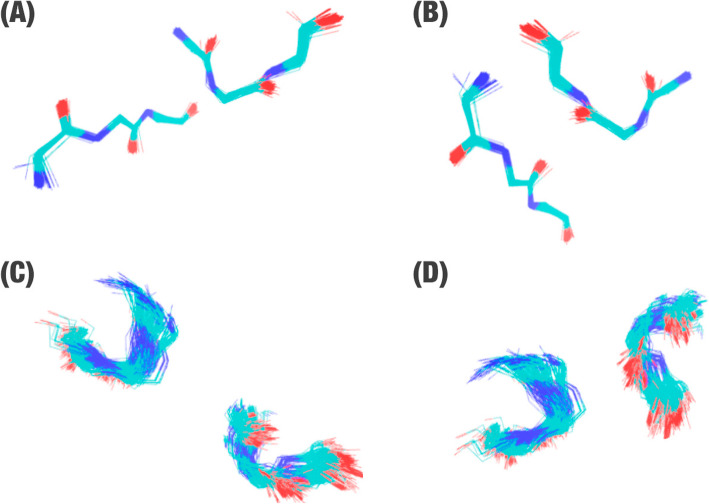
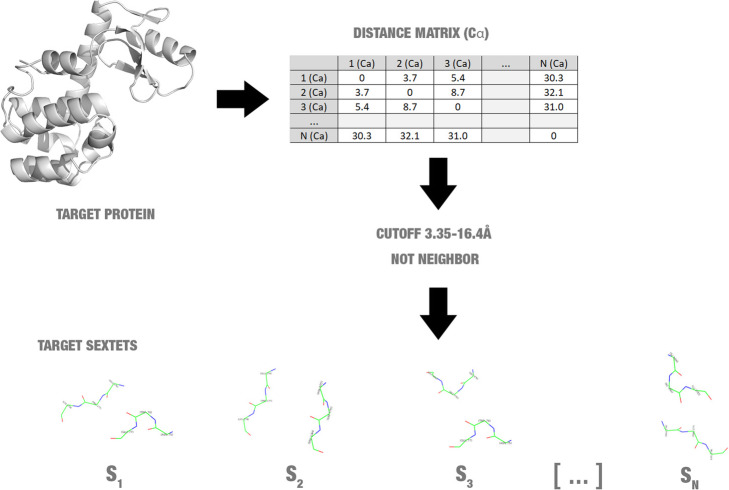
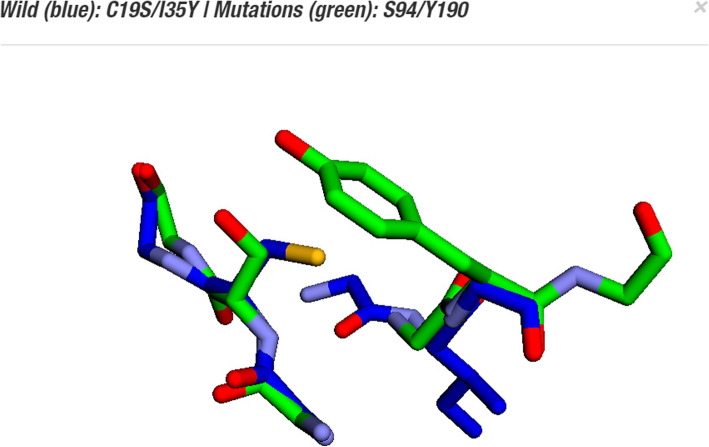
In this study, we developed Proteus (an acronym for Protein Engineering Supporter), a new algorithm for proposing mutation pairs in a target 3D structure. These suggestions are based on contacts observed in other known structures from Protein Data Bank (PDB). Proteus' basic assumption is that if a non-interacting pair of amino acid residues in the target structure is exchanged to an interacting pair, this could enhance protein stability. This trade is only allowed if the main-chain conformation of the residues involved in the contact is conserved. Furthermore, no steric impediment is expected between the proposed mutations and the surrounding protein atoms. To evaluate Proteus, we performed two case studies with proteins of industrial interests. In the first case study, we evaluated if the mutations suggested by Proteus for four protein structures enhance the number of inter-residue contacts. Our results suggest that most mutations proposed by Proteus increase the number of interactions into the protein. In the second case study, we used Proteus to suggest mutations for a lysozyme protein. Then, we compared Proteus' outcomes to mutations with available experimental evidence reported in the ProTherm database. Four mutations, in which our results agree with the experimental data, were found. This could be initial evidence that changes in the side-chain of some residues do not cause disturbances that harm protein structure stability.
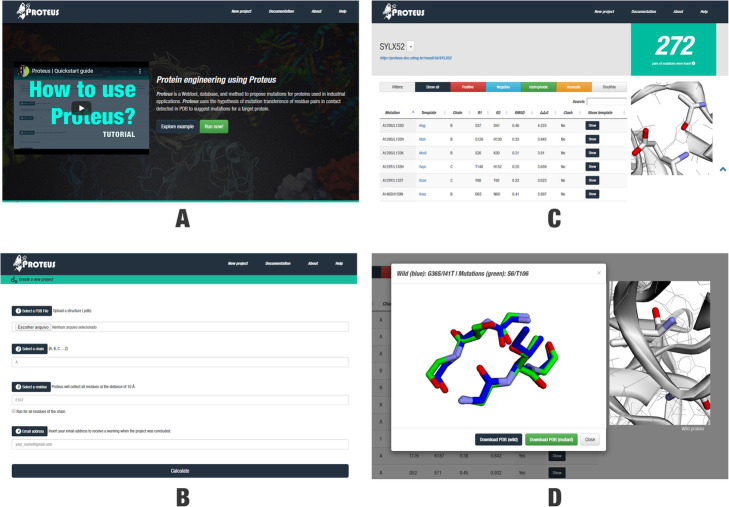
We believe that Proteus could be used combined with other methods to give new insights into the rational development of engineered proteins. Proteus user-friendly web-based tool is available at < http://proteus.dcc.ufmg.br >.
蛋白质工程在工业中有许多应用,例如开发新药、疫苗、治疗方法、食品和生物燃料生产。一种常见的蛋白质工程方法是在功能必需残基上进行突变,以优化其功能。然而,发现蛋白质的有益突变是一项复杂的任务,实验验证既耗时又成本高。因此,人们已经使用计算方法来提出新的实验见解,缩小搜索空间并降低成本。
在这项研究中,我们开发了 Proteus(Protein Engineering Supporter 的缩写),这是一种用于在目标 3D 结构中提出突变对的新算法。这些建议基于从蛋白质数据库(PDB)中其他已知结构中观察到的接触。Proteus 的基本假设是,如果目标结构中非相互作用的氨基酸残基对被交换为相互作用的残基对,这可以增强蛋白质稳定性。这种交换仅在涉及接触的残基的主链构象保守的情况下才允许。此外,预计提议的突变与周围蛋白质原子之间没有空间障碍。为了评估 Proteus,我们对具有工业利益的两种蛋白质进行了案例研究。在第一个案例研究中,我们评估了 Proteus 为四个蛋白质结构提出的突变是否增加了残基间的接触数量。我们的结果表明,Proteus 提出的大多数突变都增加了蛋白质的相互作用数量。在第二个案例研究中,我们使用 Proteus 为溶菌酶蛋白提出突变。然后,我们将 Proteus 的结果与 ProTherm 数据库中报告的可用实验证据的突变进行了比较。发现了四个突变,其中我们的结果与实验数据一致。这可能是最初的证据,表明某些残基侧链的变化不会引起破坏蛋白质结构稳定性的干扰。
我们相信 Proteus 可以与其他方法结合使用,为工程蛋白的合理开发提供新的见解。Proteus 用户友好的网络工具可在http://proteus.dcc.ufmg.br上获得。