Rubin Garret M, Ding Yousong
Department of Medicinal Chemistry, and Center for Natural Products, Drug Discovery and Development, University of Florida, Gainesville, FL, 32610, USA.
J Ind Microbiol Biotechnol. 2020 Oct;47(9-10):659-674. doi: 10.1007/s10295-020-02289-1. Epub 2020 Jul 2.
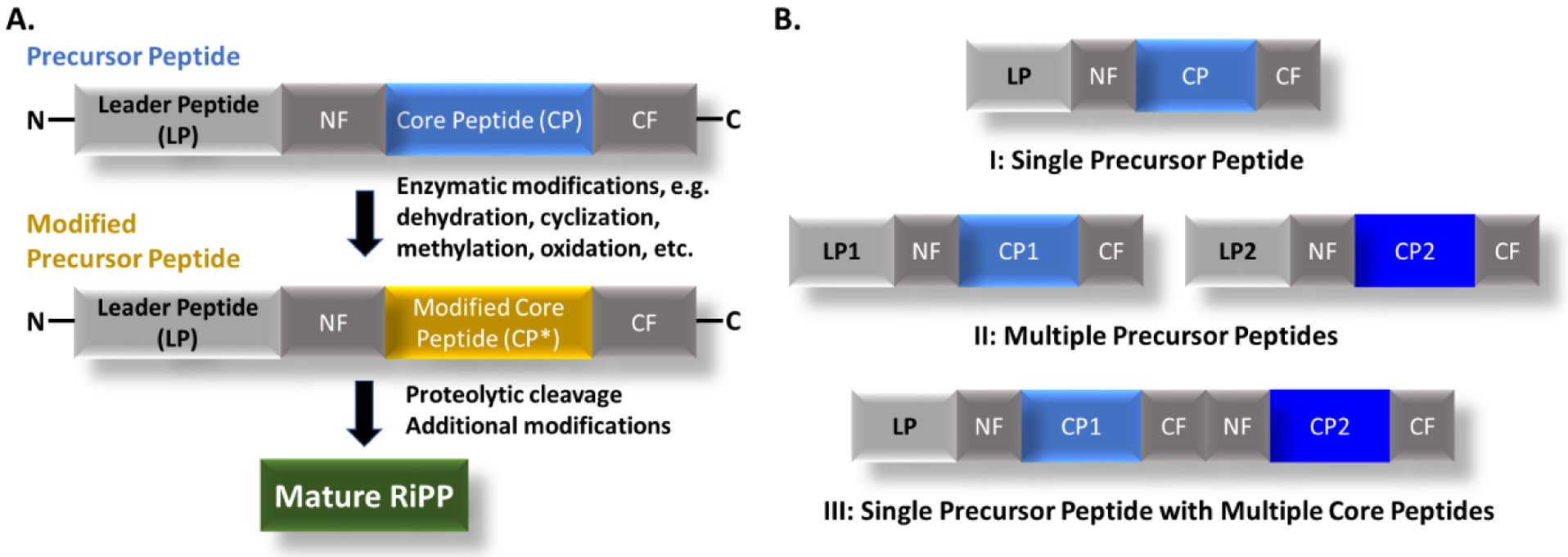
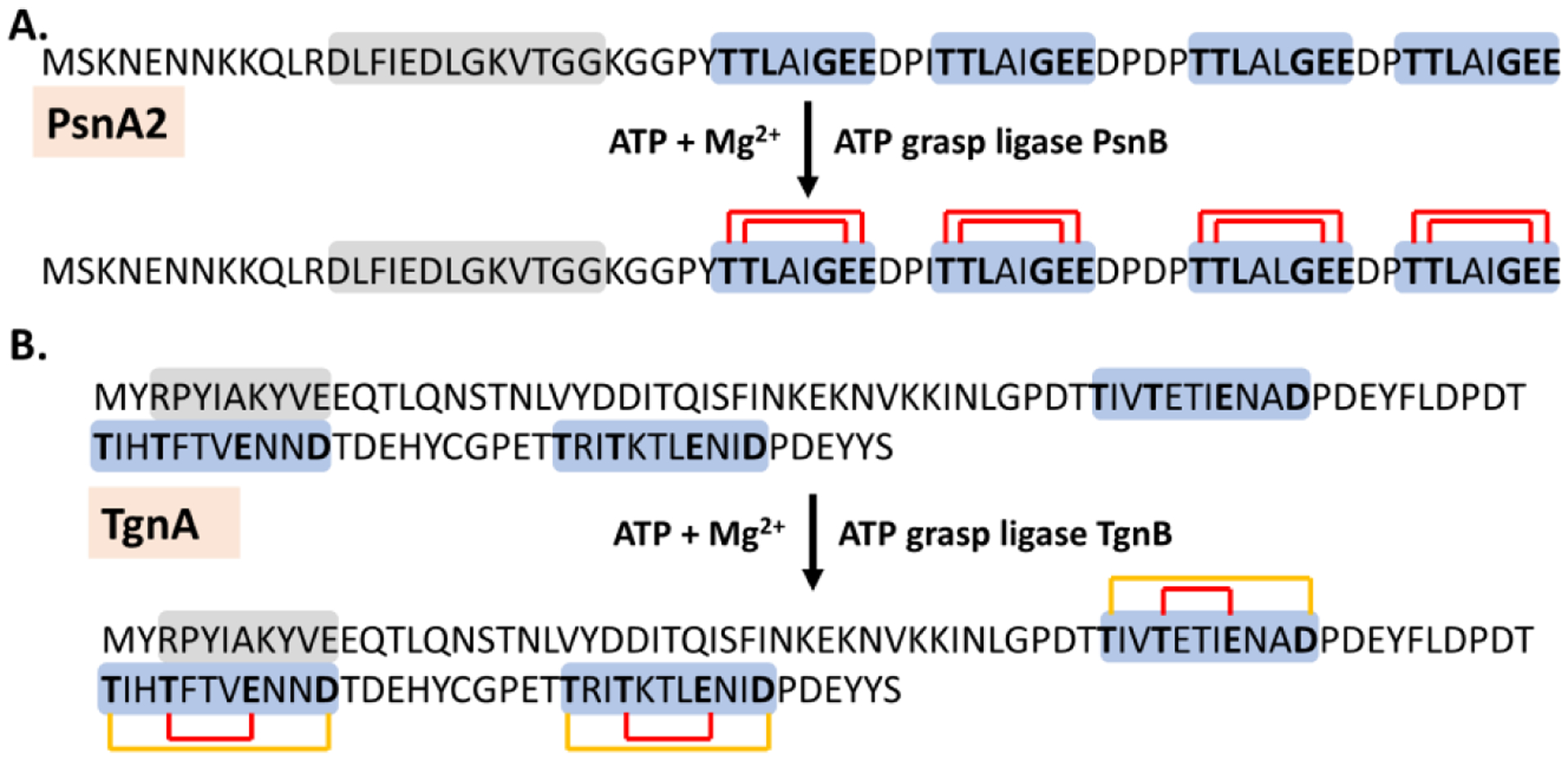
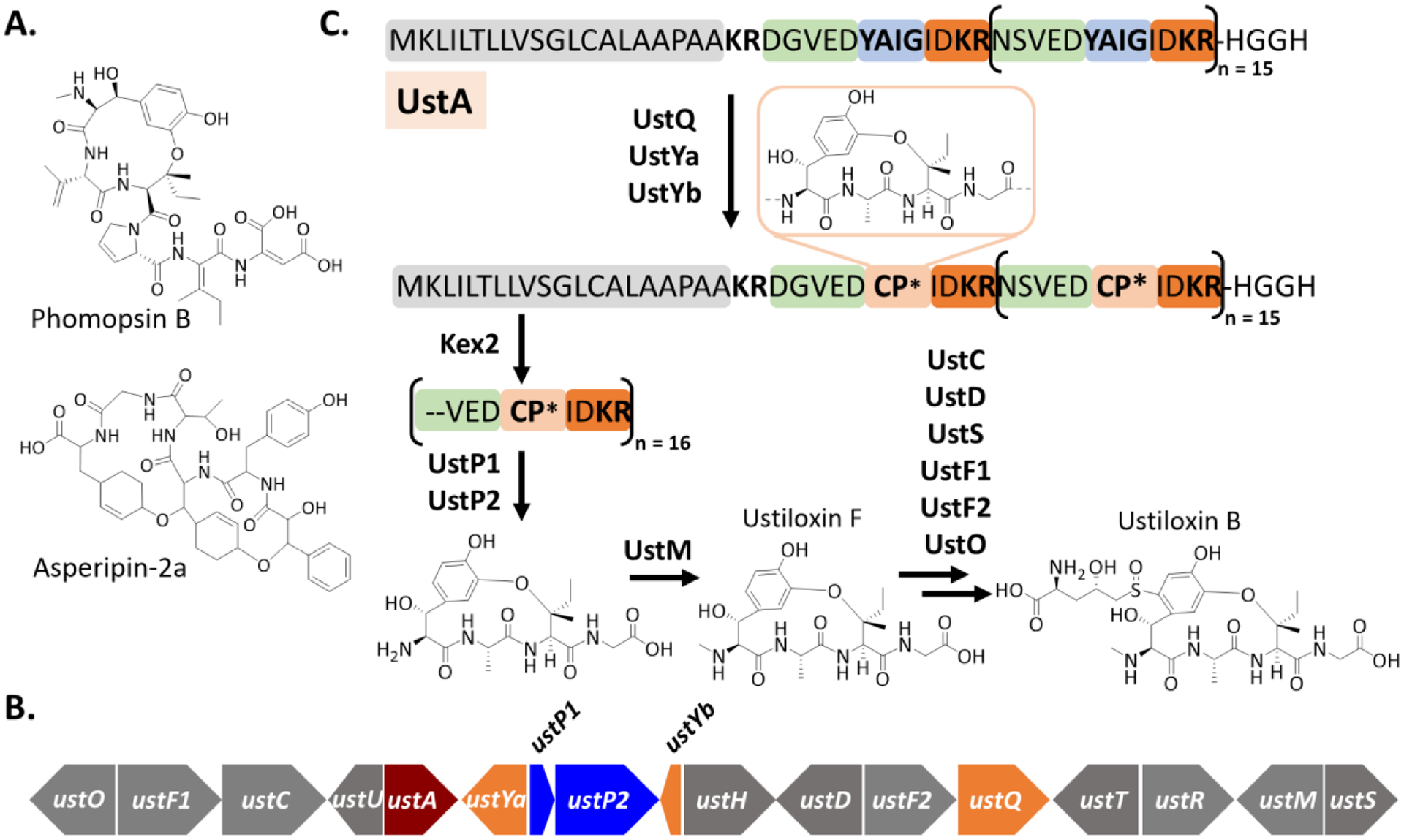
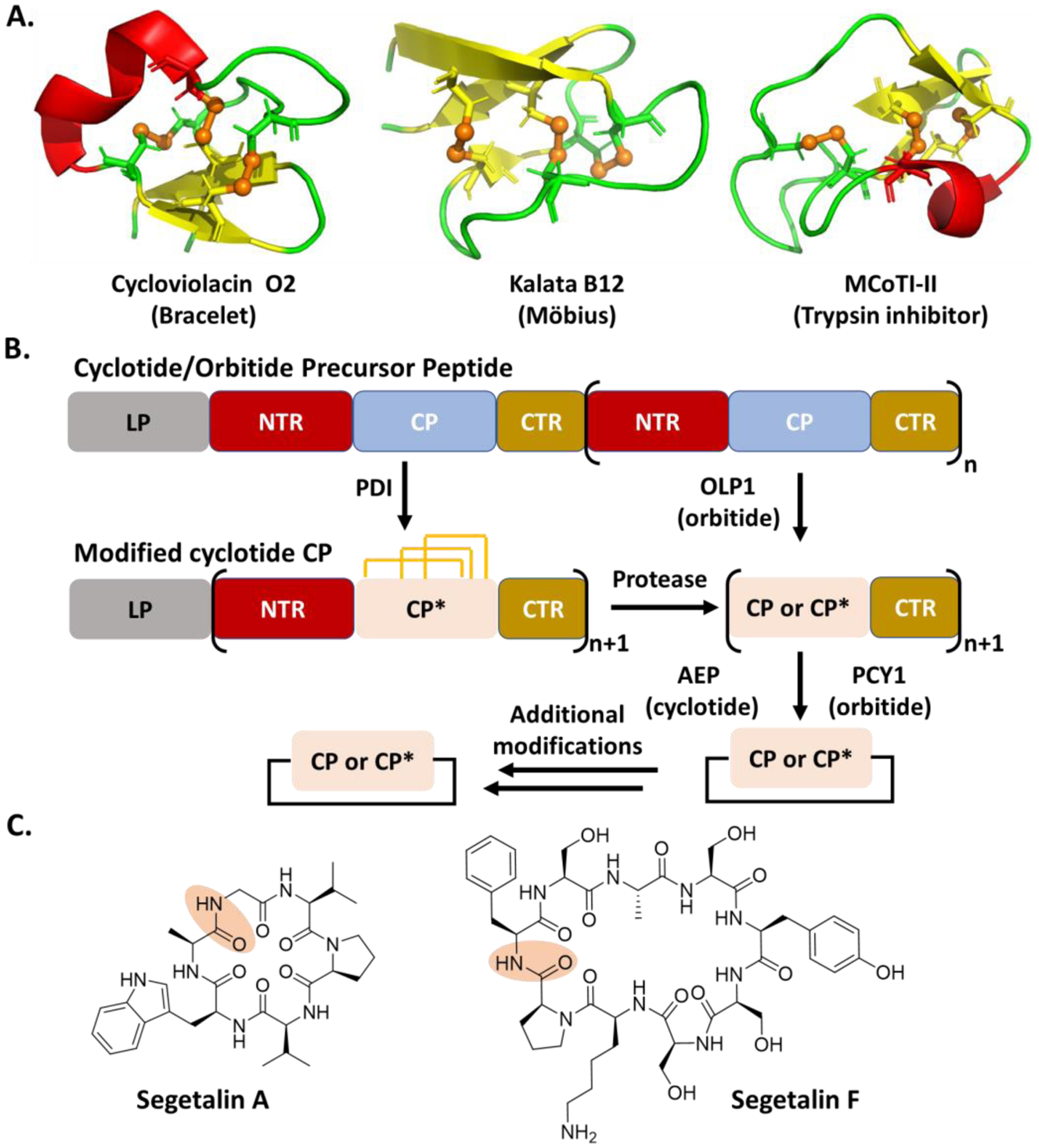
Ribosomally synthesized and post-translationally modified peptides (RiPPs) compose a large structurally and functionally diverse family of natural products. The biosynthesis system of RiPPs typically involves a precursor peptide comprising of a leader and core motif and nearby processing enzymes that recognize the leader and act on the core for producing modified peptides. Interest in RiPPs has increased substantially in recent years as improvements in genome mining techniques have dramatically improved access to these peptides and biochemical and engineering studies have supported their applications. A less understood, intriguing feature in the RiPPs biosynthesis is the precursor peptides of multiple RiPPs families produced by bacteria, fungi and plants carrying multiple core motifs, which we term "multicore". Herein, we present the prevalence of the multicore systems, their biosynthesis and engineering for applications.
核糖体合成及翻译后修饰肽(RiPPs)构成了一个结构和功能多样的天然产物大家族。RiPPs的生物合成系统通常涉及一个由前导肽和核心基序组成的前体肽,以及附近识别前导肽并作用于核心基序以产生修饰肽的加工酶。近年来,随着基因组挖掘技术的改进极大地改善了获取这些肽的途径,以及生化和工程研究支持了它们的应用,人们对RiPPs的兴趣大幅增加。RiPPs生物合成中一个鲜为人知但引人入胜的特征是,细菌、真菌和植物产生的多个RiPPs家族的前体肽携带多个核心基序,我们将其称为“多核”。在此,我们介绍了多核系统的普遍性、它们的生物合成以及应用方面的工程学研究。