Tel Aviv Univ., Israel.
Istituto di Fisica Applicata "Nello Carrara", Italy.
J Biomed Opt. 2020 Jul;25(7):1-10. doi: 10.1117/1.JBO.25.7.077001.
Alzheimer's disease (AD) is an irreversible and progressive disorder that damages brain cells and impairs the cognitive abilities of the affected. Developing a sensitive and cost-effective method to detect Alzheimer's biomarkers appears vital in both a diagnostic and therapeutic perspective.
Our goal is to develop a sensitive and reliable tool for detection of amyloid β (1-42) peptide (Aβ42), a major AD biomarker, using fiber-enhanced Raman spectroscopy (FERS).
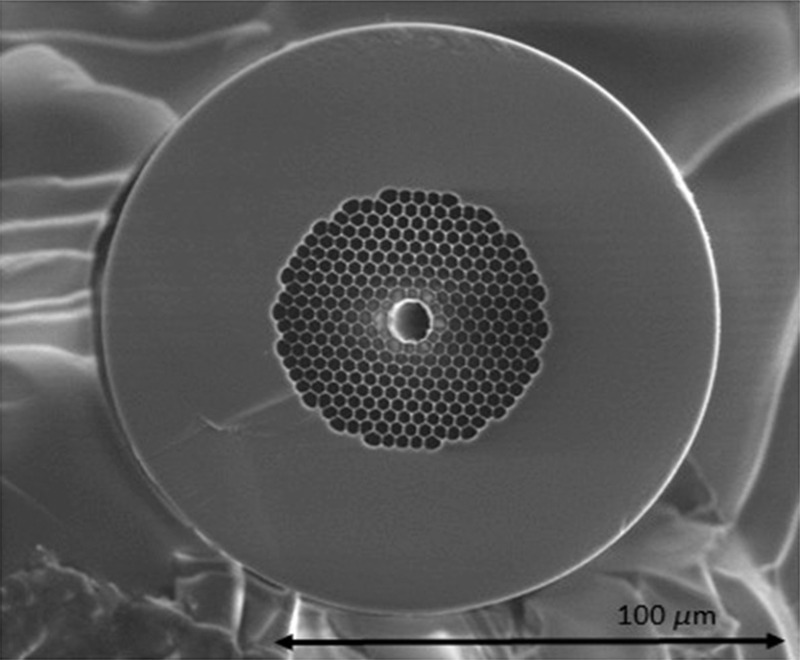
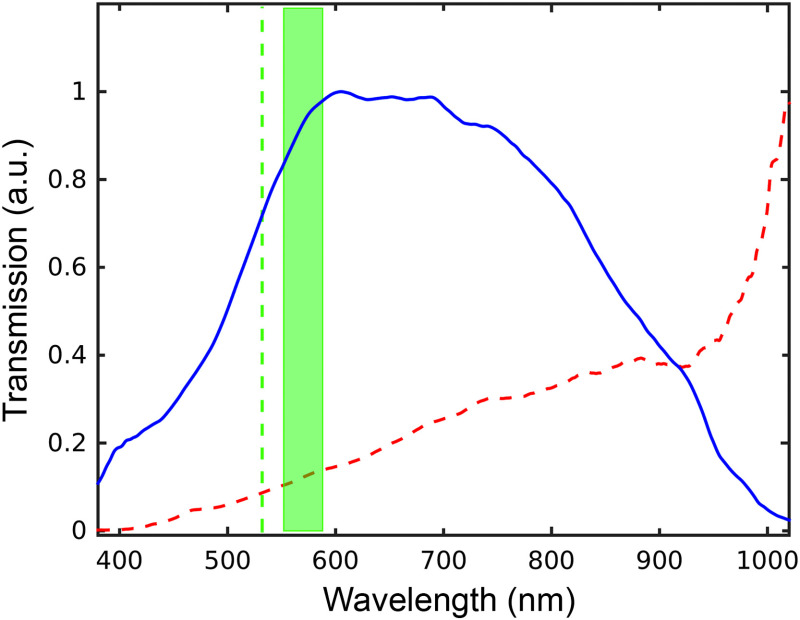
A hollow core photonic crystal fiber (HCPCF) was integrated with a conventional Raman spectroscopic setup to perform FERS measurements. FERS was then coupled with surface-enhanced Raman spectroscopy (SERS) to further amplify the Raman signal thanks to a combined FERS-SERS assay.
A minimum 20-fold enhancement of the Raman signal of Aβ42 as compared to a conventional Raman spectroscopy scheme was observed using the HCPCF-based light delivery system. The signal was further boosted by decorating the fiber core with gold bipyramids generating an additional SERS effect, resulting in an overall 200 times amplification.
The results demonstrate that the use of an HCPCF-based platform can provide sharp and intense Raman signals of Aβ42, in turn paving the way toward the development of a sensitive label-free detection tool for early diagnosis of AD.
阿尔茨海默病(AD)是一种不可逆转且进行性的疾病,它会损害脑细胞并损害受影响者的认知能力。开发一种敏感且具有成本效益的方法来检测阿尔茨海默病生物标志物,在诊断和治疗方面似乎都至关重要。
我们的目标是使用纤维增强拉曼光谱(FERS)开发一种用于检测淀粉样β(1-42)肽(Aβ42)的敏感且可靠的工具,Aβ42 是主要的 AD 生物标志物之一。
将中空芯光子晶体光纤(HCPCF)与传统的拉曼光谱仪集成,以进行 FERS 测量。然后,通过结合 FERS-SERS 测定法,将 FERS 与表面增强拉曼光谱(SERS)结合使用,进一步放大拉曼信号。
与传统的拉曼光谱方案相比,使用基于 HCPCF 的光传输系统观察到 Aβ42 的拉曼信号至少增强了 20 倍。通过用金双锥体修饰光纤芯进一步增强信号,产生额外的 SERS 效应,从而实现了总体 200 倍的放大。
结果表明,使用 HCPCF 为基础的平台可以提供尖锐且强烈的 Aβ42 拉曼信号,从而为开发用于 AD 早期诊断的敏感无标记检测工具铺平了道路。