More Simon, Bicout Dominique, Botner Anette, Butterworth Andrew, Calistri Paolo, Depner Klaus, Edwards Sandra, Garin-Bastuji Bruno, Good Margaret, Gortazar Schmidt Christian, Michel Virginie, Miranda Miguel Angel, Saxmose Nielsen Søren, Velarde Antonio, Thulke Hans-Hermann, Sihvonen Liisa, Spoolder Hans, Stegeman Jan Arend, Raj Mohan, Willeberg Preben, Candiani Denise, Winckler Christoph
EFSA J. 2017 May 30;15(5):e04782. doi: 10.2903/j.efsa.2017.4782. eCollection 2017 May.
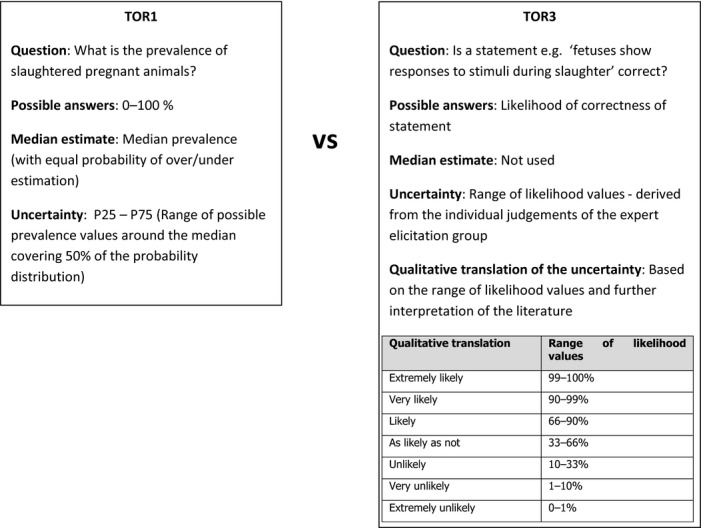
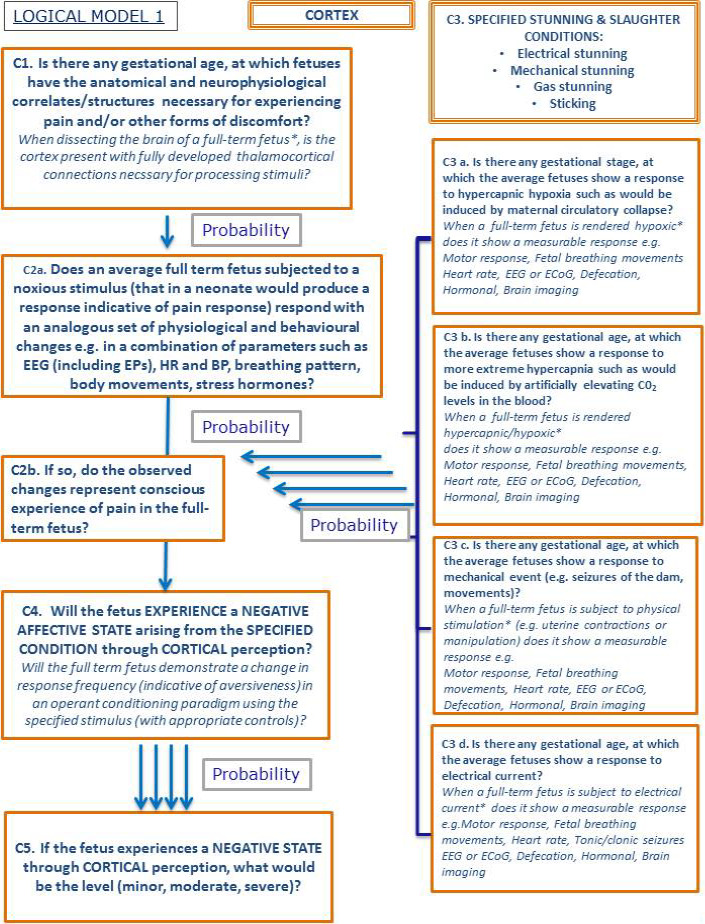
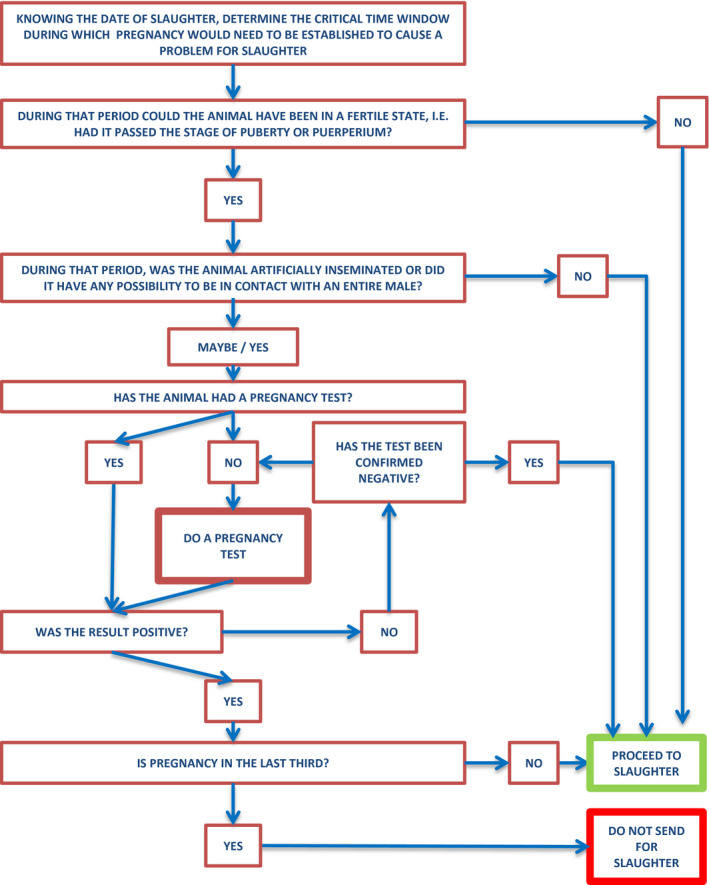
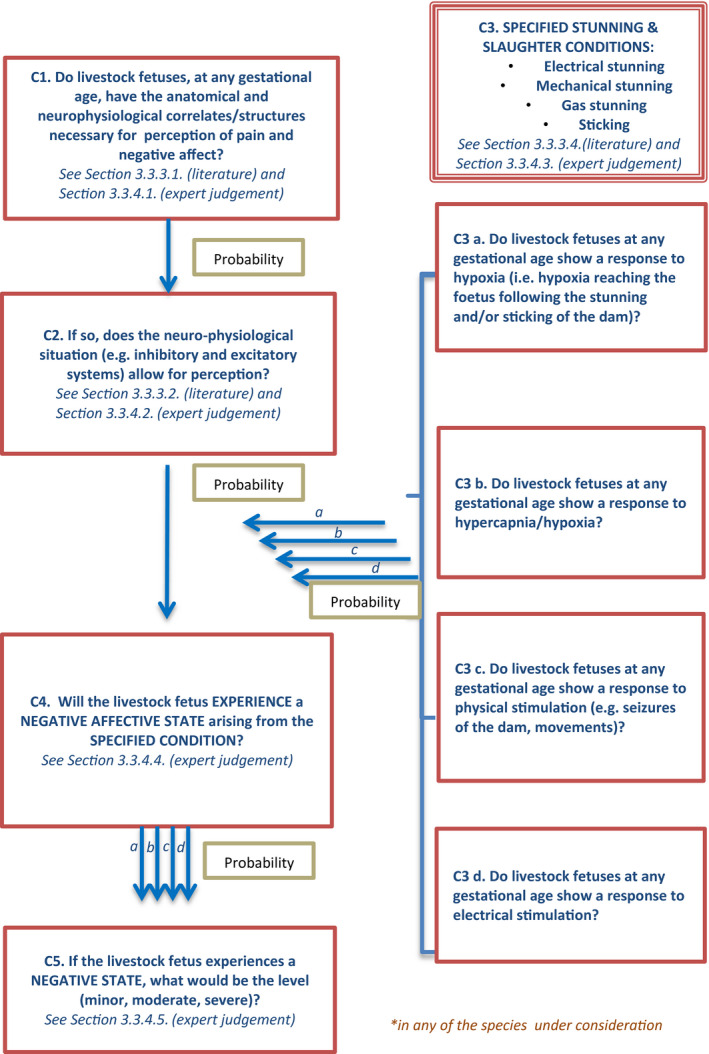
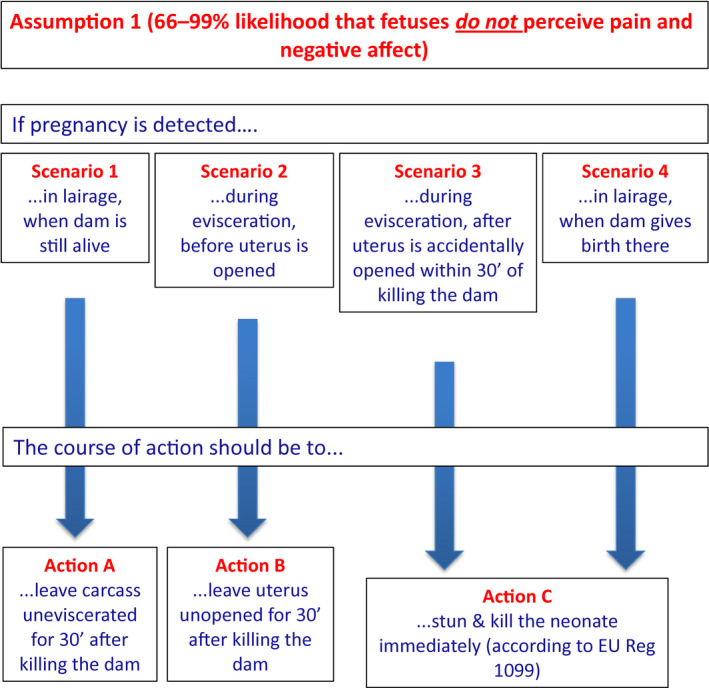
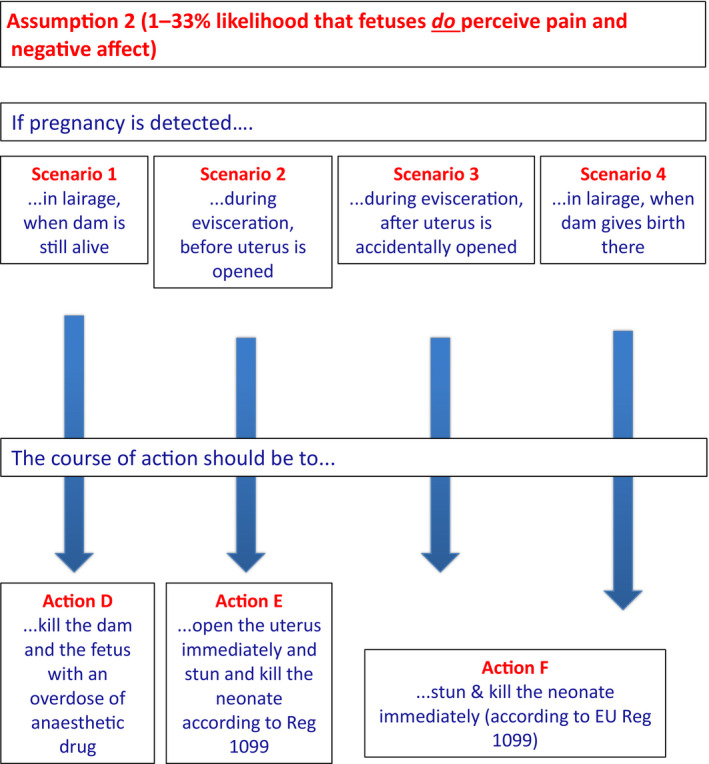
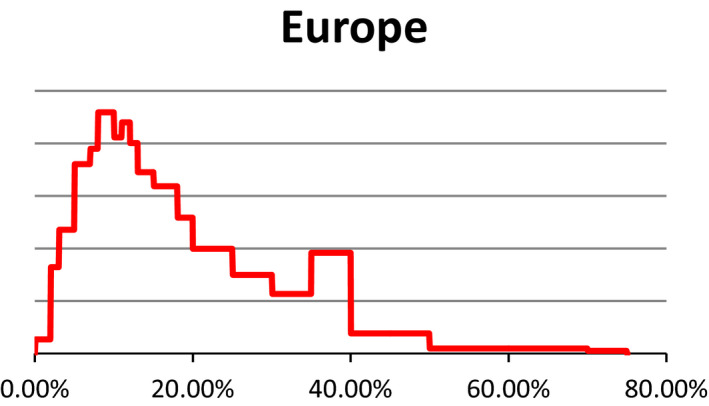
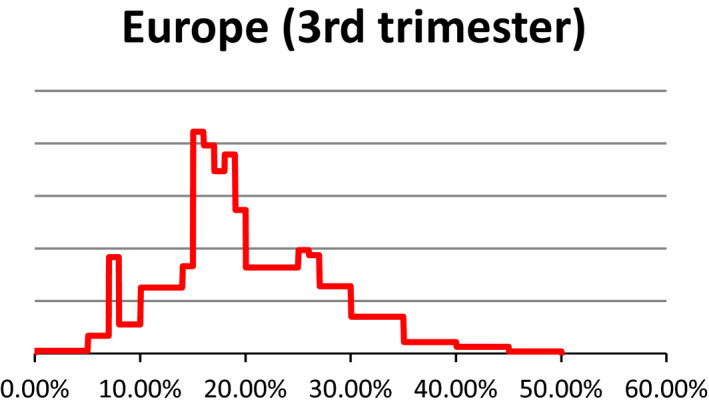
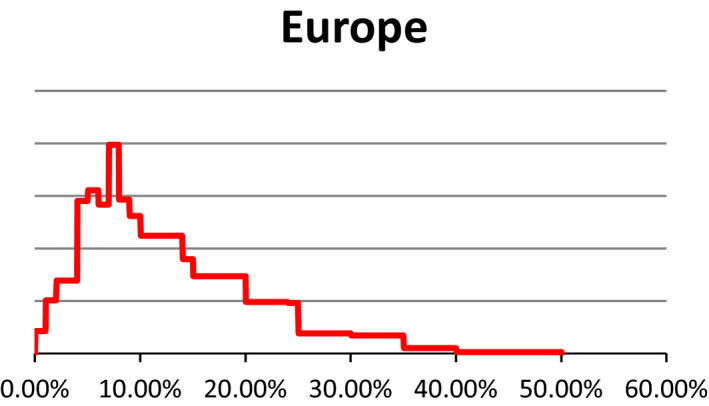
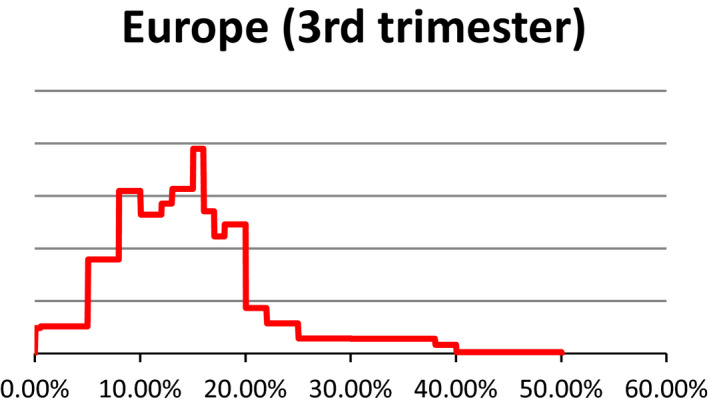
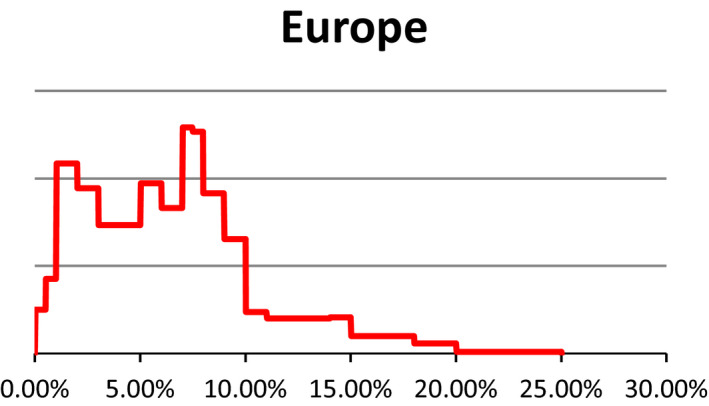
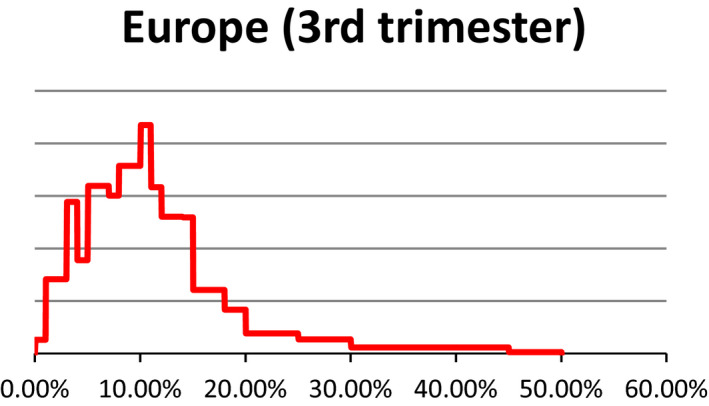
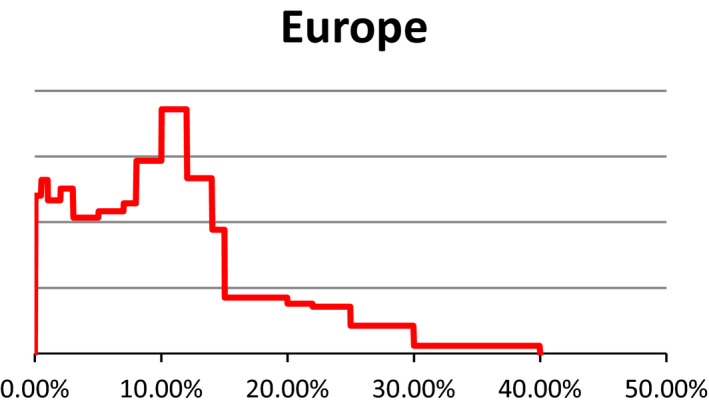
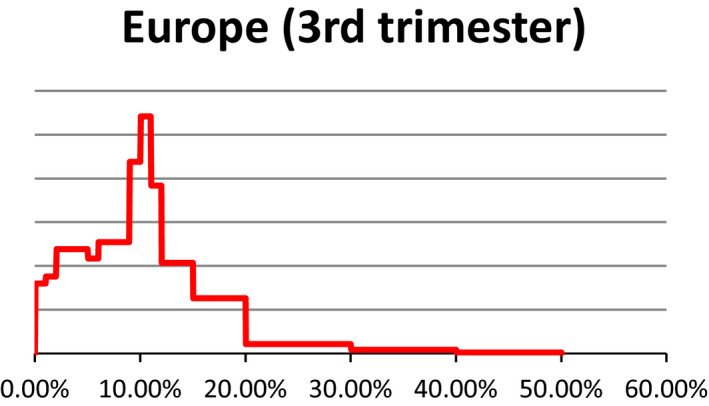
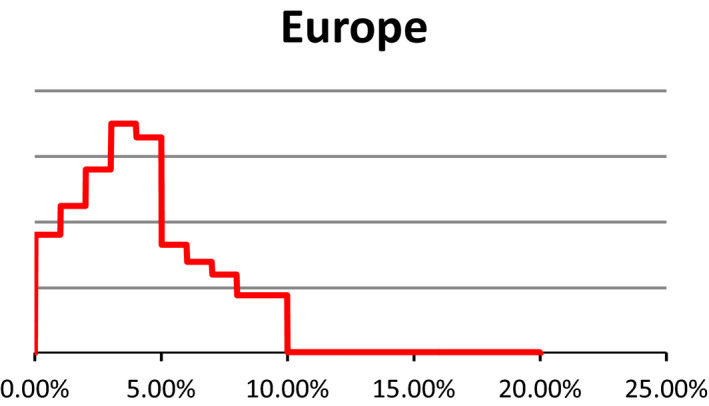
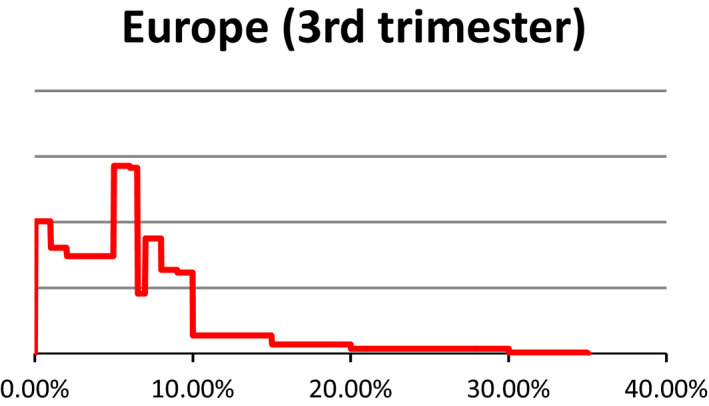
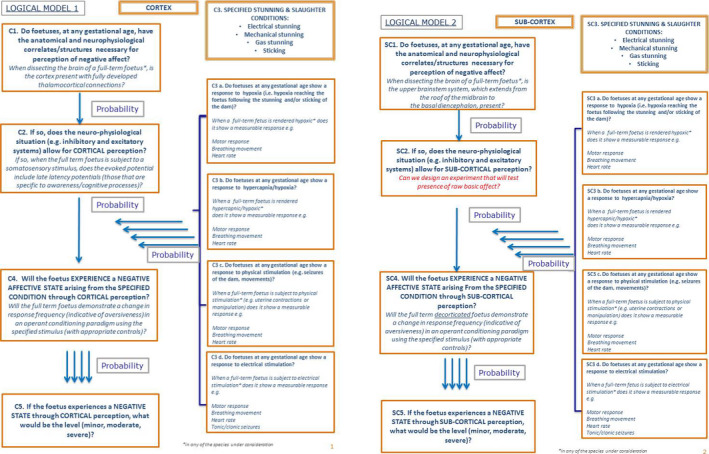
This scientific opinion addresses animal welfare aspects of slaughtering of livestock pregnant animals. Term of Reference (ToR) 1 requested assessment of the prevalence of animals slaughtered in a critical developmental stage of gestation when the livestock fetuses might experience negative affect. Limited data on European prevalence and related uncertainties necessitated a structured expert knowledge elicitation (EKE) exercise. Estimated median percentages of animals slaughtered in the last third of gestation are 3%, 1.5%, 0.5%, 0.8% and 0.2% (dairy cows, beef cattle, pigs, sheep and goats, respectively). Pregnant animals may be sent for slaughter for health, welfare, management and economic reasons (ToR2); there are also reasons for farmers not knowing that animals sent for slaughter are pregnant. Measures to reduce the incidence are listed. ToR3 asked whether livestock fetuses can experience pain and other negative affect. The available literature was reviewed and, at a second multidisciplinary EKE meeting, judgements and uncertainty were elicited. It is concluded that livestock fetuses in the last third of gestation have the anatomical and neurophysiological structures required to experience negative affect (with 90-100% likelihood). However, there are two different possibilities whether they perceive negative affect. It is more probable that the neurophysiological situation does not allow for conscious perception (with 66-99% likelihood) because of brain inhibitory mechanisms. There is also a less probable situation that livestock fetuses can experience negative affect (with 1-33% likelihood) arising from differences in the interpretation of the fetal electroencephalogram, observed responses to external stimuli and the possibility of fetal learning. Regarding methods to stun and kill livestock fetuses at slaughter (ToR4), sets of scenarios and respective actions take account of both the probable and less probable situation regarding fetal ability for conscious perception. Finally, information was collated on methods to establish the dam's gestational stage based on physical features of livestock fetuses (ToR5).
本科学意见涉及屠宰怀孕家畜的动物福利问题。职权范围(ToR)1要求评估在妊娠关键发育阶段被屠宰的家畜情况,此时家畜胎儿可能会受到负面影响。由于欧洲关于此类情况的发生率数据有限且存在相关不确定性,因此开展了一次结构化专家知识获取(EKE)活动。估计在妊娠最后三分之一阶段被屠宰的动物的中位数百分比分别为3%(奶牛)、1.5%(肉牛)、0.5%(猪)、0.8%(绵羊)和0.2%(山羊)。怀孕动物可能因健康、福利、管理和经济原因被送去屠宰(ToR2);也存在农民不知道送去屠宰的动物已怀孕的情况。文中列出了降低此类情况发生率的措施。ToR3询问家畜胎儿是否会经历疼痛和其他负面影响。对现有文献进行了综述,并在第二次多学科EKE会议上获取了相关判断和不确定性信息。得出的结论是,妊娠最后三分之一阶段的家畜胎儿具备经历负面影响所需的解剖学和神经生理学结构(可能性为90 - 100%)。然而,关于它们是否能感知负面影响存在两种不同可能性。由于大脑抑制机制,神经生理状况更有可能不允许有意识的感知(可能性为66 - 99%)。也存在一种可能性较小的情况,即家畜胎儿可能因对胎儿脑电图的解读差异、观察到的对外界刺激的反应以及胎儿学习的可能性而经历负面影响(可能性为1 - 33%)。关于屠宰时使家畜胎儿昏迷和致死的方法(ToR4),一系列情景和相应行动考虑了胎儿有意识感知能力的可能情况和可能性较小的情况。最后,整理了基于家畜胎儿身体特征确定母体妊娠阶段的方法的相关信息(ToR5)。