Knutsen Helle Katrine, Alexander Jan, Barregård Lars, Bignami Margherita, Brüschweiler Beat, Ceccatelli Sandra, Cottrill Bruce, Dinovi Michael, Edler Lutz, Grasl-Kraupp Bettina, Hogstrand Christer, Hoogenboom Laurentius Ron, Nebbia Carlo Stefano, Oswald Isabelle P, Petersen Annette, Rose Martin, Roudot Alain-Claude, Schwerdtle Tanja, Vollmer Günter, Wallace Heather, Benford Diane, Calò Girolamo, Dahan Albert, Dusemund Birgit, Mulder Patrick, Németh-Zámboriné Éva, Arcella Davide, Baert Katleen, Cascio Claudia, Levorato Sara, Schutte Marijke, Vleminckx Christiane
EFSA J. 2018 May 16;16(5):e05243. doi: 10.2903/j.efsa.2018.5243. eCollection 2018 May.
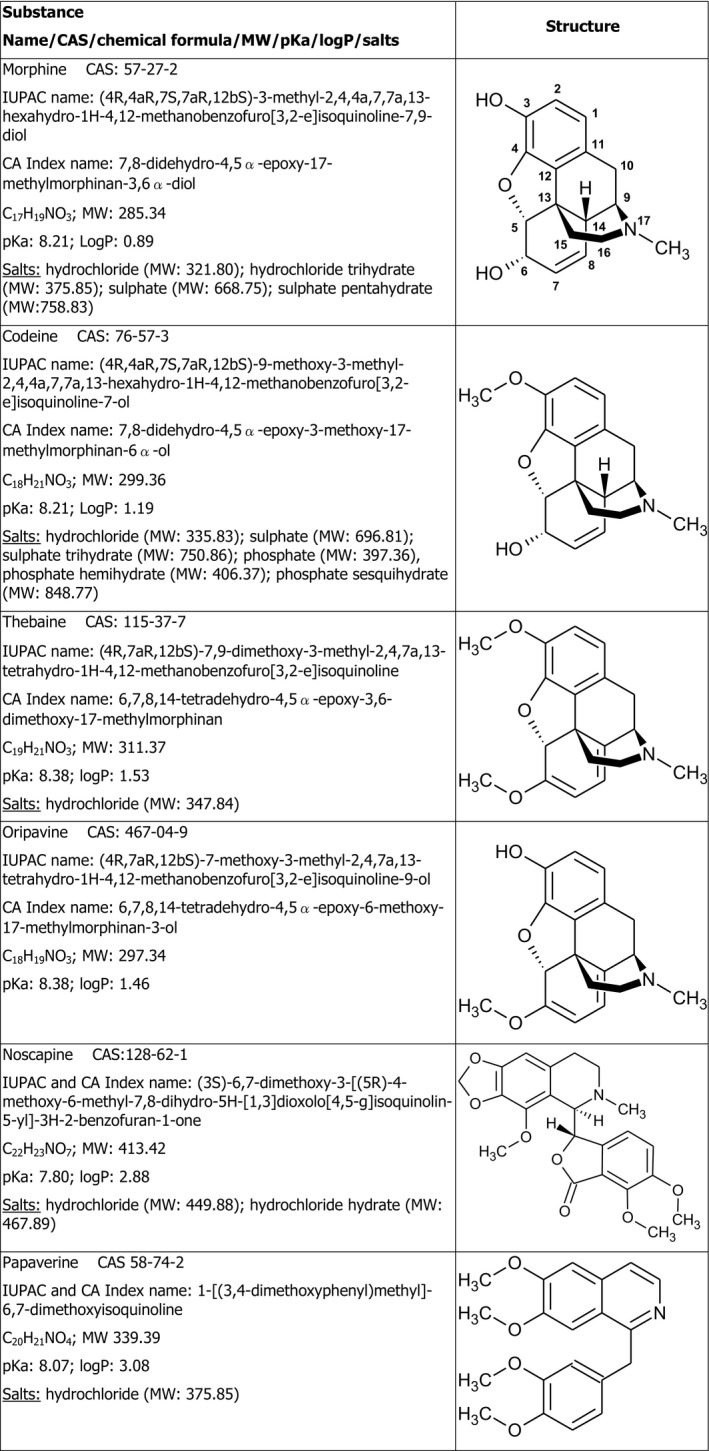
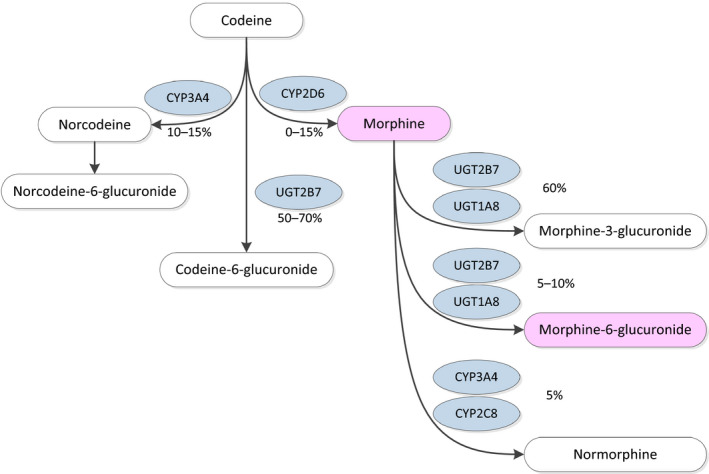
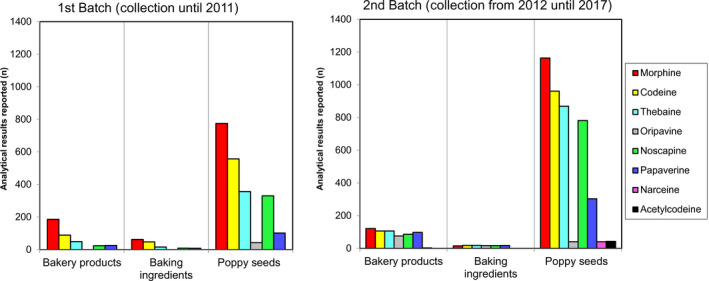
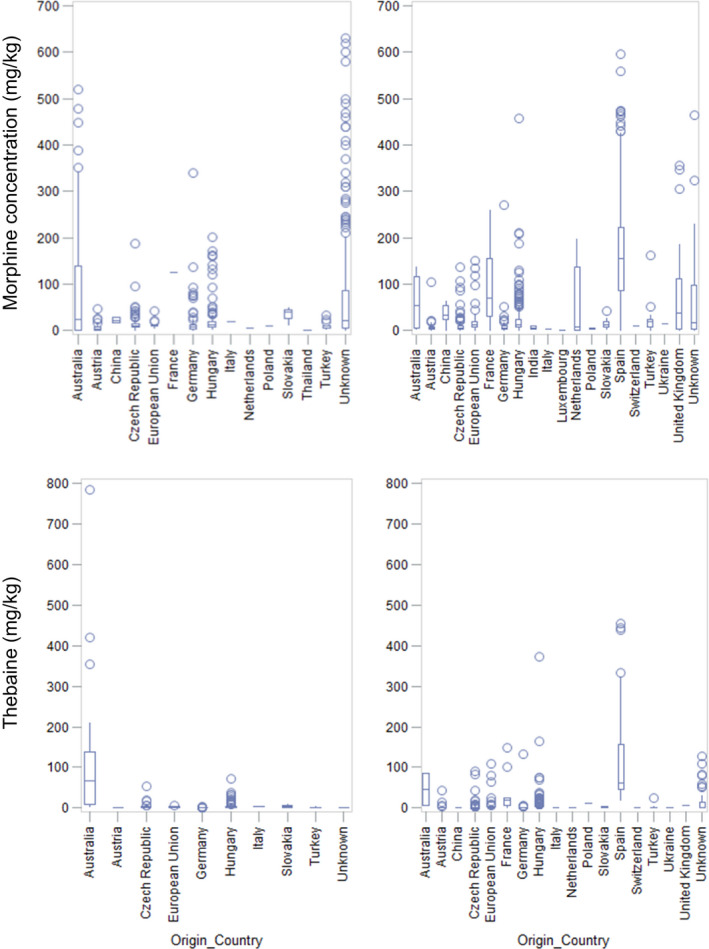
Poppy seeds are obtained from the opium poppy L.). They are used as food and to produce edible oil. The opium poppy plant contains narcotic alkaloids such as morphine and codeine. Poppy seeds do not contain the opium alkaloids, but can become contaminated with alkaloids as a result of pest damage and during harvesting. The European Commission asked EFSA to provide an update of the Scientific Opinion on opium alkaloids in poppy seeds. The assessment is based on data on morphine, codeine, thebaine, oripavine, noscapine and papaverine in poppy seed samples. The CONTAM Panel confirms the acute reference dose (ARfD) of 10 μg morphine/kg body weight (bw) and concluded that the concentration of codeine in the poppy seed samples should be taken into account by converting codeine to morphine equivalents, using a factor of 0.2. The ARfD is therefore a group ARfD for morphine and codeine, expressed in morphine equivalents. Mean and high levels of dietary exposure to morphine equivalents from poppy seeds considered to have high levels of opium alkaloids (i.e. poppy seeds from varieties primarily grown for pharmaceutical use) exceed the ARfD in most age groups. For poppy seeds considered to have relatively low concentrations of opium alkaloids (i.e. primarily varieties for food use), some exceedance of the ARfD is also seen at high levels of dietary exposure in most surveys. For noscapine and papaverine, the available data do not allow making a hazard characterisation. However, comparison of the dietary exposure to the recommended therapeutical doses does not suggest a health concern for these alkaloids. For thebaine and oripavine, no risk characterisation was done due to insufficient data. However, for thebaine, limited evidence indicates a higher acute lethality than for morphine and the estimated exposure could present a health risk.
罂粟籽取自罂粟(Papaver somniferum L.)。它们被用作食物和用于生产食用油。罂粟植物含有吗啡和可待因等麻醉生物碱。罂粟籽不含鸦片生物碱,但可能因虫害和收获过程而被生物碱污染。欧盟委员会要求欧洲食品安全局(EFSA)更新关于罂粟籽中鸦片生物碱的科学意见。该评估基于罂粟籽样品中吗啡、可待因、蒂巴因、去甲罂粟碱、那可丁和罂粟碱的数据。CONTAM专家小组确认了吗啡的急性参考剂量(ARfD)为10μg/千克体重,并得出结论,罂粟籽样品中可待因的浓度应通过使用0.2的系数将可待因换算为吗啡当量来考虑。因此,ARfD是针对吗啡和可待因的群体ARfD,以吗啡当量表示。来自被认为含有高含量鸦片生物碱的罂粟籽(即主要种植用于制药的品种的罂粟籽)的吗啡当量的膳食暴露平均水平和高水平在大多数年龄组中超过了ARfD。对于被认为鸦片生物碱浓度相对较低的罂粟籽(即主要用于食品的品种),在大多数调查中,高水平膳食暴露时也有一些超过ARfD的情况。对于那可丁和罂粟碱,现有数据不允许进行危害特征描述。然而,将膳食暴露与推荐治疗剂量进行比较并不表明这些生物碱会对健康造成担忧。对于蒂巴因和去甲罂粟碱,由于数据不足未进行风险特征描述。然而,对于蒂巴因,有限的证据表明其急性致死性高于吗啡,估计的暴露量可能会带来健康风险。