Donald Bren School of Information and Computer Sciences, University of California, Irvine, CA 92697, USA.
Henry Samueli School of Engineering, University of California, Irvine, CA 92697, USA.
Sensors (Basel). 2020 Jul 4;20(13):3757. doi: 10.3390/s20133757.
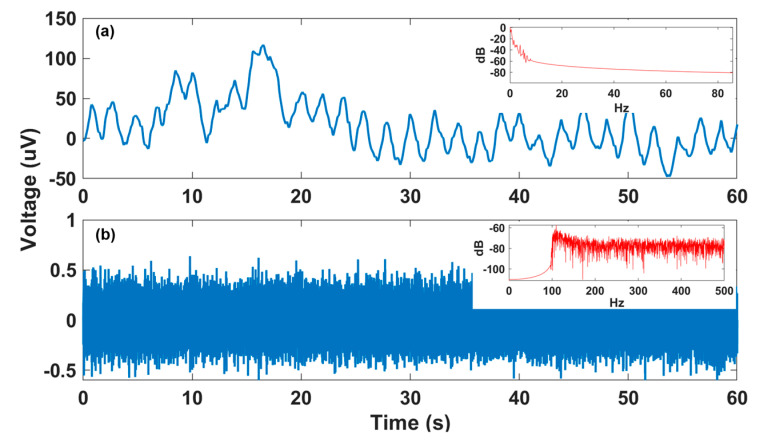
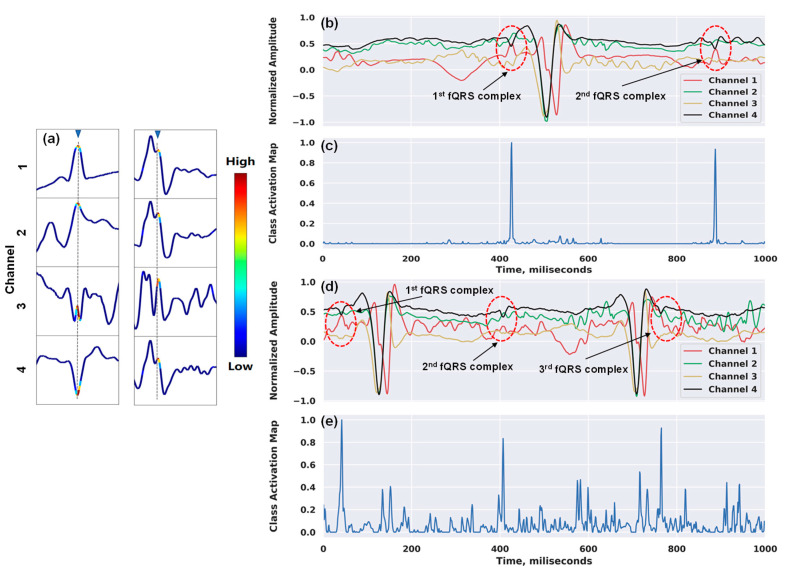
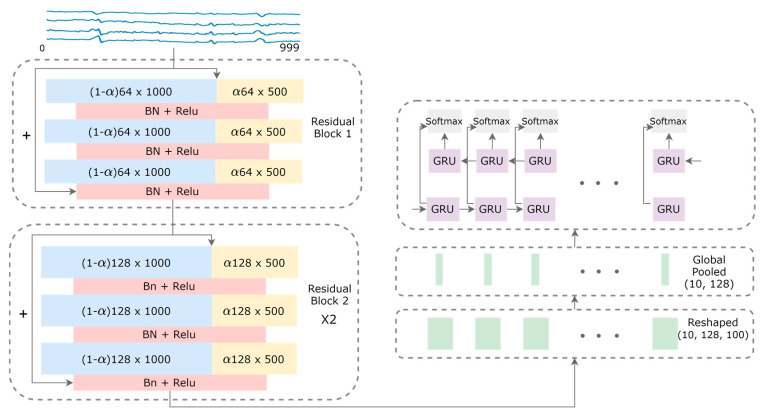
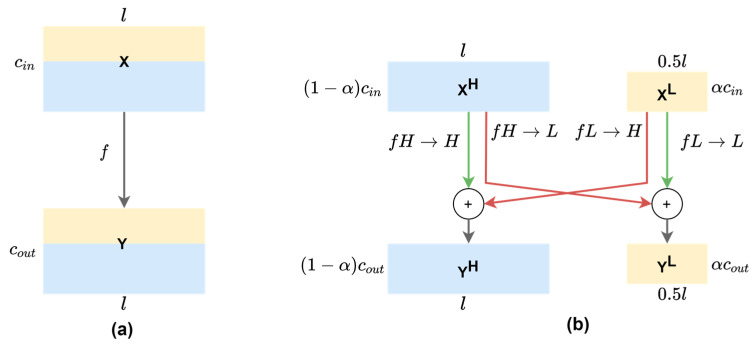
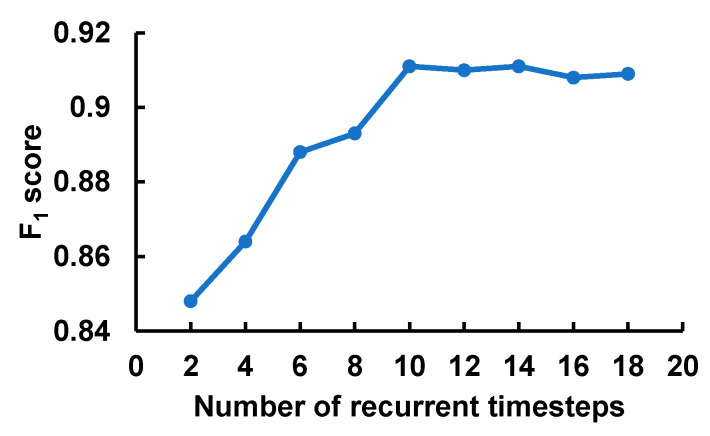
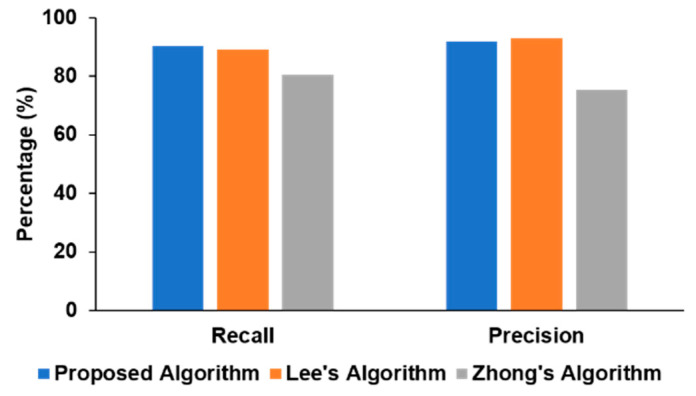
The invasive method of fetal electrocardiogram (fECG) monitoring is widely used with electrodes directly attached to the fetal scalp. There are potential risks such as infection and, thus, it is usually carried out during labor in rare cases. Recent advances in electronics and technologies have enabled fECG monitoring from the early stages of pregnancy through fECG extraction from the combined fetal/maternal ECG (f/mECG) signal recorded non-invasively in the abdominal area of the mother. However, cumbersome algorithms that require the reference maternal ECG as well as heavy feature crafting makes out-of-clinics fECG monitoring in daily life not yet feasible. To address these challenges, we proposed a pure end-to-end deep learning model to detect fetal QRS complexes (i.e., the main spikes observed on a fetal ECG waveform). Additionally, the model has the residual network (ResNet) architecture that adopts the novel 1-D octave convolution (OctConv) for learning multiple temporal frequency features, which in turn reduce memory and computational cost. Importantly, the model is capable of highlighting the contribution of regions that are more prominent for the detection. To evaluate our approach, data from the PhysioNet 2013 Challenge with labeled QRS complex annotations were used in the original form, and the data were then modified with Gaussian and motion noise, mimicking real-world scenarios. The model can achieve a F score of 91.1% while being able to save more than 50% computing cost with less than 2% performance degradation, demonstrating the effectiveness of our method.
胎儿心电图 (fECG) 的侵入性监测方法广泛应用于将电极直接贴附在胎儿头皮上。由于存在感染等潜在风险,因此通常仅在分娩等罕见情况下进行。电子技术和技术的最新进展使得能够通过从母体腹部非侵入性记录的胎儿/母体心电图 (f/mECG) 信号中提取 fECG 来从妊娠早期开始进行 fECG 监测。然而,需要参考母体心电图的繁琐算法以及繁重的特征制作使得在日常生活中的非临床 fECG 监测尚不可行。为了解决这些挑战,我们提出了一种纯端到端的深度学习模型来检测胎儿 QRS 复合体(即胎儿心电图波形上观察到的主要尖峰)。此外,该模型具有残差网络 (ResNet) 架构,采用新型的 1-D 倍频程卷积 (OctConv) 来学习多个时间频率特征,从而减少内存和计算成本。重要的是,该模型能够突出对检测更重要的区域的贡献。为了评估我们的方法,使用原始形式 PhysioNet 2013 挑战赛的数据,并带有标记的 QRS 复合体注释,然后使用高斯和运动噪声对数据进行修改,模拟真实场景。该模型可以实现 91.1%的 F 分数,同时能够节省超过 50%的计算成本,性能下降不到 2%,证明了我们方法的有效性。