Network Science Institute, Northeastern University, Boston, Massachusetts, United States of America.
Marine & Environmental Sciences, Northeastern University, Boston, Massachusetts, United States of America.
PLoS Comput Biol. 2020 Jul 9;16(7):e1007941. doi: 10.1371/journal.pcbi.1007941. eCollection 2020 Jul.
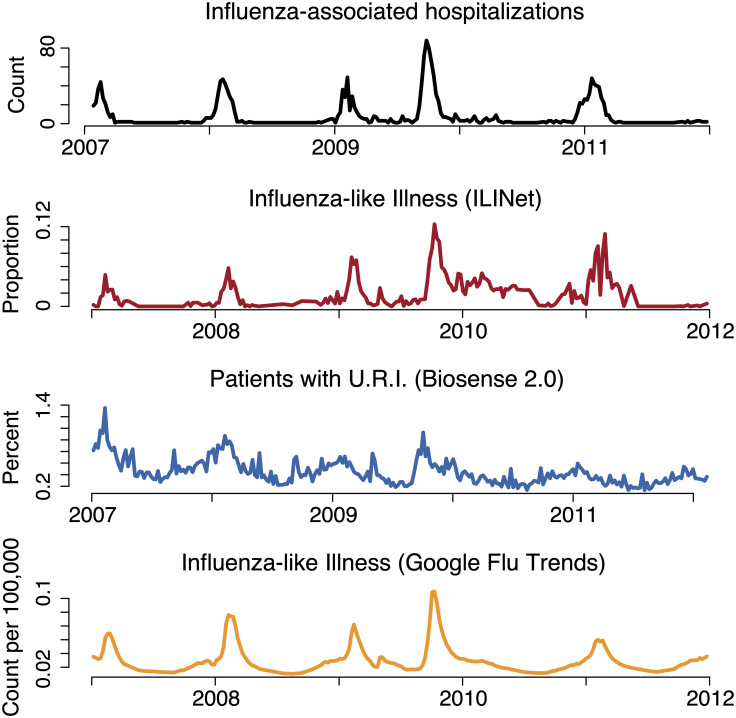
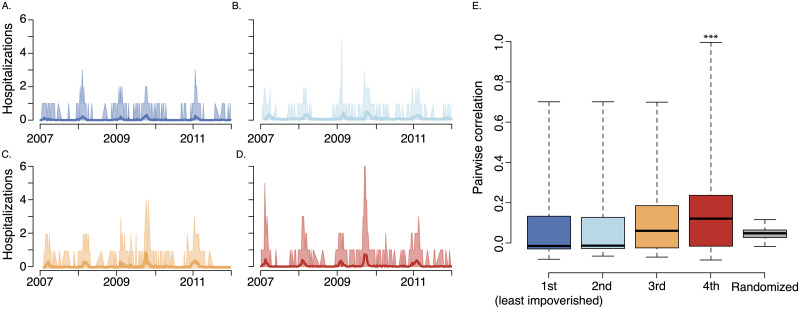
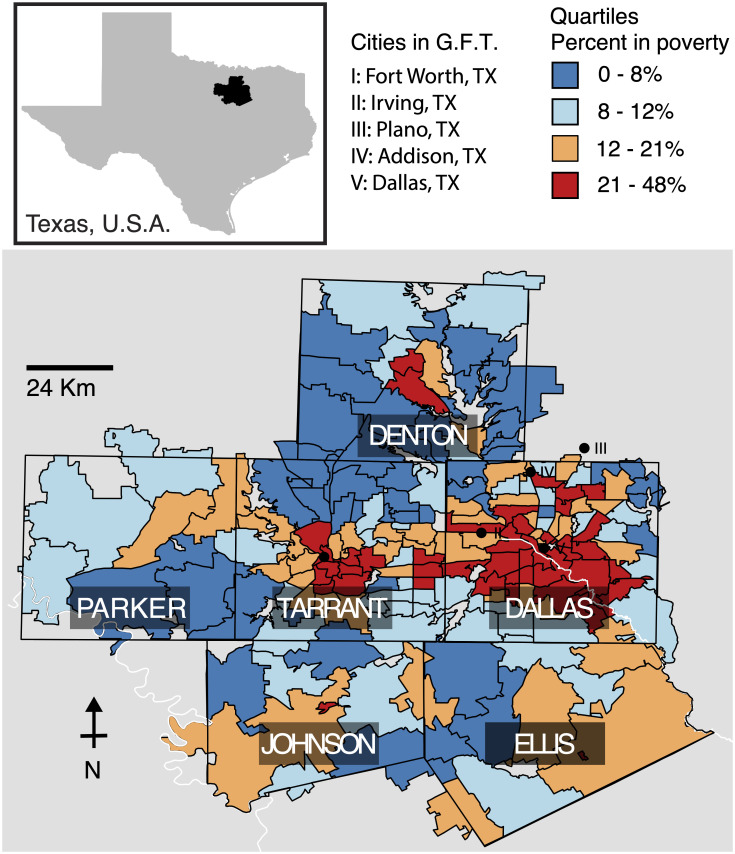
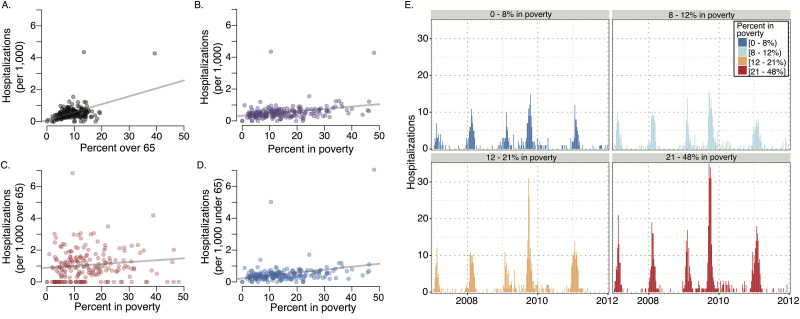
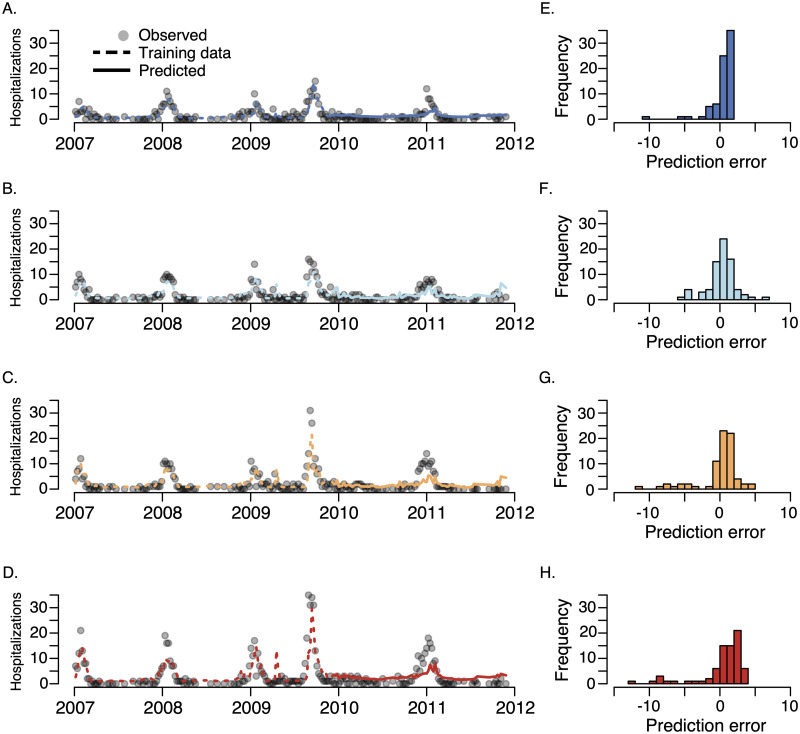
Individuals in low socioeconomic brackets are considered at-risk for developing influenza-related complications and often exhibit higher than average influenza-related hospitalization rates. This disparity has been attributed to various factors, including restricted access to preventative and therapeutic health care, limited sick leave, and household structure. Adequate influenza surveillance in these at-risk populations is a critical precursor to accurate risk assessments and effective intervention. However, the United States of America's primary national influenza surveillance system (ILINet) monitors outpatient healthcare providers, which may be largely inaccessible to lower socioeconomic populations. Recent initiatives to incorporate Internet-source and hospital electronic medical records data into surveillance systems seek to improve the timeliness, coverage, and accuracy of outbreak detection and situational awareness. Here, we use a flexible statistical framework for integrating multiple surveillance data sources to evaluate the adequacy of traditional (ILINet) and next generation (BioSense 2.0 and Google Flu Trends) data for situational awareness of influenza across poverty levels. We find that ZIP Codes in the highest poverty quartile are a critical vulnerability for ILINet that the integration of next generation data fails to ameliorate.
处于低社会经济阶层的个体被认为有患与流感相关的并发症的风险,并且通常表现出高于平均水平的与流感相关的住院率。这种差异归因于多种因素,包括获得预防和治疗性医疗保健的机会有限、病假有限以及家庭结构。在这些高风险人群中进行充分的流感监测是进行准确风险评估和有效干预的关键前提。然而,美国的主要国家流感监测系统 (ILINet) 监测门诊医疗保健提供者,而这些提供者可能很大程度上无法为较低社会经济阶层的人群所获得。最近的一些举措将互联网来源和医院电子病历数据纳入监测系统,旨在提高疫情检测和态势感知的及时性、覆盖面和准确性。在这里,我们使用灵活的统计框架来整合多个监测数据源,以评估传统(ILINet)和下一代(BioSense 2.0 和 Google Flu Trends)数据在不同贫困水平下对流感情况感知的充分性。我们发现,处于最高贫困四分位数的邮政编码是 ILINet 的一个关键弱点,而整合下一代数据并不能改善这一弱点。