Department of Pediatrics, School of Medicine, Universidad Nacional de Colombia, Bogota, Colombia; Department of Pediatric Pulmonology and Pediatric Critical Care Medicine, School of Medicine, Universidad El Bosque, Bogota, Colombia.
Department of Internal Medicine, School of Medicine, Universidad Nacional de Colombia, Bogota, Colombia; Scientific Direction, Clínica de Marly Jorge Cavelier Gaviria, Avenida Paseo los Zipas, Chía, Colombia.
Am J Infect Control. 2020 Dec;48(12):1520-1532. doi: 10.1016/j.ajic.2020.07.004. Epub 2020 Jul 8.
As has happened in other emerging respiratory pandemics, demand for N95 filtering facemask respirators (FFRs) has far exceeded their manufacturing production and availability in the context of the severe acute respiratory syndrome coronavirus 2 (SARS-CoV-2) pandemic. One of the proposed strategies for mitigating the massive demand for N95 FFRs is their reuse after a process of decontamination that allows the inactivation of any potentially infectious material on their surfaces. This article aims to summarize all of the available evidence on the different decontamination methods that might allow disposable N95 FFRs to be reused, with emphasis on decontamination from SARS-CoV-2.
We performed a systematic review of the literature in order to identify studies reporting outcomes of at least 1 decontamination method for inactivating or removing any potentially infectious material from the surface of N95 FFRs, specifically addressing issues related to reduction of the microbial threat (including SARS-CoV-2 when available), maintaining the function of N95 FFRs and a lack of residual toxicity.
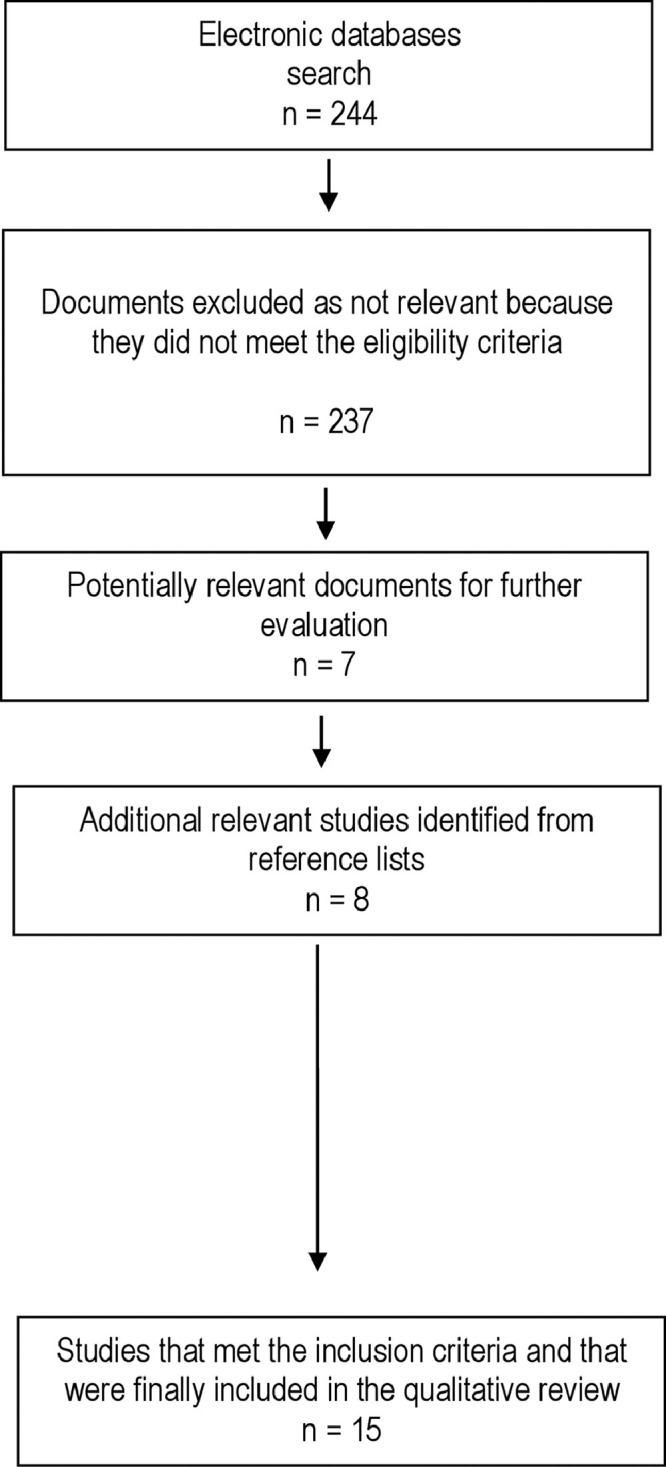
We identified a total of 15 studies reporting on the different decontamination methods that might allow disposable N95 FFRs to be reused, including small-scale energetic methods and disinfecting solutions/spray/wipes. Among these decontamination methods, ultraviolet germicidal irradiation and vaporized hydrogen peroxide seem to be the most promising decontamination methods for N95 FFRs, based on their biocidal efficacy, filtration performance, fitting characteristics, and residual chemical toxicity, as well as other practical aspects such as the equipment required for their implementation and the maximum number of decontamination cycles.
Although all the methods for the decontamination and reuse of N95 FFRs have advantages and disadvantages, ultraviolet germicidal irradiation and vaporized hydrogen peroxide seem to be the most promising methods.
与其他新兴呼吸道传染病一样,在严重急性呼吸综合征冠状病毒 2 (SARS-CoV-2) 大流行期间,N95 过滤式面罩呼吸器 (FFR) 的需求量远远超过了其生产和供应能力。缓解对 N95 FFR 大量需求的策略之一是对其进行再处理,以进行消毒,从而使表面任何潜在的传染性物质失活。本文旨在总结所有关于可能允许重复使用一次性 N95 FFR 的不同消毒方法的现有证据,重点是针对 SARS-CoV-2 的消毒。
我们对文献进行了系统回顾,以确定至少报告了 1 种消毒方法的研究,该方法可用于从 N95 FFR 表面灭活或去除任何潜在的传染性物质,特别是解决减少微生物威胁(包括 SARS-CoV-2,如有)、保持 N95 FFR 功能和无残留毒性的问题。
我们总共确定了 15 项研究,这些研究报告了可能允许重复使用一次性 N95 FFR 的不同消毒方法,包括小规模的能量方法和消毒溶液/喷雾/擦拭。在这些消毒方法中,基于其杀菌效果、过滤性能、贴合特性和残留化学毒性,以及其他实际方面,如实施所需的设备和最大消毒循环次数,紫外线杀菌照射和汽化过氧化氢似乎是最有前途的 N95 FFR 消毒方法。
虽然所有的 N95 FFR 消毒和重复使用方法都有其优缺点,但紫外线杀菌照射和汽化过氧化氢似乎是最有前途的方法。