Department of Urology, The First Affiliated Hospital of Shantou University Medical College, 57 Changping Road, Shantou, Guangdong, China.
Shantou University Medical College, 22 Xinling Road, Shantou, Guangdong, China.
BMC Nephrol. 2020 Jul 11;21(1):267. doi: 10.1186/s12882-020-01925-3.
Dietary and lifestyle factors may play an important role in the increasing prevalence of nephrolithiasis. We aimed to review and quantify the associations between lifestyle factors and incident nephrolithiasis and suggest lifestyle changes for the primary prevention of nephrolithiasis.
PubMed, EMBASE, and Cochrane Library were searched up to May 2019, for observational studies and randomized controlled trials (RCTs) that assessed modifiable lifestyle factors and risk of nephrolithiasis in adults. Pooled relative risks (RRs) and 95% confidence intervals (CIs) were computed using a random effects model. The I statistic was employed to evaluate heterogeneity. Subgroup analysis, sensitivity analysis and meta-regression were also conducted whenever possible.
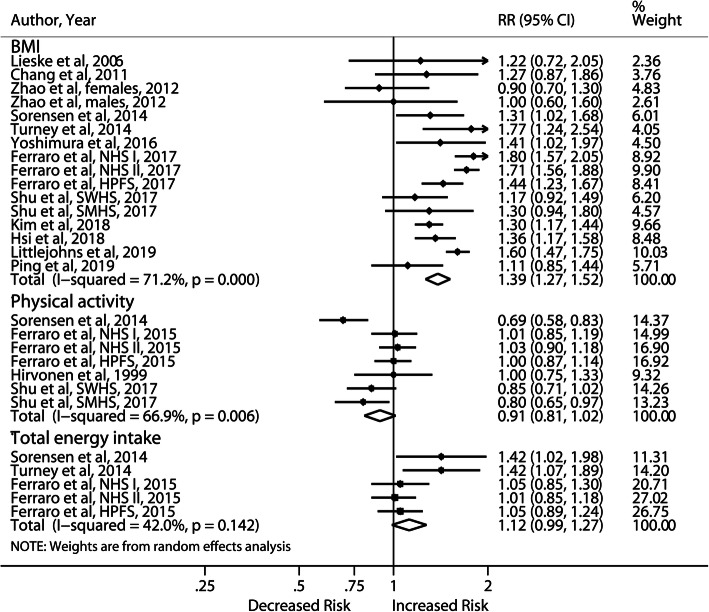
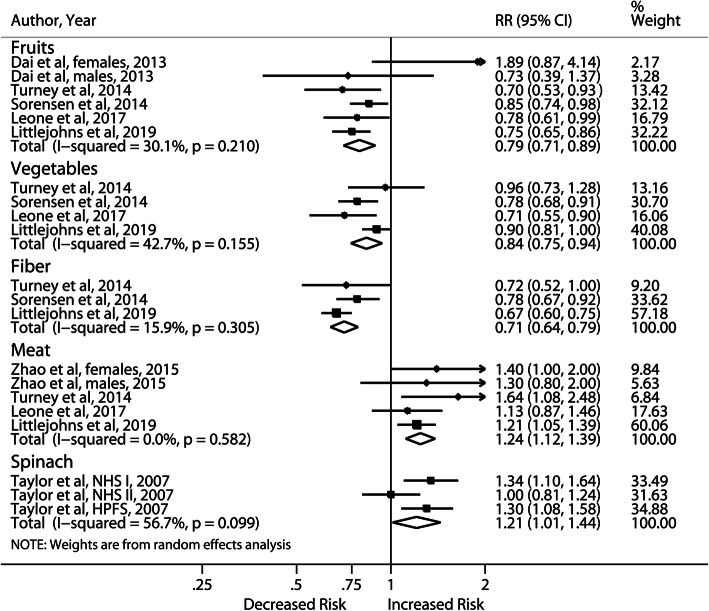
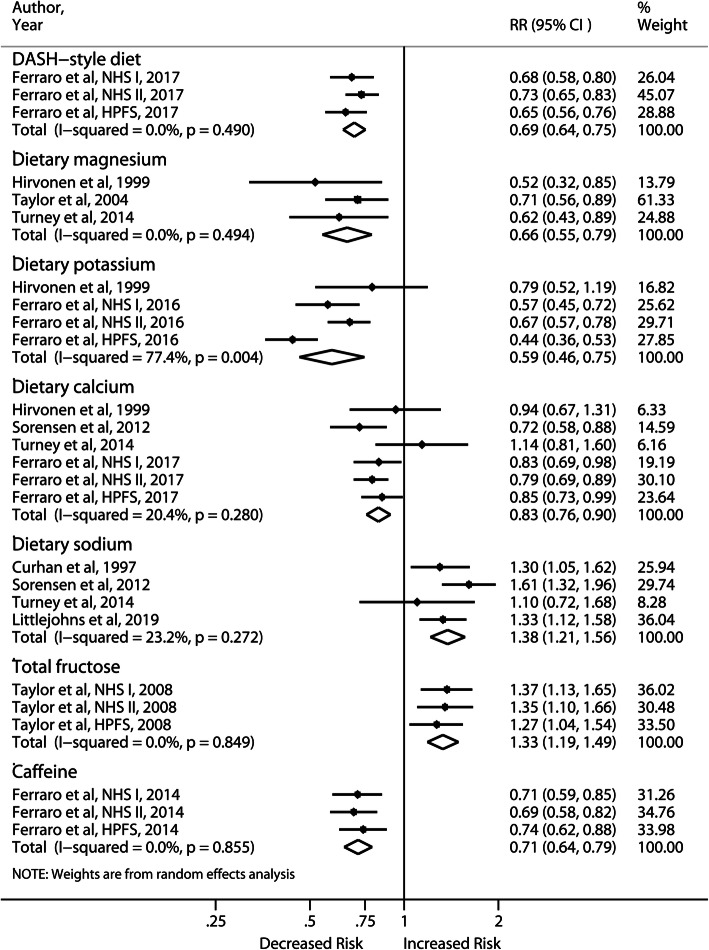
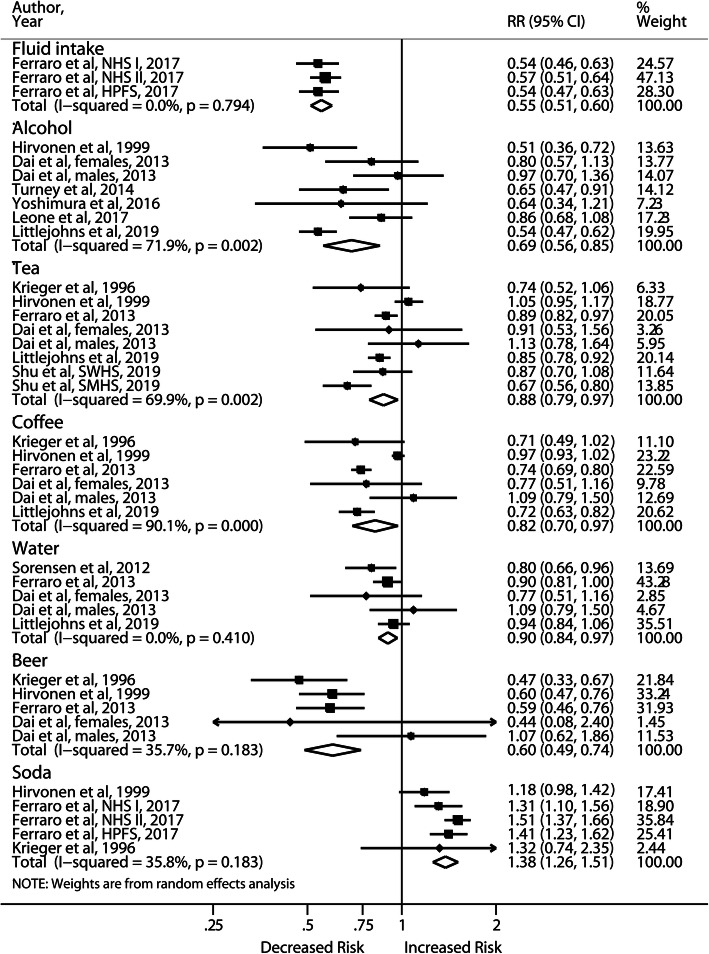
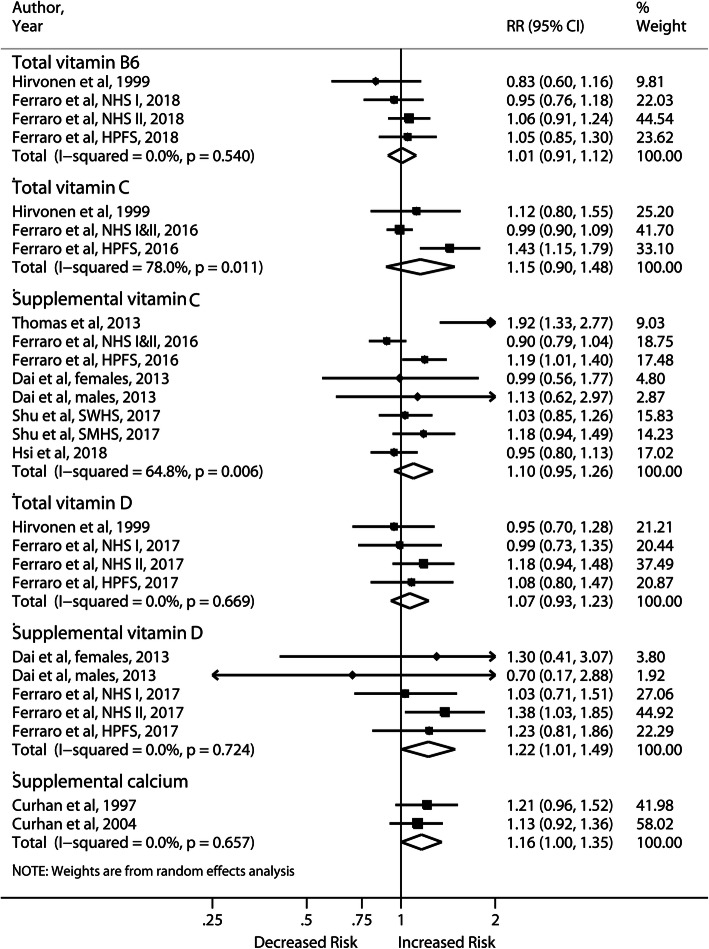
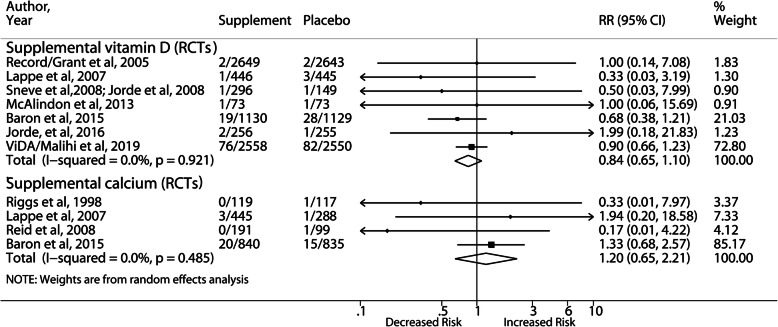
Fifty relevant articles with 1,322,133 participants and 21,030 cases in total were identified. Prominent risk factors for incident stones were body mass index (1.39,1.27-1.52), dietary sodium (1.38, 1.21-1.56), fructose, meat, animal protein, and soda. In contrast, protective factors included fluid intake (0.55, 0.51-0.60), a Dietary Approaches to Stop Hypertension (DASH) style diet (0.69, 0.64-0.75), alcohol (0.69, 0.56-0.85), water, coffee, tea, vegetables, fruits, dietary fiber, dietary calcium (0.83, 0.76-0.90), and potassium. Vitamin D (1.22, 1.01-1.49) and calcium (1.16, 1.00-1.35) supplementation alone increased the risk of stones in meta-analyses of observational studies, but not in RCTs, where the cosupplementation conferred significant risk.
Several modifiable factors, notably fluid intake, dietary patterns, and obesity, were significantly associated with nephrolithiasis. Long-term RCTs are required to investigate the cost-effectiveness of dietary patterns for stone prevention. The independent and combined effects of vitamin D and calcium supplementation on nephrolithiasis need further elucidation.
饮食和生活方式因素可能在肾结石发病率不断上升中发挥重要作用。我们旨在回顾和量化生活方式因素与肾结石发病之间的关联,并为肾结石的一级预防提出生活方式改变的建议。
检索 PubMed、EMBASE 和 Cochrane Library,截至 2019 年 5 月,评估可改变的生活方式因素与成年人肾结石风险的观察性研究和随机对照试验(RCT)。使用随机效应模型计算合并的相对风险(RR)和 95%置信区间(CI)。采用 I ² 统计量评估异质性。只要有可能,还进行了亚组分析、敏感性分析和荟萃回归。
共确定了 50 篇相关文章,共纳入 1322133 名参与者和 21030 例病例。结石发生的显著危险因素包括体重指数(1.39,1.27-1.52)、饮食钠(1.38,1.21-1.56)、果糖、肉类、动物蛋白和苏打水。相比之下,保护因素包括液体摄入(0.55,0.51-0.60)、DASH 饮食(0.69,0.64-0.75)、酒精(0.69,0.56-0.85)、水、咖啡、茶、蔬菜、水果、膳食纤维、膳食钙(0.83,0.76-0.90)和钾。维生素 D(1.22,1.01-1.49)和钙(1.16,1.00-1.35)单独补充在观察性研究的荟萃分析中增加了结石的风险,但在 RCT 中没有,其中联合补充则具有显著的风险。
几种可改变的因素,特别是液体摄入、饮食模式和肥胖,与肾结石显著相关。需要长期 RCT 来研究饮食模式预防结石的成本效益。维生素 D 和钙补充对肾结石的独立和联合作用需要进一步阐明。