Department of Psychology, College of Sciences; University of Central Florida, Orlando, FL 32816, USA.
Independent Researcher.
Nutrients. 2020 Jul 11;12(7):2061. doi: 10.3390/nu12072061.
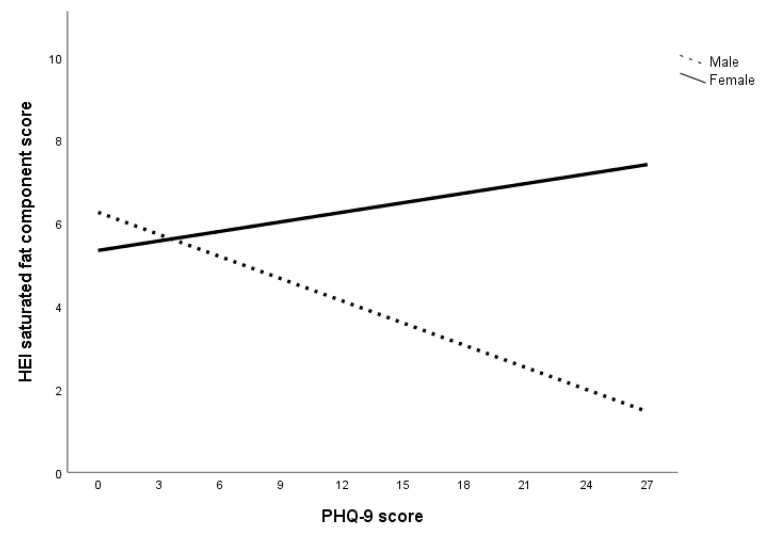
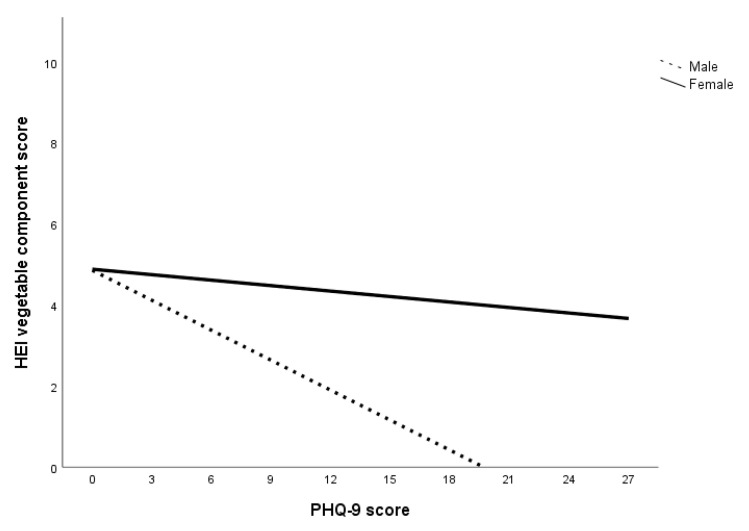
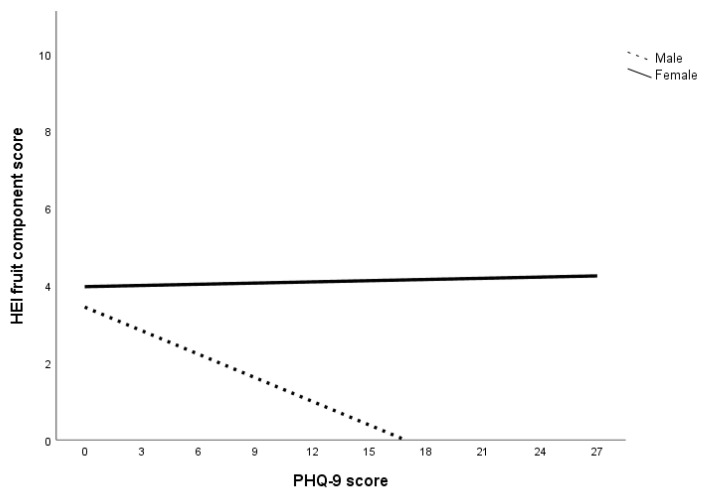
This study examines the role of anxiety and depression symptoms in predicting dietary choices in emerging adults while accounting for sex differences in these relationships. Participants were 225 English speaking undergraduates enrolled in a university in southeastern United States. Participants were recruited through an online research recruitment application utilized by the university. Participants volunteered for a two-phased anonymous survey monitoring the effects of eating habits and gastrointestinal health in young adults. As part of this effort, participants completed self-reporting measures related to anxiety and depression, as well as an automated, self-administered 24-h diet recall. Multigroup path analysis was used to test primary hypotheses. Overall, a decrease in total caloric intake and an increase in sugar consumption were found as self-reported symptoms of anxiety and depression increased. In addition, there were sex differences in the relationship between depression and food choices. Men consumed more saturated fat as well as less fruits and vegetables as self-reported symptoms of depression increased. Results suggest symptoms of depression are a greater risk factor for poor nutrition in male college students than females. The findings provide another justification to screen for psychological distress in student health services given the implications on behavioral lifestyle and health.
本研究考察了焦虑和抑郁症状在预测成年早期饮食选择方面的作用,同时考虑了这些关系中存在的性别差异。参与者为 225 名在美国东南部一所大学就读的讲英语的本科生。参与者通过大学使用的在线研究招募应用程序招募。参与者自愿参加了一项为期两阶段的匿名调查,监测年轻人的饮食习惯和胃肠道健康状况。作为这项工作的一部分,参与者完成了与焦虑和抑郁相关的自我报告措施,以及自动的、自我管理的 24 小时饮食回忆。多组路径分析用于检验主要假设。总的来说,随着报告的焦虑和抑郁症状的增加,总卡路里摄入量减少,糖的消耗增加。此外,抑郁与食物选择之间的关系存在性别差异。随着抑郁症状的增加,男性摄入更多的饱和脂肪以及更少的水果和蔬菜。研究结果表明,抑郁症状是男性大学生营养状况不佳的一个更大的风险因素,而不是女性。鉴于对行为生活方式和健康的影响,这些发现为在学生健康服务中筛查心理困扰提供了另一个理由。