Department of Biochemistry and Cell Biology, Institute of Biology and Biotechnology, College of Natural Sciences, University of Rzeszow, 35-310 Rzeszow, Poland.
Genes (Basel). 2020 Jul 11;11(7):780. doi: 10.3390/genes11070780.
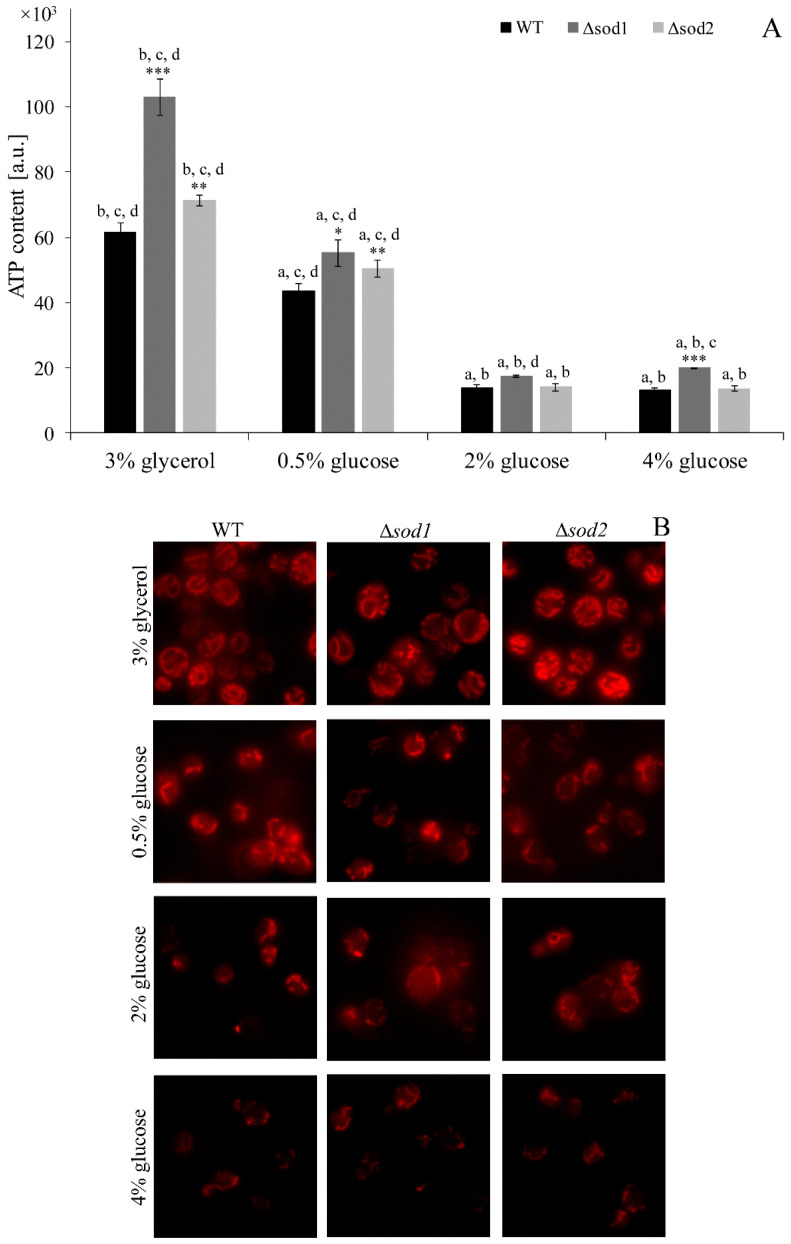
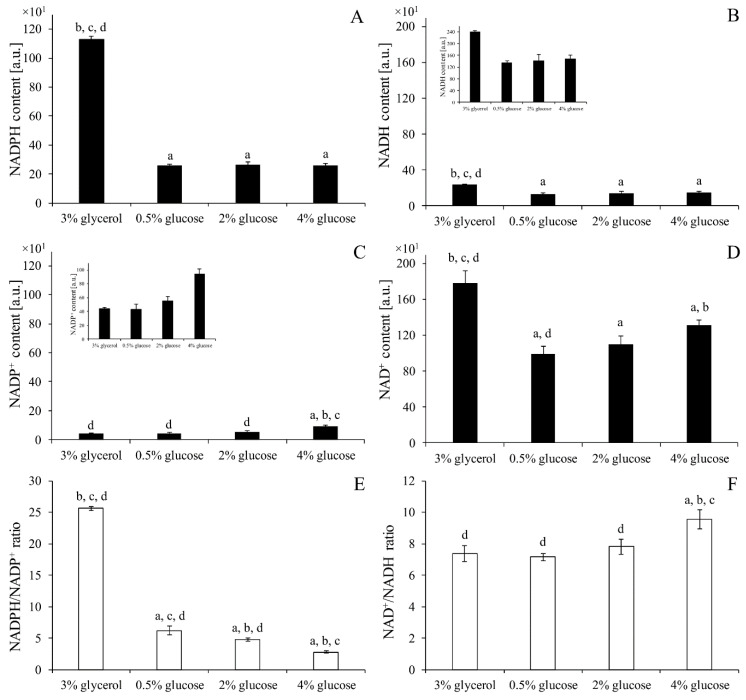
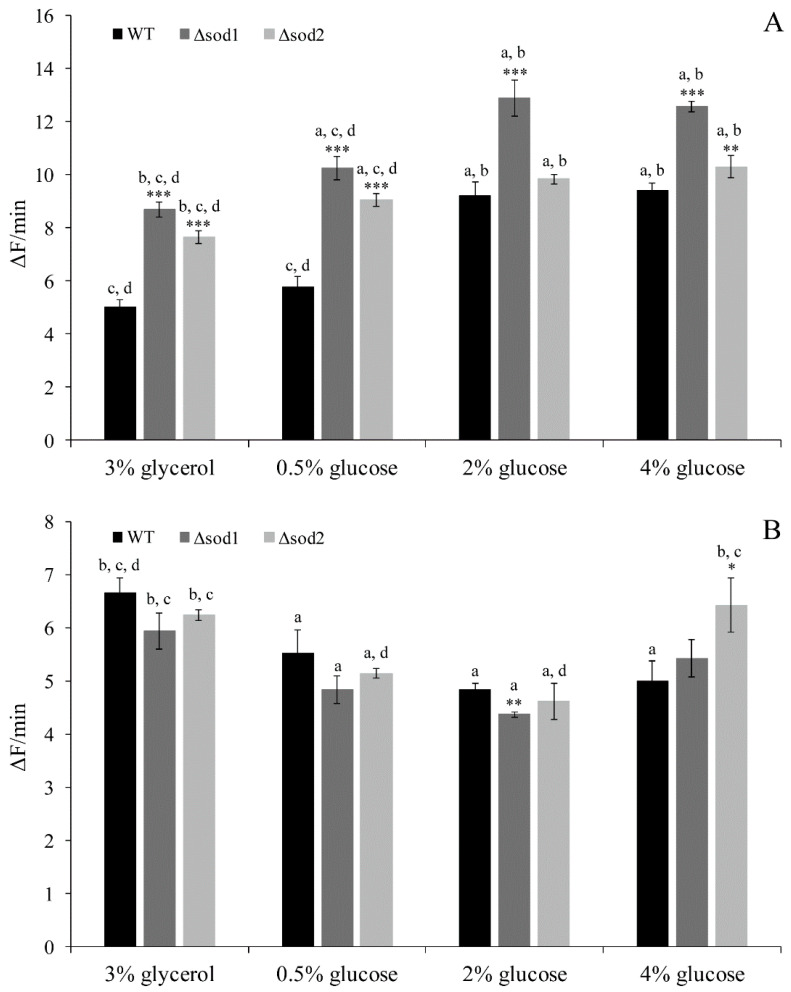
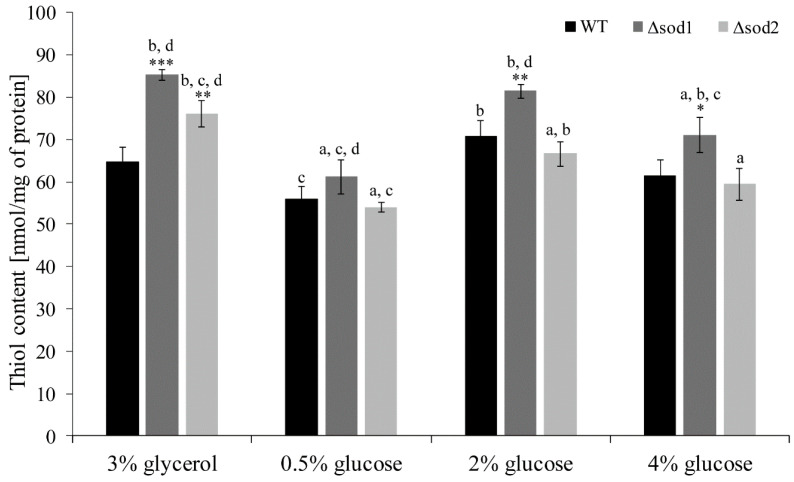
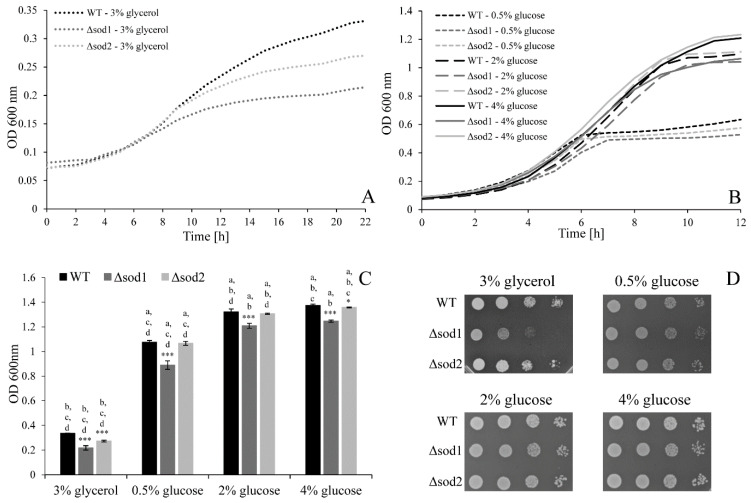
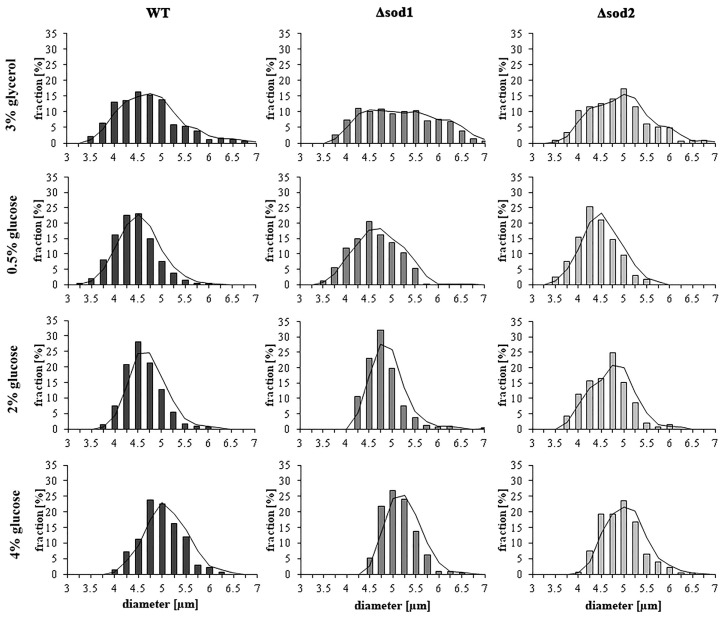
yeast cells may generate energy both by fermentation and aerobic respiration, which are dependent on the type and availability of carbon sources. Cells adapt to changes in nutrient availability, which entails the specific costs and benefits of different types of metabolism but also may cause alteration in redox homeostasis, both by changes in reactive oxygen species (ROS) and in cellular reductant molecules contents. In this study, yeast cells devoid of the or gene and fermentative or respiratory conditions were used to unravel the connection between the type of metabolism and redox status of cells and also how this affects selected parameters of cellular physiology. The performed analysis provides an argument that the source of ROS depends on the type of metabolism and non-mitochondrial sources are an important pool of ROS in yeast cells, especially under fermentative metabolism. There is a strict interconnection between carbon metabolism and redox status, which in turn has an influence on the physiological efficiency of the cells. Furthermore, pyridine nucleotide cofactors play an important role in these relationships.
酵母细胞可以通过发酵和需氧呼吸来产生能量,这取决于碳源的类型和可用性。细胞会适应营养物质可用性的变化,这需要不同类型代谢的特定成本和收益,但也可能导致氧化还原平衡的改变,这既可以通过活性氧(ROS)的变化,也可以通过细胞还原剂分子含量的变化来实现。在这项研究中,使用缺乏基因或发酵或需氧呼吸条件的酵母细胞来揭示细胞代谢类型和氧化还原状态之间的联系,以及这如何影响细胞生理的选定参数。所进行的分析提供了一个论据,即 ROS 的来源取决于代谢类型,并且非线粒体来源是酵母细胞中 ROS 的一个重要来源,特别是在发酵代谢下。碳代谢和氧化还原状态之间存在严格的相互联系,这反过来又会影响细胞的生理效率。此外,吡啶核苷酸辅因子在这些关系中起着重要作用。