Department of Orthopedics, Xiangya Hospital, Central South University, Changsha, Hunan 410008, China.
Movement System Injury and Repair Research Center, Xiangya Hospital, Central South University, Changsha, Hunan 410008, China.
Theranostics. 2020 Jun 19;10(17):7710-7729. doi: 10.7150/thno.45858. eCollection 2020.
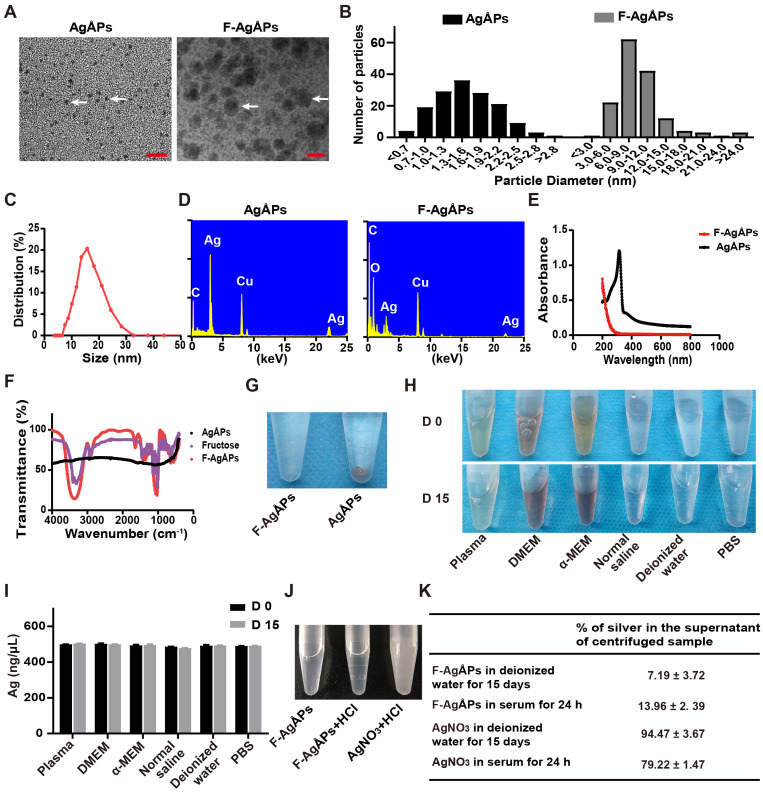
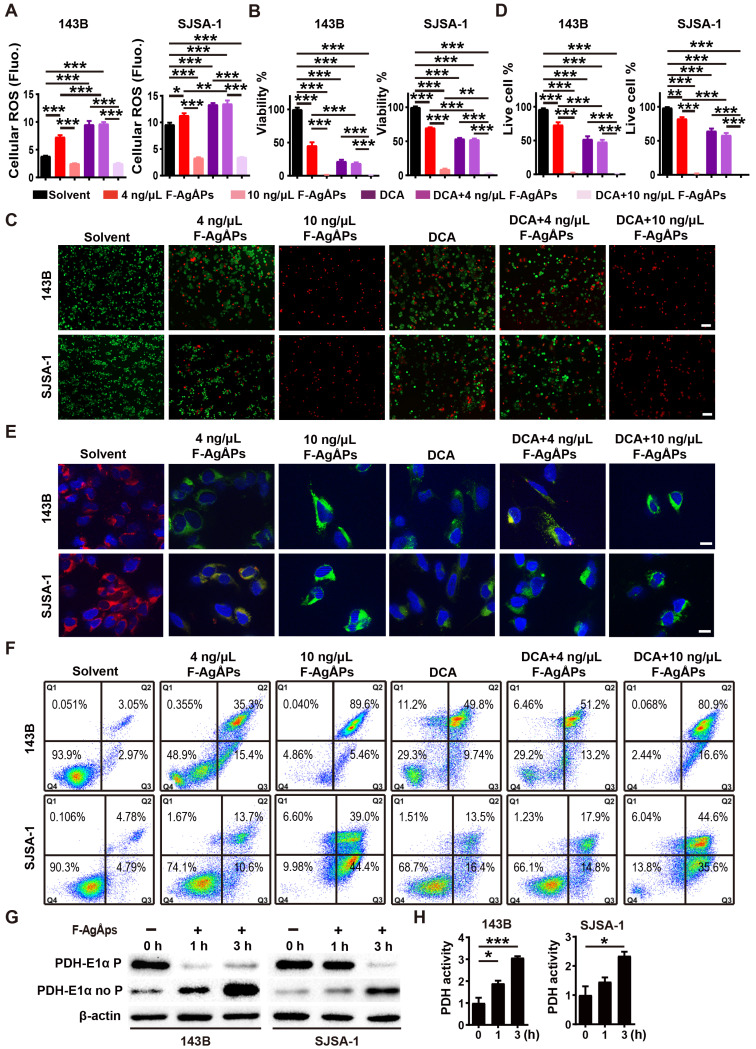
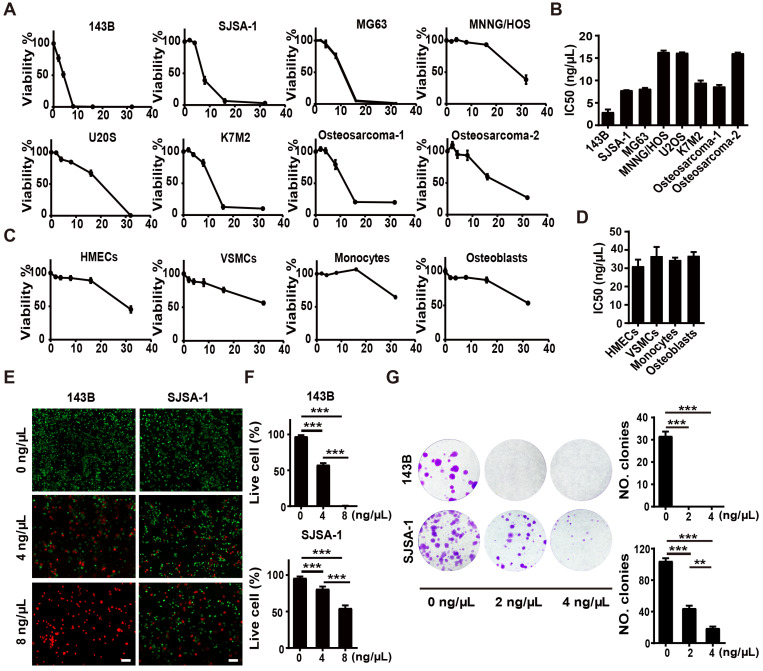
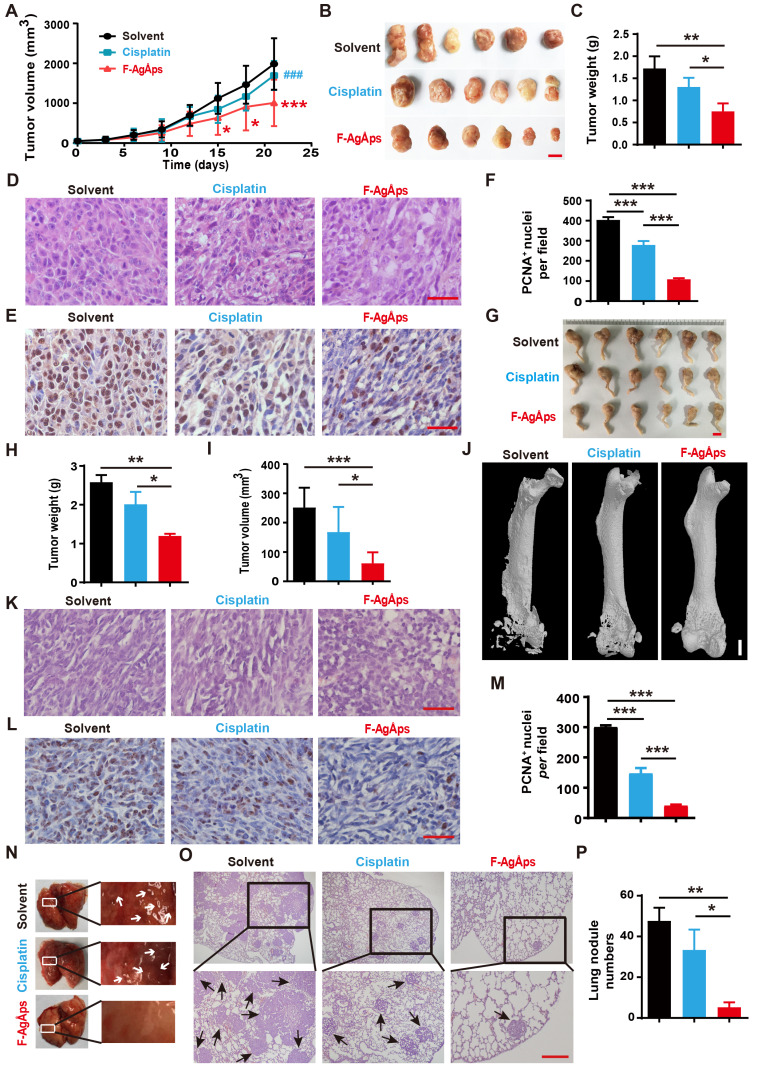
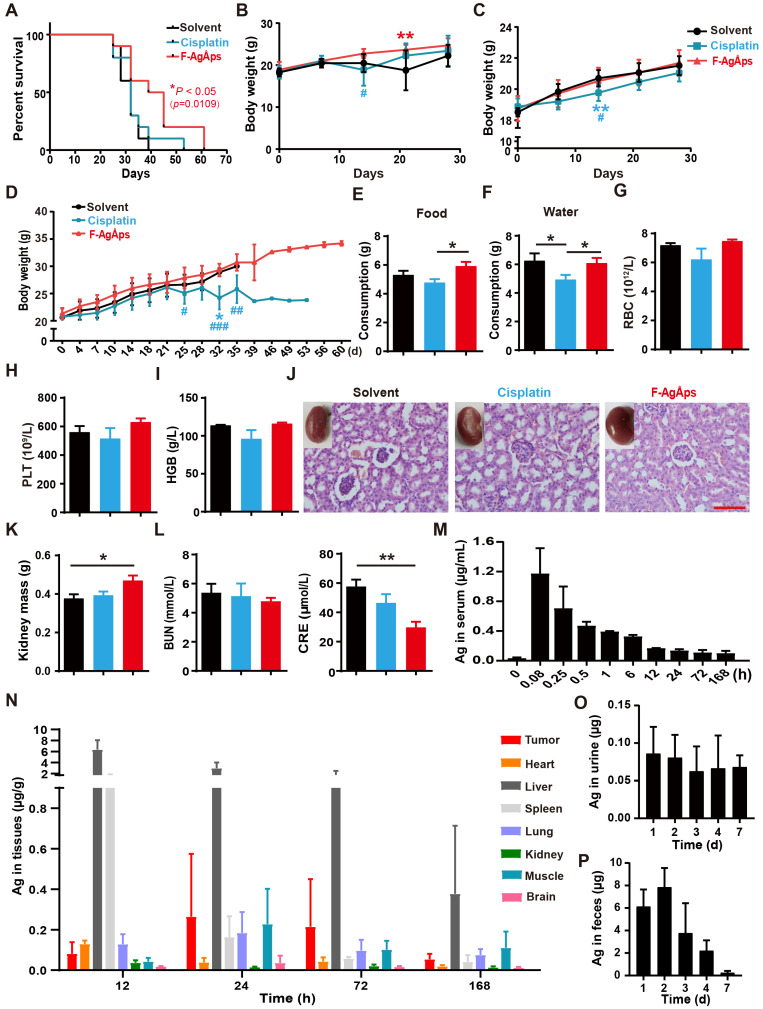
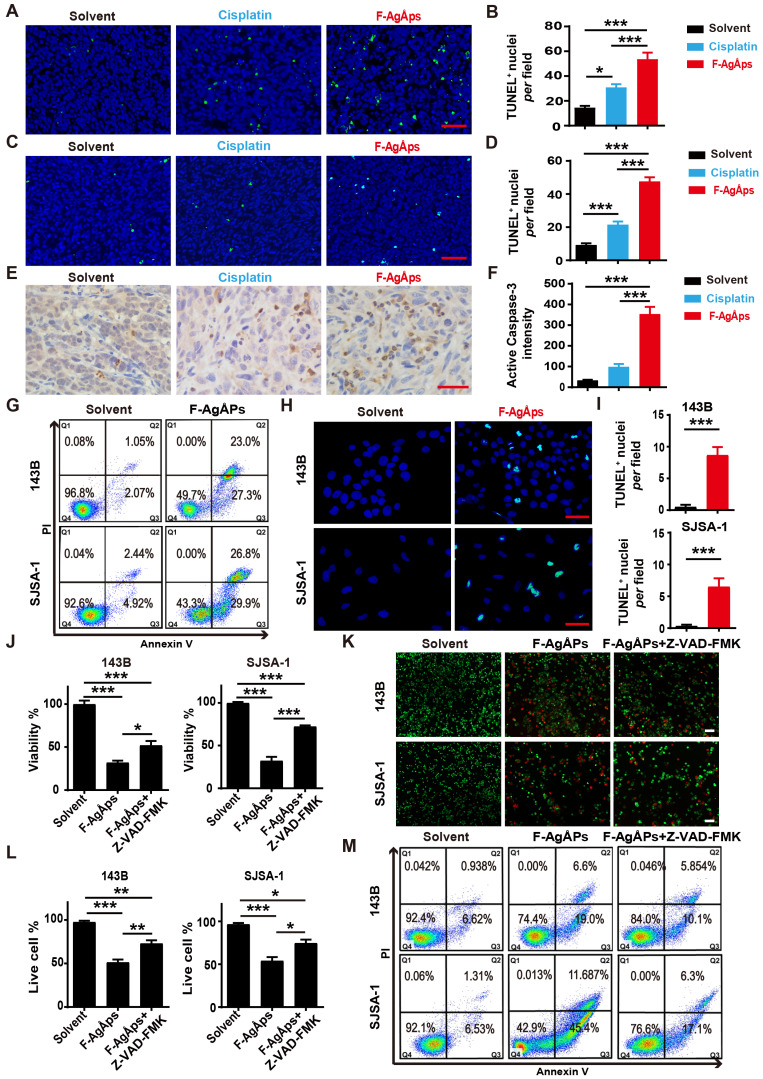
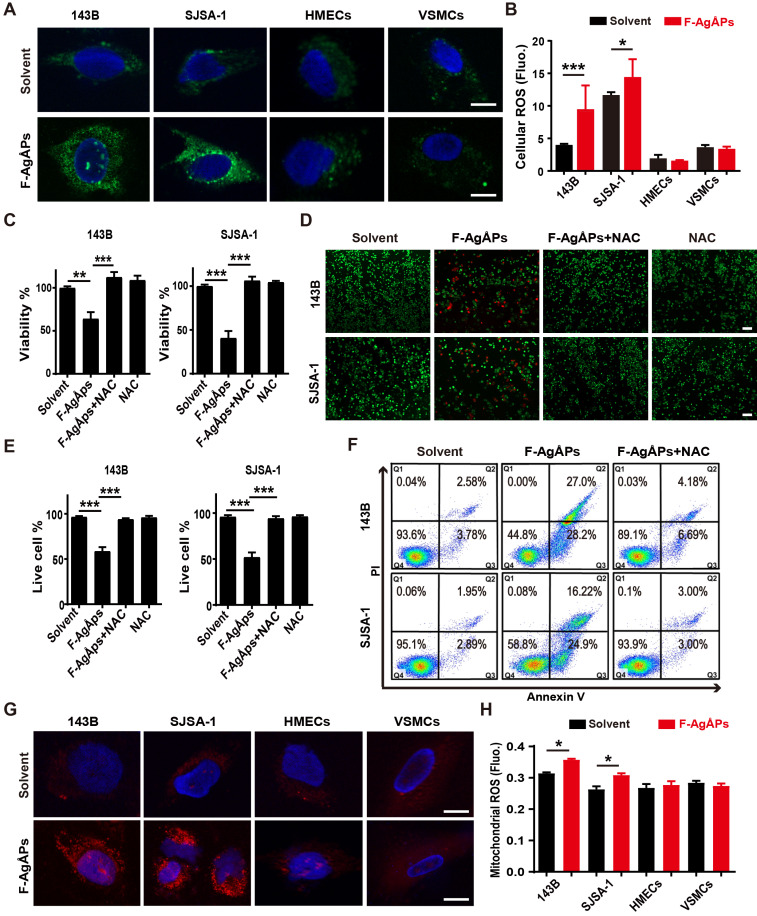
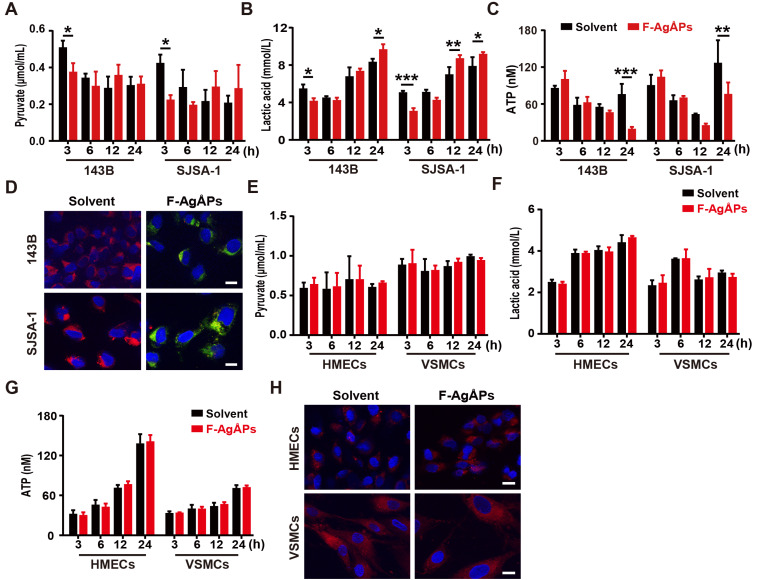
Osteosarcoma is a common malignant bone cancer easily to metastasize. Much safer and more efficient strategies are still needed to suppress osteosarcoma growth and lung metastasis. We recently presented a pure physical method to fabricate Ångstrom-scale silver particles (AgÅPs) and determined the anti-tumor efficacy of fructose-coated AgÅPs (F-AgÅPs) against lung and pancreatic cancer. Our study utilized an optimized method to obtain smaller F-AgÅPs and aimed to assess whether F-AgÅPs can be used as an efficient and safe agent for osteosarcoma therapy. We also investigated whether the induction of apoptosis by altering glucose metabolic phenotype contributes to the F-AgÅPs-induced anti-osteosarcoma effects. A modified method was developed to prepare smaller F-AgÅPs. The anti-tumor, anti-metastatic and pro-survival efficacy of F-AgÅPs and their toxicities on healthy tissues were compared with that of cisplatin (a first-line chemotherapeutic drug for osteosarcoma therapy) in subcutaneous or orthotopic osteosarcoma-bearing nude mice. The pharmacokinetics, biodistribution and excretion of F-AgÅPs were evaluated by testing the levels of silver in serum, tissues, urine and feces of mice. A series of assays were conducted to assess whether the induction of apoptosis mediates the killing effects of F-AgÅPs on osteosarcoma cells and whether the alteration of glucose metabolic phenotype contributes to F-AgÅPs-induced apoptosis. The newly obtained F-AgÅPs (9.38 ± 4.11 nm) had good stability in different biological media or aqueous solutions and were more effective than cisplatin in inhibiting tumor growth, improving survival, attenuating osteolysis and preventing lung metastasis in osteosarcoma-bearing nude mice after intravenous injection, but were well tolerated in normal tissues. One week after injection, about 68% of F-AgÅPs were excreted through feces. F-AgÅPs induced reactive oxygen species (ROS)-dependent apoptosis of osteosarcoma cells but not normal cells, owing to their ability to selectively shift glucose metabolism of osteosarcoma cells from glycolysis to mitochondrial oxidation by inhibiting pyruvate dehydrogenase kinase (PDK). Our study suggests the promising prospect of F-AgÅPs as a powerful selective anticancer agent for osteosarcoma therapy.
骨肉瘤是一种常见的易转移的恶性骨癌。仍然需要更安全、更有效的策略来抑制骨肉瘤的生长和肺转移。我们最近提出了一种纯物理方法来制备埃(Ångstrom)级银颗粒(AgÅPs),并确定了果糖包裹的 AgÅPs(F-AgÅPs)对肺癌和胰腺癌的抗肿瘤功效。我们的研究利用优化的方法获得了更小的 F-AgÅPs,并旨在评估 F-AgÅPs 是否可作为骨肉瘤治疗的有效且安全的药物。我们还研究了通过改变葡萄糖代谢表型诱导细胞凋亡是否有助于 F-AgÅPs 诱导的抗骨肉瘤作用。我们开发了一种改良的方法来制备更小的 F-AgÅPs。在皮下或原位骨肉瘤荷瘤裸鼠中,比较了 F-AgÅPs 的抗肿瘤、抗转移和促生存作用及其对健康组织的毒性与顺铂(骨肉瘤治疗的一线化疗药物)的作用。通过检测小鼠血清、组织、尿液和粪便中的银水平,评估了 F-AgÅPs 的药代动力学、组织分布和排泄。进行了一系列实验来评估细胞凋亡的诱导是否介导 F-AgÅPs 对骨肉瘤细胞的杀伤作用,以及葡萄糖代谢表型的改变是否有助于 F-AgÅPs 诱导的细胞凋亡。新获得的 F-AgÅPs(9.38±4.11nm)在不同的生物介质或水溶液中具有良好的稳定性,并且在静脉注射后比顺铂更有效地抑制肿瘤生长、提高生存率、减轻骨质溶解和预防骨肉瘤荷瘤裸鼠的肺转移,但在正常组织中耐受性良好。注射后 1 周,约 68%的 F-AgÅPs 通过粪便排出。F-AgÅPs 通过抑制丙酮酸脱氢酶激酶(PDK)诱导骨肉瘤细胞产生依赖活性氧(ROS)的凋亡,但不诱导正常细胞产生凋亡,因为其能够选择性地将骨肉瘤细胞的葡萄糖代谢从糖酵解转变为线粒体氧化。我们的研究表明,F-AgÅPs 作为一种强大的选择性骨肉瘤治疗抗癌药物具有广阔的前景。