Department of Pharmacology and Cancer Biology, Duke University, Durham, NC, USA.
Department of Medicine, Division of Endocrinology, Metabolism, and Nutrition, Duke University Medical Center, Durham, NC, USA.
Nat Metab. 2020 Apr;2(4):318-334. doi: 10.1038/s42255-020-0191-z. Epub 2020 Apr 20.
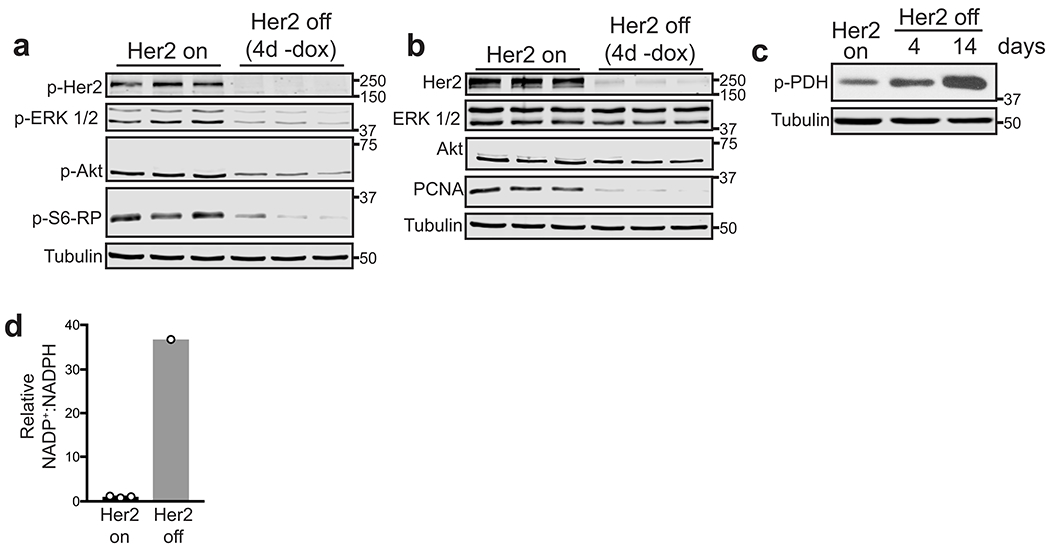
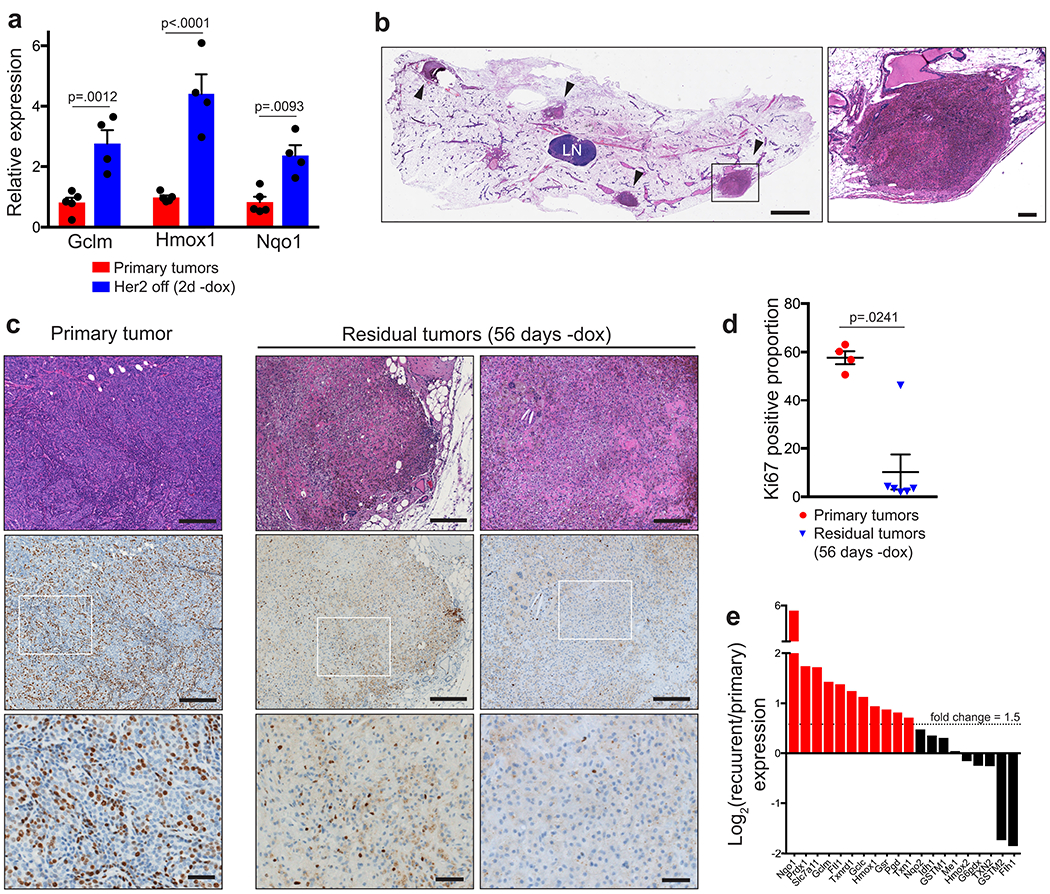
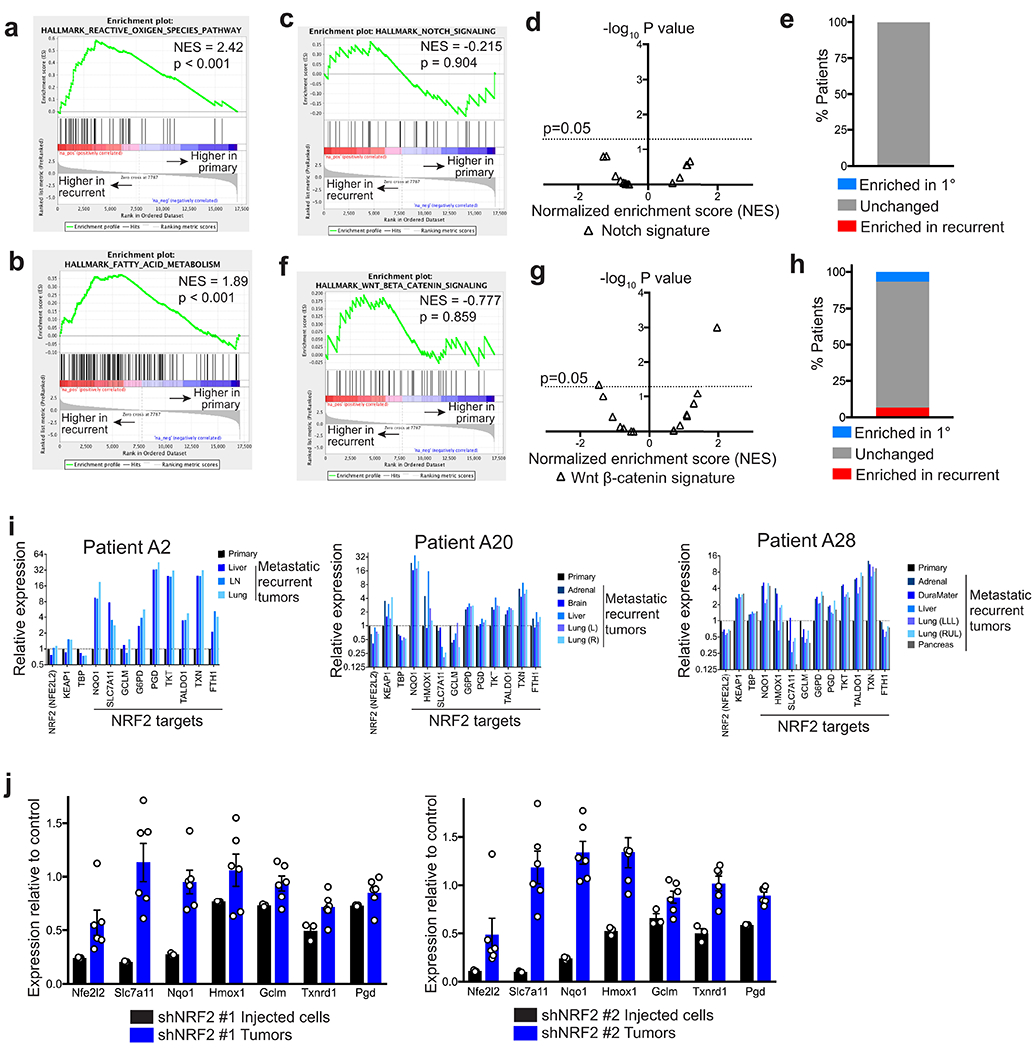
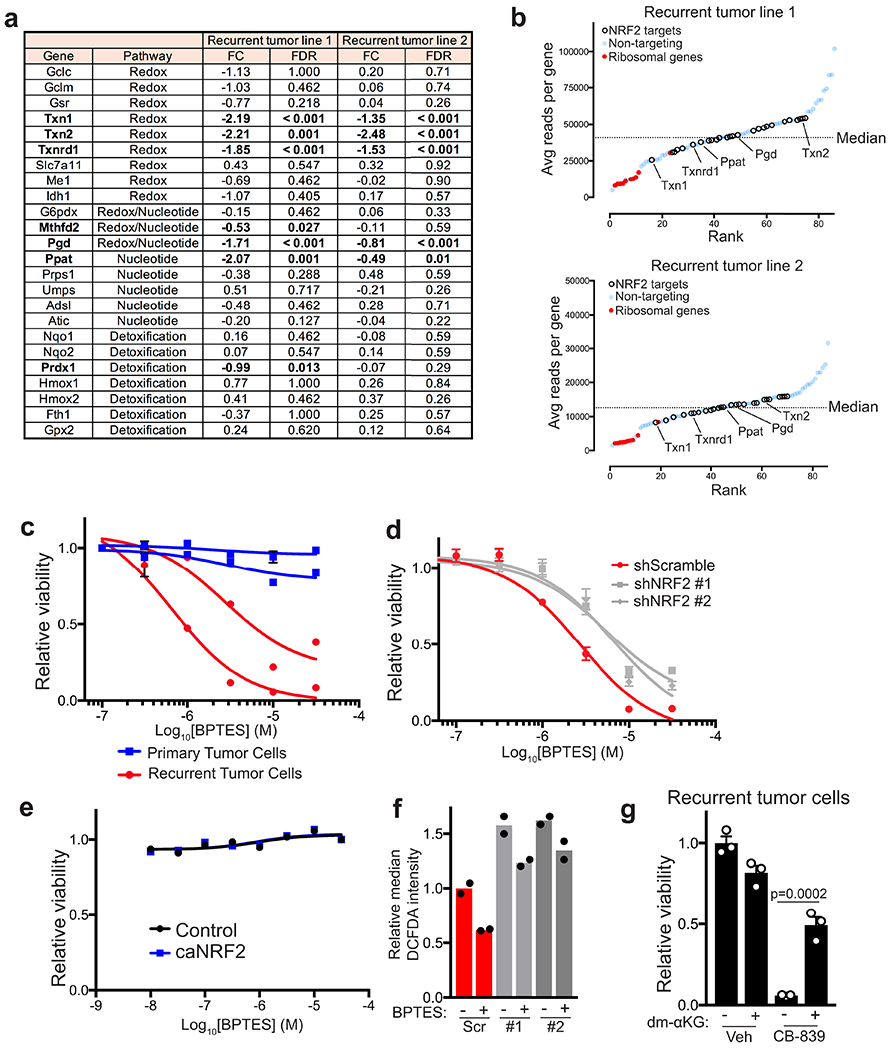
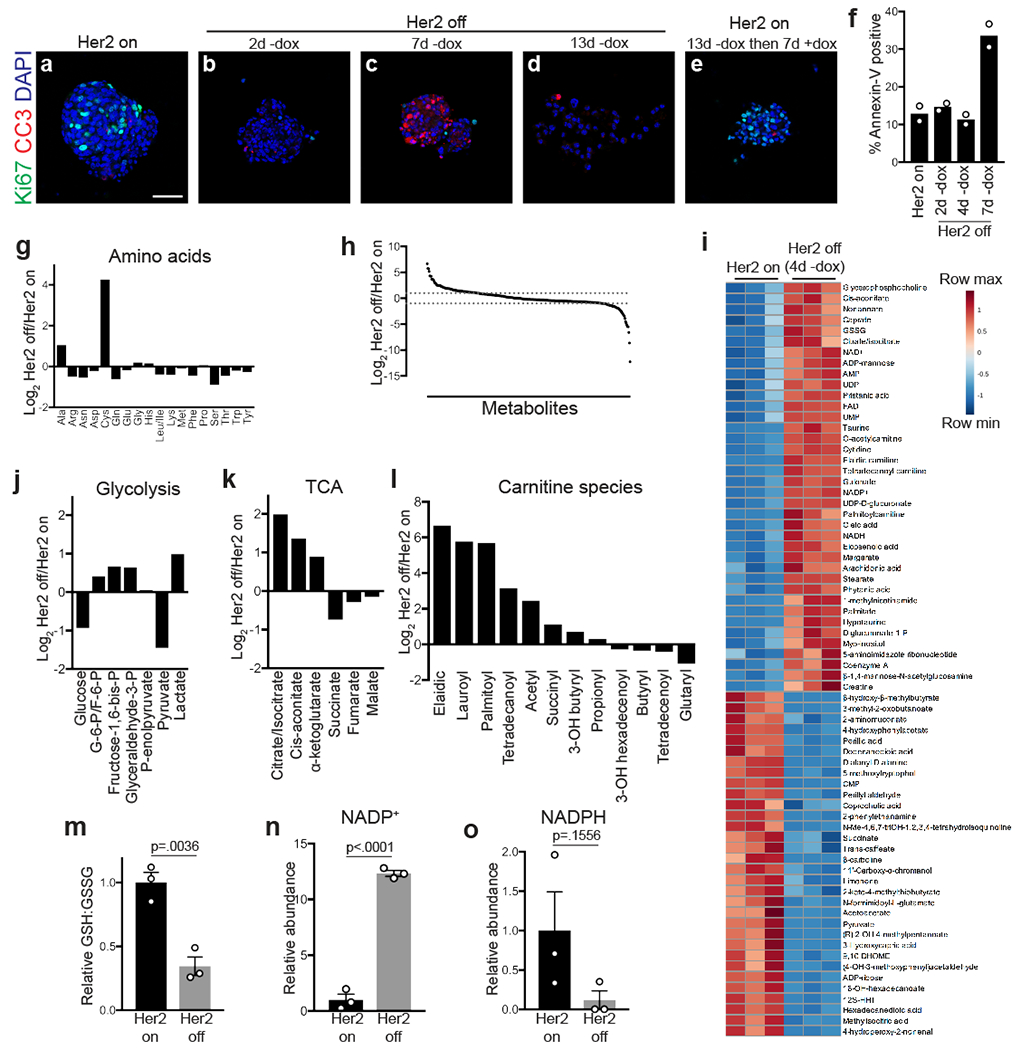
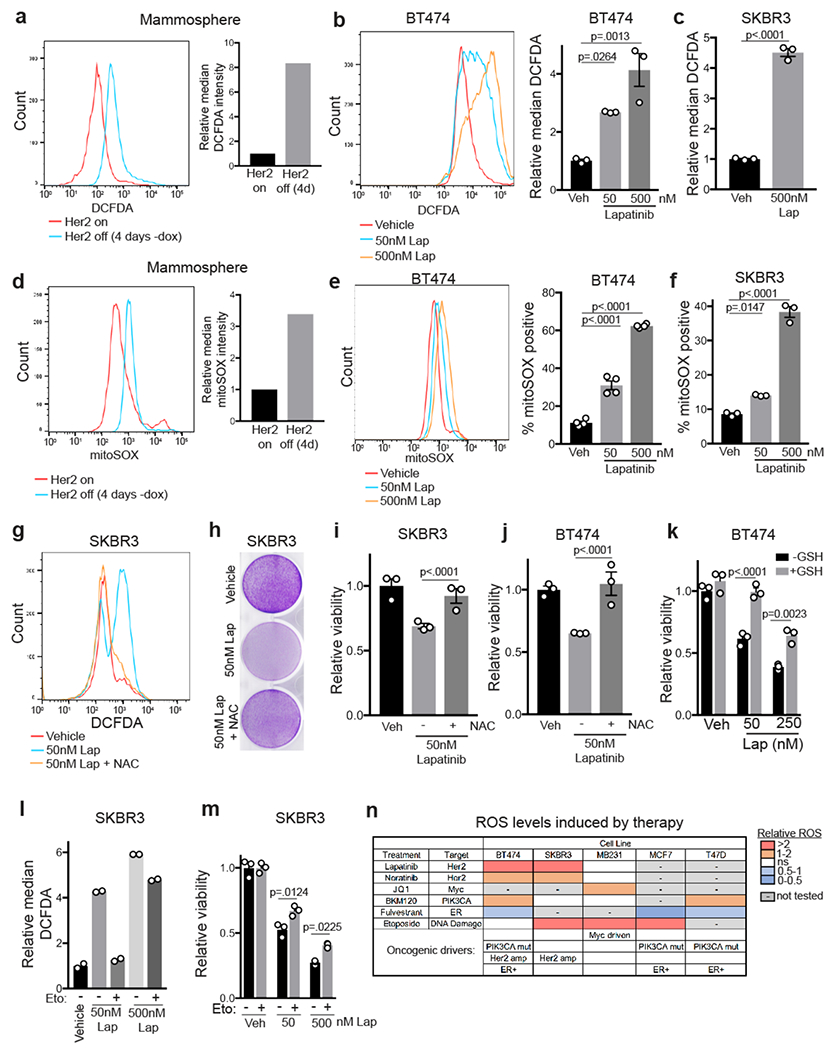
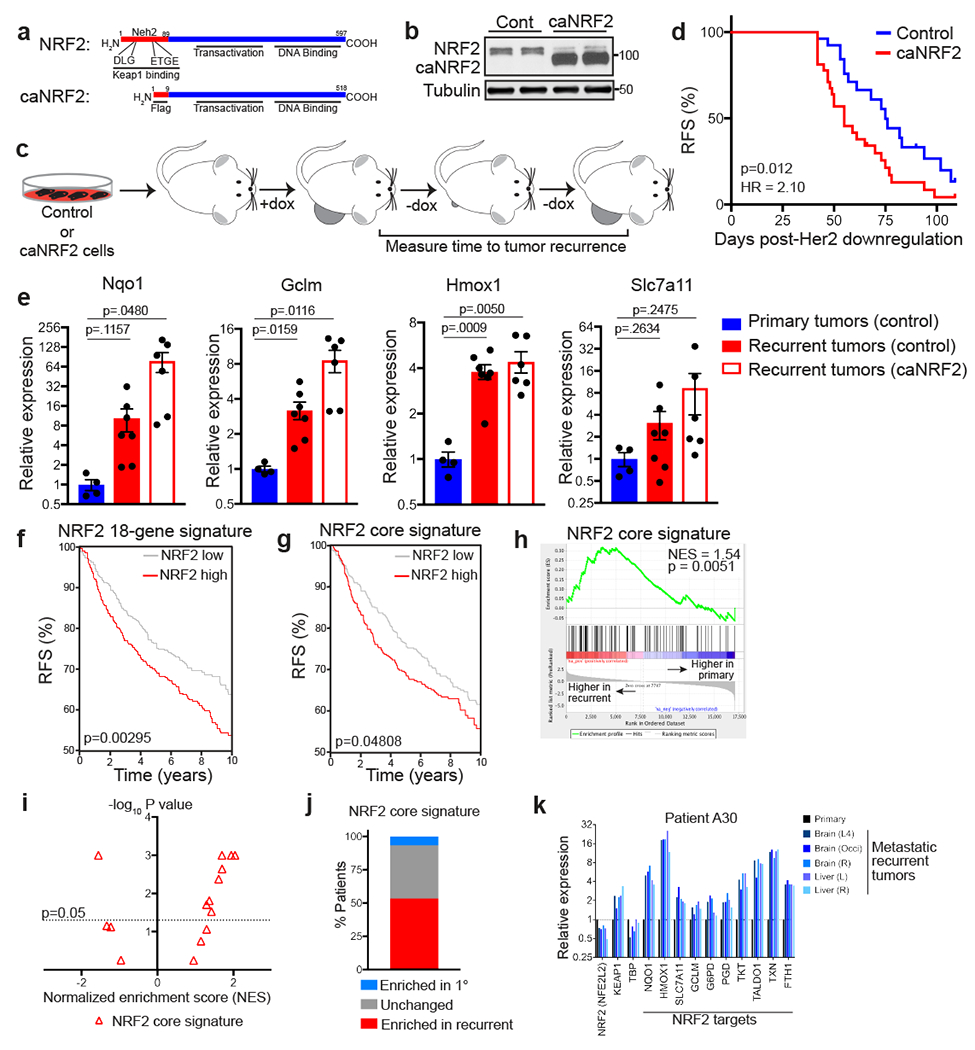
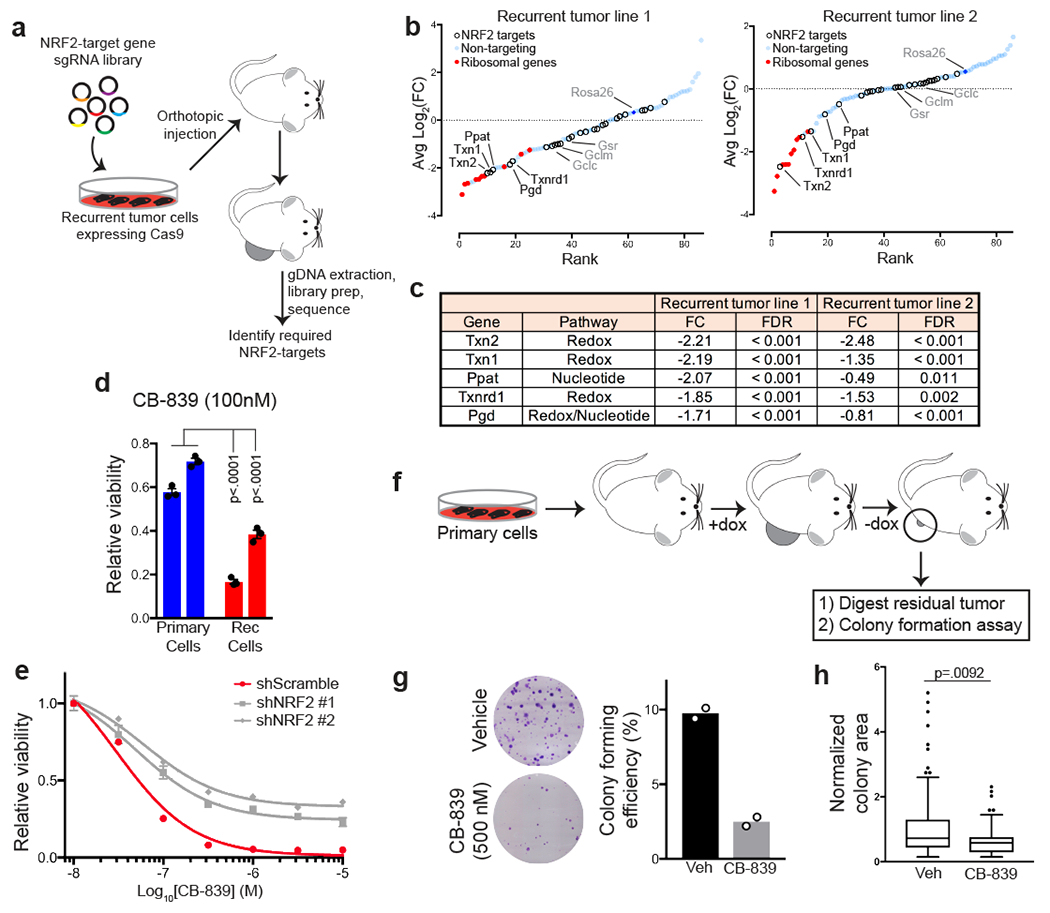
The survival and recurrence of dormant tumour cells following therapy is a leading cause of death in cancer patients. The metabolic properties of these cells are likely distinct from those of rapidly growing tumours. Here we show that Her2 down-regulation in breast cancer cells promotes changes in cellular metabolism, culminating in oxidative stress and compensatory upregulation of the antioxidant transcription factor, NRF2. NRF2 is activated during dormancy and in recurrent tumours in animal models and breast cancer patients with poor prognosis. Constitutive activation of NRF2 accelerates recurrence, while suppression of NRF2 impairs it. In recurrent tumours, NRF2 signalling induces a transcriptional metabolic reprogramming to re-establish redox homeostasis and upregulate de novo nucleotide synthesis. The NRF2-driven metabolic state renders recurrent tumour cells sensitive to glutaminase inhibition, which prevents reactivation of dormant tumour cells in vitro, suggesting that NRF2-high dormant and recurrent tumours may be targeted. These data provide evidence that NRF2-driven metabolic reprogramming promotes the recurrence of dormant breast cancer.
治疗后休眠肿瘤细胞的存活和复发是癌症患者死亡的主要原因。这些细胞的代谢特性可能与快速生长的肿瘤明显不同。在这里,我们表明 Her2 在乳腺癌细胞中的下调会促进细胞代谢的变化,最终导致氧化应激和抗氧化转录因子 NRF2 的代偿性上调。NRF2 在休眠和动物模型中的复发性肿瘤以及预后不良的乳腺癌患者中被激活。NRF2 的组成性激活会加速复发,而抑制 NRF2 则会损害复发。在复发性肿瘤中,NRF2 信号诱导转录代谢重编程以重新建立氧化还原平衡并上调从头核苷酸合成。NRF2 驱动的代谢状态使复发性肿瘤细胞对谷氨酰胺酶抑制剂敏感,这可以防止体外休眠肿瘤细胞的重新激活,表明 NRF2 高表达的休眠和复发性肿瘤可能是治疗的靶点。这些数据为 NRF2 驱动的代谢重编程促进休眠乳腺癌复发提供了证据。