Division of Molecular Medicine, Boston Children's Hospital, Boston, MA 02115, USA.
Department of Pediatrics, Harvard Medical School, Boston, MA 02115, USA.
Science. 2020 Sep 25;369(6511):1586-1592. doi: 10.1126/science.abd4251. Epub 2020 Jul 21.
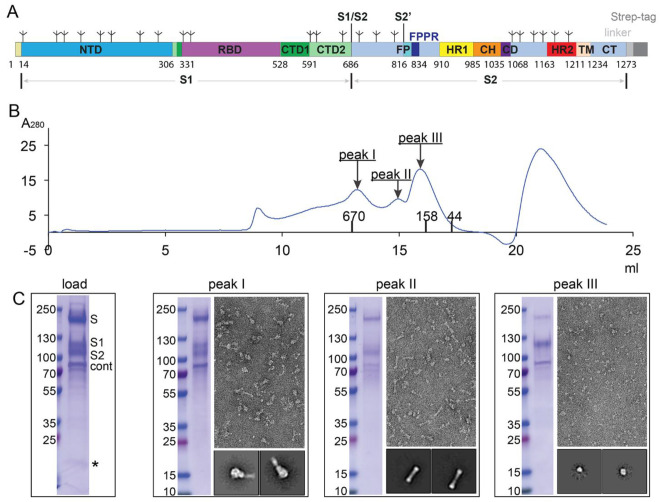
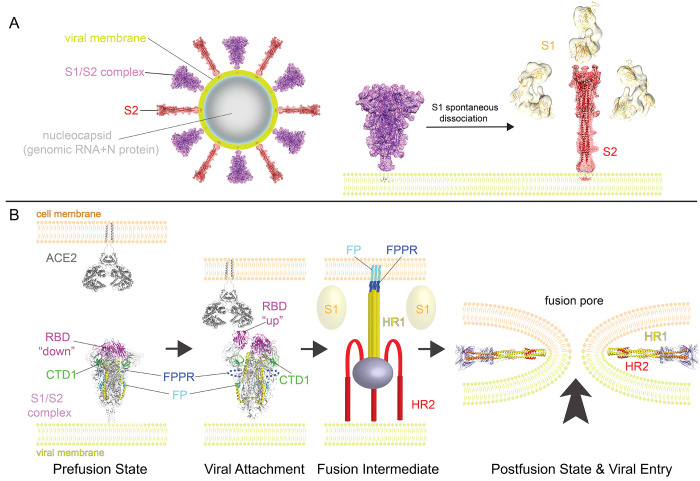
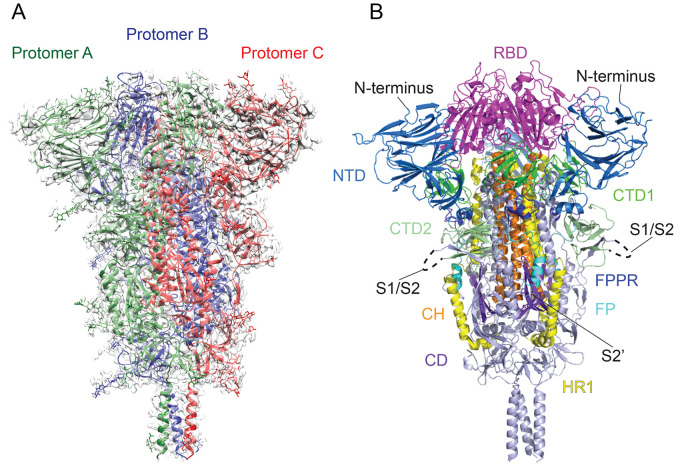
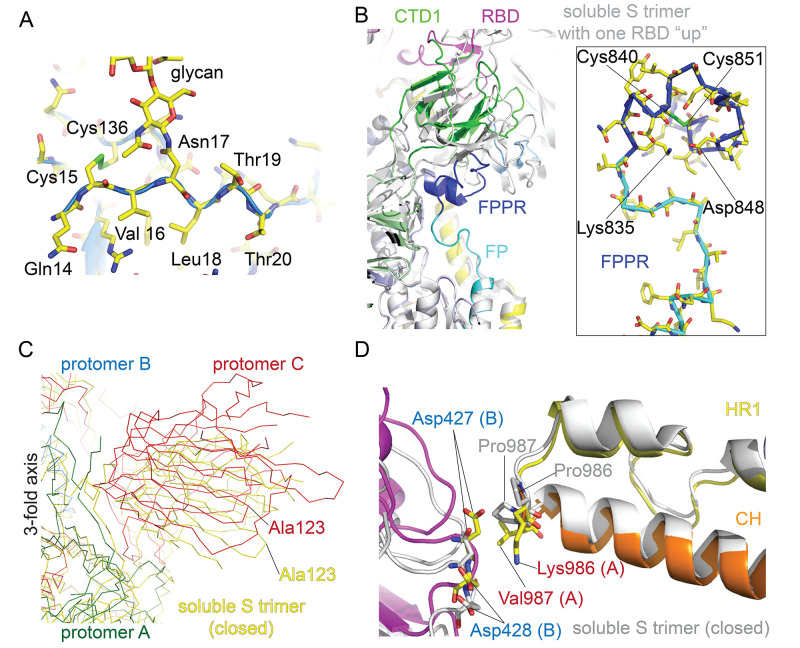
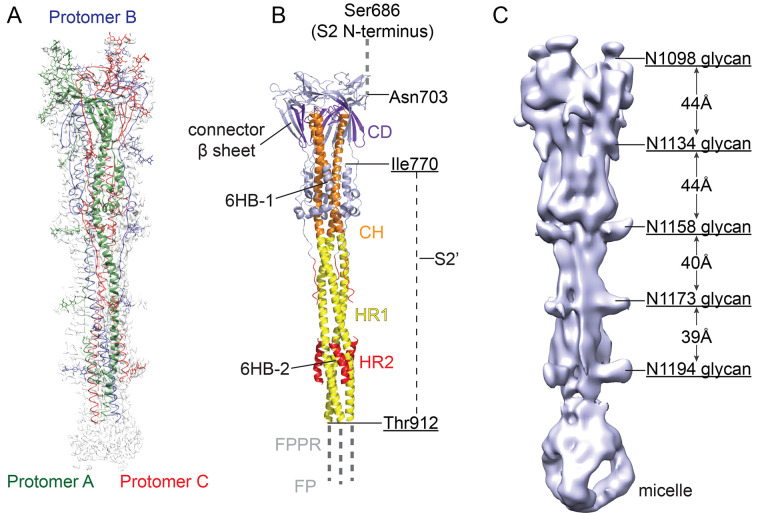
Intervention strategies are urgently needed to control the severe acute respiratory syndrome coronavirus 2 (SARS-CoV-2) pandemic. The trimeric viral spike (S) protein catalyzes fusion between viral and target cell membranes to initiate infection. Here, we report two cryo-electron microscopy structures derived from a preparation of the full-length S protein, representing its prefusion (2.9-angstrom resolution) and postfusion (3.0-angstrom resolution) conformations, respectively. The spontaneous transition to the postfusion state is independent of target cells. The prefusion trimer has three receptor-binding domains clamped down by a segment adjacent to the fusion peptide. The postfusion structure is strategically decorated by N-linked glycans, suggesting possible protective roles against host immune responses and harsh external conditions. These findings advance our understanding of SARS-CoV-2 entry and may guide the development of vaccines and therapeutics.
急需干预策略来控制严重急性呼吸综合征冠状病毒 2 (SARS-CoV-2) 大流行。三聚体病毒刺突 (S) 蛋白催化病毒和靶细胞膜之间的融合,从而引发感染。在这里,我们报告了两个源自全长 S 蛋白制剂的冷冻电镜结构,分别代表其预融合(2.9 埃分辨率)和融合后(3.0 埃分辨率)构象。自发向融合后状态的转变不依赖于靶细胞。预融合三聚体具有三个受体重构域,由与融合肽相邻的片段夹住。融合后结构由 N-连接聚糖巧妙地装饰,这表明它们可能对宿主免疫反应和恶劣的外部条件具有保护作用。这些发现增进了我们对 SARS-CoV-2 进入的理解,并可能指导疫苗和治疗药物的开发。