Department of Population Health, University of Otago, Christchurch 8140, New Zealand.
Health Promotion and Policy Research Unit, Department of Public Health, University of Otago, Wellington 6242, New Zealand.
Nutrients. 2020 Jul 18;12(7):2143. doi: 10.3390/nu12072143.
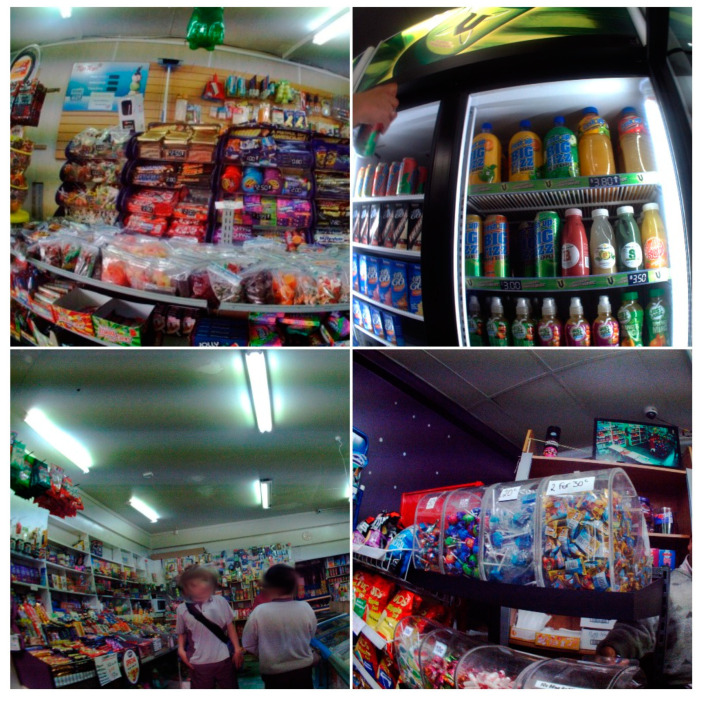
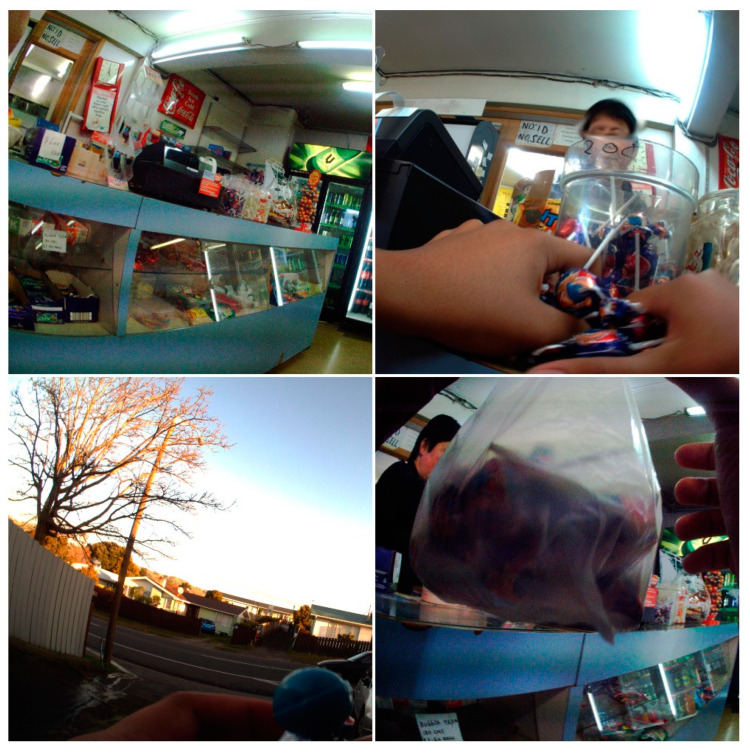
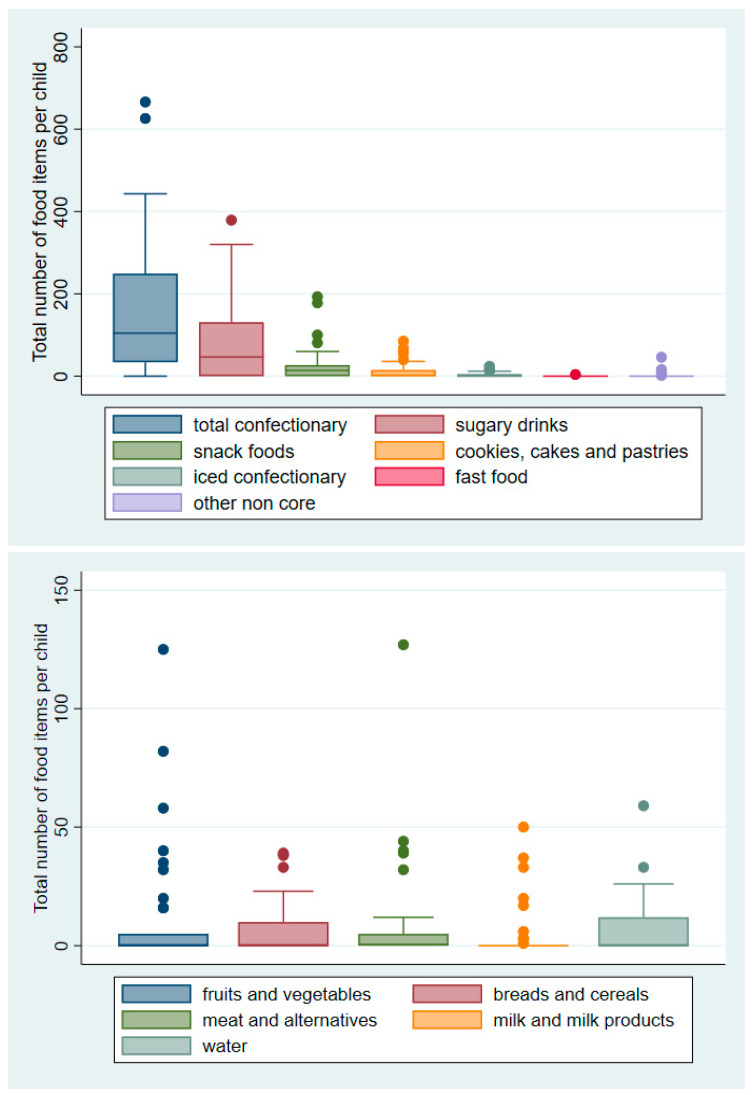
Increasing rates of childhood obesity worldwide has focused attention on the obesogenic food environment. This paper reports an analysis of children's interactions with food in convenience stores. Kids'Cam was a cross-sectional study conducted from July 2014 to June 2015 in New Zealand in which 168 randomly selected children aged 11-14 years old wore a wearable camera for a 4-day period. In this ancillary study, images from children who visited a convenience store were manually coded for food and drink availability. Twenty-two percent of children ( = 37) visited convenience stores on 62 occasions during the 4-day data collection period. Noncore items dominated the food and drinks available to children at a rate of 8.3 to 1 (means were 300 noncore and 36 core, respectively). The food and drinks marketed in-store were overwhelmingly noncore and promoted using accessible placement, price offers, product packaging, and signage. Most of the 70 items purchased by children were noncore foods or drinks (94.6%), and all of the purchased food or drink subsequently consumed was noncore. This research highlights convenience stores as a key source of unhealthy food and drink for children, and policies are needed to reduce the role of convenience stores in the obesogenic food environment.
全球儿童肥胖率不断上升,促使人们关注肥胖相关的食物环境。本文报告了一项关于儿童在便利店与食物互动的分析。Kids'Cam 是一项在新西兰进行的横断面研究,于 2014 年 7 月至 2015 年 6 月期间,随机选择了 168 名年龄在 11-14 岁的儿童佩戴可穿戴摄像机进行为期 4 天的拍摄。在这项辅助研究中,对孩子们在便利店的图像进行手动编码,以获取食物和饮料的供应情况。在 4 天的数据收集期间,有 22%的孩子(37 人)在 62 次访问便利店。非核心项目占据了便利店提供给儿童的食物和饮料的主导地位,比例为 8.3 比 1(平均值分别为 300 份非核心项目和 36 份核心项目)。店内销售的食品和饮料绝大多数是非核心项目,通过易接近的位置、价格优惠、产品包装和标识进行推广。孩子们购买的 70 种商品中,有 94.6%是非核心食品或饮料,随后消费的所有食物或饮料均为非核心项目。这项研究强调了便利店是儿童获取不健康食品和饮料的主要来源,需要制定政策来减少便利店在肥胖相关食物环境中的作用。