McDonald Kristie, Sharpe Louise, Yeates Laura, Semsarian Christopher, Ingles Jodie
School of Psychology, The University of Sydney, Sydney, New South Wales, Australia.
Agnes Ginges Centre for Molecular Cardiology at Centenary Institute, The University of Sydney, Sydney, NSW, Australia.
Open Heart. 2020 Jul;7(2). doi: 10.1136/openhrt-2019-001120.
The sudden cardiac death (SCD) of a young person is a devastating event for any parent. Inherited heart disease is often either identified or assumed to be the cause. Few studies have explored the psychosocial impact to the surviving at-risk family members. We sought to investigate the needs of parents who have experienced the SCD of their child (≤45 years).
A quantitative needs analysis questionnaire was developed based on semistructured interviews, including one focus group and a review of relevant literature. Eligible participants were invited to participate in this cross-sectional survey study.
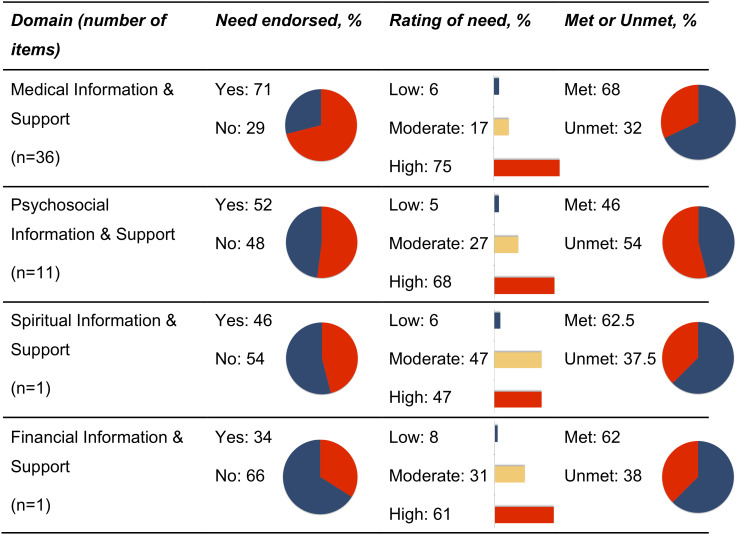
There were 38 parents who completed a quantitative survey. Parents' perceived needs for information and support spanned medical, psychosocial, spiritual and financial domains. Of the support and information needs assessed, medical needs were identified as the most important domain, followed by psychosocial, spiritual and financial. Importantly, psychosocial information and support needs were reported as the most unmet need, endorsed by 54% of parents. Medical information and support needs were reported as unmet by almost one third of parents. The two most endorsed needs were 'To have the option of whether or not you would pursue genetic testing for yourself or family members' and 'To understand what happened'.
This work demonstrates for the first time, the multifactorial needs of parents after SCD in the young. With the greatest unmet need reported as psychosocial needs, there is clear necessity to find ways of integrating psychological support in to the care of families after SCD in the young.
年轻人的心源性猝死(SCD)对任何父母来说都是一场毁灭性的事件。遗传性心脏病往往要么被确诊,要么被认为是病因。很少有研究探讨这对幸存的高危家庭成员的心理社会影响。我们试图调查经历过孩子(≤45岁)心源性猝死的父母的需求。
基于半结构化访谈开发了一份定量需求分析问卷,包括一个焦点小组和对相关文献的回顾。符合条件的参与者被邀请参加这项横断面调查研究。
有38位父母完成了定量调查。父母在医疗、心理社会、精神和经济领域感知到对信息和支持的需求。在评估的支持和信息需求中,医疗需求被确定为最重要的领域,其次是心理社会、精神和经济领域。重要的是,心理社会信息和支持需求被报告为最未得到满足的需求,54%的父母认可这一点。近三分之一的父母报告说医疗信息和支持需求未得到满足。得到最多认可的两项需求是“可以选择是否为自己或家庭成员进行基因检测”和“了解所发生的事情”。
这项工作首次证明了年轻人心源性猝死之后父母的多方面需求。由于报告中最未得到满足的需求是心理社会需求,显然有必要找到方法,将心理支持纳入年轻人心源性猝死之后对家庭的护理中。