Department of Biotechnology and Food Sciences, Norwegian University of Science and Technology (NTNU), Trondheim, Norway.
Microb Cell Fact. 2020 Jul 28;19(1):151. doi: 10.1186/s12934-020-01409-x.
The suitability of bacteria as microbial cell factories is dependent on several factors such as price of feedstock, product range, production yield and ease of downstream processing. The facultative methylotroph Bacillus methanolicus is gaining interest as a thermophilic cell factory for production of value-added products from methanol. The aim of this study was to expand the capabilities of B. methanolicus as a microbial cell factory by establishing a system for secretion of recombinant proteins.
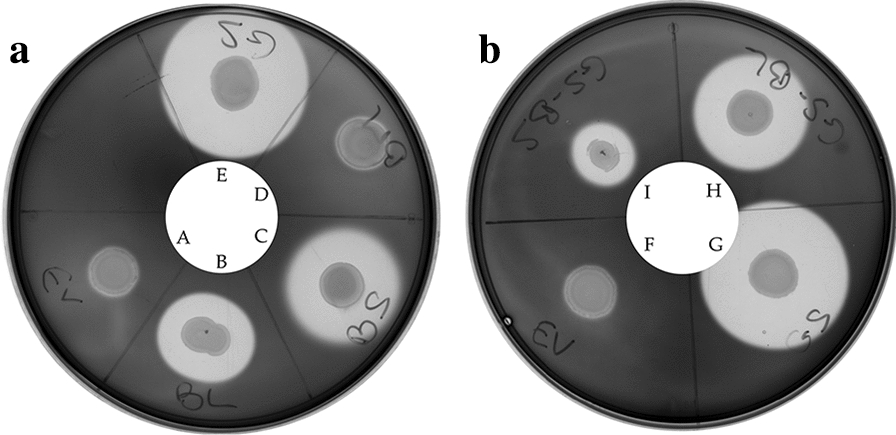
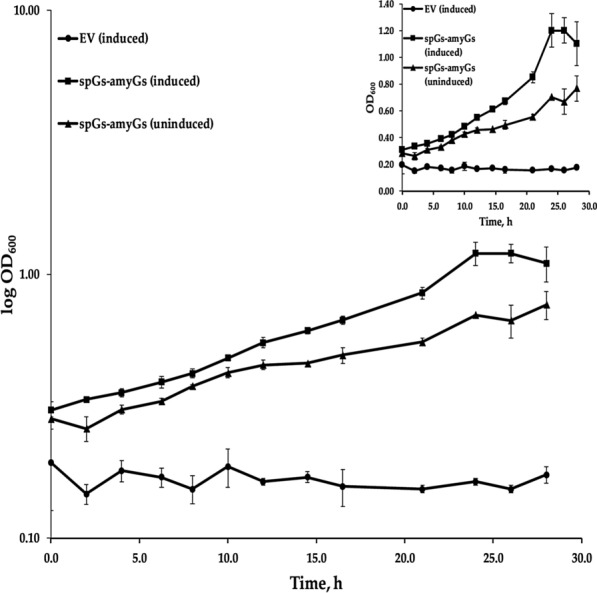
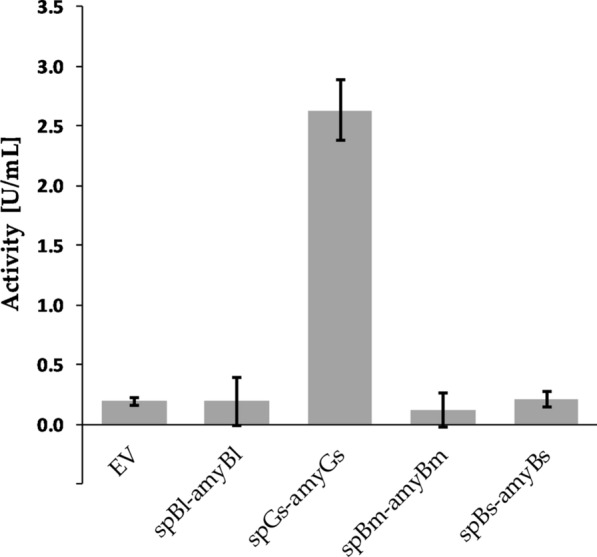
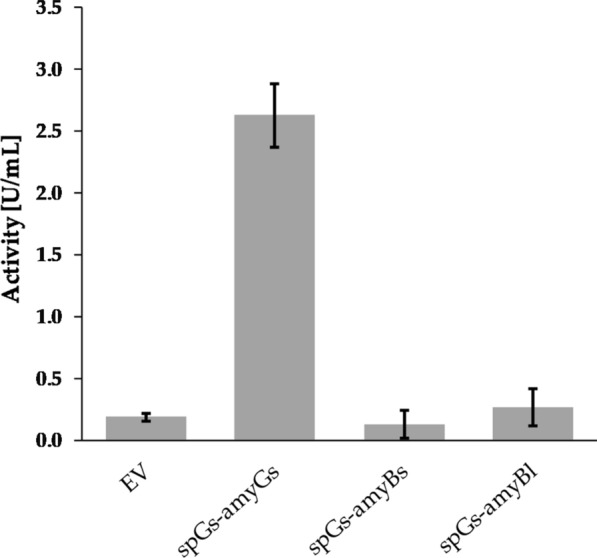
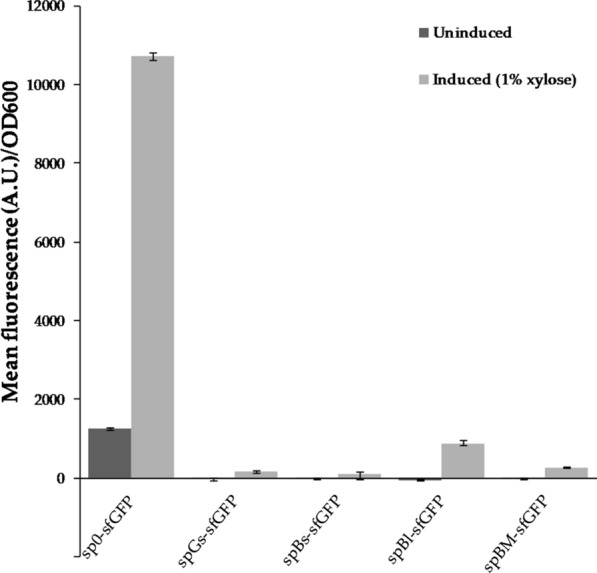
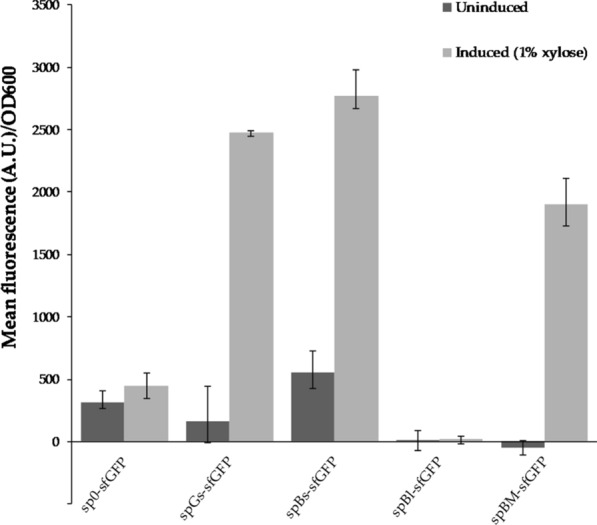
Native and heterologous signal peptides were tested for secretion of α-amylases and proteases, and we have established the use of the thermostable superfolder green fluorescent protein (sfGFP) as a valuable reporter protein in B. methanolicus. We demonstrated functional production and secretion of recombinant proteases, α-amylases and sfGFP in B. methanolicus MGA3 at 50 °C and showed that the choice of signal peptide for optimal secretion efficiency varies between proteins. In addition, we showed that heterologous production and secretion of α-amylase from Geobacillus stearothermophilus enables B. methanolicus to grow in minimal medium with starch as the sole carbon source. An in silico signal peptide library consisting of 169 predicted peptides from B. methanolicus was generated and will be useful for future studies, but was not experimentally investigated any further here.
A functional system for recombinant production of secreted proteins at 50 °C has been established in the thermophilic B. methanolicus. In addition, an in silico signal peptide library has been generated, that together with the tools and knowledge presented in this work will be useful for further development of B. methanolicus as a host for recombinant protein production and secretion at 50 °C.
细菌作为微生物细胞工厂的适用性取决于多个因素,如原料价格、产品范围、生产产量和下游加工的难易程度。兼性甲基营养菌巴氏甲烷八叠球菌作为一种嗜热细胞工厂,因其能够从甲醇生产有价值的产品而受到关注。本研究旨在通过建立重组蛋白分泌系统来扩展巴氏甲烷八叠球菌作为微生物细胞工厂的能力。
测试了天然和异源信号肽在α-淀粉酶和蛋白酶分泌中的作用,我们已经建立了使用热稳定的超折叠绿色荧光蛋白(sfGFP)作为巴氏甲烷八叠球菌中有价值的报告蛋白的方法。我们证明了重组蛋白酶、α-淀粉酶和 sfGFP 在 50°C 下巴氏甲烷八叠球菌 MGA3 中的功能性生产和分泌,并表明最佳分泌效率的信号肽选择因蛋白质而异。此外,我们还表明,来自嗜热脂肪芽孢杆菌的α-淀粉酶的异源生产和分泌使巴氏甲烷八叠球菌能够以淀粉为唯一碳源在最小培养基中生长。生成了一个由 169 个预测肽组成的巴氏甲烷八叠球菌的计算信号肽文库,这将对未来的研究有用,但在此并未进一步进行实验研究。
在嗜热的巴氏甲烷八叠球菌中建立了在 50°C 下进行分泌型重组蛋白生产的功能系统。此外,还生成了一个计算信号肽文库,该文库与本工作中提供的工具和知识一起,将有助于进一步开发巴氏甲烷八叠球菌作为在 50°C 下进行重组蛋白生产和分泌的宿主。