State Key Laboratory of Water Resources and Hydropower Engineering Science, Wuhan University, Wuhan, 430072, China.
Changjiang Institute of Survey, Planning, Design and Research, Wuhan, 430010, China.
Sci Rep. 2020 Jul 29;10(1):12657. doi: 10.1038/s41598-020-69392-2.
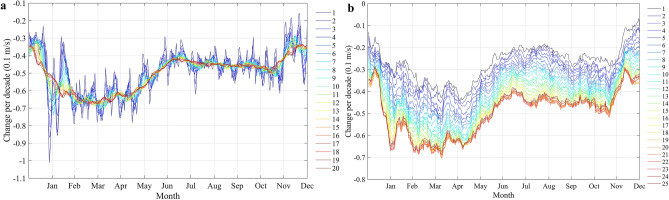
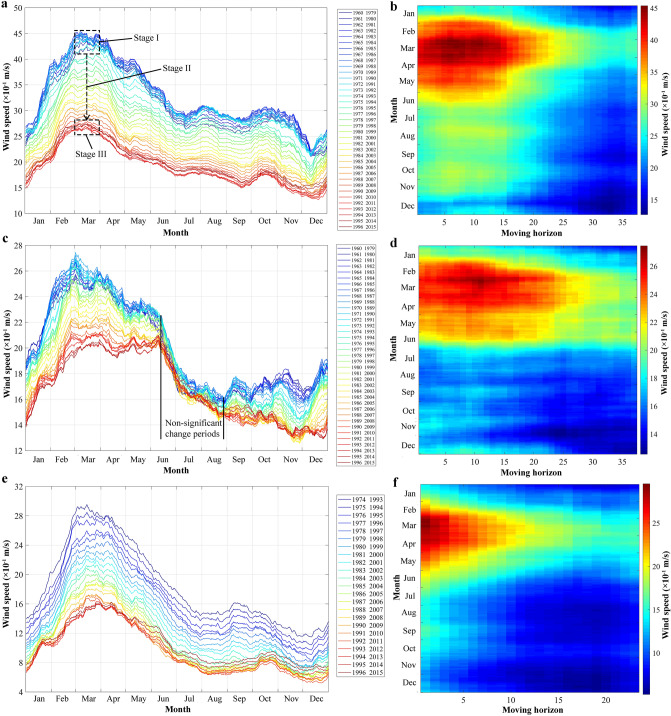
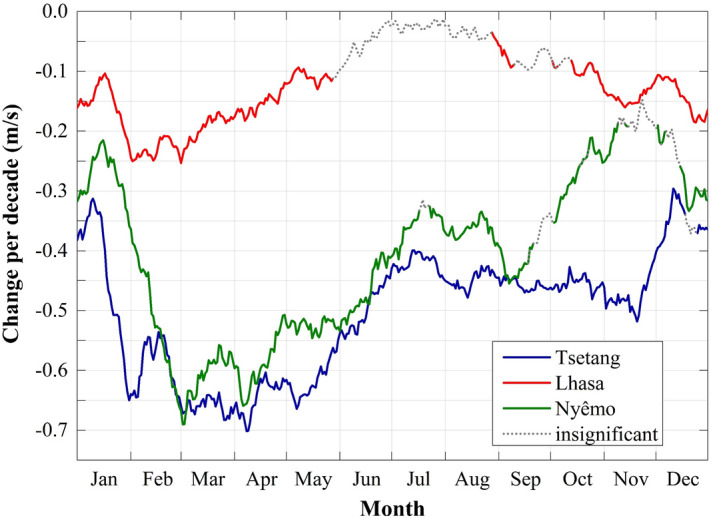
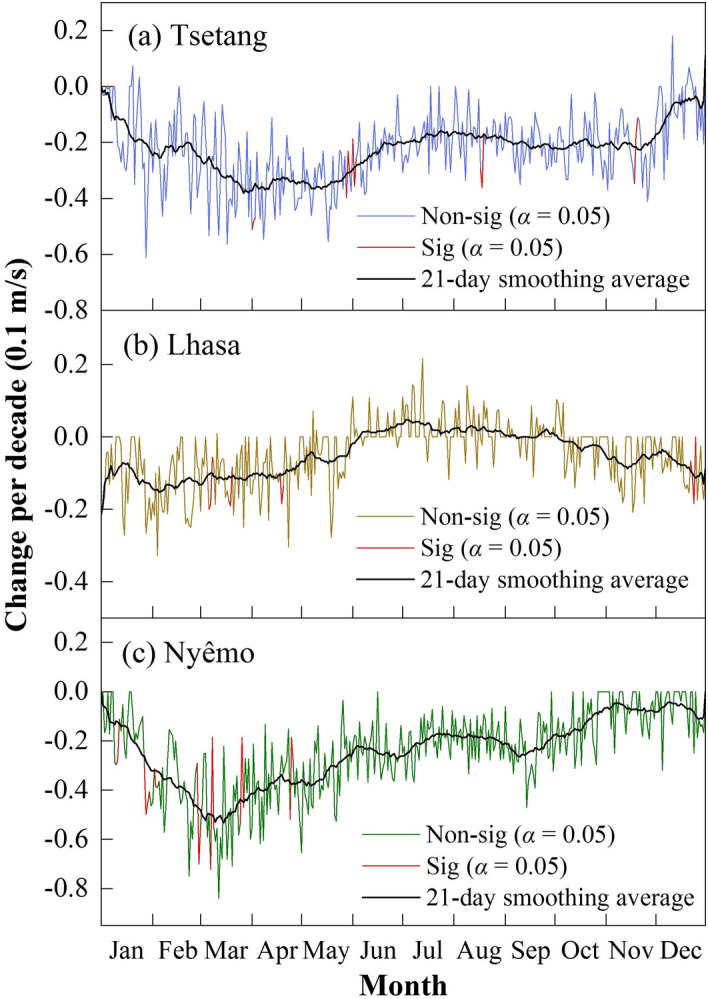
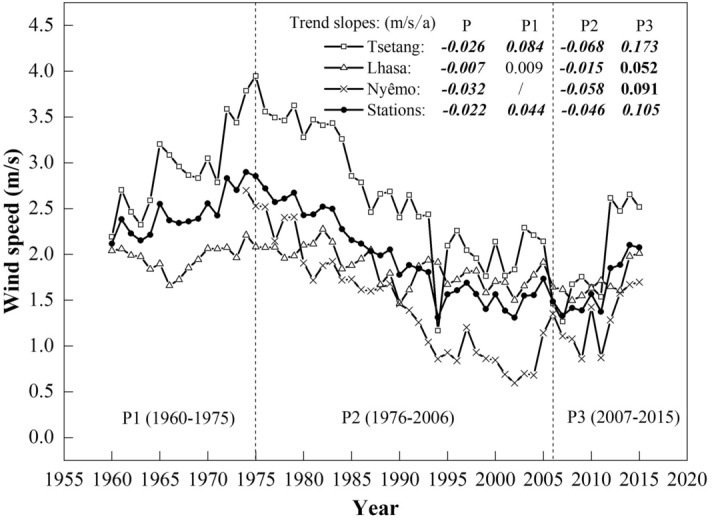
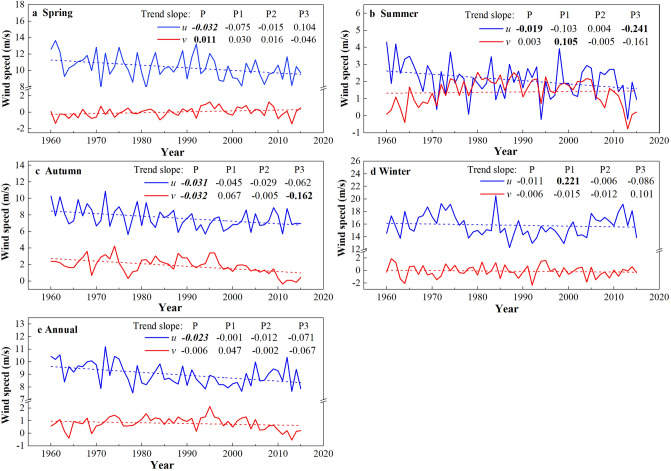
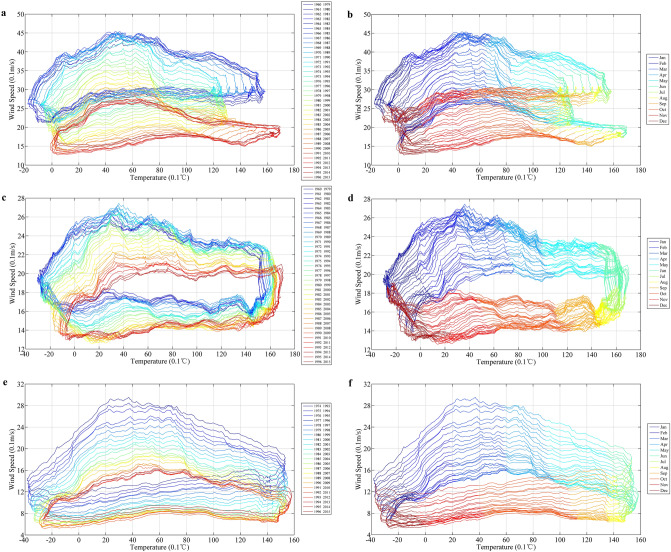
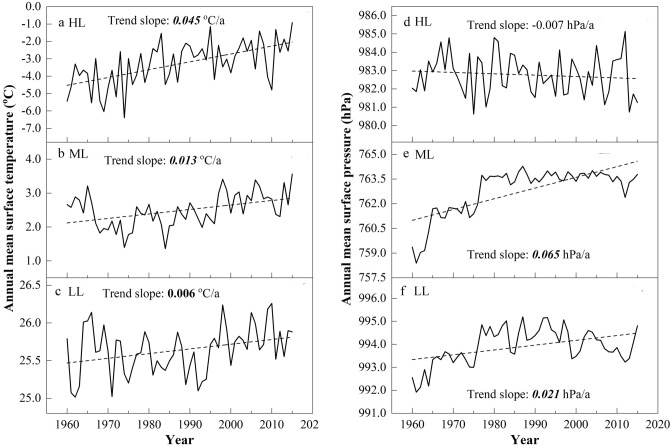
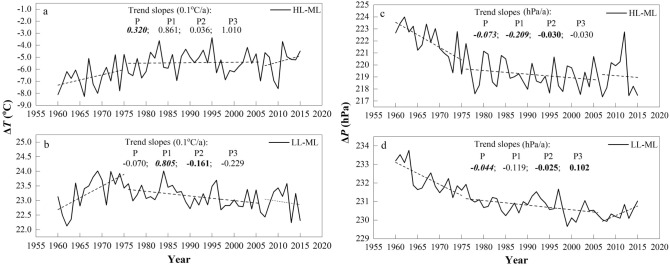
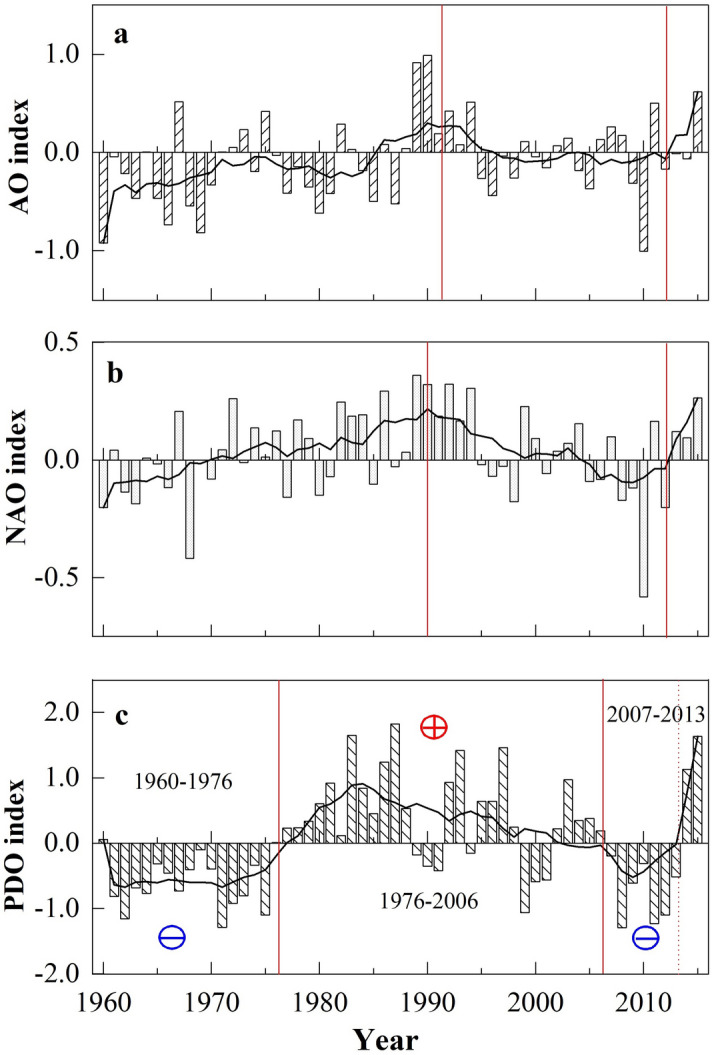
Wind speed and variability are the most critical climatic factors affecting sand/dust storms, which have not been sufficiently studied in the middle reaches of the Yarlung Tsangpo River (MYR). In this study, wind speed variability was investigated using the moving average over shifting horizon method (MASH), combined with the modified Mann-Kendall test and Sen's slope based on data from the Tsetang, Lhasa, and Nyêmo meteorological stations during 1960-2015. The results indicated that annual wind speeds for the MYR wide valley regions declined significantly at decadal rates of - 0.216 m/s and underwent three stages from 1960 to 2015: an increasing trend from 1960 to 1975 (0.44 m/s per decade), a weakening until 2006 (- 0.46 m/s per decade), and a remarkable subsequent recovery (1.05 m/s per decade). Different variability trends were observed for the three stations: wind speed decreased significantly during all months at the Tsetang and Nyêmo stations, particularly in the spring, while for Lhasa, a non-significant wind speed increase was detected in summer, and the highest decline occurred in winter. The MASH method resulted in the effective visualization of different patterns, making seasonal process analysis and trend detection easier. In addition, the possible main causes for wind speed change were also discussed. The wind speed change in the study region was strongly associated with the large-scale atmospheric patterns, and the surface pressure gradient variability between the mid and low latitudes may have been a primary driving force. Positive/negative phases of the Pacific Decadal Oscillation (PDO) corresponded well with wind speed decreases/increases and were regarded as an indicator of wind speed variations. The effects of human activities associated with surface roughness change in the MYR were minor compared with the climatic changes.
风速和变率是影响风沙天气的最关键气候因素,但在雅鲁藏布江中游(MYR)地区,这些因素并未得到充分研究。本研究采用移动平均转移窗口方法(MASH)结合修正的Mann-Kendall 检验和 Sen 斜率,对 1960-2015 年来自 Tsetang、拉萨和 Nyêmo 气象站的数据进行风速变率分析。结果表明,MYR 宽谷地区的年风速以每十年-0.216 m/s 的速度显著下降,并在 1960 年至 2015 年经历了三个阶段:从 1960 年到 1975 年呈上升趋势(每十年 0.44 m/s),1975 年到 2006 年减弱(每十年-0.46 m/s),随后显著恢复(每十年 1.05 m/s)。三个气象站的风速变化趋势不同:Tsetang 和 Nyêmo 气象站所有月份的风速都显著下降,特别是在春季,而拉萨气象站夏季风速呈非显著上升趋势,冬季风速下降最大。MASH 方法有效地可视化了不同的模式,使季节性过程分析和趋势检测更加容易。此外,还讨论了风速变化的可能主要原因。研究区域的风速变化与大尺度大气模式密切相关,中低纬度之间的地表气压梯度变化可能是主要驱动力。太平洋年代际振荡(PDO)的正/负相位与风速下降/上升很好地对应,被视为风速变化的指标。与气候变化相比,与 MYR 地表粗糙度变化相关的人类活动的影响较小。