Department of Biology, University of Pennsylvania, Philadelphia, United States.
Princeton Neuroscience Institute, Princeton University, Princeton, United States.
Elife. 2020 Aug 6;9:e57258. doi: 10.7554/eLife.57258.
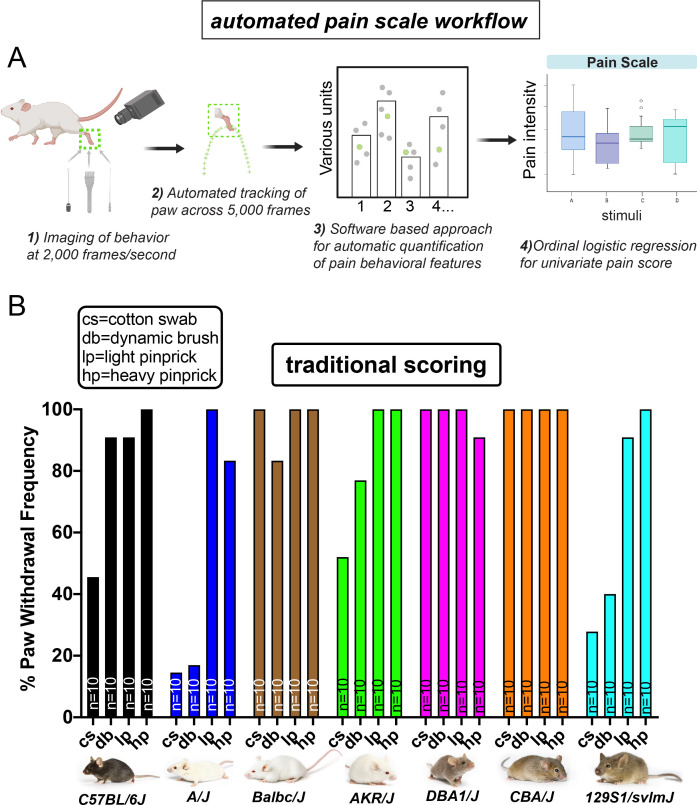
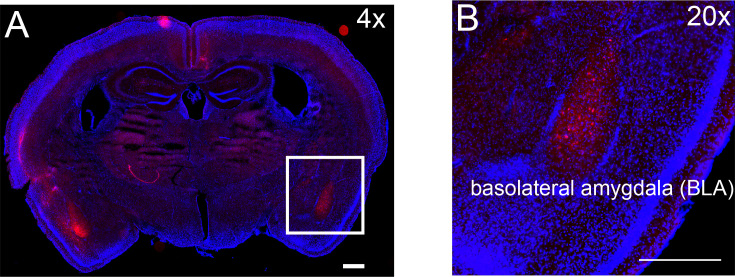
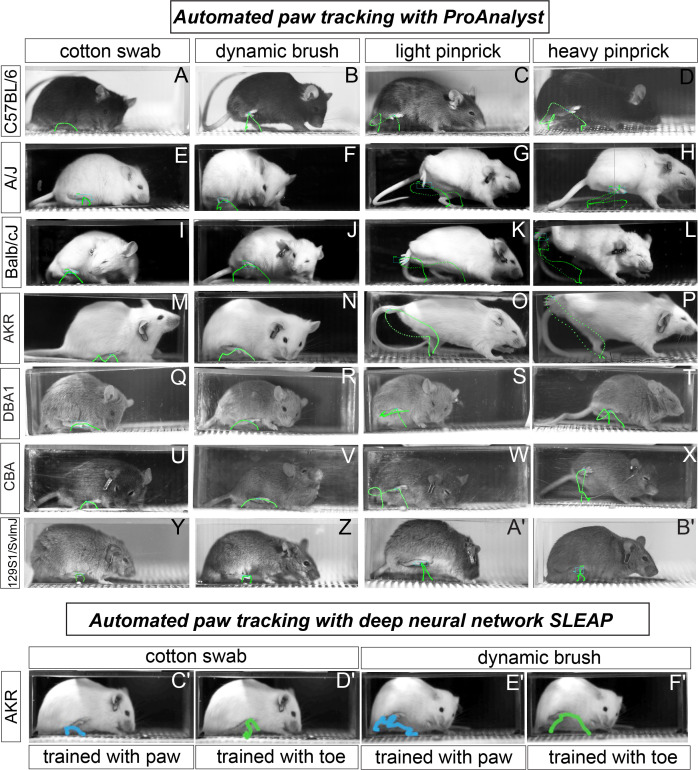
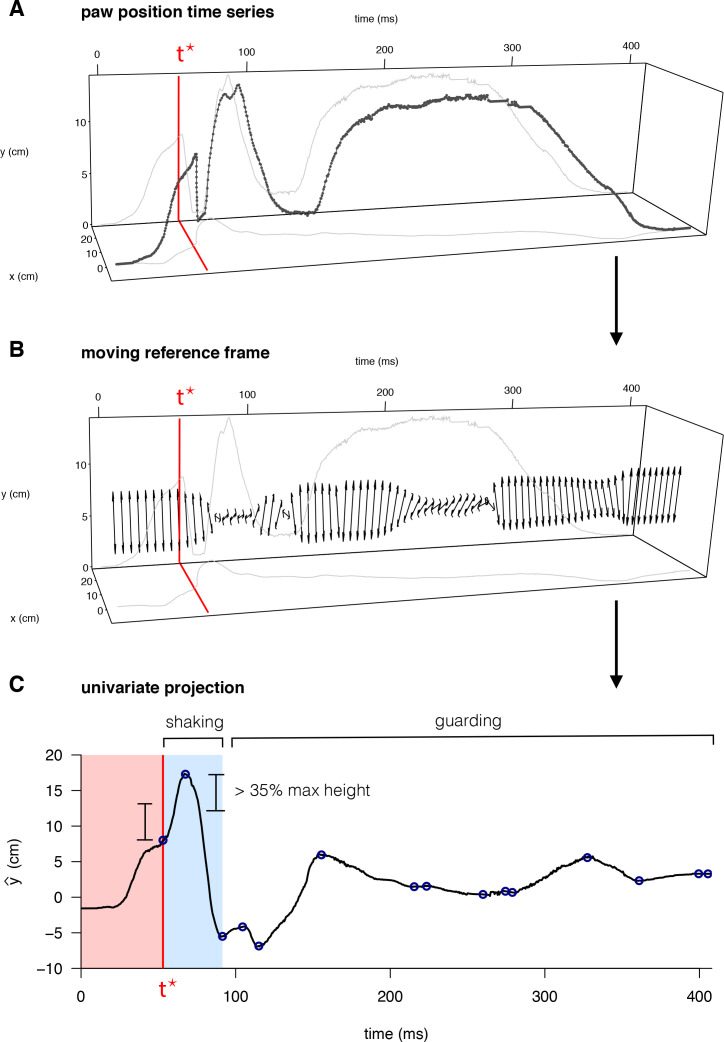
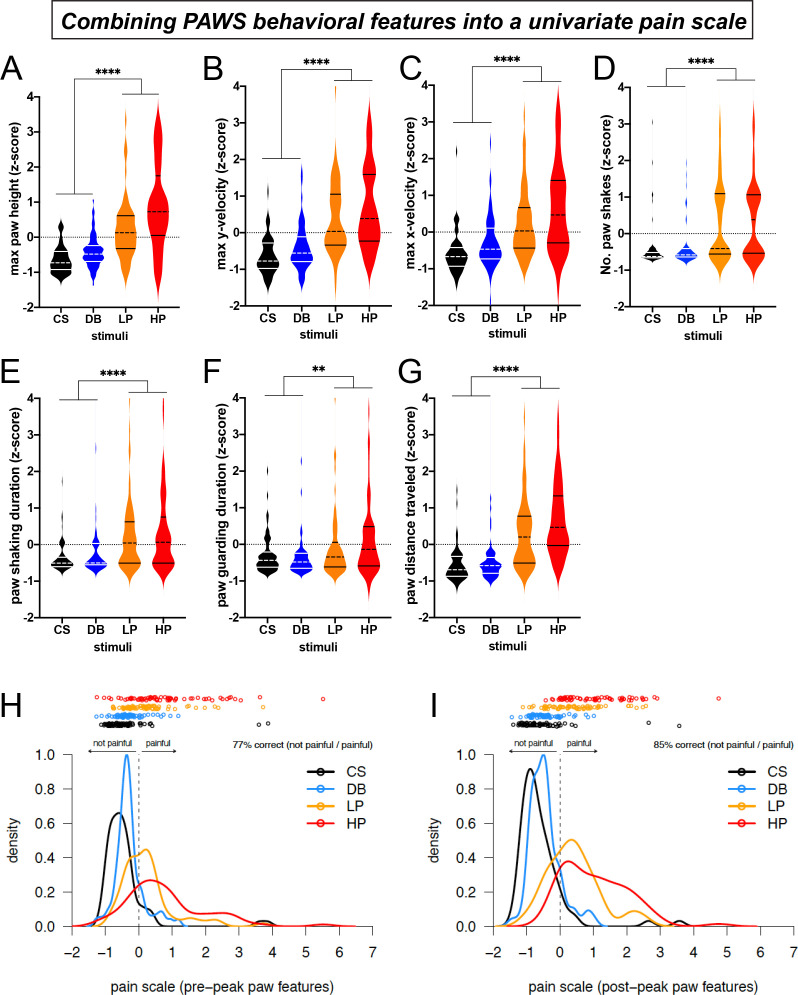
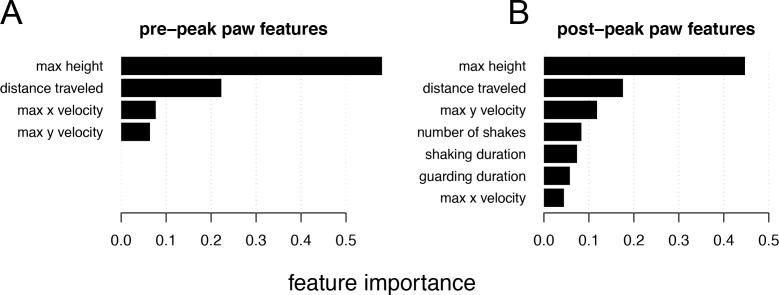
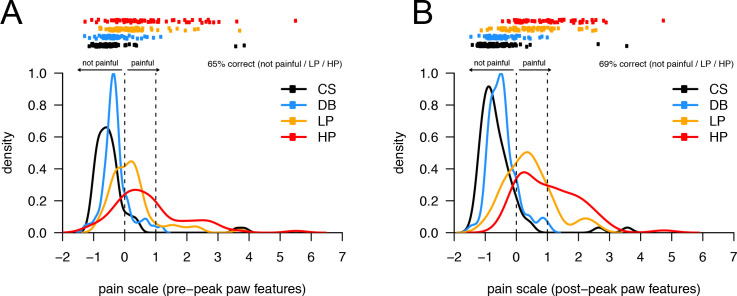
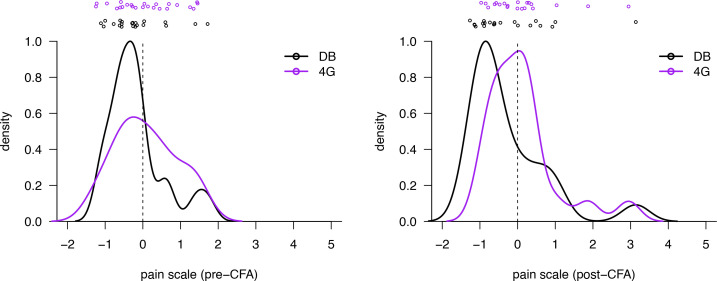
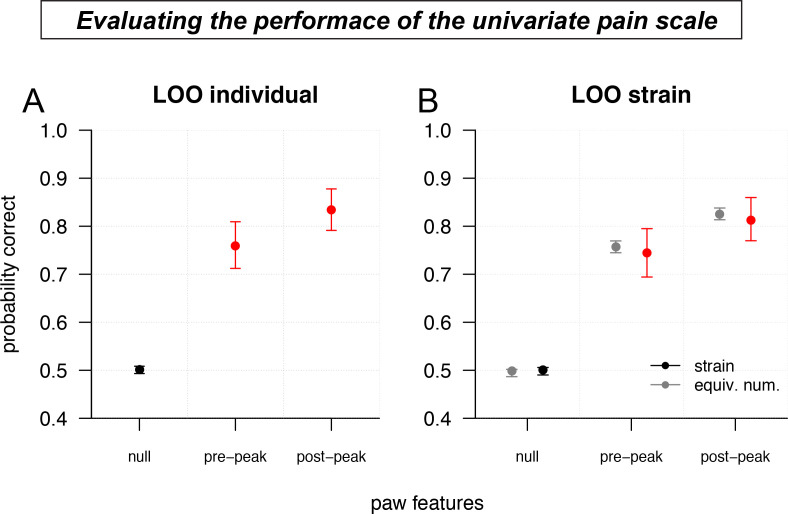
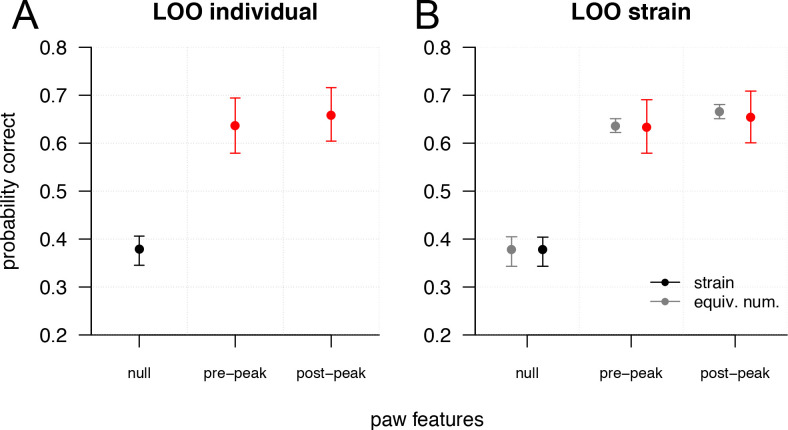
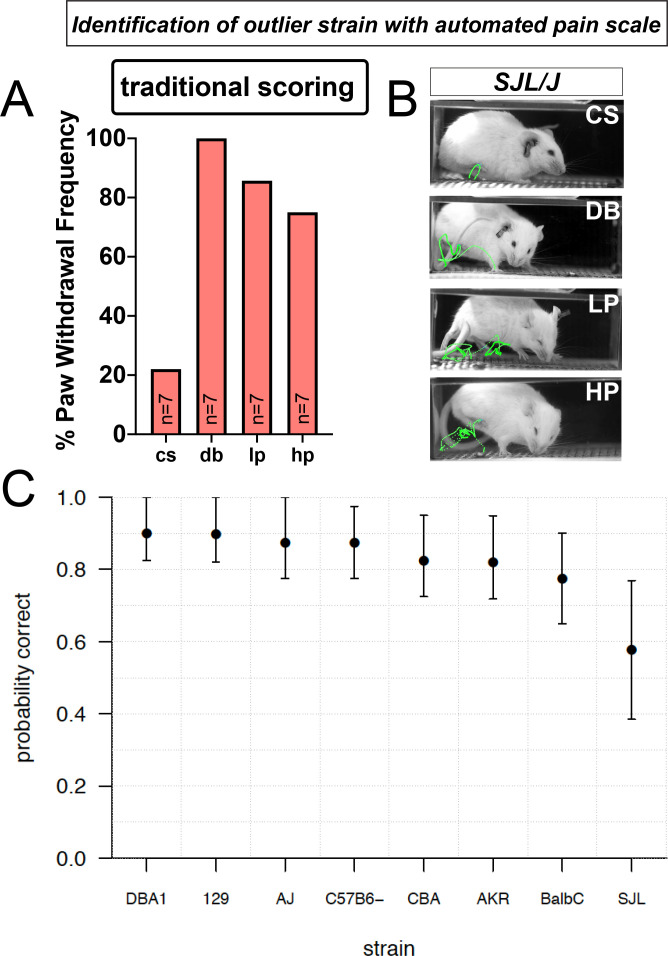
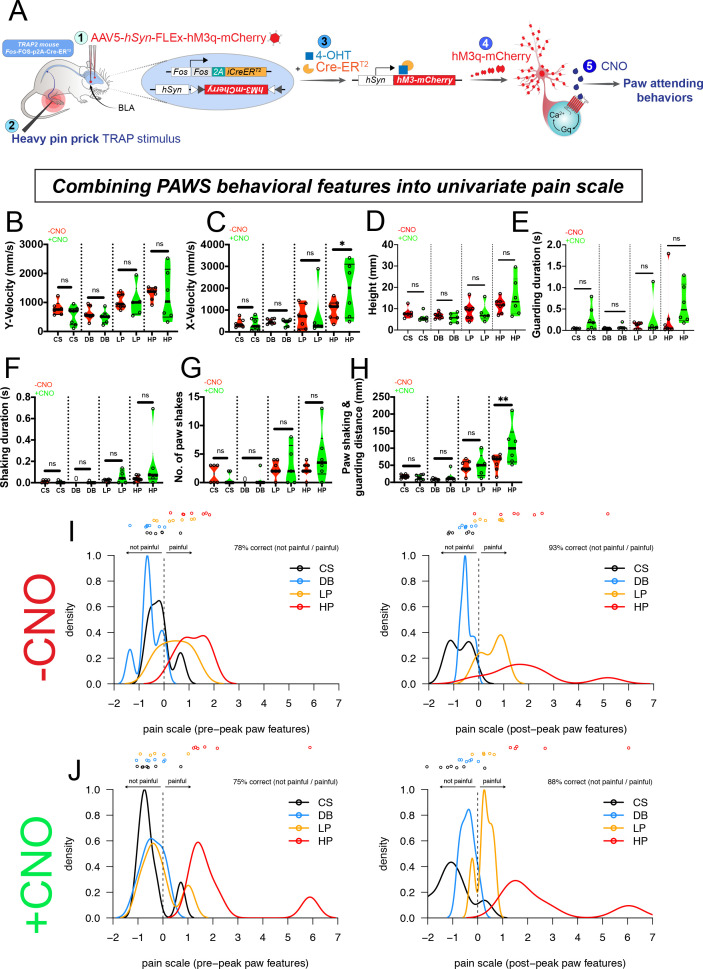
Objective and automatic measurement of pain in mice remains a barrier for discovery in neuroscience. Here, we capture paw kinematics during pain behavior in mice with high-speed videography and automated paw tracking with machine and deep learning approaches. Our statistical software platform, PAWS (Pain Assessment at Withdrawal Speeds), uses a univariate projection of paw position over time to automatically quantify seven behavioral features that are combined into a single, univariate pain score. Automated paw tracking combined with PAWS reveals a behaviorally divergent mouse strain that displays hypersensitivity to mechanical stimuli. To demonstrate the efficacy of PAWS for detecting spinally versus centrally mediated behavioral responses, we chemogenetically activated nociceptive neurons in the amygdala, which further separated the pain-related behavioral features and the resulting pain score. Taken together, this automated pain quantification approach will increase objectivity in collecting rigorous behavioral data, and it is compatible with other neural circuit dissection tools for determining the mouse pain state.
客观、自动地测量小鼠的疼痛仍然是神经科学研究中的一个障碍。在这里,我们使用高速录像和机器及深度学习方法,捕捉到小鼠在疼痛行为过程中的爪动力学。我们的统计软件平台 PAWS(Withdrawal Speeds 下的疼痛评估),使用单一变量的 paw 位置投影随时间自动量化七种行为特征,这些特征被组合成一个单一的、单变量的疼痛评分。自动爪跟踪与 PAWS 相结合,揭示了一种行为上不同的小鼠品系,其对机械刺激表现出超敏反应。为了证明 PAWS 检测脊髓和中枢介导的行为反应的功效,我们化学遗传激活杏仁核中的伤害感受神经元,这进一步分离了与疼痛相关的行为特征和由此产生的疼痛评分。总之,这种自动疼痛量化方法将提高收集严格行为数据的客观性,并且与其他神经回路分离工具兼容,用于确定小鼠的疼痛状态。