Author Affiliations: Stavanger University Hospital (Ms Bergerød and Drs Braut and Gilje); SHARE-Centre for Resilience in Healthcare, Faculty of Health Sciences, University of Stavanger (Ms Bergerød and Dr Wiig); Stavanger Unversity Hospital, Department of Hematology and Oncology (Ms Bergerød and Dr Gilje); and Haukeland University Hospital, Bergen, Norway (Ms Fagerdal).
Cancer Nurs. 2021;44(6):E447-E457. doi: 10.1097/NCC.0000000000000869.
In hospital cancer care, there is no set standard for next-of-kin involvement in improving the quality of care and patient safety. There is therefore a growing need for tools and methods that can guide this complex area.
The aim of this study was to present the results from a consensus-based participatory process of designing a guide for next-of-kin involvement in hospital cancer care.
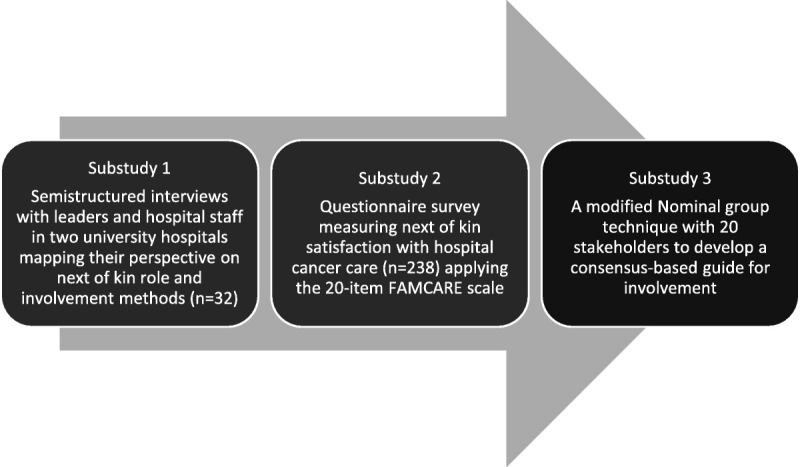
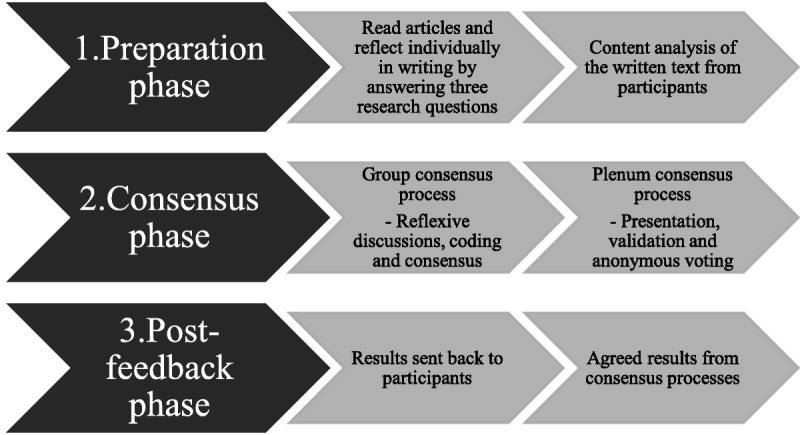
A consensus process based on a modified Nominal group technique was applied with 20 stakeholder participants from 2 Norwegian university hospitals.
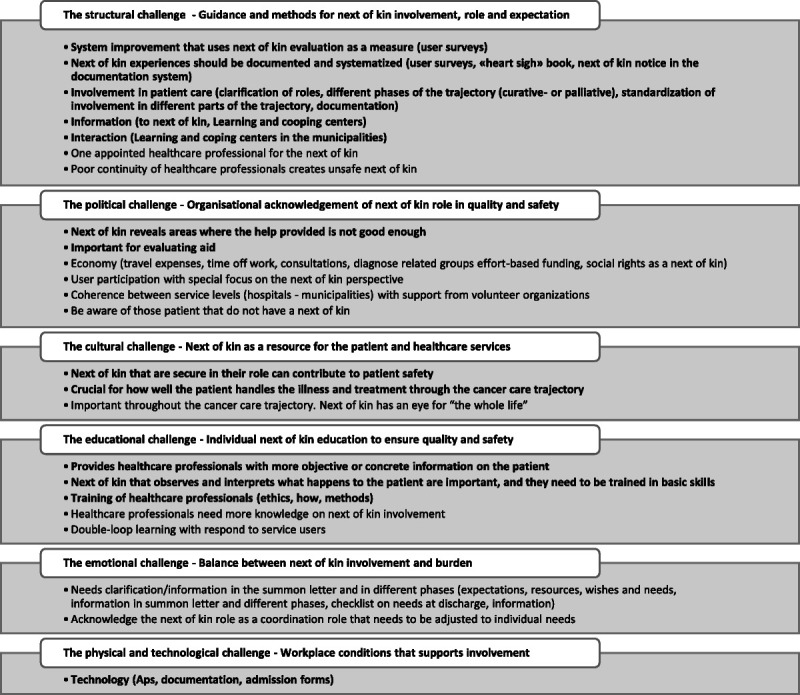
The participants agreed on the 5 most important priorities for hospital cancer care services when involving next-of-kin. The results showed that next-of-kin stakeholders, when proactively involved, are important resources for the patient and healthcare professionals in terms of contribution to quality and safety in hospitals. Suggested means of involving next-of-kin were closer interaction with external support bodies, integration in clinical pathways, adjusted information, and training healthcare professionals.
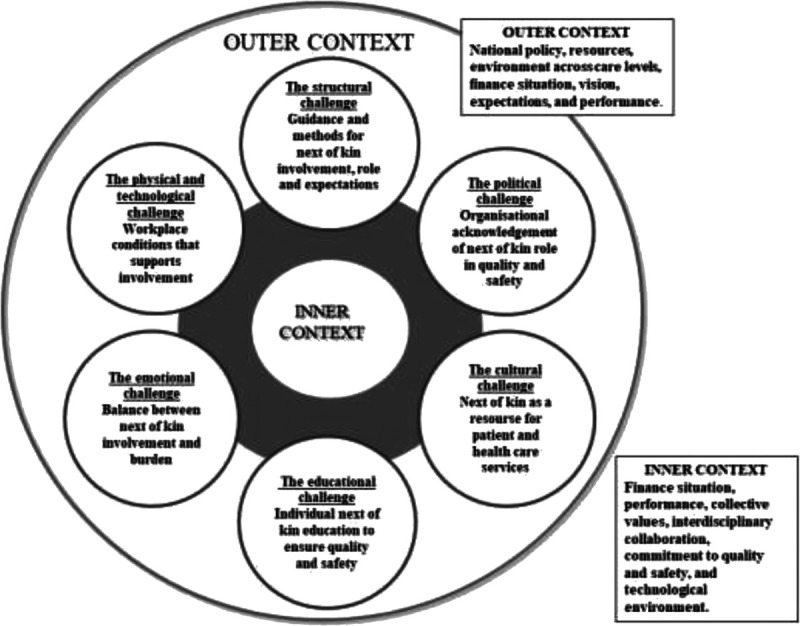
In this study, we identified topics and elements to include in a next-of-kin involvement guide to support quality and safety in hospital cancer care. The study raises awareness of the complex area of next-of-kin involvement and contributes with theory development and knowledge translation in an involvement guide tailored for use by healthcare professionals and managers in everyday clinical practice.
Service providers can use the guide to formulate intentions and make decisions with suggestions and priorities or as a reflexive tool for organizational improvement.
在医院癌症护理中,没有规定近亲参与提高护理质量和患者安全的标准。因此,越来越需要能够指导这一复杂领域的工具和方法。
本研究旨在介绍基于共识的参与式设计医院癌症护理中近亲参与指南的过程的结果。
采用 20 名来自挪威 2 所大学医院的利益相关者参与者的改良名义群体技术共识过程。
参与者就涉及近亲时医院癌症护理服务的 5 个最重要的优先事项达成一致。结果表明,当积极参与时,近亲利益相关者是患者和医疗保健专业人员的重要资源,有助于提高医院的质量和安全性。建议的涉及近亲的方式包括与外部支持机构更密切的互动、纳入临床路径、调整信息和培训医疗保健专业人员。
在这项研究中,我们确定了在支持医院癌症护理质量和安全的近亲参与指南中包含的主题和要素。该研究提高了对近亲参与这一复杂领域的认识,并为参与指南的理论发展和知识转化做出了贡献,该指南专为医疗保健专业人员和管理人员在日常临床实践中使用而设计。
服务提供者可以使用该指南来制定意图并做出决策,提供建议和优先事项,或作为组织改进的反思工具。