Department of Chemistry, University of Utah, 315 S. 1400 East, Salt Lake City, UT 84112-0850, USA.
Chem Soc Rev. 2020 Sep 21;49(18):6524-6528. doi: 10.1039/d0cs00579g.
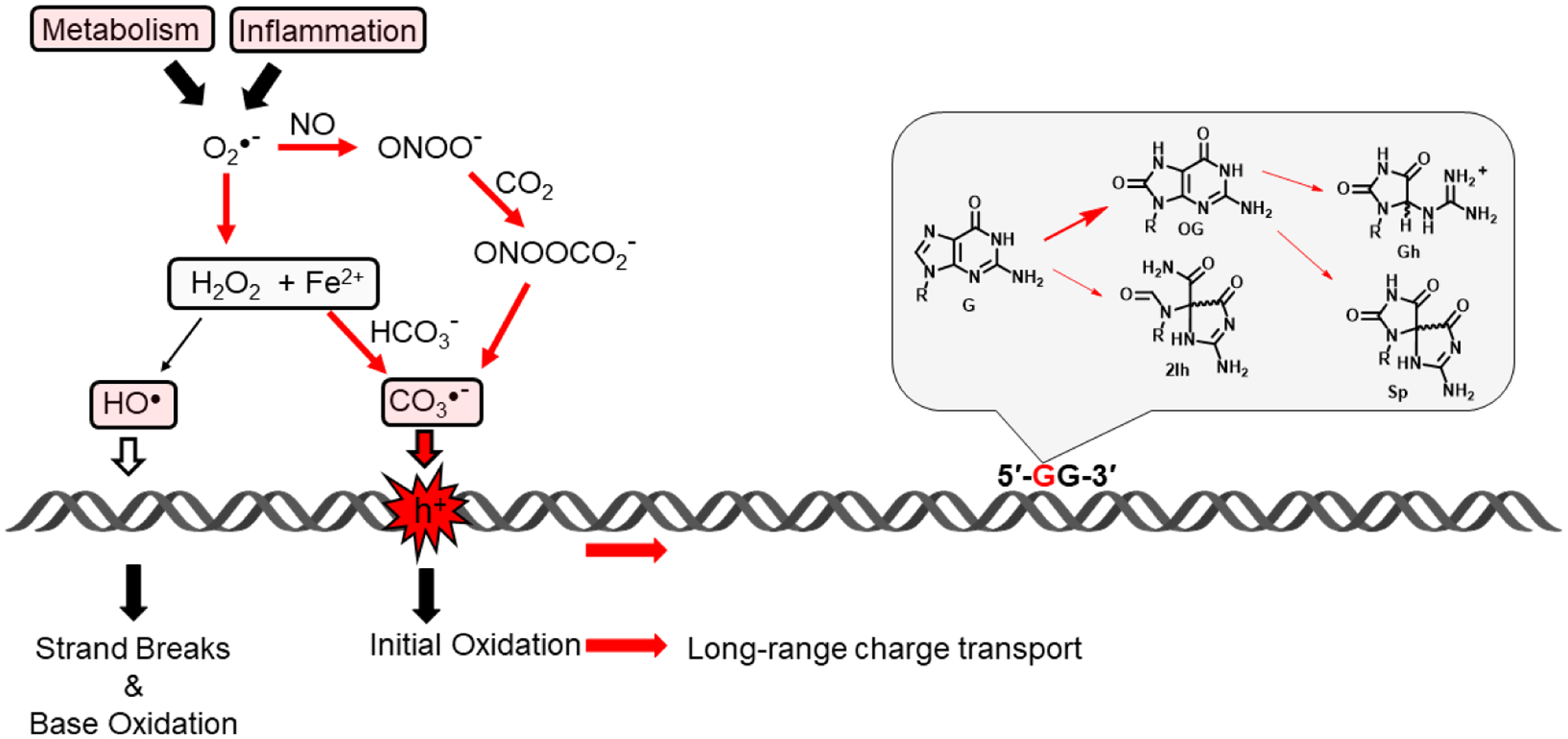
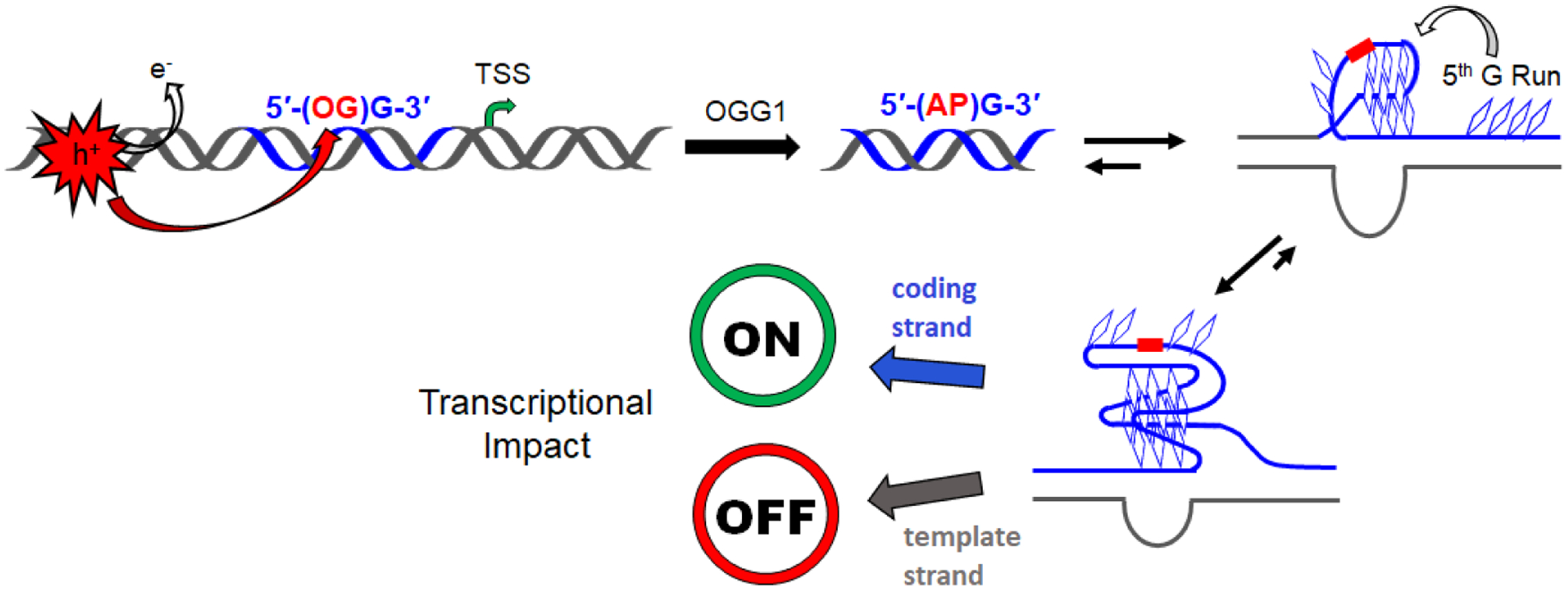
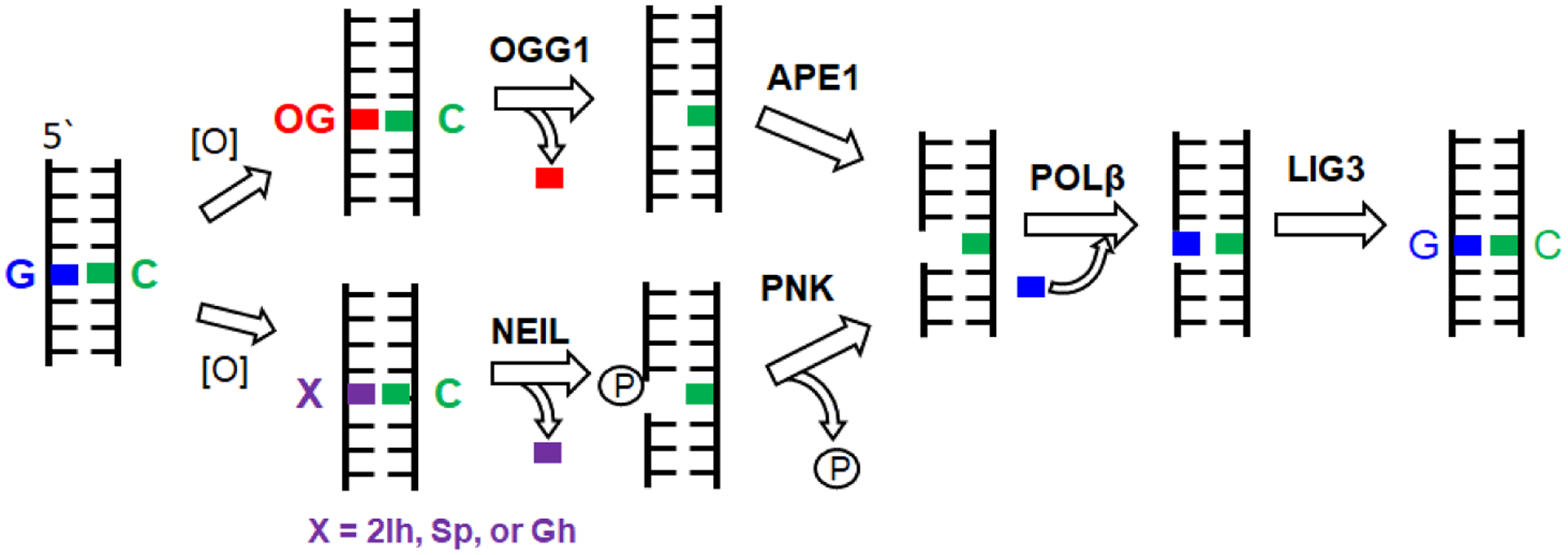
Contrary to frequent reports in the literature, hydroxyl radical is not a key species participating in endogenous oxidative DNA damage. Instead, carbonate radical anion is formed from the Fenton reaction under cellular conditions and from decomposition of nitrosoperoxycarbonate generated during inflammation. Carbonate radical anion is a potent one-electron oxidant capable of generating base radical cations that can migrate over long distances in duplex DNA, ultimately generating 8-oxo-7,8-dihydroguanine at a redox-sensitive sequence such as GGG. Such a mechanism enables G-quadruplex-forming sequences to act as long-range sensors of oxidative stress, impacting gene expression via the DNA repair mechanism that reads and ultimately erases the oxidized base. With a writing, reading and erasing mechanism in place, oxidative 'damage' to DNA might be relabeled as 'epigenetic' modifications.
与文献中频繁报道的情况相反,羟自由基不是参与内源性氧化 DNA 损伤的关键物质。相反,在细胞条件下,Fenton 反应会生成碳酸根自由基阴离子,而在炎症期间产生的亚硝酰过氧碳酸盐会分解生成碳酸根自由基阴离子。碳酸根自由基阴离子是一种强单电子氧化剂,能够生成碱基自由基阳离子,这些阳离子可以在 DNA 双链中长距离迁移,最终在如 GGG 等氧化敏感序列处生成 8-氧代-7,8-二氢鸟嘌呤。这种机制使形成 G-四链体的序列能够作为氧化应激的远程传感器,通过读取并最终清除氧化碱基的 DNA 修复机制来影响基因表达。有了写入、读取和擦除机制,DNA 的氧化“损伤”可能被重新标记为“表观遗传”修饰。